Black rot is worth recognizing early because no treatment can save an infected plant. This bacterial disease spreads in water and on contaminated tools and seed, and it thrives in warm, wet weather. Prevention and containment are the reliable controls. Learn the signs first, then use the growing practices that keep it from spreading.
How to identify black rot
The signature symptom is unmistakable once you know it:
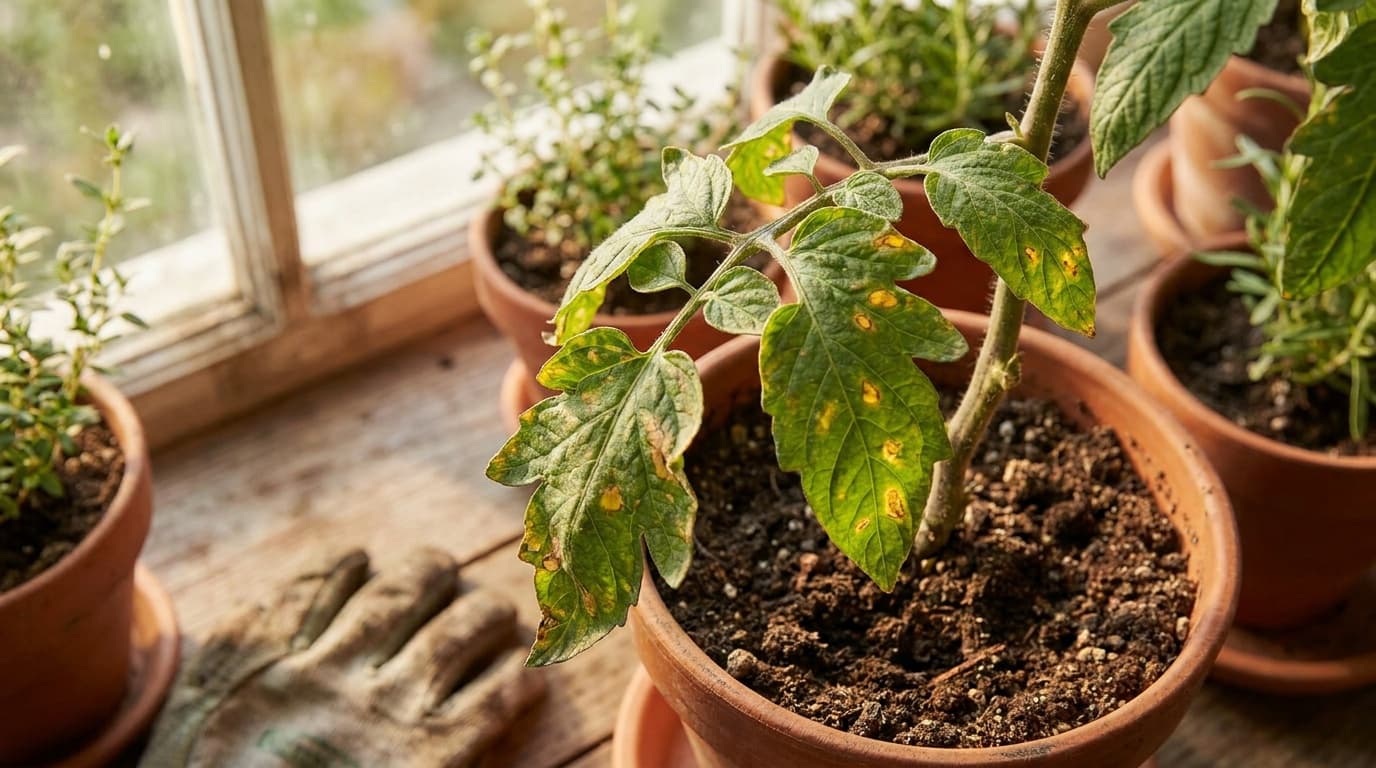
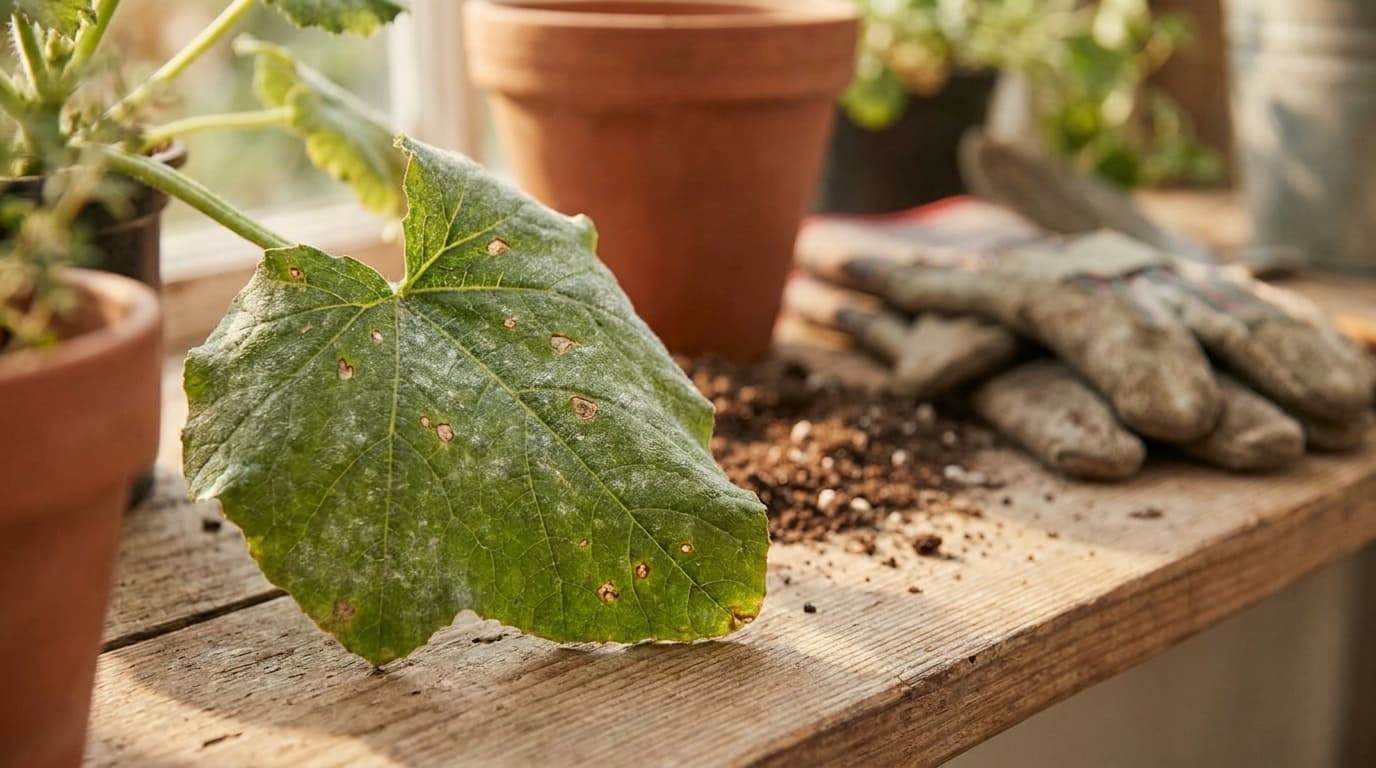
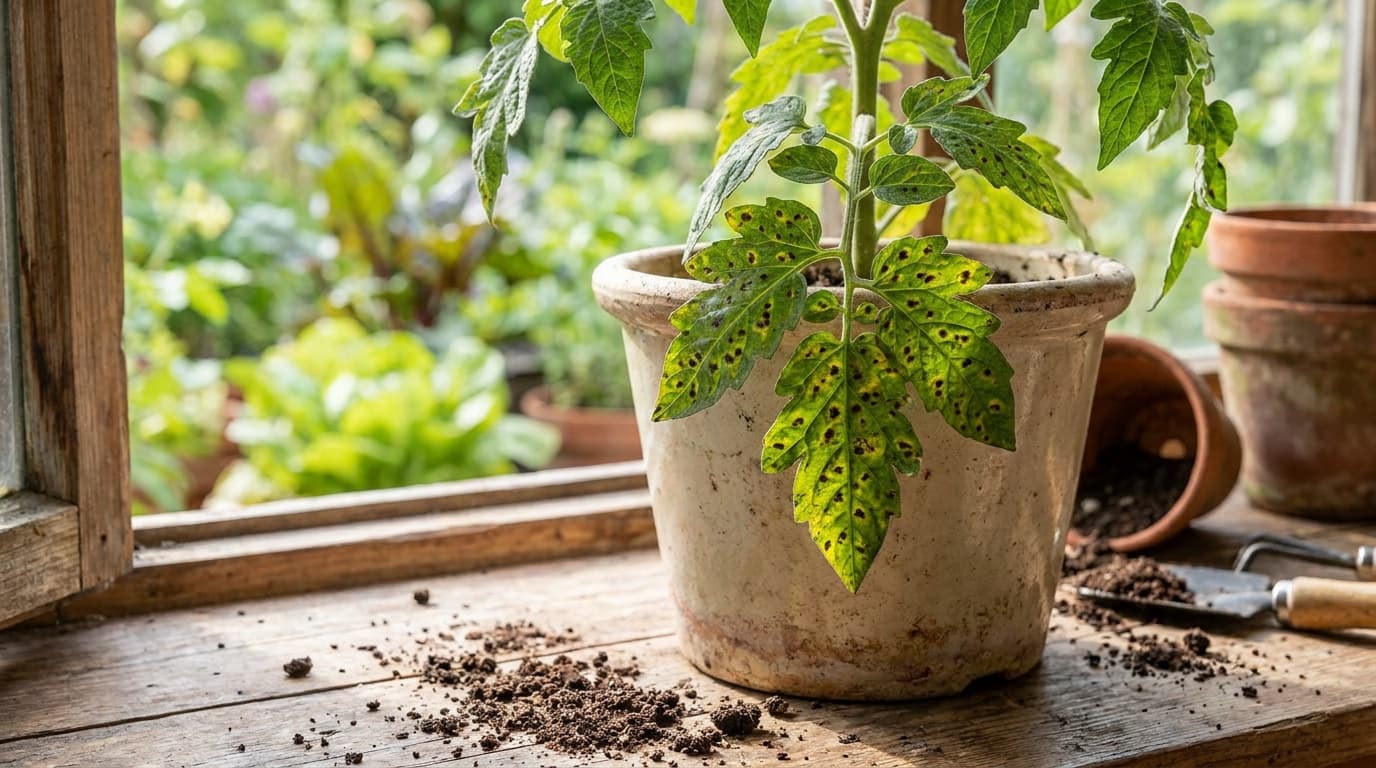
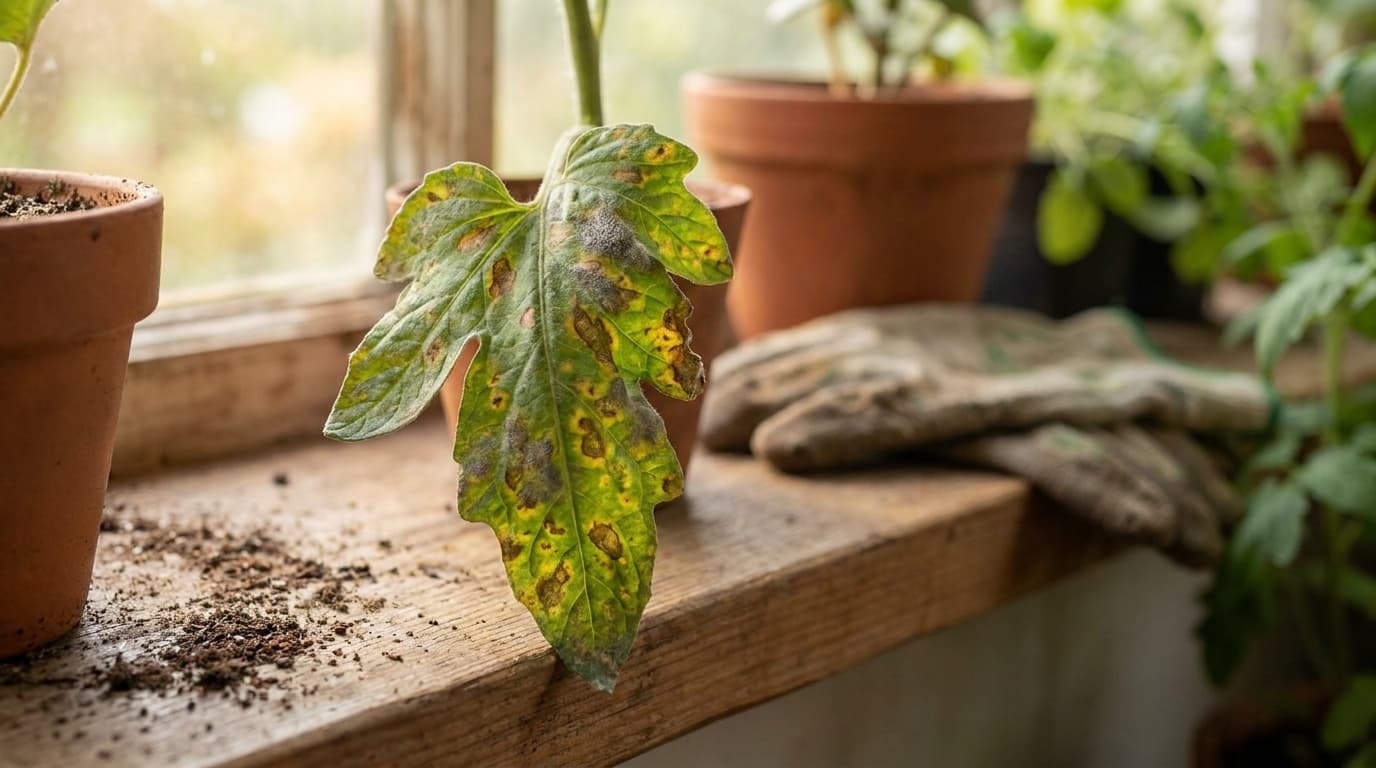
- Yellow, V-shaped lesions opening from the leaf margin inward, with the point of the V aimed at a vein. This is the classic tell that separates black rot from most other brassica issues.
- Blackened veins within and around the lesion, sometimes appearing as a dark net of veins in the affected tissue.
- Lesions enlarge, turn brown and papery, and leaves yellow and drop. On heading crops the bacteria can move into the stem and head, causing internal blackening and a slimy secondary rot.
- It spreads fastest in warm, humid, wet conditions, often after rain, overhead watering, or working in wet foliage.
It affects the whole family: cabbage, broccoli, kale, cauliflower, and their relatives, plus brassica weeds that can harbor it.
Why there is no cure (and what that means for you)
This is a bacterial disease, and once the bacteria are inside the plant's vascular system, no home spray reaches or eliminates them. That changes your whole approach. You are not treating black rot, you are preventing it from arriving and stopping it from spreading. Accepting that early saves you from wasting money on products that will not work and, more importantly, redirects you to the practices that do.
The cultural management plan
Every practice here either keeps the bacteria out or slows its spread. None of them is optional if black rot has been a problem in your garden.
Manage black rot culturally
Start with clean seed
Rotate the bed
Water at the soil line
Sanitize tools and hands
Space for airflow
Remove infected plants
Choose resistant varieties
A note on row cover
Floating row cover is a useful tool in the brassica patch, mainly for keeping out the cabbage-family pests (moths, beetles, root maggots) whose feeding wounds can give bacteria an entry point and whose presence stresses plants. Reducing that pest pressure is a sensible part of an overall brassica plan.
Some links on this page are affiliate links. As an Amazon Associate I earn from qualifying purchases.
Pest exclusion
Agribon AG-19 Floating Row Cover
Best for: Gardeners who want cheap frost protection and pest exclusion in one fabric.
Keep in mind: Lightweight fabric tears and wears over seasons
Amazon price as of the checked date, subject to change. The price on Amazon at checkout applies.
Full research
- Weight
- 0.55 oz per sq yd
- Frost protection
- Down to roughly 28F
- Light transmission
- About 85%
- Material
- Spun-bonded polypropylene
A lightweight spun-bonded row cover that drapes over crops to add a few degrees of frost protection while still letting in light and water. It doubles as a physical barrier against many insect pests.
This catalog-wide research score is separate from this guide's use-case ranking. How we research
Strengths
- Extends the growing season at both ends
- Excludes many pests without chemicals
- Passes most light and water so it can stay on
Weaknesses
- Lightweight fabric tears and wears over seasons
- Needs hoops or pins to stay put in wind
Sprout Score breakdown
Best for
Gardeners who want cheap frost protection and pest exclusion in one fabric.
Be clear about what it does and does not do: row cover does not cure or directly stop a seedborne bacterial disease, and a cover left over warm, damp foliage can actually raise humidity, which black rot likes. Use it to exclude pests and protect young plants, vent it in warm wet weather, and rely on clean seed, rotation, and sanitation for the disease itself.
FAQ
Can I cure black rot on my cabbage or broccoli?
No. Black rot is a bacterial disease with no curative treatment, and sprays do not reliably control it once a plant is infected. Remove and destroy infected plants to stop the spread, and rely on prevention (clean seed, rotation, sanitation) for the rest of the patch and future seasons.
How does black rot spread?
It is seedborne and spreads in water (rain and overhead irrigation splash) and on contaminated tools, hands, and clothing, especially when foliage is wet. Insect feeding wounds and brassica weeds also help it move and persist. It thrives in warm, humid conditions.
Can I eat brassicas with black rot?
Lightly affected leaves can be trimmed, but heavily infected plants often develop internal blackening and a slimy secondary rot that makes them unappetizing and prone to spoilage. The bigger concern is garden management: remove infected plants to protect the rest of the crop.
How do I prevent black rot next season?
Start with certified or hot-water-treated seed, rotate brassicas out of the affected bed for several years, water at the soil line, sanitize tools, space plants for airflow, control brassica weeds, clear all debris at season end, and choose resistant varieties where you can.
Black rot has no cure, so your wins all come from prevention and clean habits: good seed, rotation, dry foliage, clean tools, and prompt removal of anything infected. For crop-specific timing and spacing, see the cabbage, broccoli, kale, and cauliflower profiles.