Guides
Problem & Fix
Start with the symptom, check the likely cause, and work through practical next steps. Each guide shows its sources and recommends a product only when it helps with the remedy.

Start with what you see
Find the likely cause in plain language
Choose the part of the plant that looks wrong. Each answer starts with what to check and what to do today.
Why are my tomatoes black on the bottom?
Blossom end rot is a calcium-delivery problem driven by uneven watering, not a soil calcium shortage. Fix the moisture and the rot stops.
See the fixWhy does my squash flower but make no fruit?
Flowers but no fruit usually means a pollination problem: extreme heat, too few pollinators, or row cover left on. Here is how to diagnose and fix it.
See the fixWhy is one side of my tomato pale and leathery?
Sunscald is a sunburn injury: pale, papery, blistered patches on fruit shoulders exposed to direct sun, often after pruning or leaf loss. Prevent it by keeping leaf cover, not by spraying.
See the fixWhy is there white powder on my squash leaves?
Powdery mildew is a white dusty fungus that thrives on crowded, shaded plants. Control it with airflow, base watering, resistant varieties, and prompt treatment.
See the fixWhy do lower tomato leaves have target-ring spots?
Early blight causes target-ring brown spots on lower tomato and potato leaves, spreading upward in warm wet weather. Slow it with base watering, mulch, spacing, and rotation.
See the fixWhat makes winding trails inside leaves?
Leaf miners are fly larvae that tunnel winding trails inside leaves, hitting spinach, chard, and beets hardest. Stop them with row cover, removing mined leaves, and sanitation.
See the fixWhy are my seedlings falling over at the soil line?
Damping off is a fungal disease that topples healthy-looking seedlings overnight. It is almost always preventable with drier soil, warmth, and airflow.
See the fixWhy did my cucumber vine wilt overnight?
Bacterial wilt collapses cucumber and squash vines and has no cure. The fix is stopping the cucumber beetles that spread it, with row cover, timing, and sanitation.
See the fixCan I save a squash vine after it suddenly wilts?
Squash vine borers tunnel inside stems and collapse a healthy vine almost overnight. Prevent them with row cover timing, then rescue infested vines by surgery and burying.
See the fixWhat are the tiny bugs clustered under my leaves?
Aphids cluster on new growth and leaf undersides. The fastest fix is a strong water spray plus insecticidal soap, backed by encouraging ladybugs and lacewings.
See the fixWhat makes tiny holes in kale and eggplant leaves?
Flea beetles riddle leaves with tiny shotholes and hop when disturbed. The most reliable fix is a floating row cover over young plants, backed by sanitation and trap crops.
See the fixWhat is stripping my tomato leaves and leaving black droppings?
Tomato hornworms strip tomato plants fast but are easy to control by hand. Spot the frass and damage, hand-pick at dusk, and use BT for heavy outbreaks.
See the fix3 topics, with a few starting points from each
Insect pests
20 guides AI-generated
Aphids: how to identify and get rid of them
Aphids cluster on new growth and leaf undersides. The fastest fix is a strong water spray plus insecticidal soap, backed by encouraging ladybugs and lacewings.
Read guide AI-generated
Slugs and snails: organic control that works
Slugs and snails chew ragged holes and leave slime trails overnight. Start with nighttime hand-picking and habitat cleanup, then use lower-risk bait only as labeled.
Read guide AI-generated
Squash vine borers: prevention and rescue
Squash vine borers tunnel inside stems and collapse a healthy vine almost overnight. Prevent them with row cover timing, then rescue infested vines by surgery and burying.
Read guideDiseases
19 guides AI-generated
Damping off: why seedlings collapse and how to prevent it
Damping off is a fungal disease that topples healthy-looking seedlings overnight. It is almost always preventable with drier soil, warmth, and airflow.
Read guide AI-generated
Early blight on tomatoes and potatoes
Early blight causes target-ring brown spots on lower tomato and potato leaves, spreading upward in warm wet weather. Slow it with base watering, mulch, spacing, and rotation.
Read guide AI-generated
Powdery mildew: treatment and prevention
Powdery mildew is a white dusty fungus that thrives on crowded, shaded plants. Control it with airflow, base watering, resistant varieties, and prompt treatment.
Read guideDisorders & deficiencies
7 guides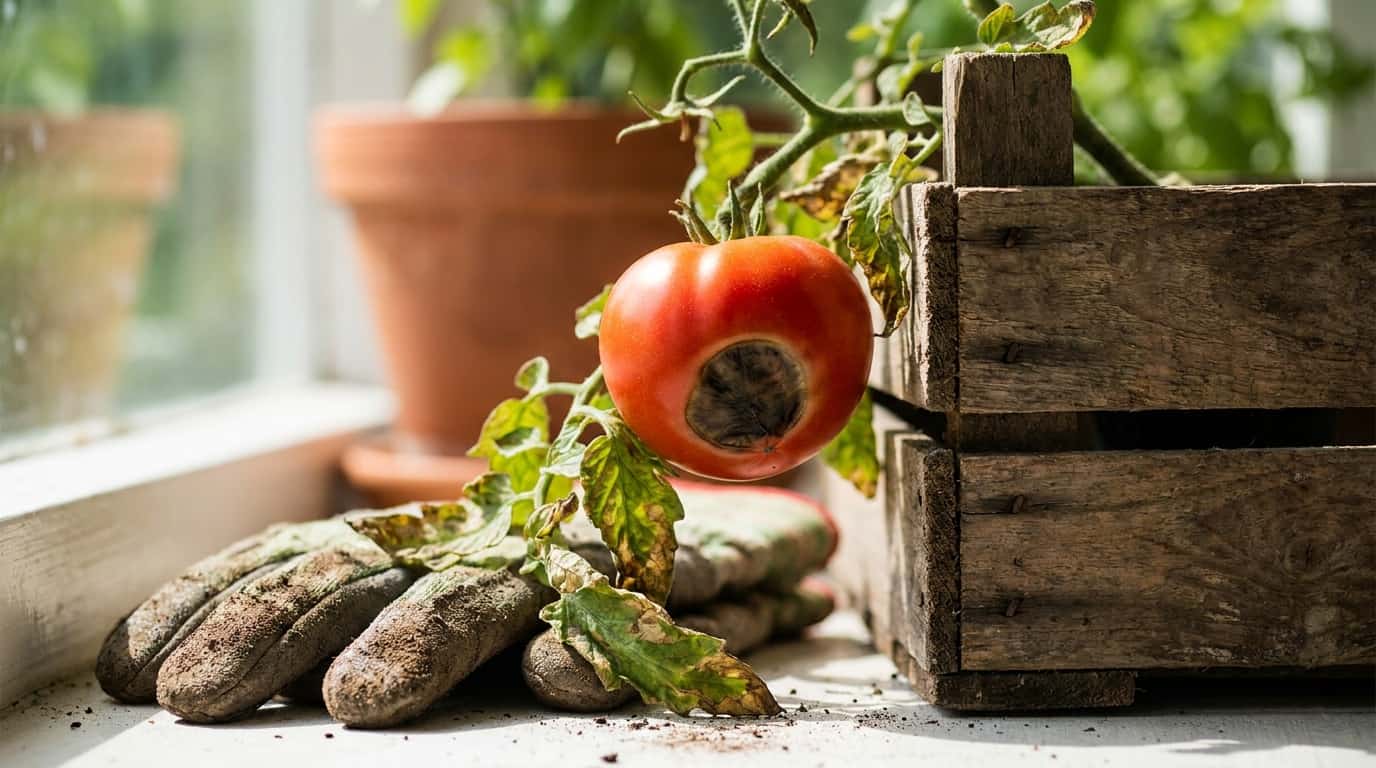 AI-generated
Blossom end rot: why it happens and how to fix it
Blossom end rot is a calcium-delivery problem driven by uneven watering, not a soil calcium shortage. Fix the moisture and the rot stops.
Read guide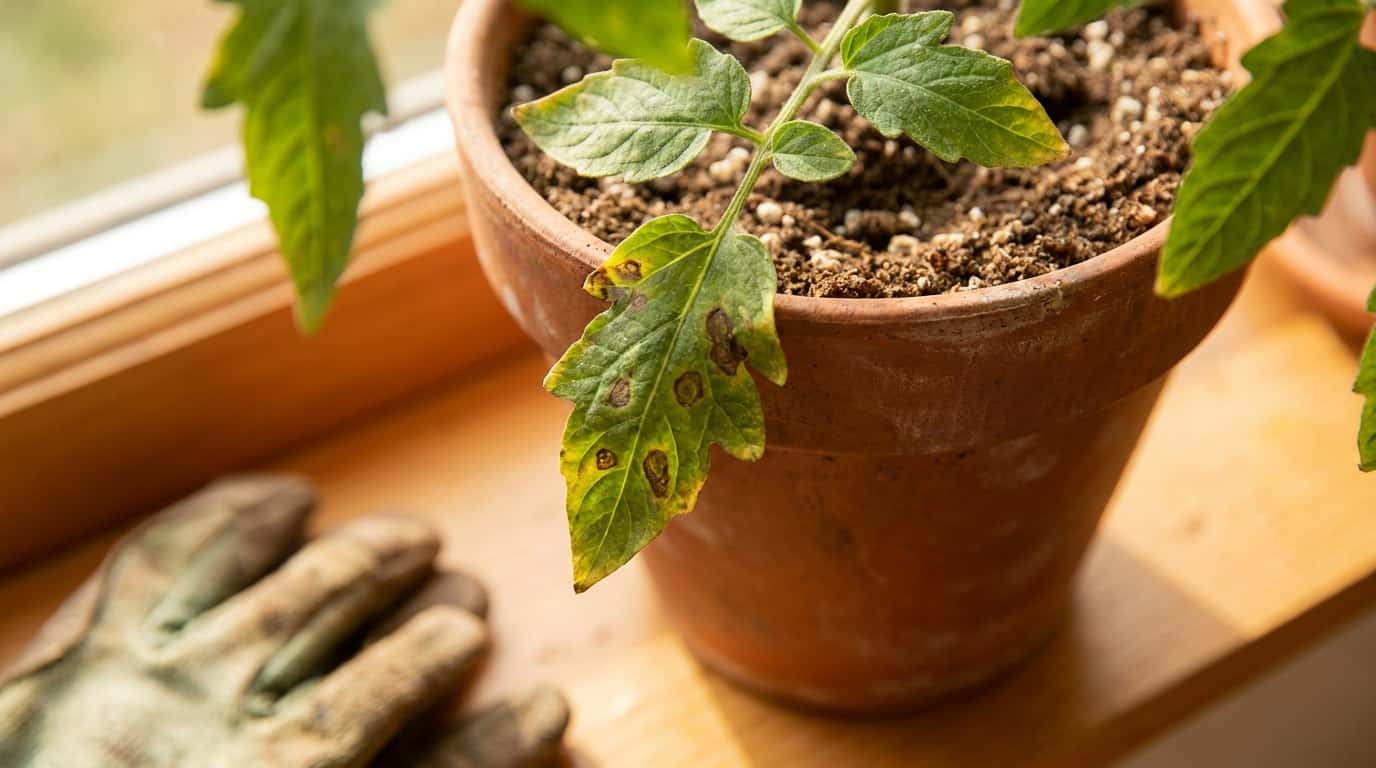 AI-generated
Bolting: why crops flower early and how to prevent it
Bolting is when crops flower and go to seed early, triggered by heat, long days, and stress. Prevent it with timing, bolt-resistant varieties, shade, and steady water.
Read guide AI-generated
Growth cracks in tomatoes
Growth cracks in tomatoes are caused by uneven watering, not disease. Fix them with steady moisture, mulch, and consistent timing. Here is exactly how.
Read guideBrowse all 46 guidesComplete topic directory
Insect pests20
- Aphids: how to identify and get rid of them
- Slugs and snails: organic control that works
- Squash vine borers: prevention and rescue
- Cabbage maggots: protecting brassica roots
- Cabbage worms and loopers: identification and control
- Colorado potato beetles: organic control
- Corn earworms: protecting your sweet corn
- Cucumber beetles: striped vs. spotted identification and control
- Japanese beetles: how to manage them
- Leaf miners: stopping the tunnels in leaves
- Onion maggots: how to prevent them
- Root knot nematodes: signs and management
- Squash bugs: how to find and stop them
- Stink bugs in the garden: control
- Thrips: damage, detection, and control
- Tomato hornworms: finding and removing them
- Wireworms: protecting roots and tubers
- Cutworms: protecting seedlings from being cut down
- Flea beetles: damage, control, and prevention
- Spider mites: spotting and stopping them
Diseases19
- Damping off: why seedlings collapse and how to prevent it
- Early blight on tomatoes and potatoes
- Powdery mildew: treatment and prevention
- Alternaria leaf spot in the garden
- Anthracnose: managing this fungal disease
- Bacterial spot on tomatoes and peppers
- Bacterial wilt: the cucumber-beetle connection
- Black rot in brassicas
- Clubroot in brassicas: prevention and management
- Downy mildew: how to spot and slow it
- Fusarium vs. Verticillium wilt: diagnosis and management
- Gray mold (botrytis): control in the garden
- Late blight: the fast-moving tomato and potato disease
- Mosaic virus: spotting and managing it
- Potato scab: causes and prevention
- Phytophthora root rot
- Aster yellows: the leafhopper-spread disease
- Root rot: causes, rescue, and prevention
- Septoria leaf spot on tomatoes