Growing Guides
Growing Guides
How to actually grow it, paired with your local frost dates and the plant database. The trust layer behind the tools and buying guides.
Companion planting: what actually works
Most companion planting advice is folklore. Here is what the evidence supports: trap crops, pollinator draws, spacing, and the pairings worth your time.
Container gardening for beginners
Container gardening works when you match pot size to the crop, use real potting mix, and water on the right rhythm. Here is how to grow food in pots.
Crop rotation for home gardens
Crop rotation means not planting the same plant family in the same spot two years running, which breaks pest and disease cycles. Here is a simple home-garden plan.
Growing vegetables in shade
You can grow vegetables in shade by choosing leafy greens and herbs over fruiting crops. Here is what grows in part shade and how to make the most of low light.
How much to water a vegetable garden
Most vegetable gardens need about 1 inch of water per week, delivered deeply and infrequently rather than a little daily. Here is how to measure and time it.
How to build healthy garden soil
Build healthy garden soil by feeding the life in it: add compost and organic matter, test before you amend, and protect structure. Here is the order to do it.
How to extend your growing season
Extend your growing season by warming soil earlier in spring and protecting crops later in fall with row covers, cold frames, and small greenhouses.
How to grow arugula
Arugula is one of the fastest salad greens you can grow, ready in about 4 weeks from direct sowing. Succession-sow every 2 to 3 weeks to beat the bolt.
How to grow basil
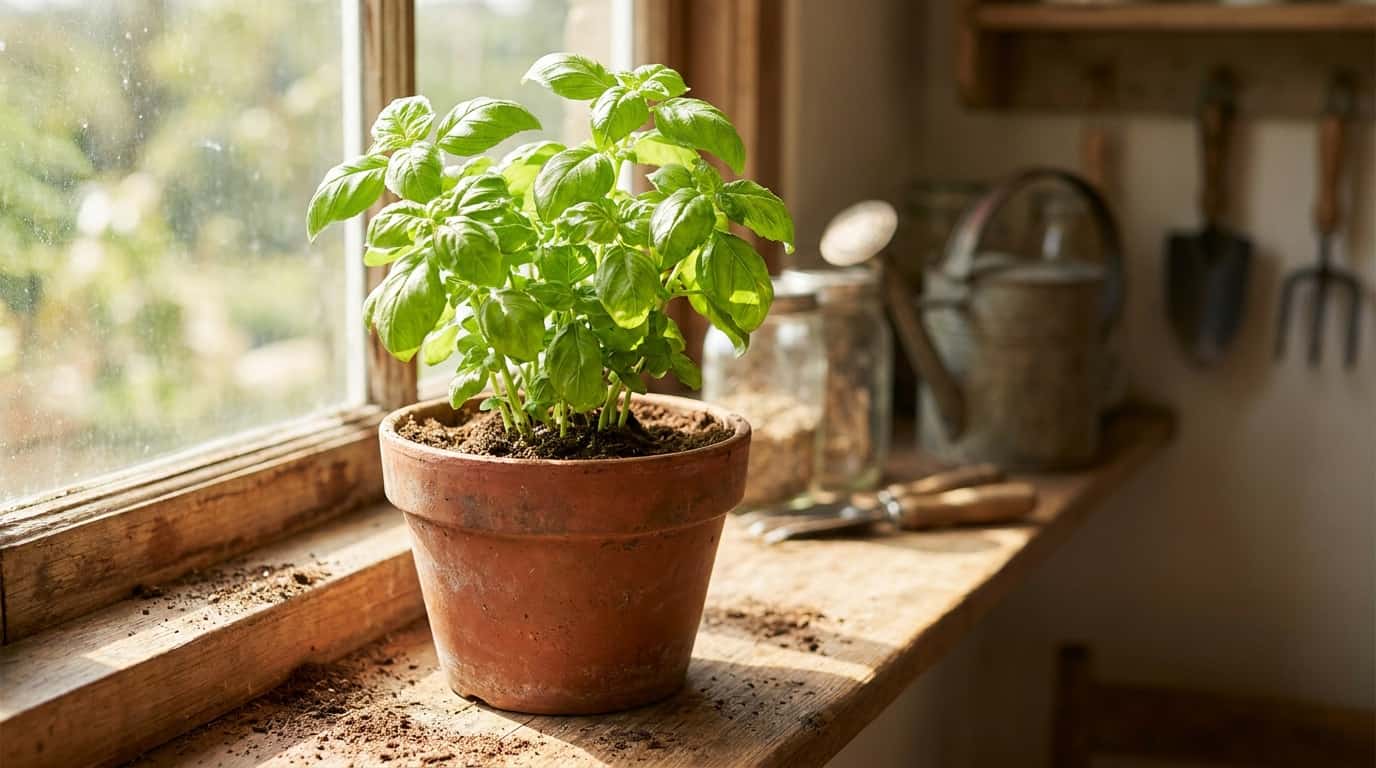
Basil is a warm-season herb that thrives in heat and full sun. Start after last frost, pinch early and often to prevent flowering, and harvest throughout summer.
How to grow beets
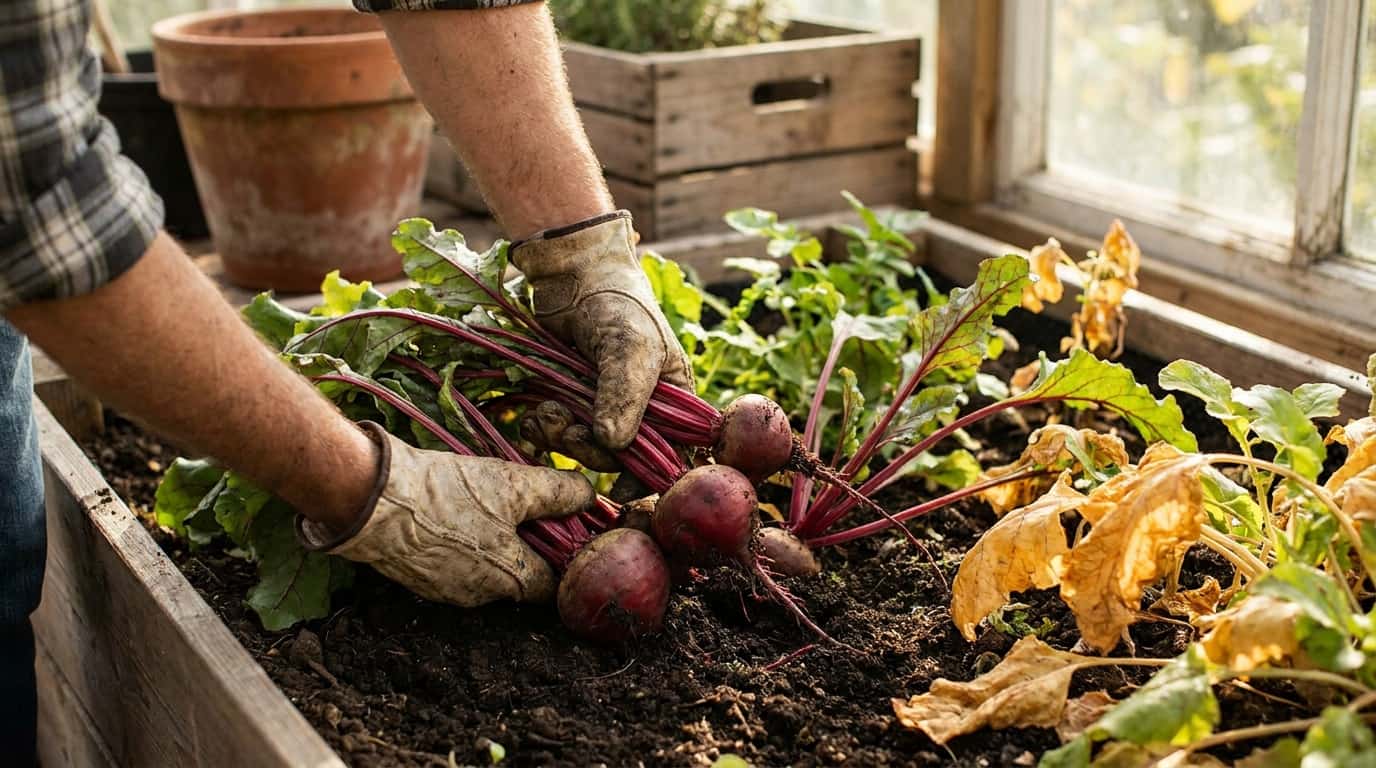
Beets are direct-sown cool-season roots. Thin early, loosen the soil, and harvest before they top 3 inches. Here is everything else you need to know.
How to grow blueberries
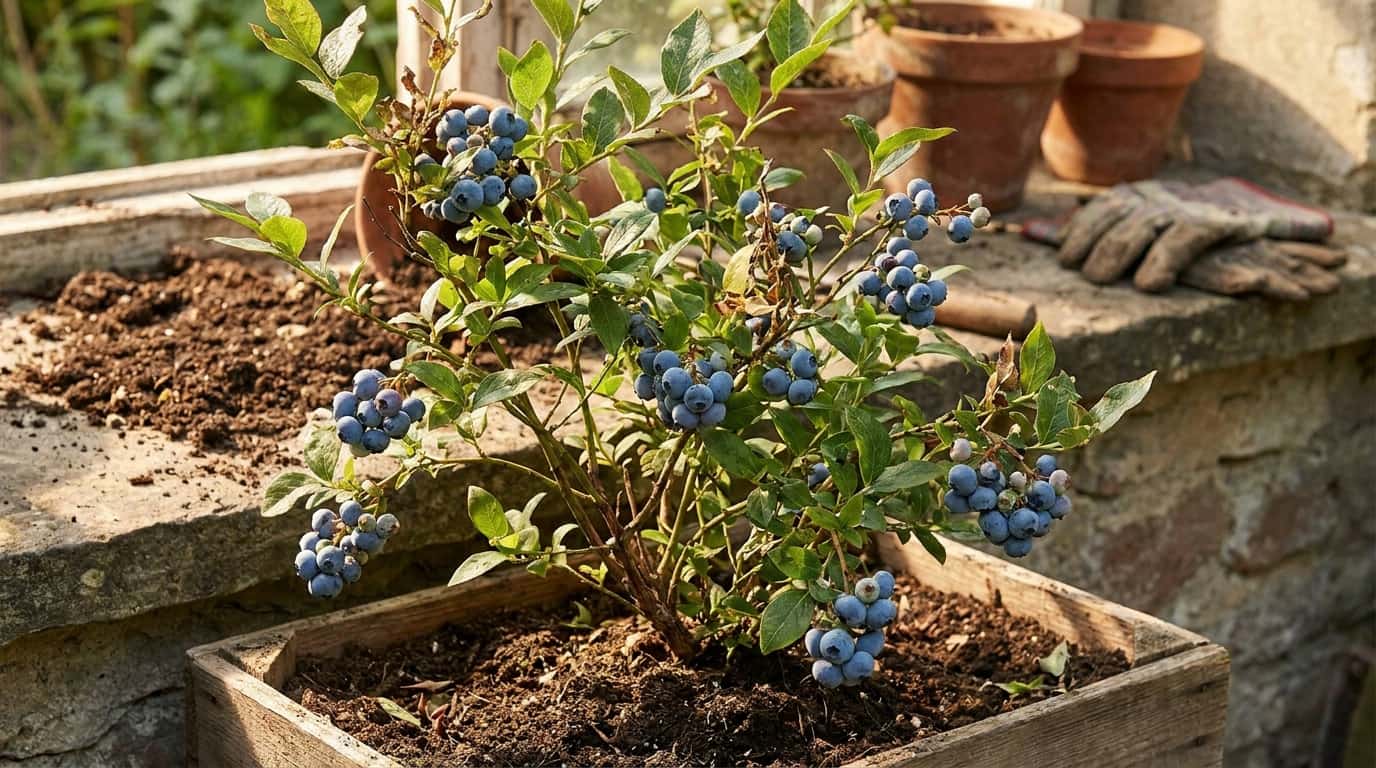
Blueberries demand acidic soil (pH 4.5-5.5) above everything else. Get that right, pick the right variety for your zone, plant two for cross-pollination, and you will harvest for decades.
How to grow broccoli
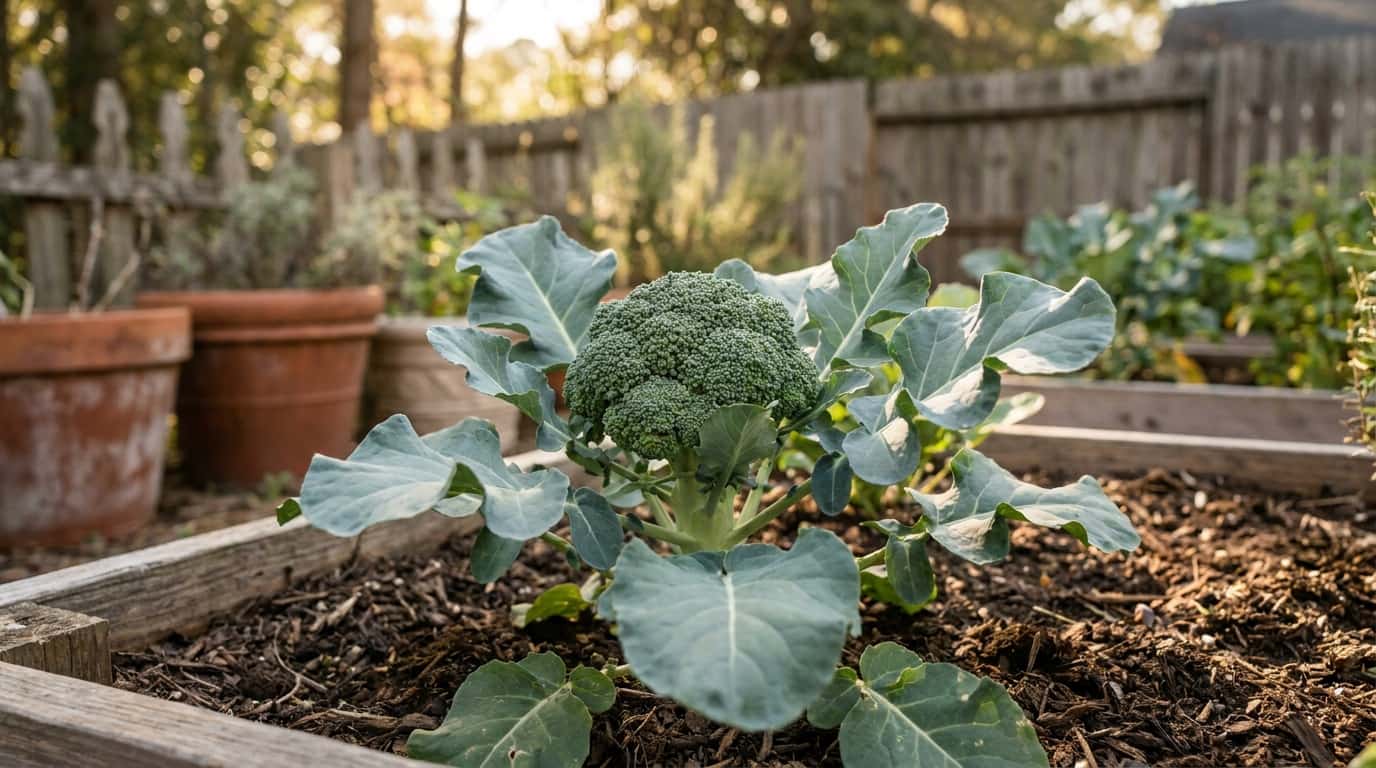
Broccoli is a cool-season crop that needs transplants timed off your frost dates to mature before heat arrives or after it breaks. Here is the complete guide to spring and fall crops.
How to grow Brussels sprouts
Brussels sprouts are a long-season fall crop that forms the best flavor after frost. Sow indoors in June, transplant in July, space 18 inches apart, and plan for 80 to 100 days to harvest.
How to grow cabbage
Cabbage is a cool-season crop that forms best heads when it matures in cool weather. Start transplants 4 to 6 weeks before your last frost date, or plant in midsummer for a fall harvest.
How to grow cantaloupe
Cantaloupe needs warm soil, full sun, and bee pollination. Most varieties mature in 75-90 days. Learn planting, spacing, watering, and the ripeness cues that tell you when to pick.
How to grow carrots
Carrots want loose, deep, stone-free soil and patience during germination. Thin to 2 to 4 inches apart, keep moisture steady, and harvest when roots reach a usable size.
How to grow cauliflower
Cauliflower needs cool temperatures and consistent moisture to form a tight, dense curd. Start transplants in April for spring or in July for fall, and never let the plants dry out.
How to grow celery
Celery is a high-difficulty cool-season crop that needs 10 weeks of indoor starts, constant moisture, rich soil, and 80 to 120 days. Worth knowing before you plant.
How to grow cilantro (and keep it from bolting)
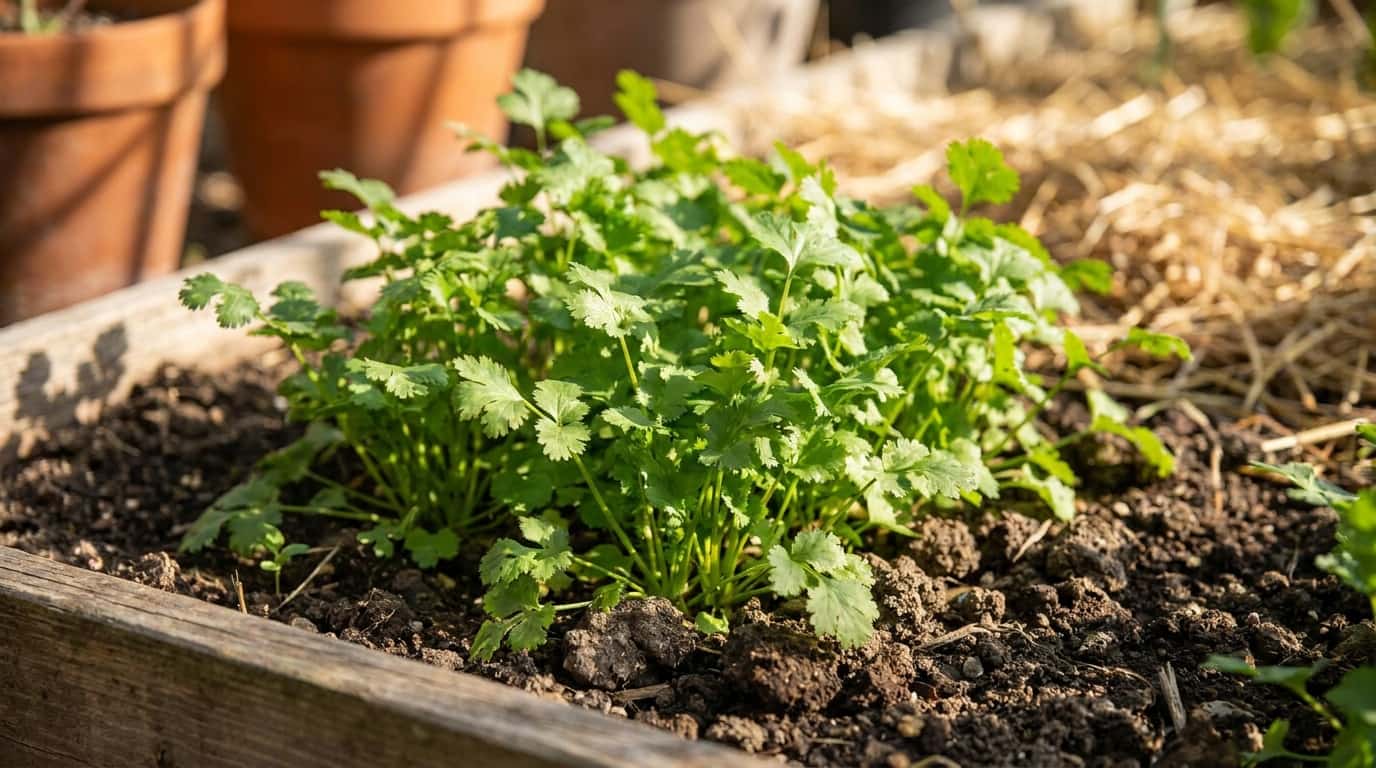
Cilantro thrives in cool weather and direct-sown every 2-3 weeks. Space plants 7-10 inches apart, shade from afternoon heat, and succession-plant for a season-long harvest.
How to grow collards
Collards are one of the most cold and heat tolerant greens you can grow. Direct sow 6-8 weeks before first fall frost, harvest leaves bottom-up, and flavor actually improves after a hard freeze.
How to grow cucumbers
Cucumbers grow fast in warm soil with consistent water. Direct sow after your last frost, give them full sun and something to climb, and harvest before they turn yellow.
How to grow dahlias
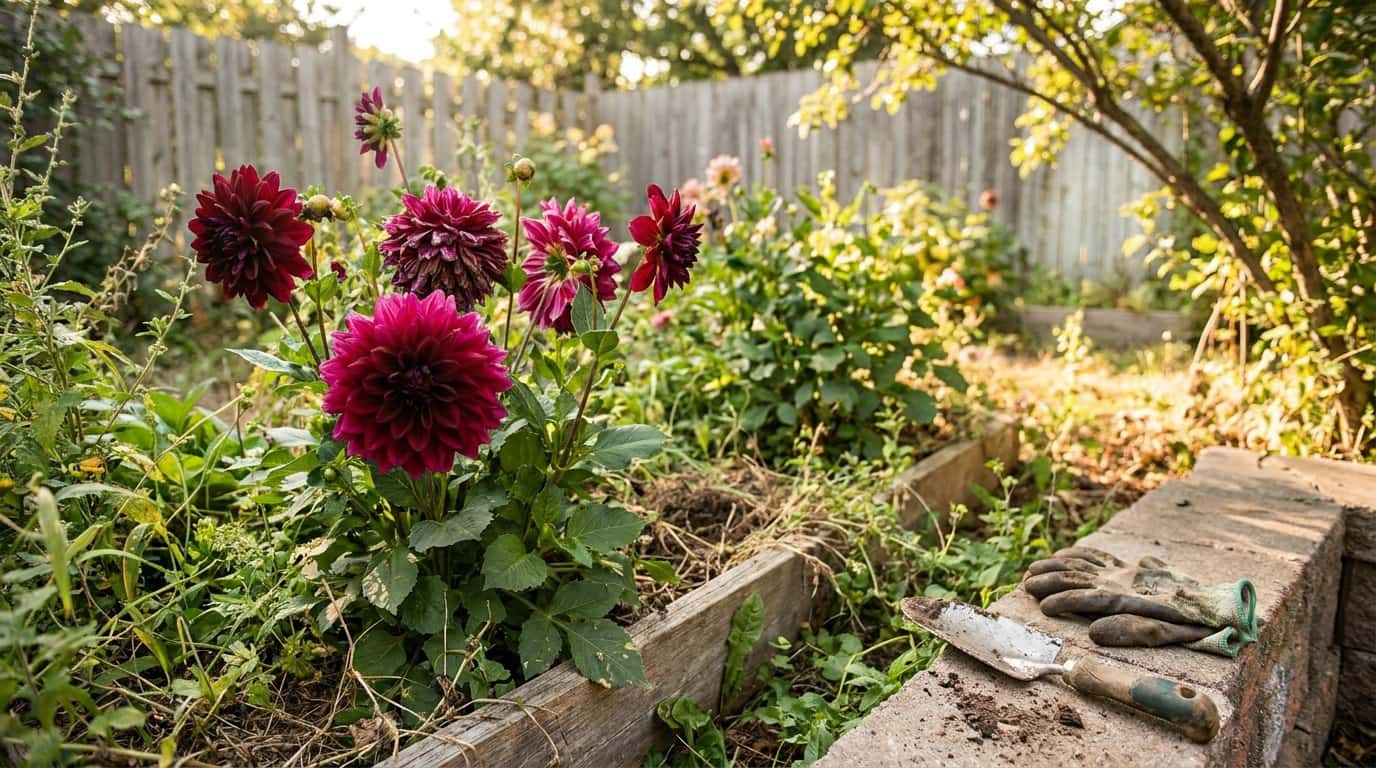
Plant dahlia tubers after your last frost, 4 to 6 inches deep with the eye facing up. Stake at planting, pinch at 12 inches, and dig tubers each fall in cold climates.
How to grow dill: direct sowing, spacing, and harvesting
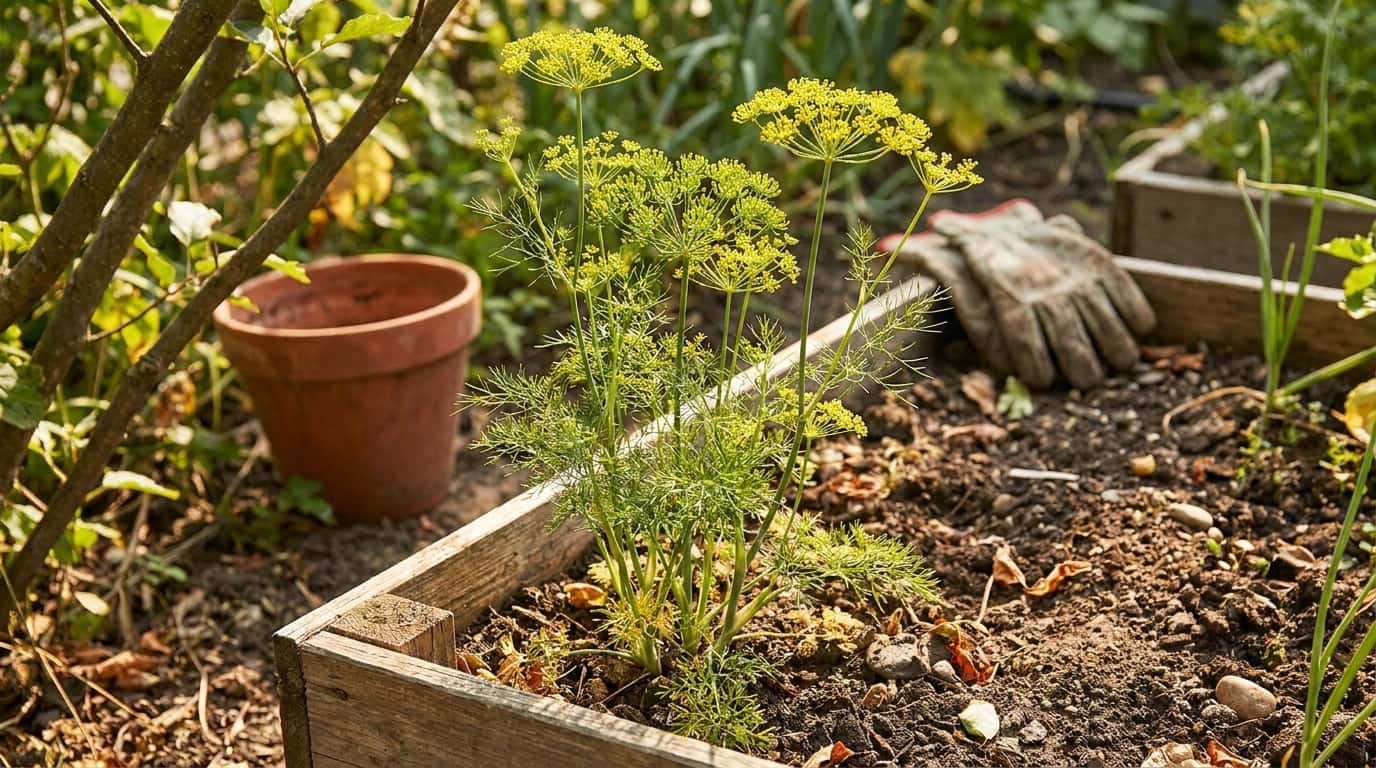
Dill is direct-sown, spaced 10-12 inches apart, and harvested before flowers open. Succession-plant every 2-3 weeks and let a few plants self-seed for a perpetual patch.
How to grow eggplant
Eggplant needs a long head start indoors (8-10 weeks before last frost), warm transplant conditions, and full sun. It thrives in heat and stalls in cool weather.
How to grow green beans
Green beans are warm-season, direct-sown, and fast. Bush types mature in 50 to 60 days with no support needed. Sow after your last frost when soil has warmed to 60 degrees F.
How to grow kale
Kale is the most cold-hardy brassica in the home garden, improves in flavor after frost, and produces leaves for months with cut-and-come-again harvesting. Here is the full growing guide.
How to grow lavender
Lavender needs full sun, alkaline and sharply drained soil, and minimal water. English lavender is hardy to zone 5; French lavender to zone 8 only. Choose the right species for your zone.
How to grow leeks
Leeks need 120 to 150 days, so start seeds indoors in late winter, transplant in early spring, and blanch the shafts by hilling or trench-planting.
How to grow lettuce
Lettuce is a fast, forgiving cool-season crop. Sow it close to your last frost date, keep the soil moist, and harvest before summer heat triggers bolting.
How to grow marigolds
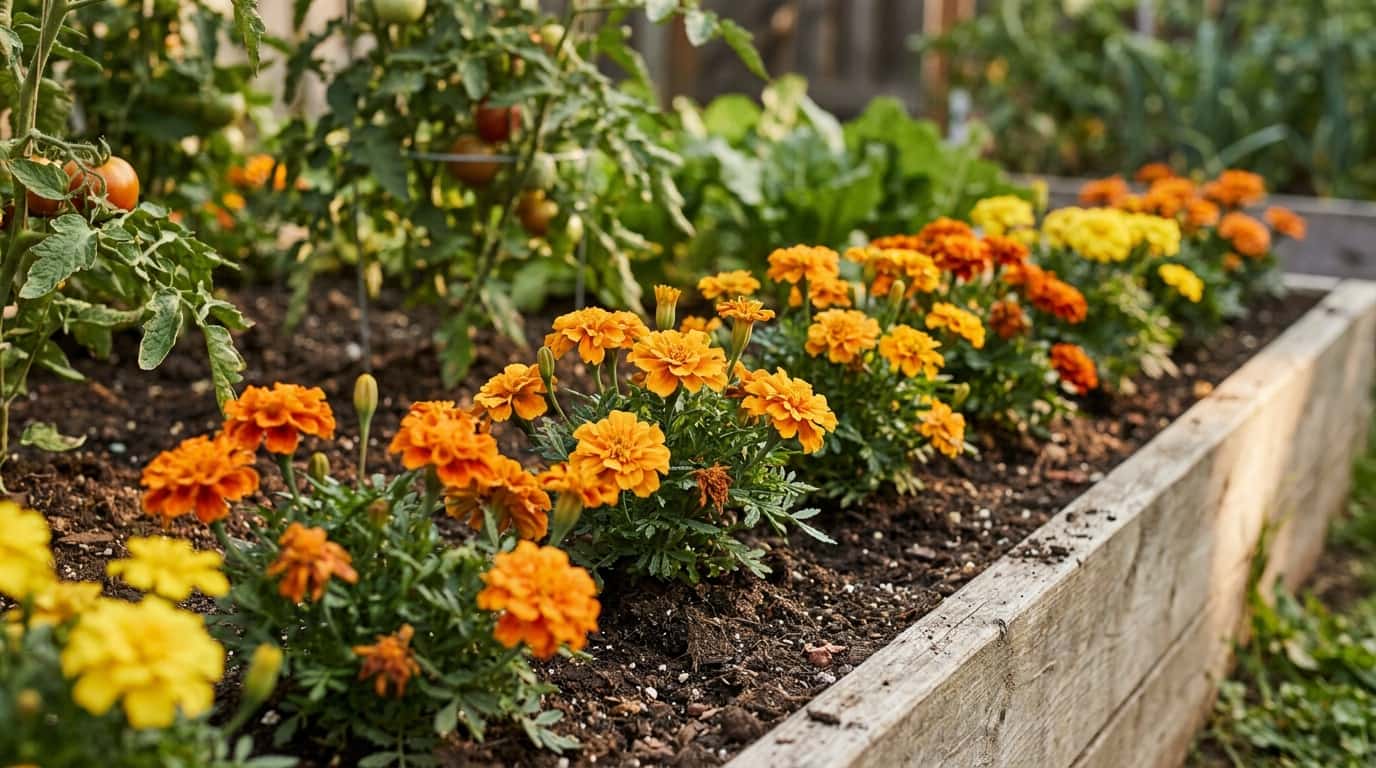
Marigolds are low-maintenance annuals that bloom from late spring until frost. Direct sow after last frost or start seeds indoors 10 weeks early.
How to grow mint: containment, harvesting, and keeping it in bounds
Mint spreads aggressively via underground runners. Grow it in a container 12-16 inches in diameter or use a buried pot method to contain it. Space plants 18 inches apart, harvest regularly for bushy growth.
How to grow okra
Okra thrives in hot summers, direct-sown after the soil hits 65 degrees F. Harvest pods young and it produces from midsummer to frost.
How to grow onions
Growing onions starts with picking the right day-length type for your latitude. Here is the complete guide: variety selection, transplants vs sets, spacing, feeding, and harvest timing.
How to grow parsley: the slow germinator worth the wait
Parsley germinates in 2-5 weeks but rewards patient gardeners with a full season of harvest. Space 10-12 inches apart, start from seed indoors 6-8 weeks before last frost, and harvest outer stalks first.
How to grow peas
Peas are a frost-hardy cool-season crop. Sow directly as soon as the ground thaws, 6 inches apart, and harvest before summer heat arrives. Most varieties mature in 60 to 70 days.
How to grow peppers
Peppers need warm soil, consistent moisture, and patience. Plant after your last frost once nights stay above 55 degrees F and give them 8+ hours of sun.
How to grow potatoes
Potatoes need certified seed pieces, a frost-timed planting window, and consistent hilling to keep tubers from greening. Here is the full method from planting to curing.
How to grow pumpkins
Pumpkins need space, heat, and time. Start after last frost, give vines room to run, protect pollinators, and cure the harvest properly for months of storage.
How to grow radishes
Radishes are the fastest crop in the vegetable garden, ready in 22 to 30 days from seed. Direct sow, thin to 2 inches, and harvest before they crack or get pithy.
How to grow raspberries
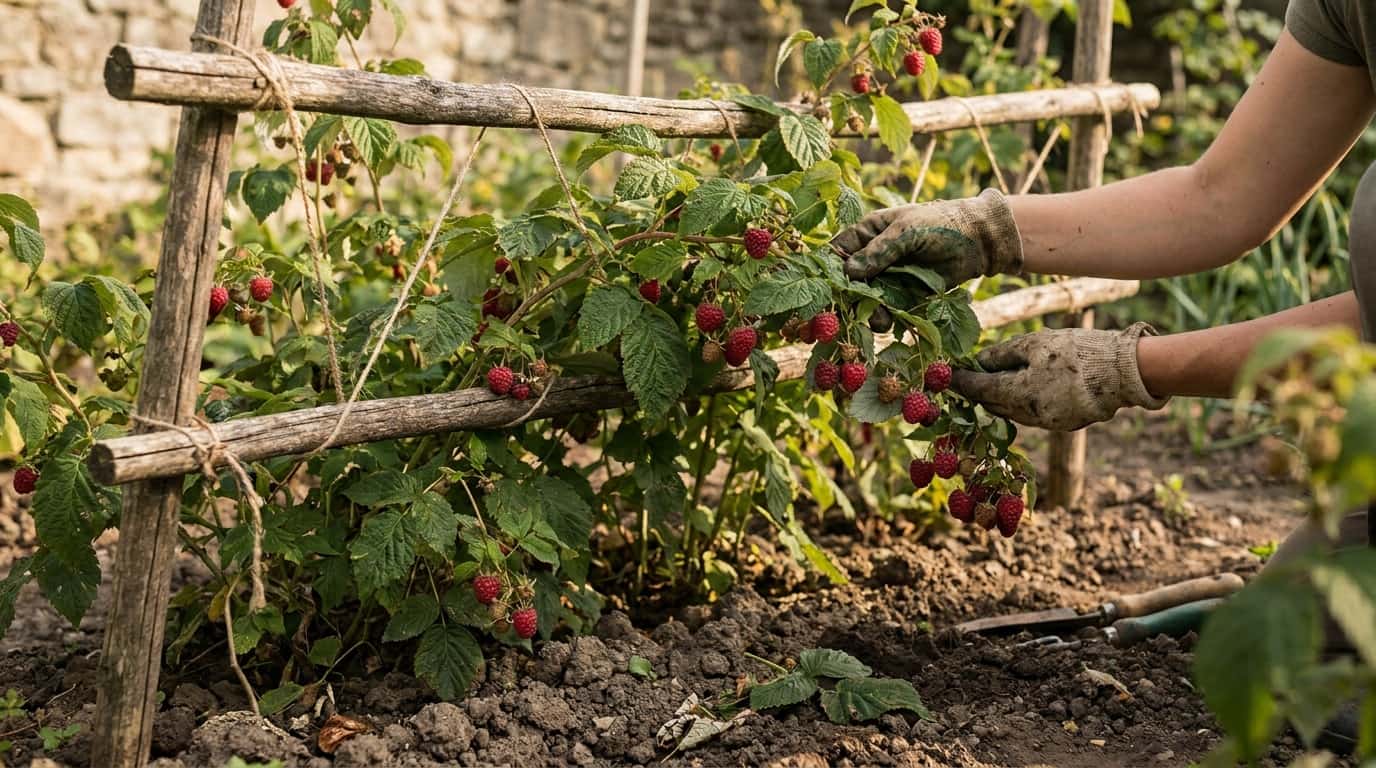
Raspberries are easy once you understand two things: floricane vs. primocane pruning, and why a trellis is not optional. Get those right and the canes will produce reliably for a decade.
How to grow rhubarb
Rhubarb is a cold-hardy perennial that returns every spring for 20+ years. Plant crowns 3-4 feet apart, skip the first-year harvest, never eat the leaves, and it practically takes care of itself.
How to grow rosemary
Rosemary thrives in full sun and lean, well-drained soil. Hardy in zones 7-10 in-ground; grow in pots and overwinter indoors in colder zones. Drought-tolerant once established.
How to grow sage
Sage is a drought-tolerant perennial hardy in zones 5-8. It needs full sun, lean and well-drained soil, and moderate water. Prune in spring to prevent woodiness; harvest lightly the first year.
How to grow spinach
Spinach is a fast cool-season crop that thrives in spring and fall. Time plantings to cool weather, sow direct, keep it moist, and harvest before heat triggers bolting.
How to grow strawberries
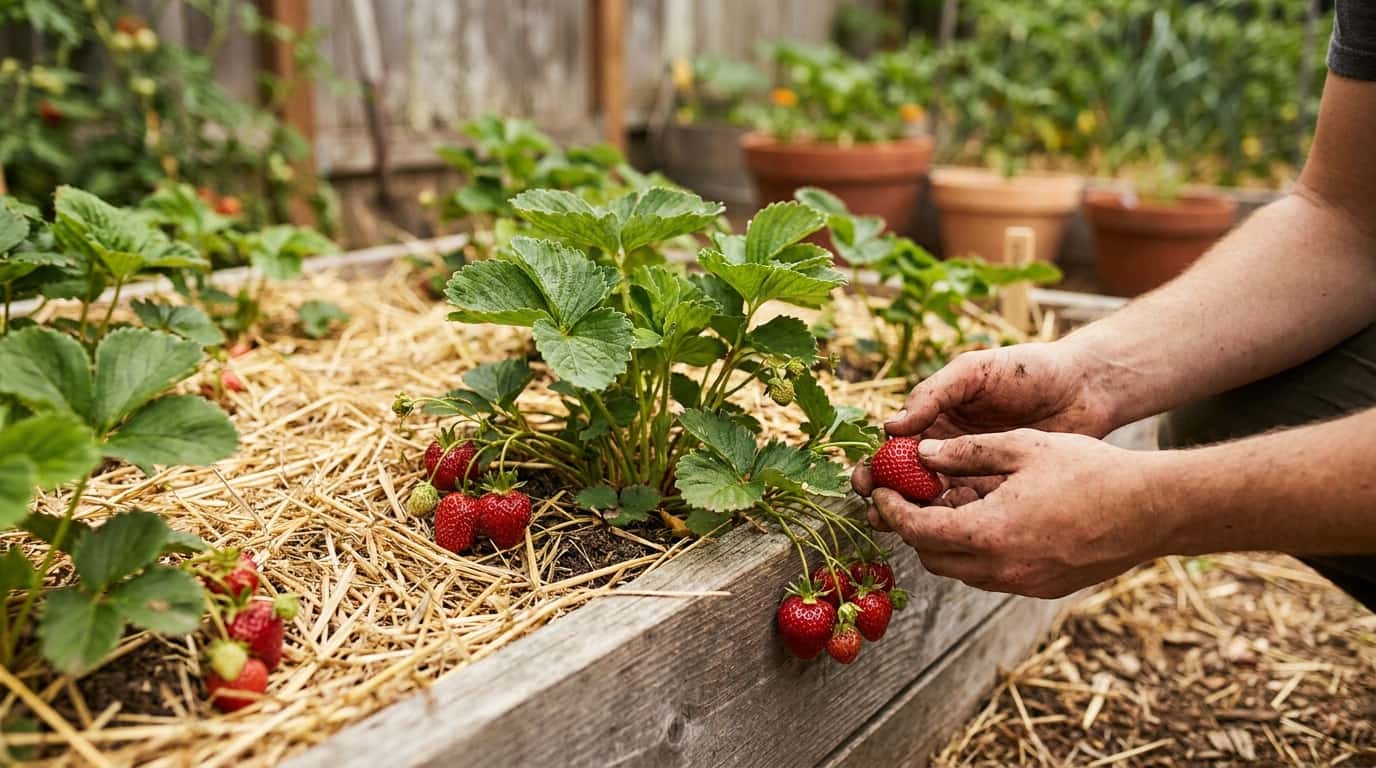
Strawberries split into three types with different harvest patterns. Choose the right type for your goals, plant correctly, and you will have fruit for years from a single planting.
How to grow sunflowers
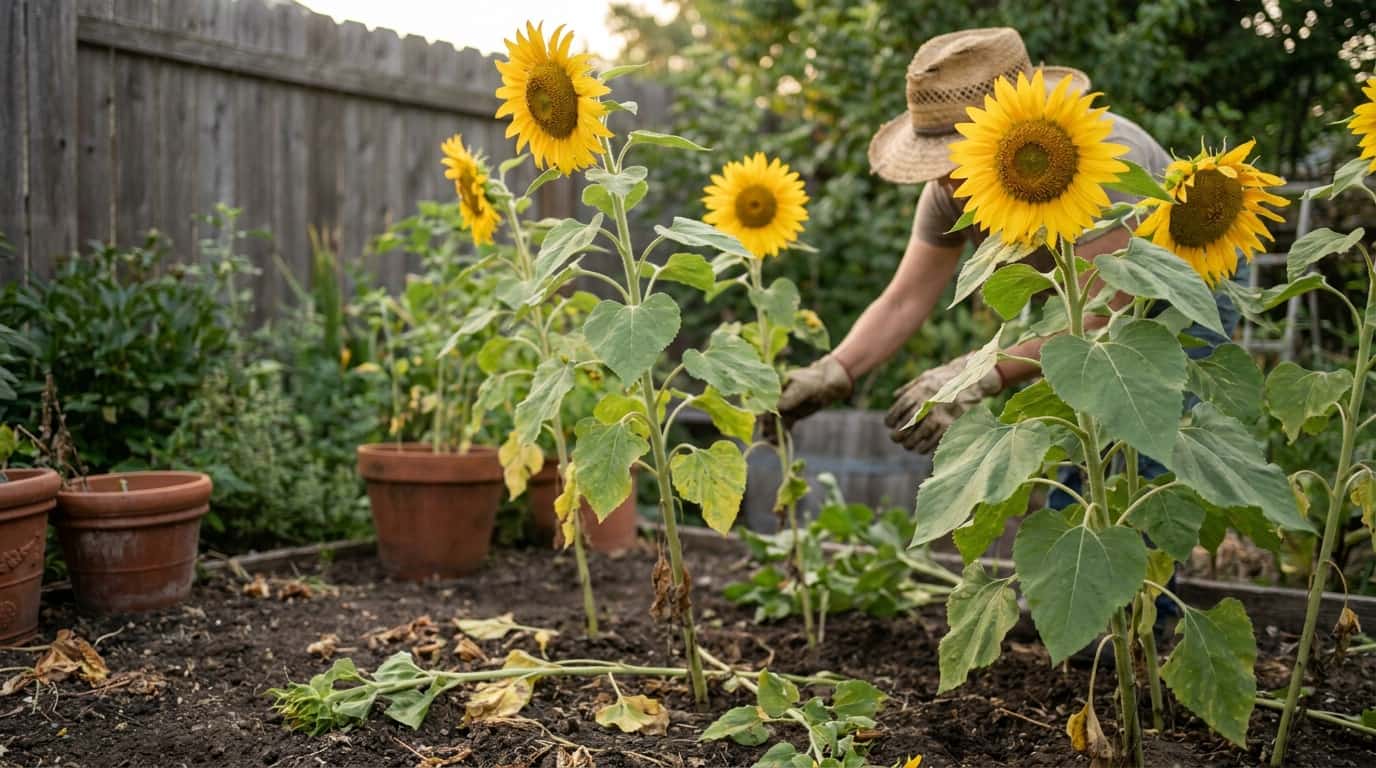
Direct sow sunflowers after your last frost, give them full sun and room to grow, and they will bloom in roughly 60 to 90 days with almost no fuss.
How to grow sweet corn
Sweet corn needs full sun, fertile soil, and block planting for good pollination. Get timing, spacing, and fertility right and you'll harvest in 70-90 days.
How to grow sweet potatoes
Sweet potatoes grow from slips, not seeds, and need warm soil, a long frost-free season, and proper curing after harvest. Here is the full guide.
How to grow Swiss chard
Swiss chard is a cut-and-come-again green that tolerates heat, cold, and most garden conditions. Direct-sow in early spring or late summer and harvest outer leaves continuously for months.
How to grow thyme
Thyme thrives in full sun and lean, well-drained soil in zones 5-9. A true drought-tolerant perennial: water sparingly, avoid rich soil, prune after flowering to keep it vigorous.
How to grow tomatoes
Tomatoes need 8+ hours of sun, consistent watering, and the right timing off your frost date. Here is how to plant, support, feed, and harvest a strong crop.
How to grow turnips
Turnips are a fast cool-season root, direct-sown 4 to 6 weeks before frost. Thin to 4 inches, harvest at 2 to 3 inches, and do not let them overcook in the ground.
How to grow watermelon
Watermelons need a long warm season, plenty of space, and reliable moisture at fruit set. Learn timing, spacing, bee pollination needs, and how to tell when to pick.
How to grow zinnias
Zinnias are fast, heat-loving annuals that bloom in 60 to 70 days from seed and keep producing all summer when you cut them regularly. Direct sow after last frost.
How to grow zucchini
Zucchini is one of the most productive vegetables in a summer garden. Plant after your last frost, give it sun and space, and harvest at 6 to 8 inches before it turns into a log.
How to harden off seedlings
Hardening off means gradually exposing indoor seedlings to outdoor sun and wind over 7 to 14 days before transplanting, so they survive the move. Here is the schedule.
How to lay out a vegetable garden
Lay out a vegetable garden by sun, then spacing, then access. Put tall crops north, group by water needs, leave reachable beds, and rotate families yearly.

How to plant garlic in fall
Plant garlic about one to two weeks after your first fall frost so roots establish before winter. Here is the full timing, spacing, mulch, and harvest plan.
How to start a vegetable garden from scratch
Start a vegetable garden by picking a full-sun spot, building one small bed, and planting a few crops timed to your frost dates. Here is the order.

How to start seeds indoors
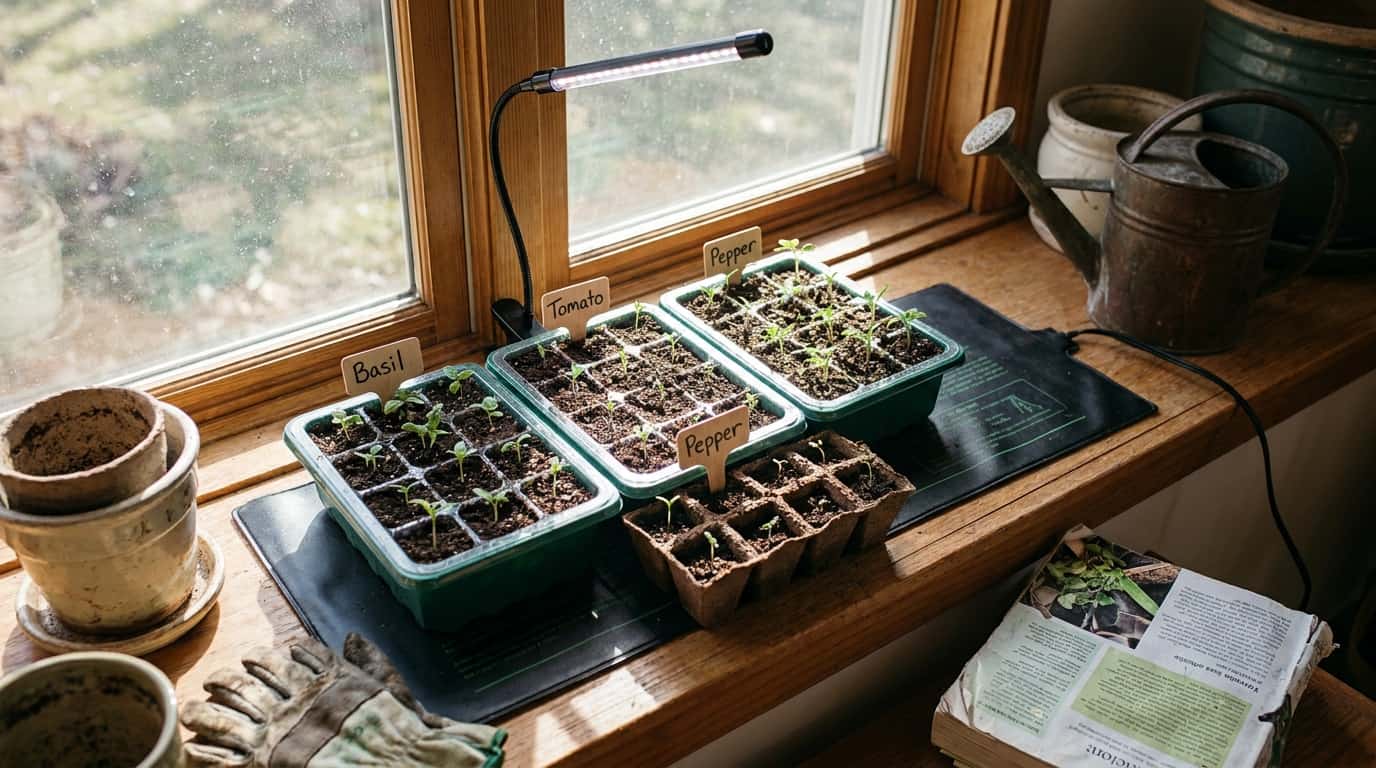
Starting seeds indoors comes down to timing off your last frost, a light mix, strong overhead light, gentle warmth, and a careful hardening off.
How to test your garden soil
Test your garden soil for pH, nutrients, and texture before you amend anything. Here is how to do a DIY check, a jar test, and when a lab test is worth it.
Mulching: what, when, and why
Mulch is a 2 to 4 inch layer over soil that holds moisture, blocks weeds, and moderates temperature. Here is which mulch to use, when to apply it, and how deep.
No-dig gardening for beginners
No-dig gardening builds soil by layering compost on top instead of digging. Here is how to start a no-dig bed, why it works, and how to maintain it.
Organic pest control basics
Organic pest control basics: build healthy soil, encourage beneficial insects, use barriers and hand-picking first, and reach for sprays like neem or soap only as a last resort.
Planting a fall vegetable garden
Plant a fall vegetable garden by counting back from your first frost, sowing cold-hardy crops in late summer, and protecting them as nights cool.

Raised bed gardening for beginners
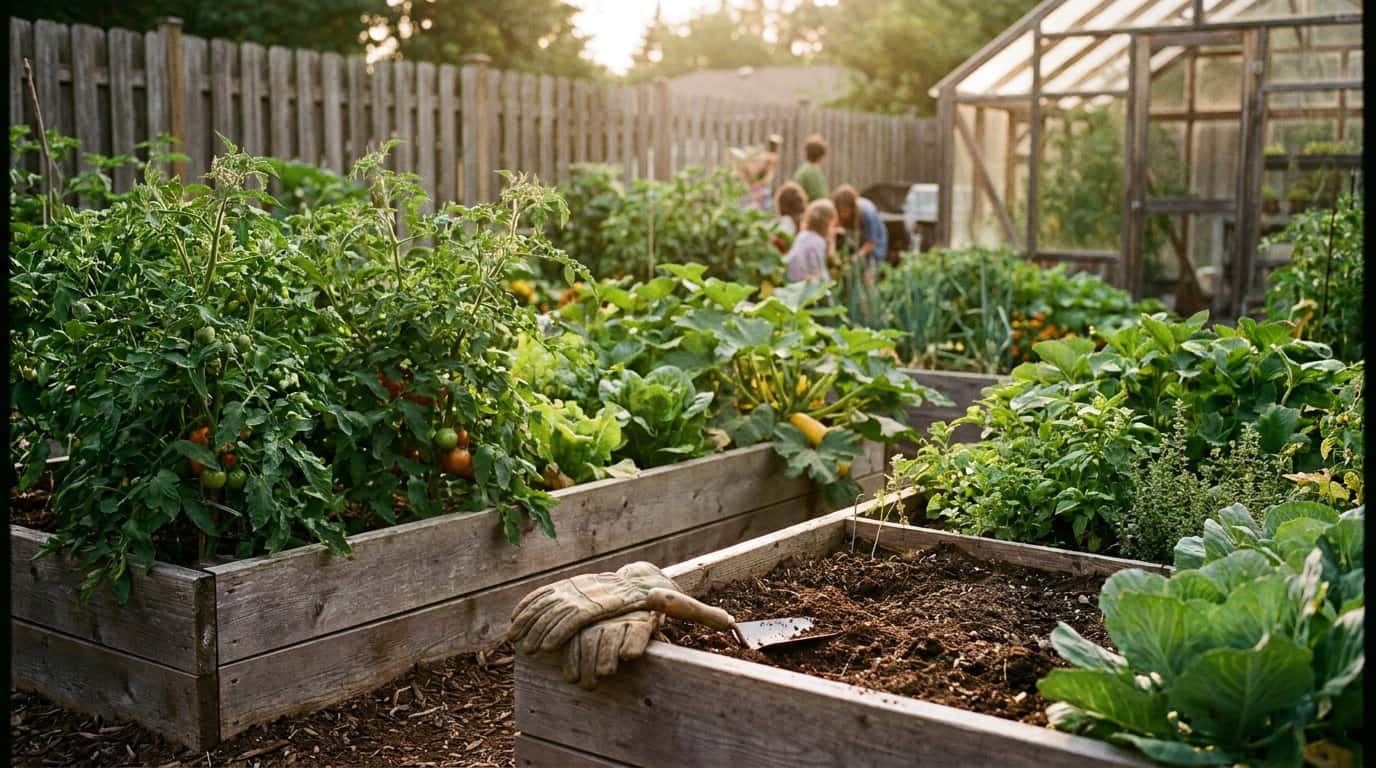
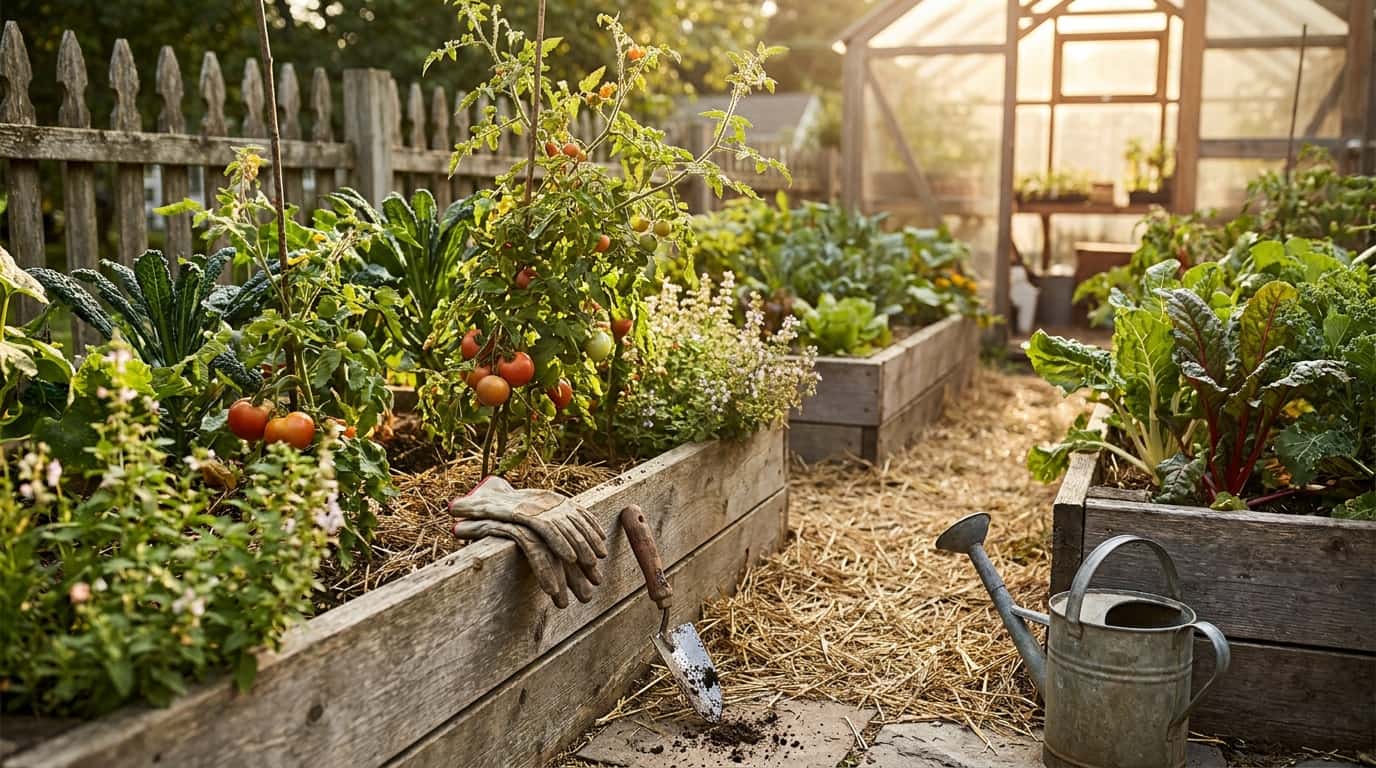
Raised beds give you better soil, drainage, and fewer weeds from day one. Here is how to site, size, fill, and plant your first bed the right way.
Seed saving for beginners
Seed saving for beginners: start with self-pollinating crops like beans, peas, lettuce, and tomatoes, let seeds fully ripen, dry them well, and store them cool and dark.
Succession planting for a longer harvest
Succession planting means sowing the same crop in small batches over time, so you harvest steadily for months instead of all at once. Here is how to plan it.
The best soil mix for raised beds
The best raised bed soil mix is roughly 50% topsoil, 30% compost, and 20% aeration. Here is how to mix it, fill a bed cheaply, and keep it healthy.
The best vegetables for a fall garden
The best vegetables for a fall garden are cold-hardy crops: kale, spinach, lettuce, broccoli, radishes, turnips, collards, and garlic, many sweeter after frost.
The best vegetables for beginners
The best vegetables for beginners are forgiving, fast, and hard to kill: radishes, lettuce, bush beans, zucchini, and cherry tomatoes lead the list.
The best vegetables for containers
The best vegetables for containers are compact, shallow-rooted, and quick: lettuce, herbs, peppers, bush beans, radishes, and patio tomatoes all thrive in pots.
The best vegetables for raised beds
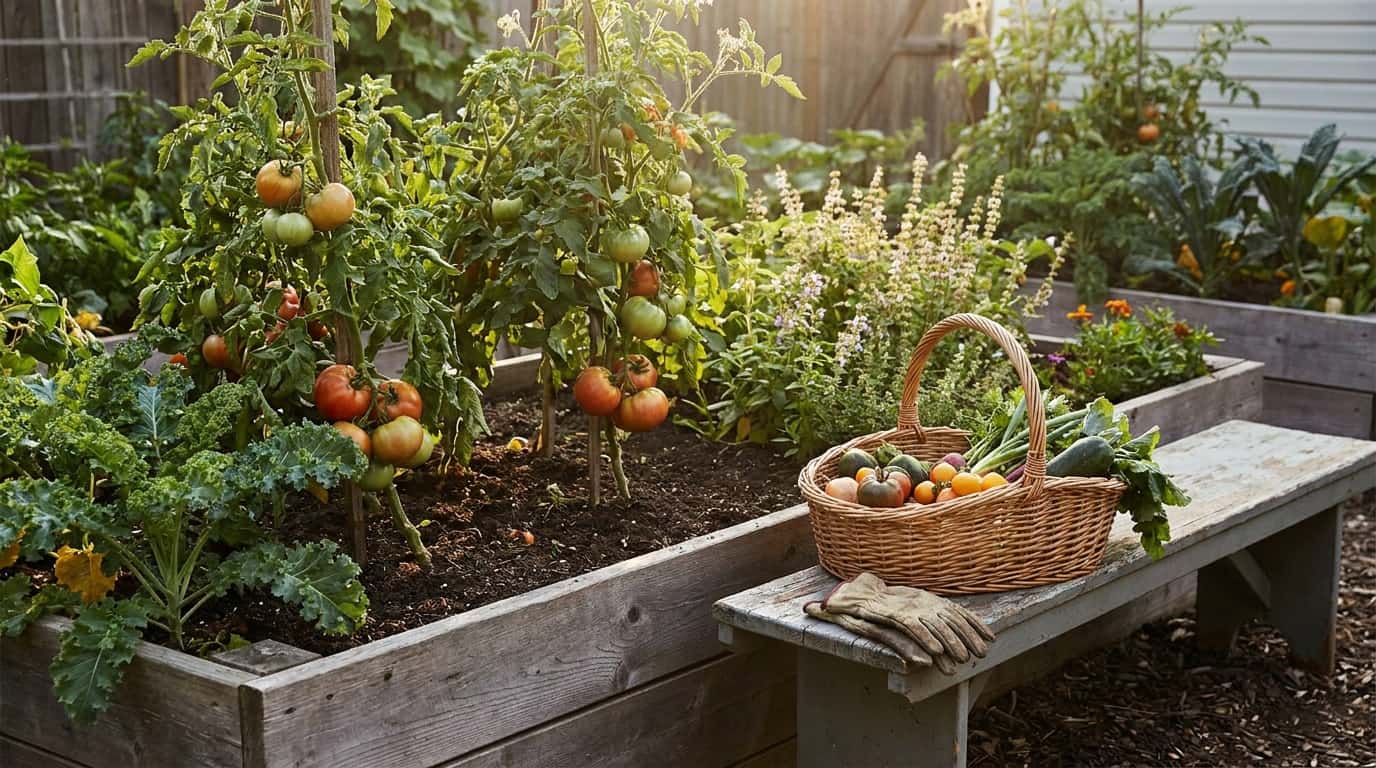
The best vegetables for raised beds are root crops, leafy greens, tomatoes, and brassicas that reward the loose, deep, well-drained soil a bed provides.
The best vegetables for vertical gardening
The best vegetables for vertical gardening are natural climbers: pole beans, peas, cucumbers, trellised tomatoes, and small winter squash that grow up instead of out.
The fastest growing vegetables
The fastest growing vegetables are radishes (3-4 weeks), arugula, lettuce, spinach, scallions, baby turnips, and beet greens, all harvestable in a month or less.