Our recommendations
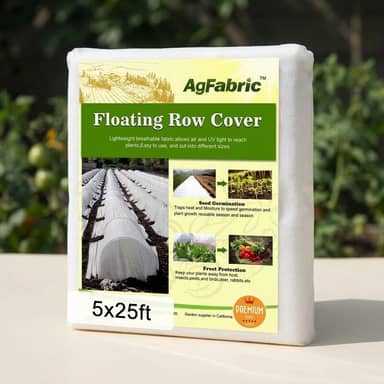
Agfabric 0.9 oz Frost Blanket Floating Row Cover (10 x 50 ft)
Why this pick →
Valibe Plant Covers Freeze Protection Row Cover (10 x 30 ft)
Why this pick →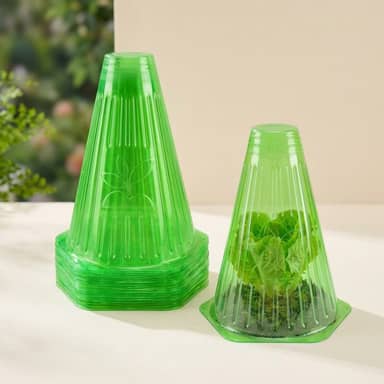
warmfarm Reusable Garden Cloches with Top Hole (8.6 in, 40-Pack)
Why this pick →Frost protection works on a simple principle: the ground holds the day's heat, and a cover traps that radiant warmth around the plant overnight instead of letting it escape to a clear sky. A good frost cover adds a few critical degrees, often enough to carry tender crops through a light frost and stretch your season on both ends. The trick is matching the cover to what you are protecting: a long bed of greens wants a wide breathable blanket, a potted citrus wants a fitted drawstring cover, and a tray of new seedlings wants individual domes.
The number that matters most is fabric weight, measured in GSM (grams per square meter). Heavier fabric protects against more cold but blocks more light, so the right weight depends on whether you are covering for one hard night or leaving the cover on through a cold stretch. Time it all with your local frost dates so you know when to have the covers staged and ready, and use the planting calendar to plan plantings around your frost window.
Best value: Agfabric frost blanket row cover
Best value
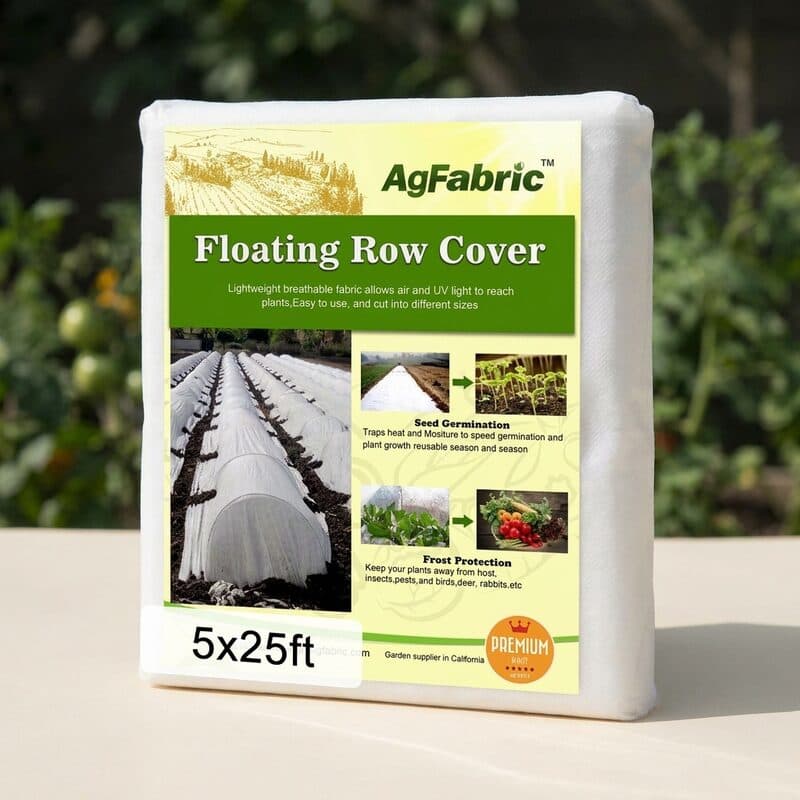
Agfabric 0.9 oz Frost Blanket Floating Row Cover (10 x 50 ft)
Best for: Gardeners who want an affordable, reusable fabric to push the season and shrug off light frosts across a full bed.
Keep in mind: 0.9 oz is a light-frost weight, not enough for a hard freeze
Amazon price as of the checked date, subject to change. The price on Amazon at checkout applies.
Full research
- Size
- 10 ft x 50 ft
- Weight
- 0.9 oz per sq yd
- Material
- UV-stabilized spunbond polypropylene
- Frost protection
- Light frost, a few degrees
Agfabric's 0.9 oz spunbond row cover drapes over a bed to add a few degrees of frost protection while passing light, water, and air, cutting to size and reusing across multiple seasons.
This catalog-wide research score is separate from this guide's use-case ranking. How we research
Strengths
- Adds a few degrees of protection while still passing light, water, and air
- Cuts to any length with scissors and reuses across multiple seasons
- Large 10 x 50 foot roll covers a whole bed run for a low price
Weaknesses
- 0.9 oz is a light-frost weight, not enough for a hard freeze
- Needs hoops, pins, or weights to stay put and avoid crushing tender growth
Sprout Score breakdown
Best for
Gardeners who want an affordable, reusable fabric to push the season and shrug off light frosts across a full bed.
Owner rating snapshot
Amazon · 34 reviews · 4.5 stars
The Agfabric row cover is the best value for covering beds and rows. Its lightweight spun fabric lets light, air, and rain pass through while trapping a few degrees of overnight warmth. You can leave it over a bed through a cold week without removing it every morning to vent or water.
The lighter weights add a modest degree of protection while passing the most light, which suits leaving the cover on living crops; heavier weights of the same fabric protect against harder frosts but should come off sooner so plants get full sun. For a gardener protecting lettuce, spinach, brassicas, or newly set transplants across a bed, this is the most cost-effective tool in the category. Secure the edges with landscape staples, rocks, or soil. An unsecured row cover can blow off on the first windy night and protect nothing.
Best for potted plants: Valibe plant covers

Best for potted plants
Valibe Plant Covers Freeze Protection Row Cover (10 x 30 ft)
Best for: Budget gardeners who want a large, multi-use cover for light frost, bugs, and sun that can be cut to fit several beds.
Keep in mind: Thin fabric is light-frost weight and snags more easily than heavier covers
Amazon price as of the checked date, subject to change. The price on Amazon at checkout applies.
Full research
- Size
- 10 ft x 30 ft
- Material
- Lightweight breathable spunbond
- Frost protection
- Light frost
- Also useful for
- Bug and sun protection
Valibe's 10 x 30 foot breathable plant cover offers low-cost light-frost protection that doubles for bugs and sun, cutting down into smaller pieces to fit individual beds or plants.
This catalog-wide research score is separate from this guide's use-case ranking. How we research
Strengths
- Large 10 x 30 foot cover for one of the lowest prices in the category
- Breathable fabric doubles as bug and sun protection in warmer months
- Cuts down into several smaller pieces for individual plants
Weaknesses
- Thin fabric is light-frost weight and snags more easily than heavier covers
- Needs hoops or weights to stay in place and avoid pressing on tender growth
Sprout Score breakdown
Best for
Budget gardeners who want a large, multi-use cover for light frost, bugs, and sun that can be cut to fit several beds.
The Valibe covers solve a different problem: protecting individual potted plants, shrubs, and small trees rather than a flat bed. Each cover is a fitted fabric bag with a drawstring at the bottom, and that drawstring is what makes it work. Cinching it around the base of the pot or trunk seals in the warmth radiating from the soil and keeps wind from stripping it away, which is the most reliable way to protect a standing plant overnight.
These are ideal for container citrus, potted patio plants, and young shrubs you cannot easily cover with a flat blanket. The fabric is breathable like a row cover, so for short cold snaps you can leave it on, though for extended periods it is best opened on warm days to let the plant breathe and get light. The trade-off versus a row cover is coverage area: these protect individual plants, so for a whole bed the Agfabric is the more economical choice.
Best for seedlings: Warmfarm garden cloches
Alternative Individual cloches
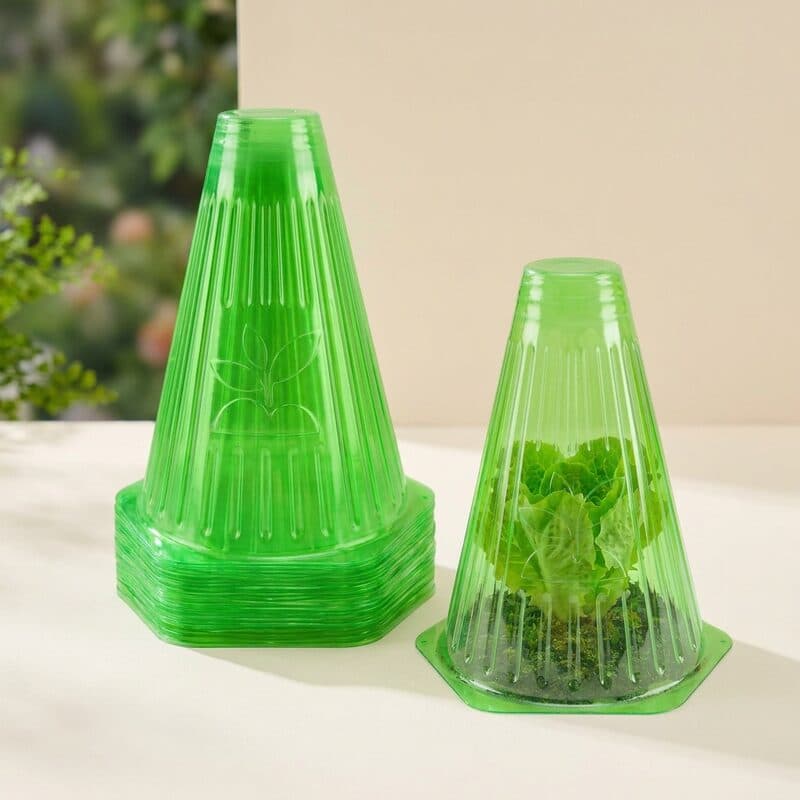
warmfarm Reusable Garden Cloches with Top Hole (8.6 in, 40-Pack)
Best for: Gardeners protecting many individual seedlings or transplants who want an affordable, reusable set of vented cloches.
Keep in mind: 8.6 inch domes are outgrown quickly by fast-growing transplants
Amazon price as of the checked date, subject to change. The price on Amazon at checkout applies.
Full research
- Dome size
- 8.6 in L x 8.6 in W x 6.7 in H
- Pack
- 40 cloches
- Material
- Heavy-duty plastic
- Venting
- Top hole for heat release
warmfarm's 40-pack of vented 8.6 inch cloches creates a warm humid dome over each seedling for earlier transplanting and light-frost protection, with a top hole to release excess heat.
This catalog-wide research score is separate from this guide's use-case ranking. How we research
Strengths
- Warm humid microclimate lets you transplant earlier and ride out a light frost
- Top vent hole releases excess heat so seedlings do not cook on sunny days
- Forty heavier-than-average domes cover a whole bed for under a dollar each
Weaknesses
- 8.6 inch domes are outgrown quickly by fast-growing transplants
- Lightweight domes must be pinned or weighted or they blow off in wind
Sprout Score breakdown
Best for
Gardeners protecting many individual seedlings or transplants who want an affordable, reusable set of vented cloches.
Owner rating snapshot
Amazon · 10 reviews · 4.1 stars
The Warmfarm cloches take the most targeted approach: a 40-pack of clear reusable domes, one per plant. Each dome acts as a tiny individual greenhouse, trapping heat and humidity around a single seedling or transplant while also shielding it from wind, light frost, and pests like cutworms and birds. For protecting newly set-out tomato, pepper, or squash starts during the risky weeks right after transplanting, a cloche over each plant is precise and effective.
Because there are 40 in the pack, you can cover an entire planting of young plants and reuse them season after season. Closed domes can overheat on a sunny day, so open the vent cap or lift them once the sun is up. They also fit only small plants. Once a seedling outgrows its dome, switch to a row cover or blanket.
How to choose a frost blanket or plant cover
Four factors decide which cover fits your situation.
What you are covering. A bed or row calls for a wide breathable blanket like the Agfabric. Individual potted plants and shrubs want a fitted drawstring cover. Single seedlings and transplants are best served by individual cloches. Many gardeners keep more than one type on hand.
Fabric weight (GSM). This is the core spec. Lighter fabric (roughly 0.5 to 0.9 ounce per square yard) adds a smaller degree of protection but passes the most light, so it is right for leaving on living crops. Heavier fabric protects against harder frosts but blocks more light and should come off sooner. Match the weight to how cold it gets and how long the cover stays on.
Degrees of protection. Frost covers add warmth; they do not heat. A typical row cover buys a few degrees over the ambient low, enough for a light frost, while heavier fabric or a sealed cover over warm ground can stretch that further. They are not a substitute for bringing truly tender plants indoors during a hard freeze.
Closure and anchoring. A cover only works if it stays put and seals warmth in. Drawstring covers cinch around the base; row covers must be pinned with staples, rocks, or soil; cloches should be pressed in or staked. An unsecured cover blows off and protects nothing.
| Product | Price | Best for | Buy |
|---|---|---|---|
| Agfabric 0.9 oz Frost Blanket Floating Row Cover (10 x 50 ft)#1 · BEST VALUE | Typical price range · $15–$30 | Gardeners who want an affordable, reusable fabric to push the season and shrug off light frosts across a full bed. | Shop Amazon |
| Valibe Plant Covers Freeze Protection Row Cover (10 x 30 ft)#2 · BEST FOR POTTED PLANTS | Typical price range · $12–$22 | Budget gardeners who want a large, multi-use cover for light frost, bugs, and sun that can be cut to fit several beds. | Shop Amazon |
| warmfarm Reusable Garden Cloches with Top Hole (8.6 in, 40-Pack)Alternative · INDIVIDUAL CLOCHES | Typical price range · $25–$40 | Gardeners protecting many individual seedlings or transplants who want an affordable, reusable set of vented cloches. | Shop Amazon |
Frequently asked questions
How many degrees of frost protection does a frost blanket give?
A typical lightweight row cover adds roughly 2 to 5 degrees of overnight protection over the ambient low, which is enough to carry plants through a light frost. Heavier fabric, or a cover sealed over warm ground, can extend that further. The protection comes from trapping heat radiating up from the soil, so cover before sunset while the ground is still warm to capture the most.
What GSM frost cloth do I need?
It depends on the cold and how long the cover stays on. Lighter weights (around 0.5 to 0.9 ounce per square yard) pass the most light and are best for leaving over living crops during cool stretches. Heavier weights protect against harder frosts but block more light, so use them for single cold nights and remove them so plants get full sun afterward. Check your frost dates to gauge how hard your frosts run.
Can frost blankets touch the plants?
It is better if they do not. The protection comes from the warm-air pocket the cover traps, and any leaf pressed against cold fabric can still frost-bite at that contact point. Use hoops, stakes, or cages to hold a row cover off the foliage. Breathable covers can rest lightly on hardy plants in a pinch, but supporting the cloth always improves the result.
When should I put frost covers on and take them off?
Put them on in the late afternoon or early evening, before sunset, while the ground still holds the day's heat, so the cover traps that warmth overnight. Remove or vent them in the morning once the sun is up so plants get light and the space does not overheat, unless you are using a breathable fabric meant to stay on through a cold stretch.
Are frost cloches reusable?
Yes. Rigid plastic cloches like the Warmfarm domes are designed to be reused for many seasons; rinse and store them when not in use. Fabric row covers and drawstring plant covers are also reusable for several seasons if you secure them carefully and store them dry to prevent mildew and UV breakdown.
Our recommendation
Reach for the Agfabric row cover as your everyday, leave-it-on protection for beds and rows at the best price. Use the Valibe drawstring covers for individual potted plants, shrubs, and small trees that a flat blanket cannot fit. Keep the Warmfarm cloches on hand to shield single seedlings and fresh transplants through their first risky weeks. Then stage them all according to your frost dates so you are covering before the cold arrives, not scrambling after the forecast.