Several green caterpillars attack the cabbage family and gardeners lump them together as cabbage worms. The imported cabbageworm is velvety green and fuzzy, the larva of the common white butterfly you see fluttering over the garden. The cabbage looper is smooth and humps its back into a loop as it crawls. The diamondback moth larva is smaller and wriggles violently when disturbed. All three chew holes in leaves, bore into developing heads, and leave behind dark green pellets of frass that contaminate the harvest.
How to tell them apart, and why it matters less than you think
Identification is satisfying and helps you scout, but the practical controls overlap heavily. The imported cabbageworm is the fuzzy green one that lies along leaf veins; look for the white butterflies as an early warning. The looper gives itself away by its inchworm-style looping crawl. The diamondback larva is the smallest and the squirmiest. For all three, the same exclusion-and-hand-picking-plus-BT toolkit works, so do not let identification slow down your response.
The earliest sign is often the adults: white butterflies for the cabbageworm, brownish moths flushing from the plants at dusk for the looper and diamondback. Eggs are laid singly or in small groups on the leaves.
How to protect brassicas, step by step
The plan
Cover from transplant
Scout leaf undersides
Hand-pick what you find
Use BT for outbreaks
Clean up after harvest
Row cover is the cleanest defense for brassicas
Brassicas are an ideal crop for season-long row cover because they set their edible parts without insect pollination. A floating row cover over hoops from transplant onward keeps the egg-laying butterflies and moths off entirely, which is far easier than fighting caterpillars in a dense head later.
Some links on this page are affiliate links. As an Amazon Associate I earn from qualifying purchases.
Season-long exclusion
Agribon AG-19 Floating Row Cover
Best for: Gardeners who want cheap frost protection and pest exclusion in one fabric.
Keep in mind: Lightweight fabric tears and wears over seasons
Amazon price as of the checked date, subject to change. The price on Amazon at checkout applies.
Full research
- Weight
- 0.55 oz per sq yd
- Frost protection
- Down to roughly 28F
- Light transmission
- About 85%
- Material
- Spun-bonded polypropylene
A lightweight spun-bonded row cover that drapes over crops to add a few degrees of frost protection while still letting in light and water. It doubles as a physical barrier against many insect pests.
This catalog-wide research score is separate from this guide's use-case ranking. How we research
Strengths
- Extends the growing season at both ends
- Excludes many pests without chemicals
- Passes most light and water so it can stay on
Weaknesses
- Lightweight fabric tears and wears over seasons
- Needs hoops or pins to stay put in wind
Sprout Score breakdown
Best for
Gardeners who want cheap frost protection and pest exclusion in one fabric.
Hand-picking and BT for what gets through
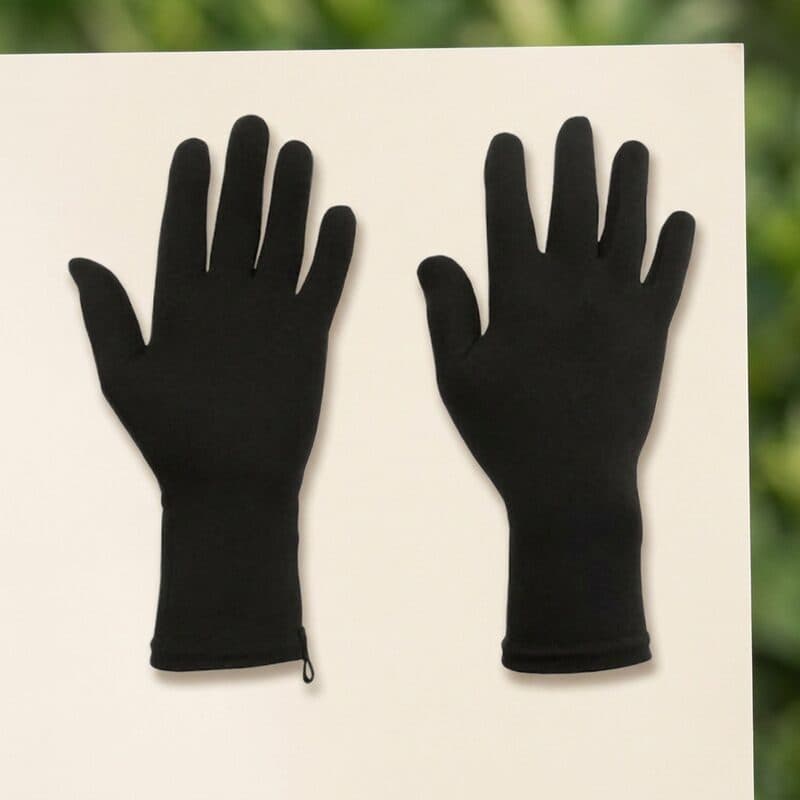
If butterflies got in before you covered, or you are growing uncovered, hand-picking plus a BT spray covers the rest. Gloves keep your hands clean while you part dense leaves and pick caterpillars from the growing points.
For scouting dense heads
Foxgloves Original Gardening Gloves
Best for: Gardeners who want a snug, dexterous glove for detailed work over heavy protection.
Keep in mind: Thin shell is not puncture- or thorn-proof
Amazon price as of the checked date, subject to change. The price on Amazon at checkout applies.
Full research
- Material
- Nylon-spandex blend
- Fit
- Second-skin stretch
- Coverage
- Extended wrist cuff
- Care
- Machine washable
Foxgloves Original gloves use a stretch nylon-spandex shell for a second-skin fit, favored for dexterity and wrist coverage on detailed tasks.
This catalog-wide research score is separate from this guide's use-case ranking. How we research
Strengths
- Second-skin fit preserves fine dexterity
- Extended cuff protects wrists from scrapes
- Machine washable for easy upkeep
Weaknesses
- Thin shell is not puncture- or thorn-proof
- Higher price than basic utility gloves
Sprout Score breakdown
Best for
Gardeners who want a snug, dexterous glove for detailed work over heavy protection.
For pressure beyond what hand-picking can handle, a BT-based biological control is the standard organic option. It is a naturally occurring soil bacterium that only affects caterpillars that eat treated leaves, so it spares bees, ladybugs, and other beneficial insects. Spray the foliage the caterpillars are eating, including leaf undersides, reapply after rain, and apply in the evening to protect pollinators. We are describing the approach generally rather than recommending a specific product.
Which plants get hit, and how to plan
The whole cabbage family is on the menu. Cabbage, broccoli, and cauliflower are favorites, with the caterpillars boring into heads, and kale, collards, and Brussels sprouts are heavily attacked on the leaves. Leafy brassicas tolerate outer-leaf damage well, so focus your effort on protecting the parts you harvest.
Timing helps you stay ahead of the butterflies, which are active through the warm months. Use the planting calendar for your ZIP to schedule spring and fall brassica plantings, and remember that a fall crop maturing in cool weather often faces lighter caterpillar pressure. Knowing your frost dates lets you time that fall planting so it heads up before hard freezes while dodging peak summer butterfly activity.
What is the difference between a cabbage worm and a cabbage looper?
Both are green caterpillars on brassicas, but they move differently. The imported cabbageworm is velvety and fuzzy and crawls normally, and it is the larva of the white butterfly you see over the garden. The cabbage looper is smooth and arches its back into a loop as it inches along, like an inchworm. A third pest, the diamondback moth larva, is smaller and wriggles when disturbed. The controls are the same for all three.
Can I leave a row cover on cabbage and broccoli all season?
Yes. Brassicas like cabbage, broccoli, kale, and collards do not need insect pollination for the parts you eat, so you can keep the cover on the whole crop. That makes exclusion the most effective single tactic against the caterpillar complex, because it stops the butterflies and moths from ever laying eggs. Just seal the edges so adults cannot get underneath.
Is it safe to eat brassicas treated with BT?
BT-based caterpillar controls are widely used in organic vegetable growing and affect only caterpillars that eat treated foliage, sparing bees and other beneficial insects. Follow the label for timing and any pre-harvest interval, and wash produce well before eating, paying attention to the inner folds of heads where caterpillars and frass hide. For light pressure, hand-picking alone may be all you need.
How do I get caterpillars out of a cabbage or broccoli head?
Prevention beats extraction, so a row cover from transplant is the real answer. If caterpillars are already inside a head, soak the cut head in cold salted or vinegared water for several minutes, which makes hidden caterpillars float out, then rinse well. Inspect the inner folds where they hide along with their dark frass before cooking.
What to do now
The brassica caterpillar complex looks like three problems but responds to one plan. Cover the bed from transplant, which you can do all season because brassicas need no pollination, then hand-pick stragglers and reach for BT only when pressure spikes. Focus on protecting heads and growing points, time your plantings with the calendar to dodge peak butterfly season, and clean up after harvest to keep next year lighter.