Cucumber beetle control starts with two quick decisions: which beetle is present, and whether the plant is still small enough for the feeding to matter. The striped and spotted species overlap on cucurbits, but striped beetles deserve the closest early-season attention because they appear earlier in many northern gardens and are the principal bacterial-wilt concern.
Identify striped and spotted cucumber beetles
Both adults are roughly one-fifth to one-quarter inch long, yellow, and easy to confuse at a glance. The wing-cover pattern settles the identification.
Striped cucumber beetles have three lengthwise black stripes on yellow wing covers, a black head and antennae, and an orange-toned section directly behind the head. Spotted cucumber beetles have twelve distinct black spots on yellow-green wing covers. The spotted species also feeds on corn, beans, and other crops as an adult; its larvae are known as southern corn rootworms and feed below ground.
On cucurbits, both species chew leaves, flowers, stems, and sometimes fruit. Feeding holes alone do not reveal which one is present, so inspect an adult rather than diagnosing from the leaf.
Decide whether the damage needs action
The highest-risk window runs from emergence through the first three true leaves. A small plant has little foliage to spare, and heavy feeding can strip it faster than it can replace tissue. Cucumbers and melons need continued attention because bacterial wilt can kill an established vine even when direct chewing is modest.
Squash and pumpkins become more tolerant after they have four or more leaves. A few beetles and scattered holes on a vigorous older plant usually call for monitoring and hand removal, not an escalating treatment program. Late-season flower feeding often looks worse than its effect on yield.
Control cucumber beetles in the right order
Protect cucurbits from cucumber beetles
Cover young plants
Scout every few days
Remove cover at flowering
Hand-pick cool beetles
Remove persistently wilted vines
Clean the bed after harvest
Use row cover during the vulnerable window
Floating row cover is most valuable before flowering. It creates a physical barrier while seedlings are small and while an infectious beetle bite can have the greatest consequence.
Some links on this page are affiliate links. As an Amazon Associate I earn from qualifying purchases.
Early-season exclusion
Agribon AG-19 Floating Row Cover
Best for: Gardeners who want cheap frost protection and pest exclusion in one fabric.
Keep in mind: Lightweight fabric tears and wears over seasons
Amazon price as of the checked date, subject to change. The price on Amazon at checkout applies.
Full research
- Weight
- 0.55 oz per sq yd
- Frost protection
- Down to roughly 28F
- Light transmission
- About 85%
- Material
- Spun-bonded polypropylene
A lightweight spun-bonded row cover that drapes over crops to add a few degrees of frost protection while still letting in light and water. It doubles as a physical barrier against many insect pests.
This catalog-wide research score is separate from this guide's use-case ranking. How we research
Strengths
- Extends the growing season at both ends
- Excludes many pests without chemicals
- Passes most light and water so it can stay on
Weaknesses
- Lightweight fabric tears and wears over seasons
- Needs hoops or pins to stay put in wind
Sprout Score breakdown
Best for
Gardeners who want cheap frost protection and pest exclusion in one fabric.
Hand-pick after uncovering
Inspect the plants in cool morning weather, when beetles move more slowly. Hold a container below the leaf or flower and tap the beetle into soapy water. Gloves help when you are reaching through prickly squash and cucumber stems.
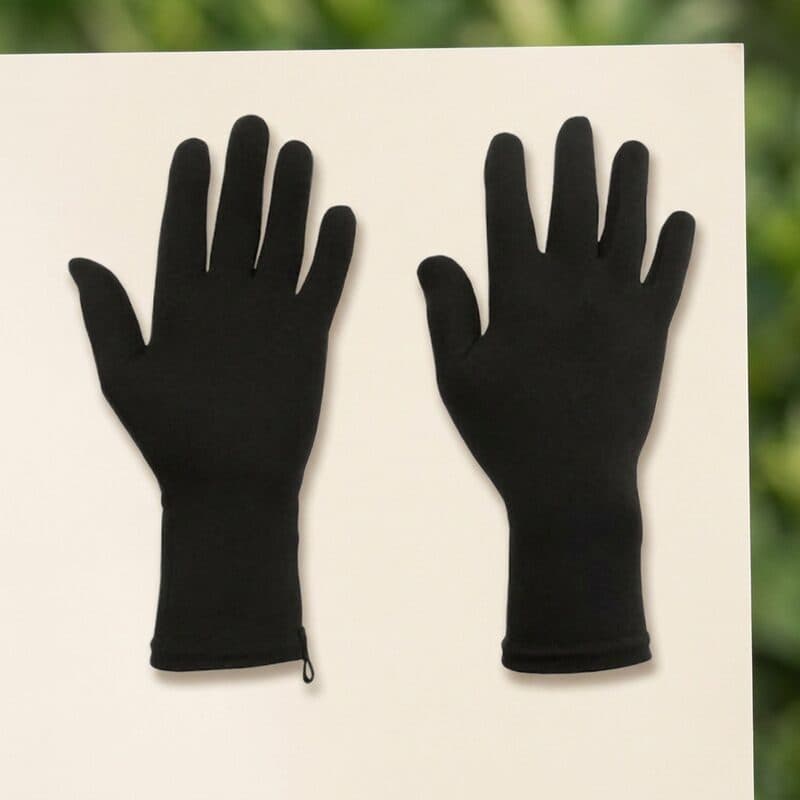
Dexterity for scouting
Foxgloves Original Gardening Gloves
Best for: Gardeners who want a snug, dexterous glove for detailed work over heavy protection.
Keep in mind: Thin shell is not puncture- or thorn-proof
Amazon price as of the checked date, subject to change. The price on Amazon at checkout applies.
Full research
- Material
- Nylon-spandex blend
- Fit
- Second-skin stretch
- Coverage
- Extended wrist cuff
- Care
- Machine washable
Foxgloves Original gloves use a stretch nylon-spandex shell for a second-skin fit, favored for dexterity and wrist coverage on detailed tasks.
This catalog-wide research score is separate from this guide's use-case ranking. How we research
Strengths
- Second-skin fit preserves fine dexterity
- Extended cuff protects wrists from scrapes
- Machine washable for easy upkeep
Weaknesses
- Thin shell is not puncture- or thorn-proof
- Higher price than basic utility gloves
Sprout Score breakdown
Best for
Gardeners who want a snug, dexterous glove for detailed work over heavy protection.
A small trap planting of an attractive cucurbit such as Blue Hubbard squash can draw the first beetle flush away from the main crop. Plant it before the crop you want to protect, then monitor the trap rather than assuming it works unattended.
Recognize the bacterial wilt handoff
Bacterial wilt often begins as daytime wilting that partly recovers overnight. The wilt then spreads and stops responding to water even though the soil is moist. Once bacteria clog the vine's water-conducting tissue, the plant cannot be cured.
Remove a persistently wilted vine and keep beetles from feeding on it before moving to healthy plants. The bacterial wilt guide covers the stem test and the look-alike conditions that should be ruled out.
Use the planting calendar to know when cucurbits emerge or move outdoors in your ZIP. That is the date to have row cover ready, not the date to begin shopping for it.
Crops that need the closest watch
Cucumbers, cantaloupes, and muskmelons combine tender early growth with high bacterial-wilt susceptibility. Zucchini, pumpkins, winter squash, and watermelons also attract beetles, but established squash and pumpkin plants generally tolerate more defoliation than small cucumbers and melons.
Remove volunteer cucurbits and weeds that can feed adults between crops. Rotate the next cucurbit planting away from the previous bed when space permits, especially when row cover will be part of the plan.
What is the difference between striped and spotted cucumber beetles?
Striped cucumber beetles have three black stripes running lengthwise on yellow wing covers. Spotted cucumber beetles have twelve black spots on yellow-green wing covers. Both feed on cucurbits, but striped beetles are usually the more important early-season pest and bacterial-wilt vector in northern gardens.
When are cucumber beetles most damaging?
They are most damaging from emergence through the first three true leaves, when a small plant can be defoliated quickly. Cucumbers and melons remain important to monitor after that stage because feeding can transmit bacterial wilt.
When should row cover come off cucumbers and squash?
Remove row cover when flowering begins so pollinators can reach the blossoms. Before flowering, keep the edges sealed. After uncovering, scout every few days and hand-pick beetles during cool morning weather.
Can a cucumber vine recover from bacterial wilt?
No. A vine with established bacterial wilt cannot be cured because bacteria block its water-conducting tissue. Remove the plant and concentrate on preventing beetles from carrying the bacteria to healthy vines.
What to do now
Tell striped and spotted cucumber beetles apart by their wing pattern, then respond to crop stage rather than to every hole. Cover young plants, uncover for pollination, hand-pick the beetles that remain, and remove persistently wilted vines. Give the closest protection to small plants, cucumbers, and melons, where early feeding and bacterial wilt carry the greatest cost.