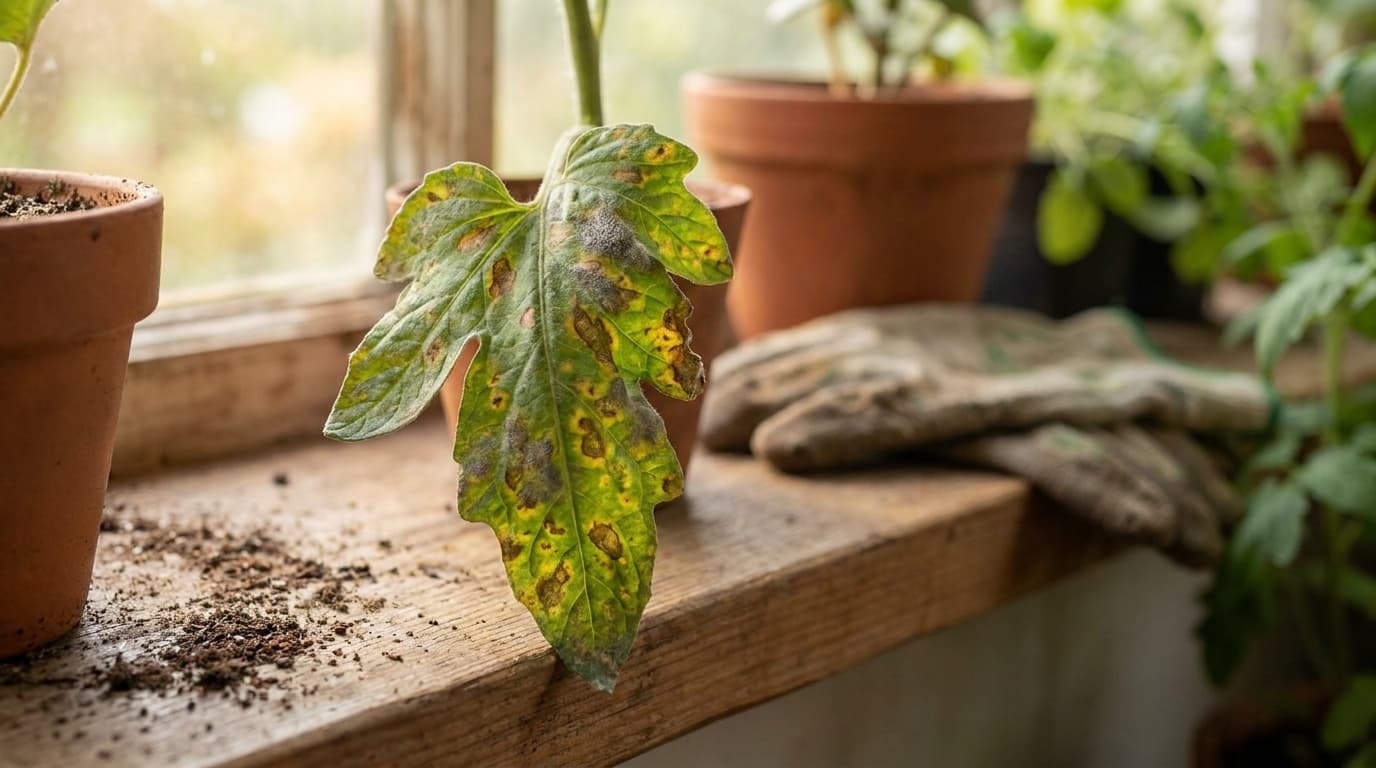
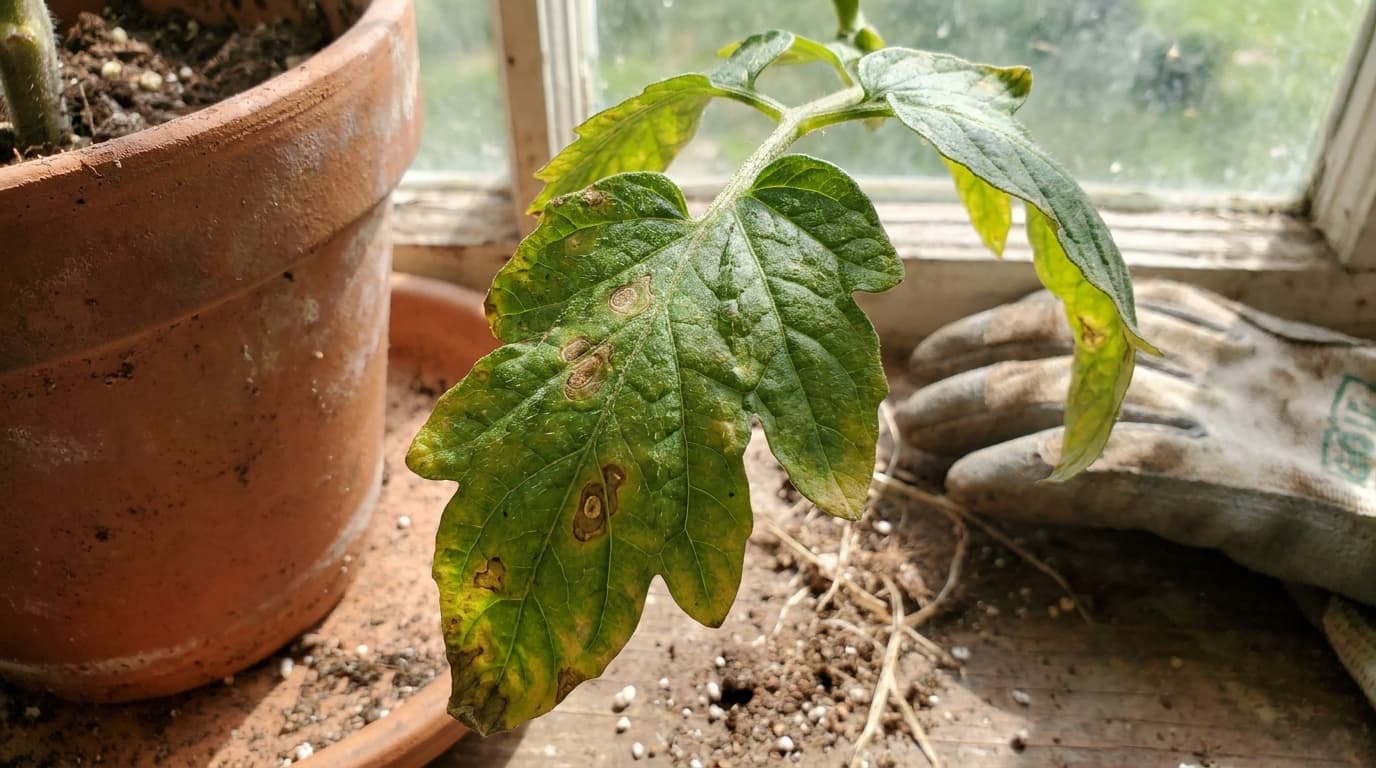
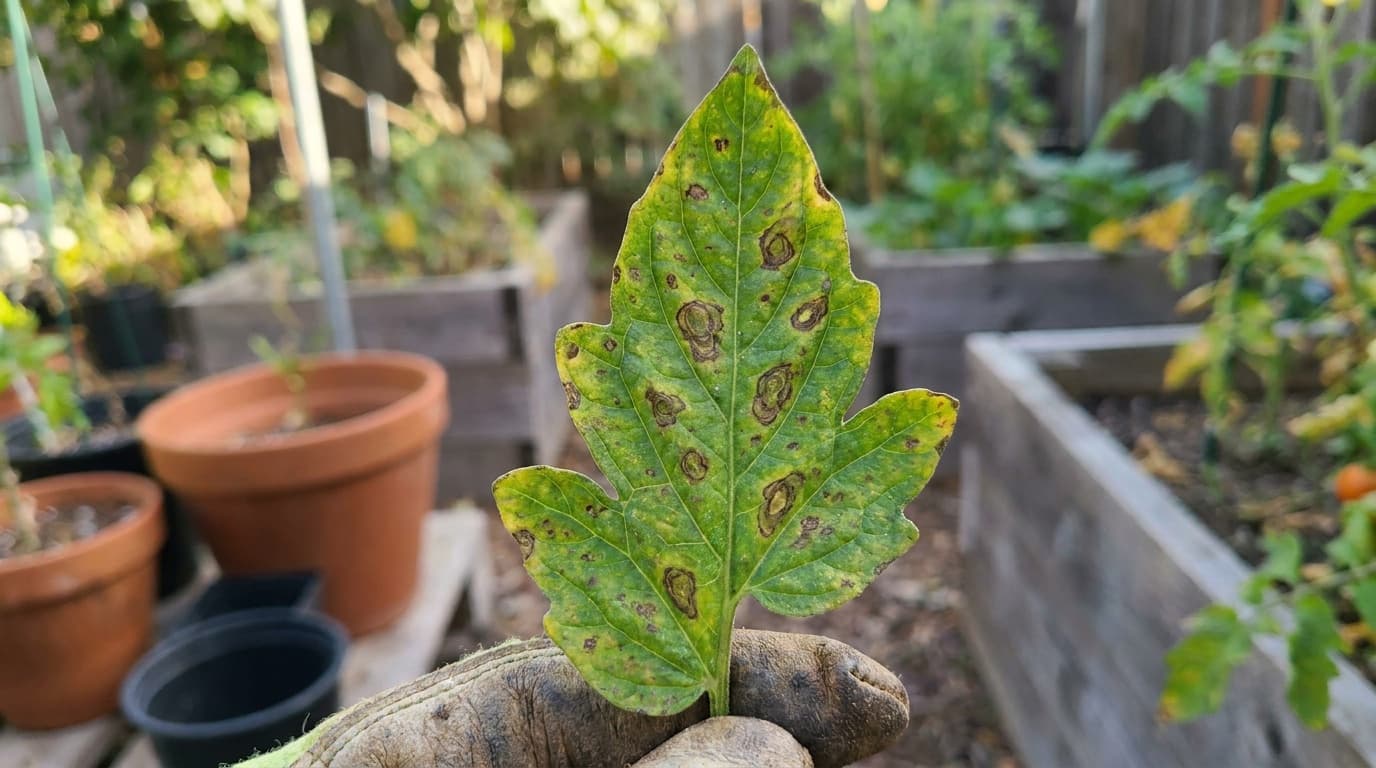
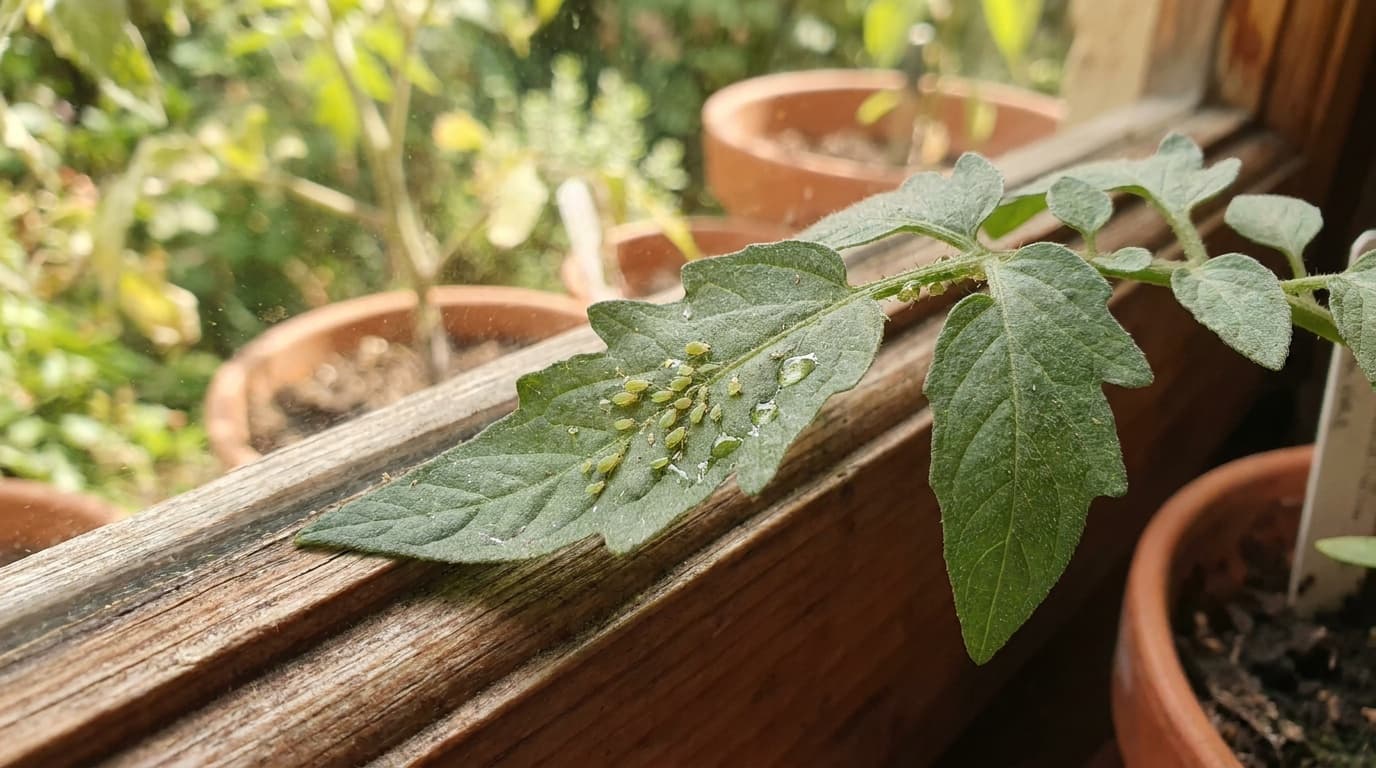
The corn earworm is one of the most common pests of sweet corn, and the same caterpillar attacks tomatoes (as the tomato fruitworm) and other crops. The adult is a tan, night-flying moth that lays single eggs on the fresh, sticky silks of developing corn. The hatching caterpillar crawls down the silk channel into the tip of the ear, where it feeds on the kernels, leaving behind chewed kernels and moist, sawdust-like frass. Color varies from green to brown to nearly black, with light stripes down the body.
Why timing the silk stage is everything
Once the caterpillar is inside the husk, it is protected from sprays and predators, so there is no way to reach it without damaging the ear. That means the entire window for control is the silk stage, the few days between silks emerging and the larva tunneling in. Everything effective happens then: the eggs are laid on the silk, and the young larva must travel down the silk channel to reach the kernels, which is the one moment you can intercept it.
How to protect sweet corn, step by step
The plan
Watch for fresh silk
Treat the silk channel
Choose tight-husk varieties
Time plantings to dodge flights
Pull and destroy infested ears
The oil-and-BT silk treatment
The classic home-garden tactic is to put a few drops of plain vegetable oil into the silk channel at the ear tip a few days after the silks emerge. The oil suffocates eggs and very young larvae and clogs the channel they travel down. Mixing in a BT-based biological caterpillar control adds a stomach action against any larva that begins to feed. Apply once the silks have started to dry slightly, since treating too early can interfere with pollination and leave poorly filled tips.
BT (Bacillus thuringiensis) is the organic control that does the work here, killing the young caterpillar that eats into the treated silk while leaving bees and other beneficials unharmed. A concentrate goes a long way mixed into the oil for the silk channel, and the same bottle handles other garden caterpillars.
Some links on this page are affiliate links. As an Amazon Associate I earn from qualifying purchases.
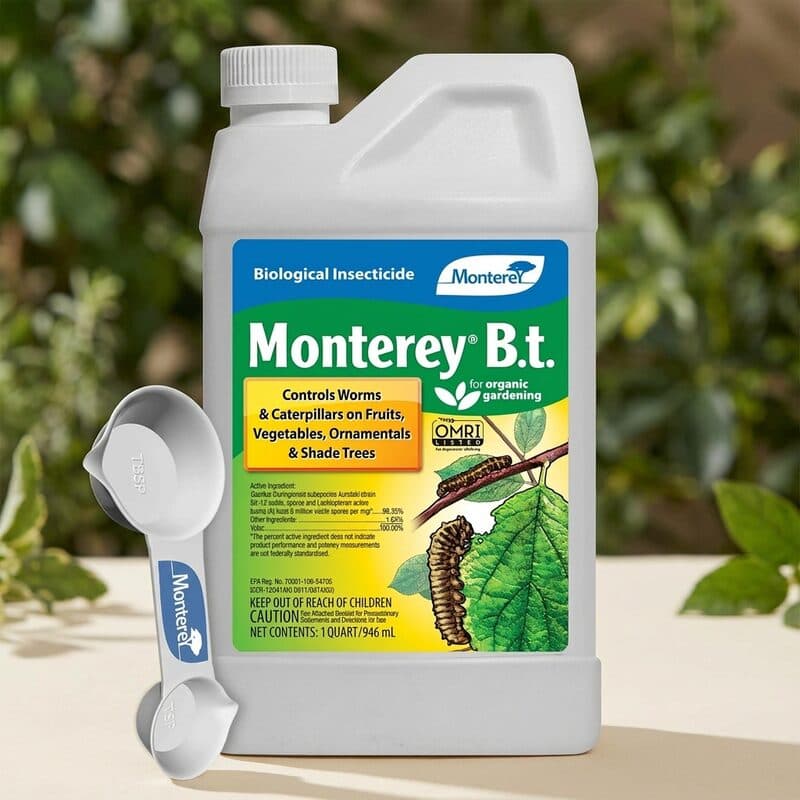
Bt concentrate
Monterey B.t. Biological Insecticide Concentrate
Best for: Organic vegetable gardeners dealing with cabbage worms, tomato hornworms, cabbage loopers, or other caterpillar damage.
Keep in mind: Active only against caterpillar and worm larvae, not general-purpose
Amazon price as of the checked date, subject to change. The price on Amazon at checkout applies.
Full research
- Active ingredient
- Bacillus thuringiensis subsp. kurstaki (at least 6M viable spores per mg)
- Type
- Biological insecticide, liquid concentrate
- Size
- 32 oz concentrate
- Target pests
- Caterpillars and worm larvae (Lepidoptera)
Monterey B.t. is a liquid concentrate of Bacillus thuringiensis subsp. kurstaki, a naturally occurring soil bacterium that kills caterpillar larvae on contact after ingestion. OMRI listed, it is safe for bees and beneficial insects and can be applied to edible crops up to harvest day.
This catalog-wide research score is separate from this guide's use-case ranking. How we research
Strengths
- Specifically targets caterpillar larvae, with no harm to birds, earthworms, or beneficial insects including bees
- Can be applied right up to harvest day on edible crops
- OMRI listed and one of the most well-established biological insecticides in organic farming
Weaknesses
- Active only against caterpillar and worm larvae, not general-purpose
- Loses potency if stored warm; refrigerate after opening
Sprout Score breakdown
Best for
Organic vegetable gardeners dealing with cabbage worms, tomato hornworms, cabbage loopers, or other caterpillar damage.
Owner rating snapshot
Amazon · 270 reviews · 4.6 stars
Cut the tip and move on
On homegrown corn, earworm damage is usually confined to the top inch or two of the ear. Shuck the corn, slice off the damaged tip, and use the undamaged portion. Many gardeners accept some tip damage rather than try to eliminate every earworm in a small planting.
Which plants are at risk, and how to plan
The corn earworm's main host is sweet corn, where it feeds at the ear tip. The same species is the tomato fruitworm on tomato, boring into fruit, and it also feeds on peppers and green beans, so scout those crops too if you see heavy moth activity.
Timing is the lever you control most. Use the planting calendar for your ZIP to schedule corn so the silk stage does not line up with peak summer moth flights where possible, since early plantings that silk before populations build often escape the worst. Knowing your frost dates helps you plan an early enough sowing to beat the late-season surge.
Can I get rid of corn earworms once they are inside the ear?
No. Once the caterpillar has tunneled under the husk it is protected from any spray or treatment, so there is no way to reach it without ruining the ear. That is why all effective control happens at the silk stage, before the larva enters. If worms are already inside at harvest, simply shuck the ear and cut off the damaged tip, since the rest of the ear is fine to eat.
How does the vegetable oil trick work on corn earworms?
A few drops of vegetable oil applied into the silk channel at the ear tip, a few days after silks emerge, coat and suffocate the eggs and young larvae and clog the path the larva uses to reach the kernels. Many gardeners mix a BT-based caterpillar control into the oil so any larva that starts feeding is also killed. Wait until silks have begun to brown so you do not interfere with pollination and leave unfilled tips.
Do tight-husk corn varieties really reduce earworm damage?
Yes, to a degree. Varieties bred with long, tight husks that extend past the ear tip physically slow the larva's path to the kernels and give natural enemies more time, so they often show less tip damage than loose-husk types. They are not immune, but choosing a tight-husk variety is one of the easiest cultural steps you can take, and it pairs well with timing and the silk-channel treatment.
Is it safe to eat sweet corn that had an earworm in it?
Yes. Earworm damage is usually limited to the top inch or two of the ear, so once you shuck the corn and cut off the chewed tip, the rest of the ear is perfectly good to eat. Remove the frass and any chewed kernels and rinse the ear. A worm at the tip is a cosmetic and waste issue on a home crop, not a food-safety problem.
What to do now
The corn earworm is unreachable once it is inside the husk, so protecting sweet corn comes down to the silk stage. Treat the silk channel with a few drops of oil and BT a few days after silks emerge, choose tight-husk varieties, and time plantings with the calendar to dodge peak moth flights. Expect a little tip damage on a backyard patch, and remember that cutting off the top inch of the ear handles most of it in seconds.