Our recommendations
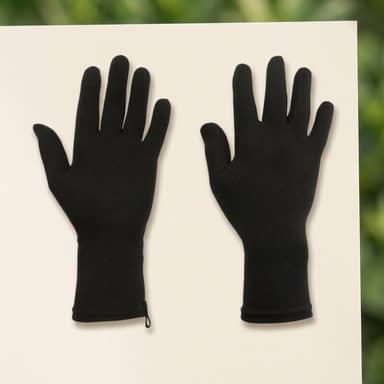


Choose garden gloves for the work you do most often. A snug, flexible glove works well for transplanting seedlings and pinching herbs, but it will not protect you from blackberry canes. A thick gauntlet protects your forearms from thorns but limits finger movement. This guide groups the options by job so you can find the right balance of protection and dexterity.
How the three jobs differ
Most gardening tasks fall into three buckets, and the glove that wins each one is different.
Fine work such as seeding, transplanting, and deadheading calls for a thin, close-fitting glove. Digging, hauling, and raking need a breathable glove with a reinforced palm and grip on wet handles. Thorny work needs thick leather or a gauntlet cuff, which none of the picks below provide. Keep a separate leather gauntlet for roses, brambles, and cactus.
Best overall: Foxgloves Original
Best overall
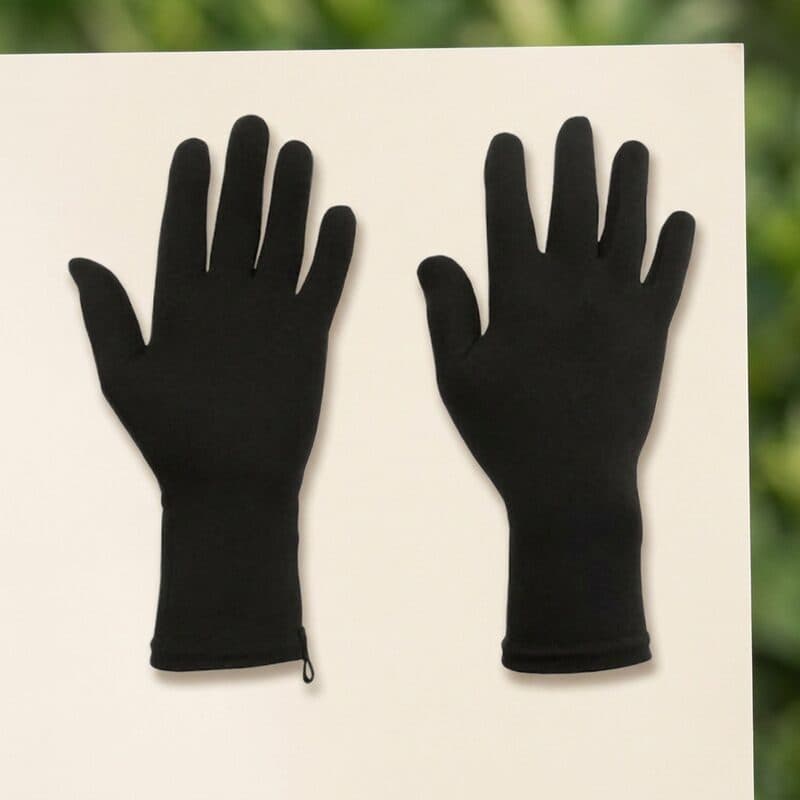
Foxgloves Original Gardening Gloves
Best for: Gardeners who want a snug, dexterous glove for detailed work over heavy protection.
Keep in mind: Thin shell is not puncture- or thorn-proof
Amazon price as of the checked date, subject to change. The price on Amazon at checkout applies.
Full research
- Material
- Nylon-spandex blend
- Fit
- Second-skin stretch
- Coverage
- Extended wrist cuff
- Care
- Machine washable
Foxgloves Original gloves use a stretch nylon-spandex shell for a second-skin fit, favored for dexterity and wrist coverage on detailed tasks.
This catalog-wide research score is separate from this guide's use-case ranking. How we research
Strengths
- Second-skin fit preserves fine dexterity
- Extended cuff protects wrists from scrapes
- Machine washable for easy upkeep
Weaknesses
- Thin shell is not puncture- or thorn-proof
- Higher price than basic utility gloves
Sprout Score breakdown
Best for
Gardeners who want a snug, dexterous glove for detailed work over heavy protection.
The Foxgloves Original Gardening Gloves are the pair gardeners reach for when they want the glove to vanish on their hands. The stretchy four-way nylon-and-spandex knit hugs the hand closely, which gives you near-bare-finger dexterity for transplanting, deadheading, and weeding. The snug fit also keeps soil out, and the longer cuff protects the wrist.
These are protective against dirt and light scratches, not against thorns, so they are not the glove for rose pruning. They run on the pricier side for a knit glove, and owners note the slim cut runs small, so size up if you are between sizes or have wider hands. For the gardener who values feel above all, they are worth it.
Best for breathability: Pine Tree Tools Bamboo

Most comfortable
Pine Tree Tools Bamboo Working Gloves
Best for: Gardeners who want breathable, dexterous gloves for planting and weeding.
Keep in mind: Not thorn-proof for roses or brambles
Amazon price as of the checked date, subject to change. The price on Amazon at checkout applies.
Full research
- Shell
- Bamboo fiber blend
- Palm
- Coated for grip
- Fit
- Snug, stretch fit
- Sizes
- Multiple sizes
Pine Tree Tools' bamboo gloves combine a breathable knit shell with a coated palm, a comfortable choice for everyday planting and weeding.
This catalog-wide research score is separate from this guide's use-case ranking. How we research
Strengths
- Breathable bamboo fabric stays cooler in heat
- Coated palm grips tools and damp soil
- Snug fit preserves dexterity for planting
Weaknesses
- Not thorn-proof for roses or brambles
- Coating wears with heavy, abrasive use
Sprout Score breakdown
Best for
Gardeners who want breathable, dexterous gloves for planting and weeding.
The Pine Tree Tools Bamboo Working Gloves solve the most common warm-weather complaint: sweaty hands. The bamboo-derived knit is breathable and soft, and the nitrile-coated palm and fingertips add grip and a barrier against mud without sealing your hand in plastic. For long sessions of weeding, planting, and general bed work in summer, they stay comfortable far longer than a fully coated glove. Gloves only cover your hands, though: for the arms, neck, and shoulders that spend those same hours in direct sun, a lightweight UPF layer works as well over a garden bed as it does on a trail, and our sister site Kit Authority sorts the breathable options in its guide to the best sun shirts.
The trade-off is the same one every breathable glove makes: the knit back offers no protection against thorns or splinters, and the coating will eventually wear at the fingertips with heavy use. As an everyday warm-season glove at a friendly price, they are an easy recommendation.
Best value: JORESTECH nitrile-dipped 12-pack

Best value
JORESTECH Nitrile-Dipped Gardening Gloves (12-Pack)
Best for: Gardeners who want grippy, breathable gloves and do not mind replacing them periodically.
Keep in mind: Coating eventually wears through with heavy use
Amazon price as of the checked date, subject to change. The price on Amazon at checkout applies.
Full research
- Coating
- Nitrile palm
- Shell
- Breathable knit back
- Pack
- 12 pairs
- Grip
- Wet and dry grip
JORESTECH's 12-pack pairs nitrile-dipped palms with breathable knit backs, keeping the per-pair cost low for routine garden work.
This catalog-wide research score is separate from this guide's use-case ranking. How we research
Strengths
- Nitrile palm grips slippery tools and wet soil
- Breathable knit back keeps hands cooler than full rubber gloves
- Multi-pack value means a fresh pair is always on hand
Weaknesses
- Coating eventually wears through with heavy use
- Knit back offers little thorn protection
Sprout Score breakdown
Best for
Gardeners who want grippy, breathable gloves and do not mind replacing them periodically.
The JORESTECH Nitrile-Dipped Gardening Gloves win on simple math: the box contains 12 pairs for the price of one or two premium gloves. The seamless knit shell breathes reasonably, and the nitrile palm coating grips wet tools and resists abrasion and mud better than a bare knit. You can keep a clean pair by the door, a muddy pair in the shed, and not panic when one goes missing.
They will not match the Foxgloves for refined dexterity or last as long as a leather glove, but for the gardener who treats gloves as a consumable, the value is hard to argue with. This is the practical pick for families and shared garden tools.
How to choose garden gloves
Match the glove to the job. This is the single most important decision. A glove that is perfect for transplanting tomatoes is the wrong glove for clearing brambles. Decide which task you do most.
Fit first. A glove that is too big bunches and steals dexterity; too small and it fatigues your hands. Check owner notes on sizing, because brands vary, and several knit gloves run small.
Breathability vs protection. This is the core trade-off. Knit and bamboo gloves breathe but offer little puncture resistance. Fully coated and leather gloves protect more but trap heat. Pick the side of that line your work lands on.
Palm coating. A nitrile or latex palm improves grip on wet handles and keeps mud off your skin. For general gardening, pair a coated palm with a breathable fabric back.
Washability. Knit gloves you can toss in the wash last longer and stay pleasant. Air-dry rather than tumble-dry to protect any coating.
| Product | Price | Best for | Buy |
|---|---|---|---|
| Foxgloves Original Gardening Gloves#1 · BEST OVERALL | Typical price range · $25-$50 | Gardeners who want a snug, dexterous glove for detailed work over heavy protection. | Search Amazon |
| Pine Tree Tools Bamboo Working Gloves#2 · MOST COMFORTABLE | Typical price range · Under $25 | Gardeners who want breathable, dexterous gloves for planting and weeding. | Search Amazon |
| JORESTECH Nitrile-Dipped Gardening Gloves (12-Pack)#3 · BEST VALUE | Typical price range · Under $25 | Gardeners who want grippy, breathable gloves and do not mind replacing them periodically. | Search Amazon |
What are the best gloves for pulling weeds?
For hand-weeding you want dexterity and a snug fit so you can grip individual weeds at the root. A close-fitting knit glove like the Foxgloves, or a breathable bamboo glove with a coated palm, both work well. Avoid bulky leather for weeding, since it makes it hard to feel and grip small plants.
Are bamboo gardening gloves better than regular gloves?
Bamboo-knit gloves are noticeably more breathable and softer than synthetic knits, which makes them more comfortable for long warm-weather sessions. They are not more durable or more protective, so they are best as an everyday planting-and-weeding glove rather than a heavy-duty one. Choose them if sweaty hands are your main complaint.
What gloves protect against thorns and roses?
None of the gloves in this guide are built for thorns. For roses, blackberries, and brambles you want thick goatskin or cowhide with a long gauntlet cuff that covers the forearm. Treat breathable and coated gloves as your everyday pair, and keep a dedicated leather gauntlet for the thorny jobs.
How do I keep garden gloves from getting stinky?
Smell comes from trapped moisture. Hang gloves to air-dry after every use instead of leaving them wet, wash knit gloves regularly, and rotate between two pairs so each fully dries. Air-dry rather than machine-dry to protect any palm coating.
Should garden gloves fit tight or loose?
Snug, not tight. A glove that fits closely gives you the dexterity to handle seeds and small plants and keeps soil out, while one that is too loose bunches and tires your hands. If a brand runs small, size up just enough to flex your fingers freely.
The best glove is the one you reach for without thinking. Start with the job you do most, get the fit right, and do not be surprised if you end up with two pairs on the hook. For more on setting up an easy-to-work garden, see our guide to raised bed gardening for beginners.