Our recommendations
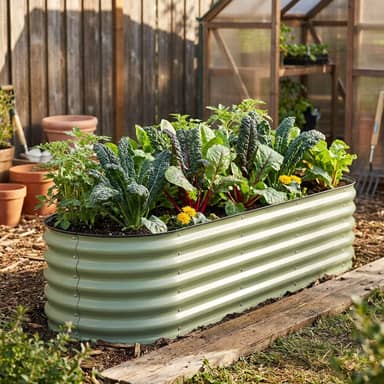

Vego and Birdies both use corrosion-resistant Aluzinc steel and modular panels. Compare them on price, available configurations, and length of the product track record.
If you are still deciding what to grow in the bed, that should shape the height and footprint you pick. A bed for shallow greens is different from one built for tomatoes, and your fill-and-plant timing should match your local frost window. Run your ZIP through the planting calendar so the bed is full and warm when your crops want to go in.
Vego: the best-value premium bed
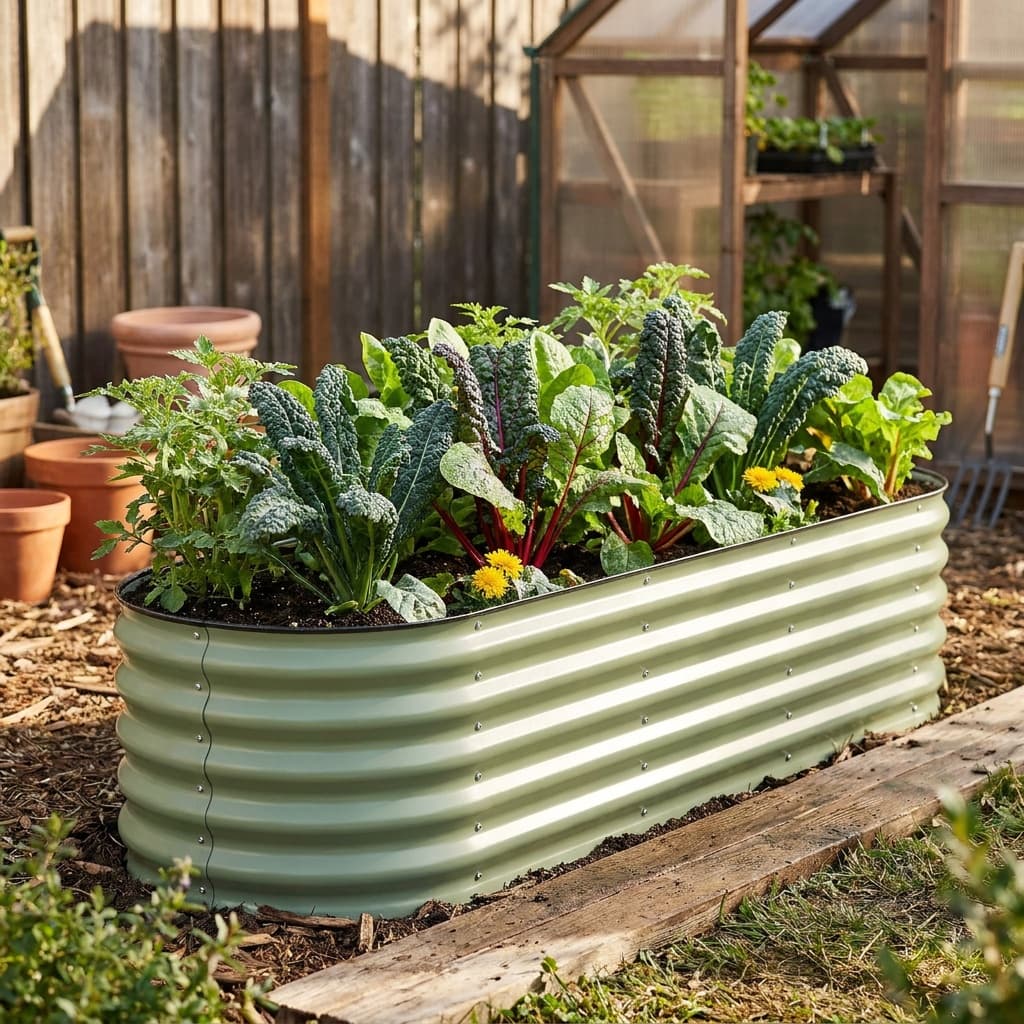
Best overall value
Vego Garden 17 in Tall (9-in-1) Modular Metal Raised Bed
Best for: Home gardeners who want a long-lasting, good-looking bed that can be reshaped to fit the yard.
Keep in mind: Costs more than basic galvanized or wood beds
Amazon price as of the checked date, subject to change. The price on Amazon at checkout applies.
Full research
- Material
- Aluzinc-coated steel
- Height
- 17 in
- Configuration
- 9-in-1 modular panels
- Gauge
- 0.8 mm Aluzinc steel
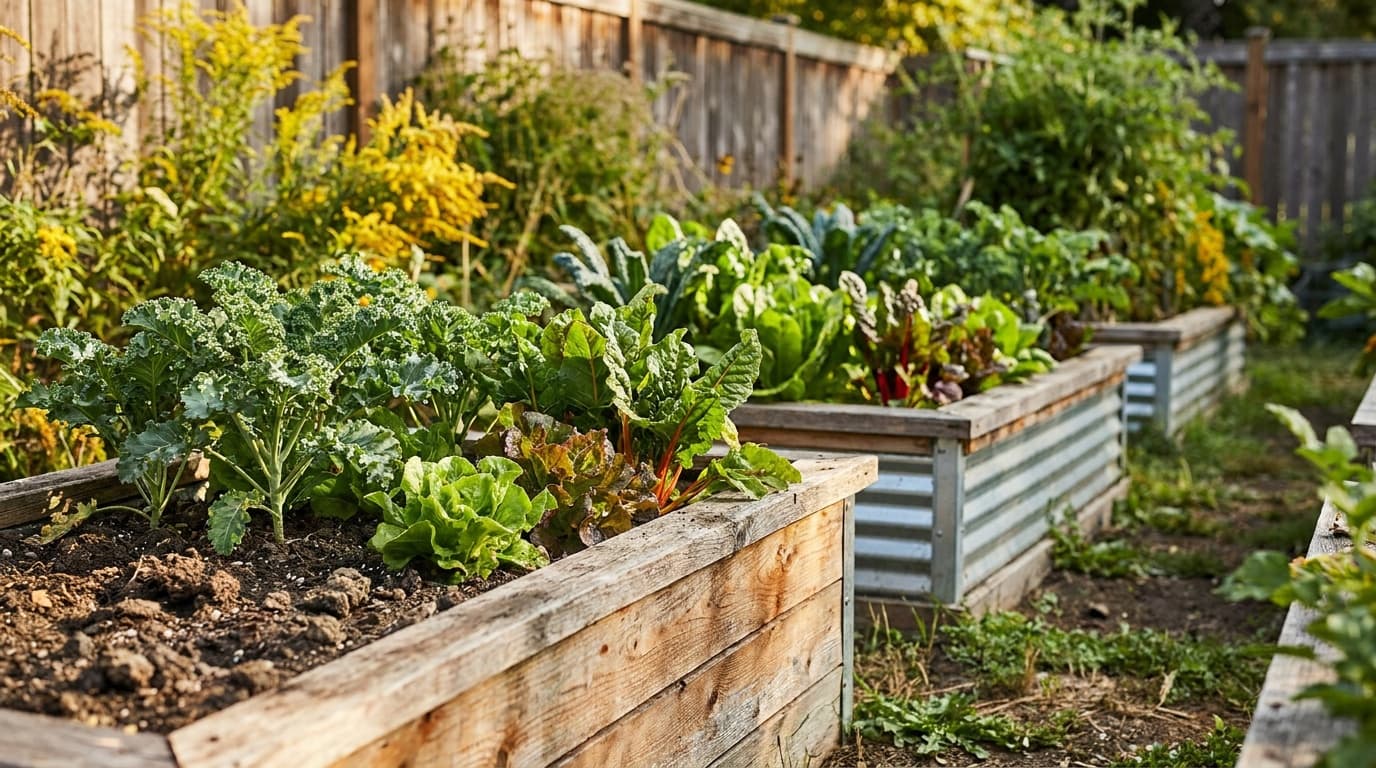
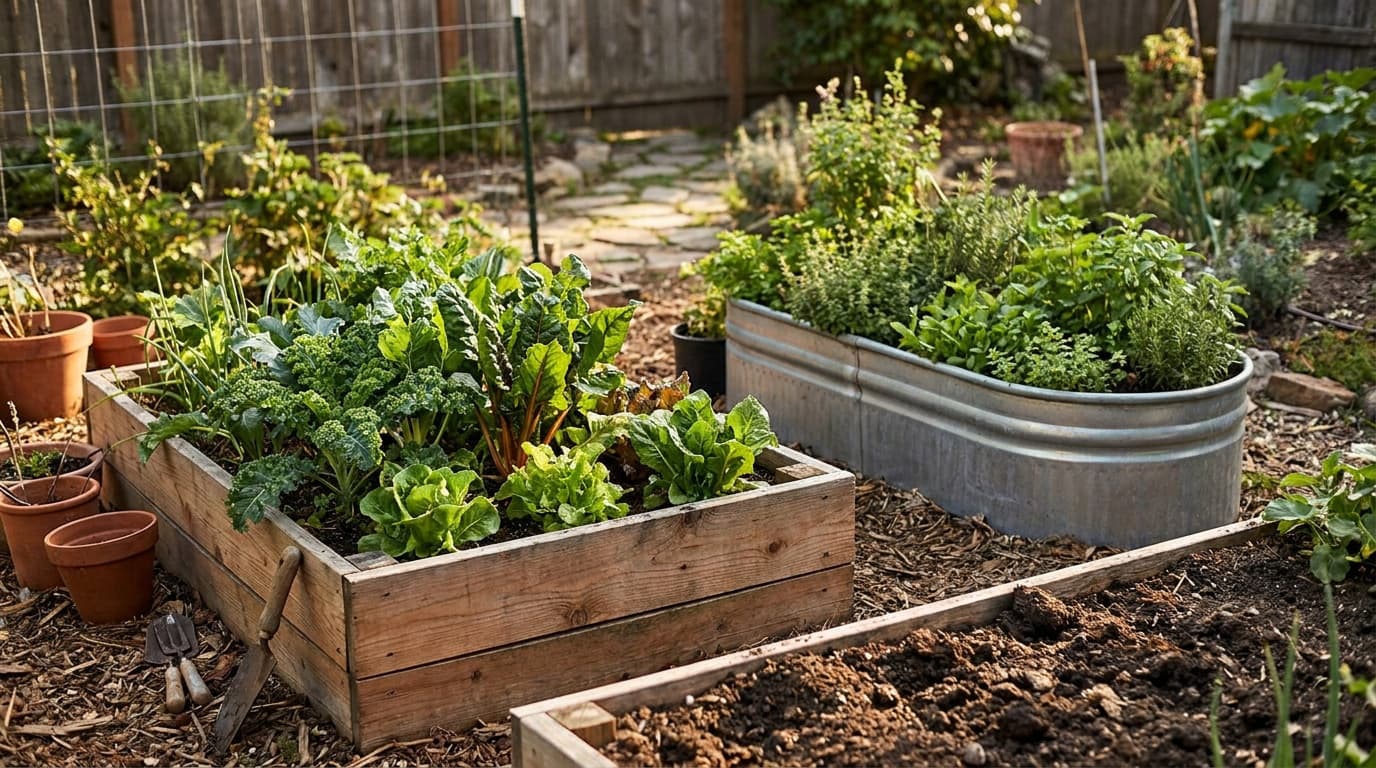
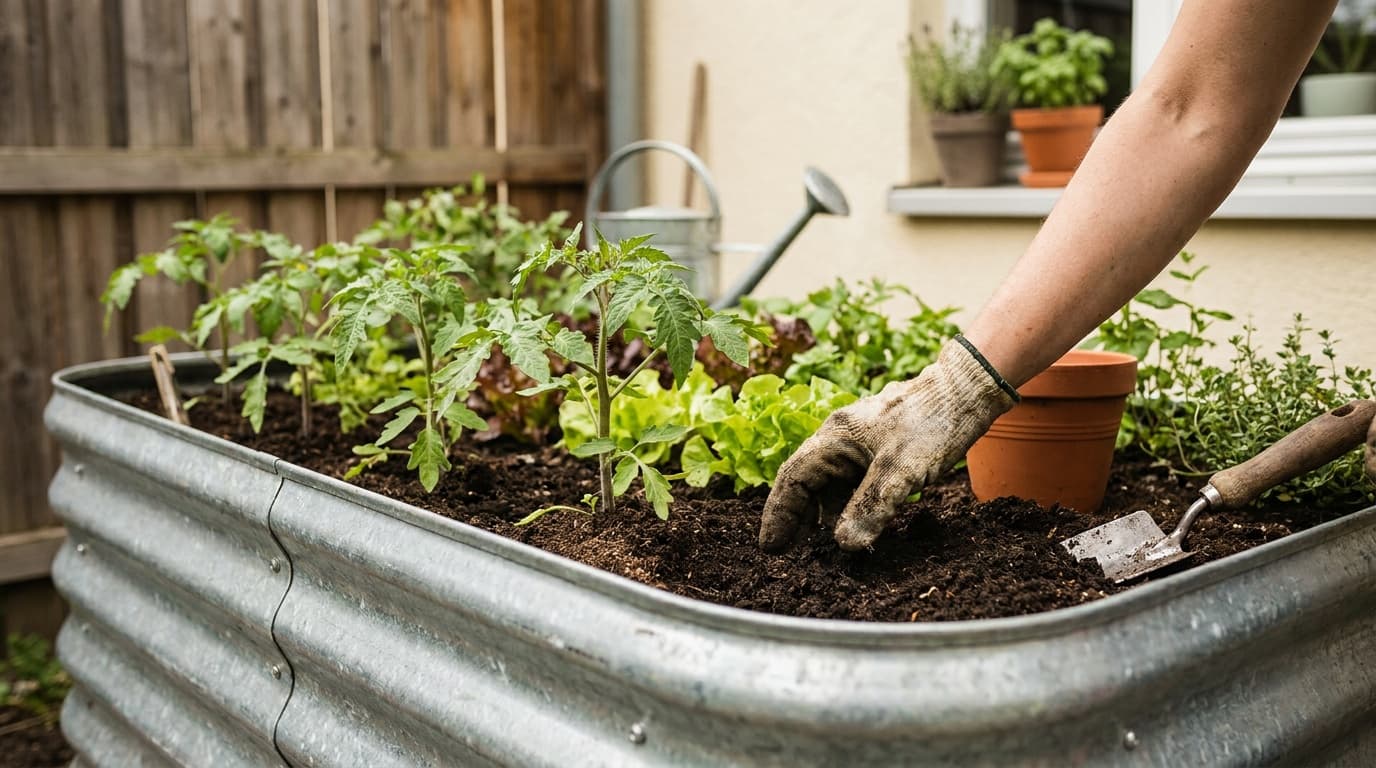
Vego's flagship modular metal bed is the category benchmark for home gardeners. The interlocking panels let one kit become several bed shapes, and the Aluzinc coating resists rust far longer than bare galvanized steel.
This catalog-wide research score is separate from this guide's use-case ranking. How we research
Strengths
- Reconfigurable into multiple shapes from one kit
- Aluzinc coating resists rust and corrosion
- Tool-light assembly with rounded safety edges
Weaknesses
- Costs more than basic galvanized or wood beds
- Metal heats up in full sun in hot climates
Sprout Score breakdown
Best for
Home gardeners who want a long-lasting, good-looking bed that can be reshaped to fit the yard.
Owner rating snapshot
Amazon · 16 reviews · 4.8 stars
Vego uses thick Aluzinc-coated steel in modular panels at a lower price than Birdies. The 17-inch depth suits carrots, tomatoes, and other edibles without the fill cost of a taller bed. Its 9-in-1 panel system supports a similar range of layouts. Owners often praise the appearance and easy assembly.
What makes the Vego the better pick for most people is the balance. It delivers premium steel and a corrosion-resistant coating at a price that undercuts Birdies, so you get most of the durability for less money. You can check current pricing on the Vego 17in bed to see the gap for yourself.
The depth deserves a mention too. At 17 inches the Vego clears the threshold for nearly every edible crop: root vegetables like carrots and potatoes want 14 inches or more, and most fruiting crops want at least 12, so this height removes depth as a constraint entirely. That is part of why it suits a first serious garden so well; you are not boxed out of any crop by the bed itself, and you can fill the lower portion with coarse organic matter to keep the soil cost reasonable despite the volume.
Birdies: the original premium bed

Longest track record
Birdies 8-in-1 Tall Metal Raised Garden Bed
Best for: Gardeners who want a buy-once metal bed with a long track record and will pay for it.
Keep in mind: One of the most expensive beds in the category
Amazon price as of the checked date, subject to change. The price on Amazon at checkout applies.
Full research
- Material
- Aluzinc steel
- Height
- Tall (around 30 in)
- Configuration
- 8-in-1 modular panels
- Origin
- Australian-designed
Birdies is the original modular Aluzinc raised bed that defined the category, with a reputation for lasting well over a decade. It commands a premium, but multi-season owners consistently report no rust-through.
This catalog-wide research score is separate from this guide's use-case ranking. How we research
Strengths
- Proven decade-plus longevity from long-term owners
- Thick Aluzinc steel resists corrosion
- Configurable into several footprint shapes
Weaknesses
- One of the most expensive beds in the category
- Taller height needs a lot of fill soil
Sprout Score breakdown
Best for
Gardeners who want a buy-once metal bed with a long track record and will pay for it.
Birdies is the Australian brand that arguably started the modern metal-bed trend, and many of the beds you see today are imitations of its design. Its reputation rests on longevity: owner reviews consistently mention beds holding their shape and finish after many seasons, and the steel is rated for a decade-plus of service. The 8-in-1 panel system reconfigures into eight different shapes, so a single kit can become a rectangle, a square, or other footprints as your garden changes.
Birdies is among the most expensive beds in the category. The higher price buys a longer product track record and more configurations. It suits a permanent kitchen garden where service life matters more than initial cost.
Should you choose Vego or Birdies raised beds?
Choose Vego for the stronger balance of price, depth, and layout options. Choose Birdies when its longer owner track record matters more than the higher price. Three factors decide it.
Price. Vego is clearly cheaper. If you are buying one bed, the gap is modest; if you are building several, it adds up fast and tips the decision toward Vego.
Longevity track record. Birdies has the longer proven history. Both use Aluzinc steel rated for many years, but Birdies has more seasons of owner reports behind it. Vego's track record is shorter simply because it is a newer brand, and early reports are strong.
Configurations. Both are modular. Birdies markets an 8-in-1 system and Vego a 9-in-1, so the practical difference is small. Either one reconfigures into the common footprints most gardeners want.
| Product | Price | Best for | Buy |
|---|---|---|---|
| Vego Garden 17 in Tall (9-in-1) Modular Metal Raised Bed#1 · BEST OVERALL VALUE | Typical price range · $100-$150 | Home gardeners who want a long-lasting, good-looking bed that can be reshaped to fit the yard. | Shop Amazon |
| Birdies 8-in-1 Tall Metal Raised Garden Bed#2 · LONGEST TRACK RECORD | Typical price range · $150-$250 | Gardeners who want a buy-once metal bed with a long track record and will pay for it. | Search Amazon |
Frequently asked questions
Is Vego or Birdies better?
For most gardeners, Vego is the better buy because it offers comparable Aluzinc steel and modular configurations at a lower price. Birdies is the better choice if you want the longest proven track record and buy-it-once longevity, and you are willing to pay a premium for it. Both will outlast a wooden bed by years.
Are Vego and Birdies beds made of the same metal?
Both use Aluzinc-coated steel, a zinc-aluminum-magnesium alloy that resists rust better than plain galvanized steel, especially at the soil line. The coatings and gauges are broadly comparable, which is why the durability difference between them is smaller than the price difference.
How long do Vego and Birdies raised beds last?
Both are rated for many years of service, with Birdies frequently cited by long-term owners as lasting a decade or more. Vego's owner track record is shorter because it is a newer brand, but early reports show no rust and good shape retention. Either bed will far outlast untreated wood.
Is the Vego 9-in-1 or the Birdies 8-in-1 more flexible?
The difference is minor in practice. Both panel systems reconfigure into the common shapes home gardeners want: rectangles, squares, and other footprints. Choose based on price and the specific dimensions you need rather than the headline configuration count.
Our recommendation
Buy the Vego Garden 17in bed if you want the best balance of price and quality, which is most people. Buy the Birdies 8-in-1 if you are building a permanent garden, want the longest proven service life, and treat budget as secondary. Both are good beds, so whichever you choose, get the depth right for your crops and time your fill so the bed is ready when your planting calendar says to plant.