Our recommendations


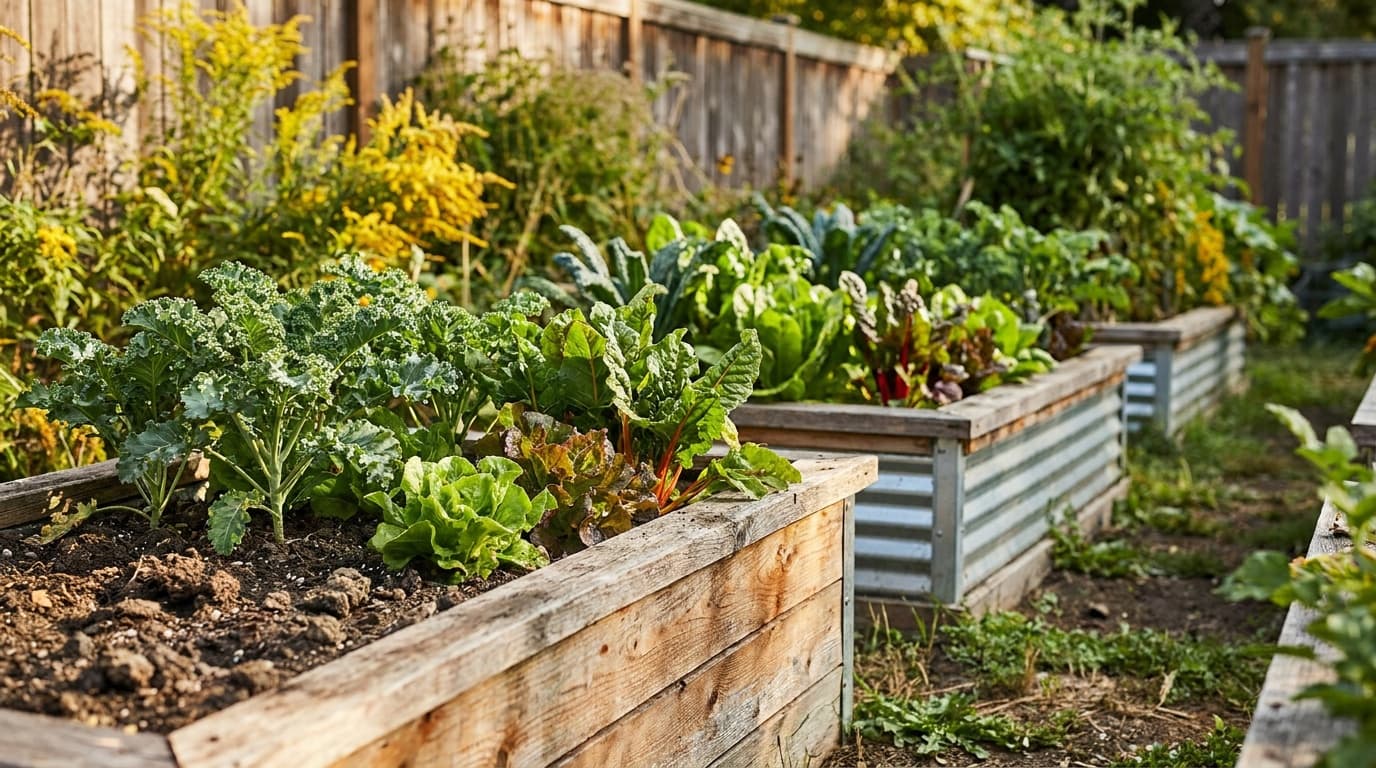
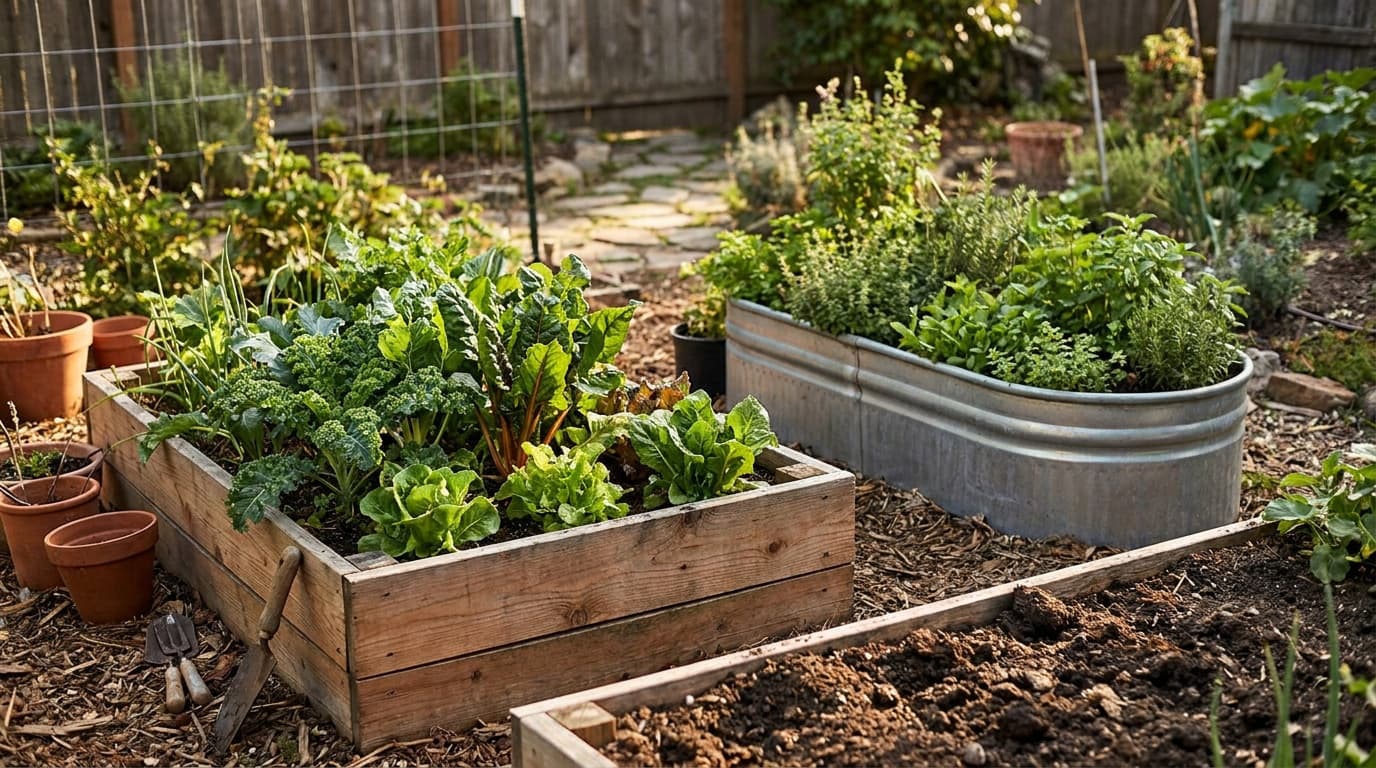
A raised bed is the fastest way to fix bad native soil, drain a soggy spot, and lift planting to a comfortable height, and you do not need to spend a fortune to get one that lasts. The under-$100 tier is full of capable beds; the trick is matching the bed's depth and build to what you actually plan to grow. Spend on depth where your crops need it, and save where they don't.
Before you buy, know what you plan to grow and when. A bed sized for shallow greens is different from one built for tomatoes, and your fill-and-plant timing should line up with your local frost window. Run your ZIP through the planting calendar so the bed is full and warm by the time your crops want to go in.
Best overall under $100: Greenes cedar raised bed

Best overall
Greenes Fence Cedar Raised Garden Bed
Best for: Gardeners who want a natural, untreated wood bed and accept periodic replacement.
Keep in mind: Wood breaks down faster than metal over years
Amazon price as of the checked date, subject to change. The price on Amazon at checkout applies.
Full research
- Material
- Untreated cedar
- Assembly
- Dovetail interlocking boards
- Expandable
- Stackable and expandable
- Sourcing
- North American cedar
Greenes Fence makes the best-known cedar raised bed, using a no-hardware dovetail system that lets you stack tiers or expand the footprint. Untreated cedar is naturally rot-resistant but will gray and eventually break down outdoors.
This catalog-wide research score is separate from this guide's use-case ranking. How we research
Strengths
- Natural cedar look with no chemical treatment
- Dovetail boards assemble without tools
- Stackable and expandable design
Weaknesses
- Wood breaks down faster than metal over years
- Boards can warp or split in harsh climates
Sprout Score breakdown
Best for
Gardeners who want a natural, untreated wood bed and accept periodic replacement.
If you want wood rather than metal and want to stay under $100, the Greenes cedar bed is the answer. Untreated cedar is naturally rot-resistant thanks to its oils, so it lasts far longer than pine or fir without chemical treatment, which matters when you are growing food. The slot-together dovetail design assembles without tools and can be stacked for extra height.
Cedar will silver and weather over time and will not last as long as a quality metal bed, but it runs cooler in direct sun and many gardeners simply prefer the natural look. It is the value entry point into cedar.
Lowest entry point: Foyuee galvanized raised bed

Budget pick
FOYUEE Galvanized Raised Garden Bed (8 x 4 x 1 ft)
Best for: Budget gardeners who want a wide bed without paying to fill a tall one.
Keep in mind: Shallower than 17-inch premium beds
Amazon price as of the checked date, subject to change. The price on Amazon at checkout applies.
Full research
- Material
- Galvanized steel
- Dimensions
- 8 ft x 4 ft x 1 ft
- Shape
- Rectangular
- Use
- Greens, herbs, and compact vegetables
FOYUEE's 8-by-4-foot galvanized bed provides a broad growing footprint at a budget price. Its 12-inch depth suits greens, herbs, and many compact vegetables while keeping soil costs below taller beds.
This catalog-wide research score is separate from this guide's use-case ranking. How we research
Strengths
- Very affordable for the footprint
- 12-inch height keeps filling costs manageable
- Established best-seller with broad availability
Weaknesses
- Shallower than 17-inch premium beds
- Thin steel is not heavy-duty
Sprout Score breakdown
Best for
Budget gardeners who want a wide bed without paying to fill a tall one.
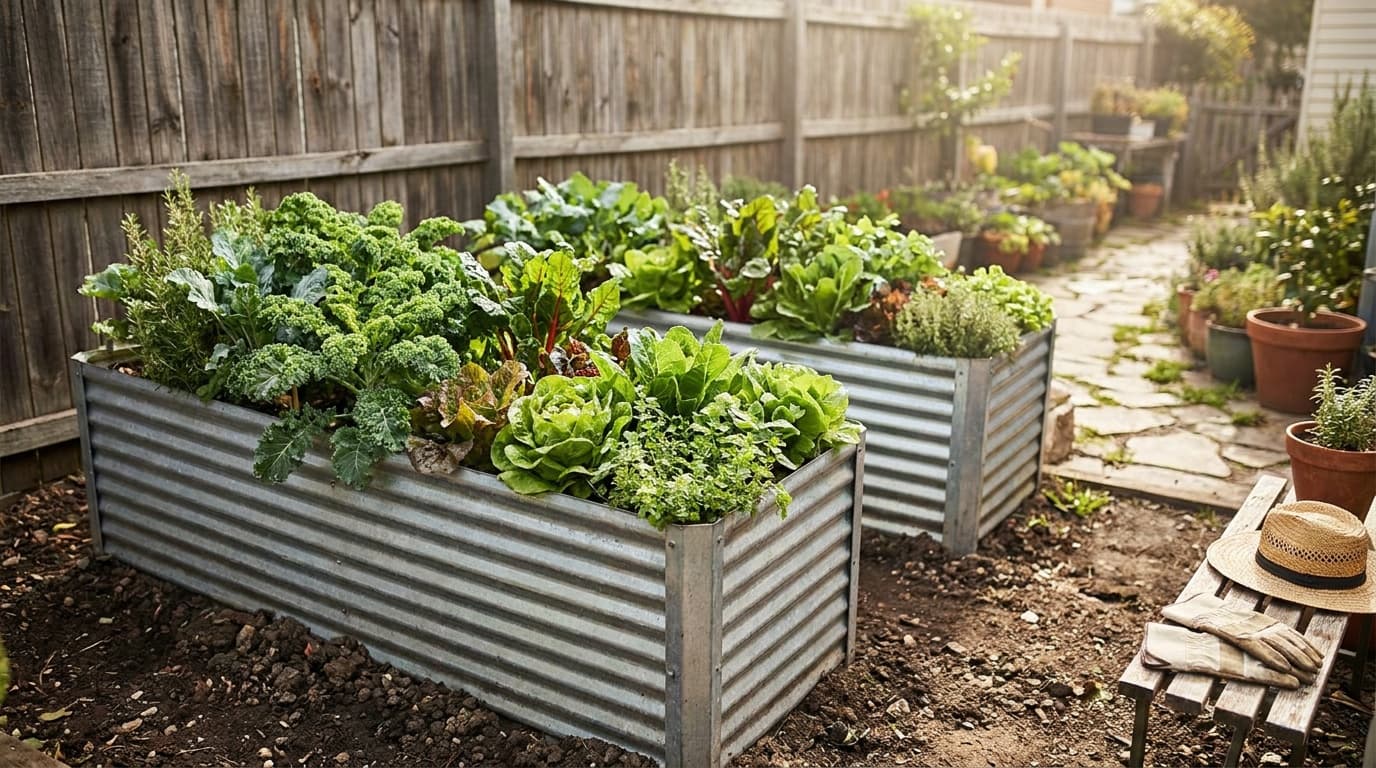
The current Foyuee is an 8-by-4-foot galvanized bed with 12-inch sides. That depth works well for lettuce, herbs, and many compact vegetables while keeping the fill bill below a taller bed. The steel is light rather than heavy-duty, so install it level and fill it evenly.
Its low price and useful footprint suit a first bed, a children's garden, or a greens-and-herbs plot. You can check the Foyuee bed's current price if a 12-inch bed fits your crop plan.
Best simple rectangle: Land Guard galvanized raised bed

Budget metal
Land Guard Galvanized Raised Garden Bed Kit
Best for: First-time raised-bed gardeners testing the format on a tight budget.
Keep in mind: Thinner panels than premium metal beds
Amazon price as of the checked date, subject to change. The price on Amazon at checkout applies.
Full research
- Material
- Galvanized steel
- Height
- Around 12 in
- Shape
- Rectangular
- Assembly
- Bolt-together kit
Land Guard is a budget galvanized steel bed popular as an entry-level pick on Amazon. Panels are thinner than the premium brands, but for a first season bed at the price it is a reasonable starting point.
This catalog-wide research score is separate from this guide's use-case ranking. How we research
Strengths
- Low price for a galvanized metal bed
- Straightforward bolt-together assembly
- Widely available in common sizes
Weaknesses
- Thinner panels than premium metal beds
- Edges can be sharp before assembly
Sprout Score breakdown
Best for
First-time raised-bed gardeners testing the format on a tight budget.
The Land Guard is a straightforward rectangular galvanized bed that does the basic job well for vegetables and flowers, and it frequently ships with a pair of gardening gloves and a small tool, which adds value at the price. The panels are standard galvanized and thinner than premium brands, so it is a solid first bed rather than a heavy-duty permanent fixture.
If it undercuts the Olle on price and you want a simple rectangle rather than a modular configuration, it is worth a look.
How to choose a budget raised bed
Three things matter most when you are spending under $100.
Get the depth right for your crops. This is where budget beds split. A 12-inch bed such as the Foyuee suits greens, herbs, and many compact vegetables. Deep-rooted crops benefit from more growing depth, which can move a durable metal bed above this price class. Compare bed depth with the crop and include fill cost in the budget.
Gauge and coating. Thinner steel bows under the outward pressure of wet soil, so taller beds benefit from a sturdier gauge. The metal beds here use standard galvanized steel rather than the more expensive Aluzinc alloy. That coating is suitable for most temperate gardens but may not last as long.
Assembly and ground. Modular metal beds bolt together with included hardware in 30 to 60 minutes; line up panels loosely first, then tighten. Set any bed on level ground so the corners are not stressed, which matters more with thinner budget panels.
| Product | Price | Best for | Buy |
|---|---|---|---|
| Greenes Fence Cedar Raised Garden Bed#1 · BEST OVERALL | Typical price range · $50-$100 | Gardeners who want a natural, untreated wood bed and accept periodic replacement. | Shop Amazon |
| FOYUEE Galvanized Raised Garden Bed (8 x 4 x 1 ft)#2 · BUDGET PICK | Typical price range · $50-$100 | Budget gardeners who want a wide bed without paying to fill a tall one. | Shop Amazon |
| Land Guard Galvanized Raised Garden Bed Kit#3 · BUDGET METAL | Typical price range · $50-$100 | First-time raised-bed gardeners testing the format on a tight budget. | Shop Amazon |
Frequently asked questions
What is the best cheap raised garden bed?
The Greenes cedar bed is the strongest all-around value in this guide because it combines untreated cedar with simple modular assembly. For the lowest entry point, the Foyuee is a shallow metal bed suited to greens and herbs. Check the selected size at the retailer because larger variants can cross the budget ceiling.
How deep should a budget raised bed be?
Match the depth to your crops. Greens, herbs, and shallow-rooted plants are fine in 8 inches, which is where the cheapest beds sit. Most vegetables want at least 12 inches, and root crops like carrots and potatoes prefer 14 inches or more. A deeper bed like the 17-inch Olle covers almost everything for a small step up in price.
Are cheap galvanized raised beds safe for vegetables?
Yes. The zinc coating on galvanized steel is stable in garden soil, and the trace amount of zinc that may leach is within safe ranges and is a plant micronutrient. The bigger food-safety concern is pressure-treated wood, which is why untreated cedar or galvanized steel are the preferred budget materials for edible beds.
How much soil do I need to fill a budget raised bed?
Multiply length by width by depth in feet to get cubic feet. A shallow 8-inch bed needs far less fill than a 17-inch one, which is part of why low-profile beds are cheaper to set up overall. To cut cost on a deep bed, fill the bottom third with coarse organic matter and top with a 60/40 topsoil-and-compost blend.
Our recommendation
Buy the Greenes cedar kit for the best all-around value, the Foyuee if you only need a shallow bed for greens and herbs, and the Land Guard if you want a simple metal rectangle. Verify the exact size stays under $100, get the depth right for your crops, and time your fill so the bed is ready when your planting calendar says to plant.