Spider mites are easy to miss until the damage is well advanced, because they are tiny and live on leaf undersides. By the time you notice the leaves looking dusty, faded, or bronzed, the population can be in the thousands. The single biggest lever is moisture: mites explode in hot, dry, dusty conditions and crash when humidity rises and plants are not water-stressed.
How to identify spider mites
Spider mites are about 0.5 mm long, so individuals look like moving specks. They are usually pale green, yellow, or reddish, and they cluster on the undersides of leaves. The two-spotted spider mite is the most common in vegetable gardens.
Diagnose by these signs:
They hit a wide range of crops in hot, dry weather, including tomatoes, eggplant, cucumbers, zucchini, green beans, and strawberries, plus many ornamentals and houseplants.
What causes spider mite outbreaks
Spider mites love heat and hate humidity. They reproduce fastest in hot, dry weather, and their populations can double in days when conditions suit them. Dusty leaves, drought-stressed plants, and the absence of predatory mites all tip the balance toward an outbreak. Broad-spectrum insecticides make it worse by killing the predatory mites and other beneficials that would otherwise keep them in check.
How to get rid of spider mites
Spider mite control, in order
Spray leaf undersides
Keep plants watered
Treat survivors
Protect the predators
Remove the worst leaves
Some links on this page are affiliate links. As an Amazon Associate I earn from qualifying purchases.
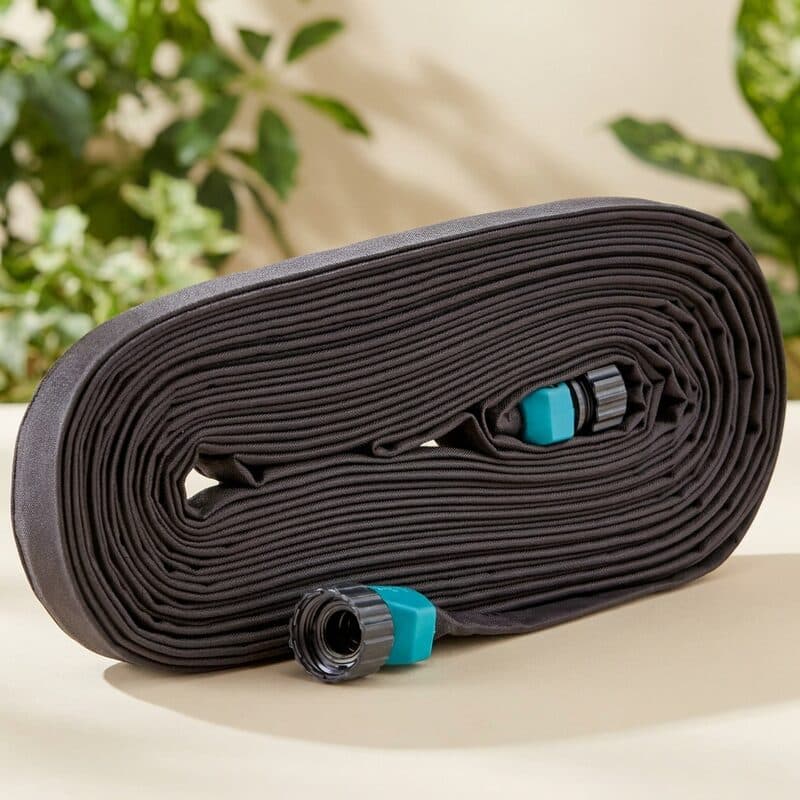
Keeps roots watered
Gilmour Flat Weeper Soaker Hose
Best for: Row and border gardeners who want low-waste, root-zone watering on a budget.
Keep in mind: Even output drops over very long runs and on slopes
Amazon price as of the checked date, subject to change. The price on Amazon at checkout applies.
Full research
- Type
- Flat weeper soaker hose
- Lengths
- Available in multiple lengths
- Delivery
- Seeps along the full length
- Connection
- Standard hose faucet
Gilmour's flat weeper soaker hose seeps water along its length to deliver moisture at the root zone, lying flat along rows and borders.
This catalog-wide research score is separate from this guide's use-case ranking. How we research
Strengths
- Delivers water directly to the root zone with little waste
- Flat profile lies neatly along rows and borders
- Inexpensive and easy to route through a bed
Weaknesses
- Even output drops over very long runs and on slopes
- Should be drained and stored to avoid winter damage
Sprout Score breakdown
Best for
Row and border gardeners who want low-waste, root-zone watering on a budget.
Owner rating snapshot
Amazon · 49 reviews · 4.2 stars
Consistent root-zone moisture is your best long-term defense, since unstressed plants resist mites far better. A soaker hose delivers water steadily to the soil without wetting foliage for hours, and pairing it with a timer means plants never hit the drought stress that mites exploit.
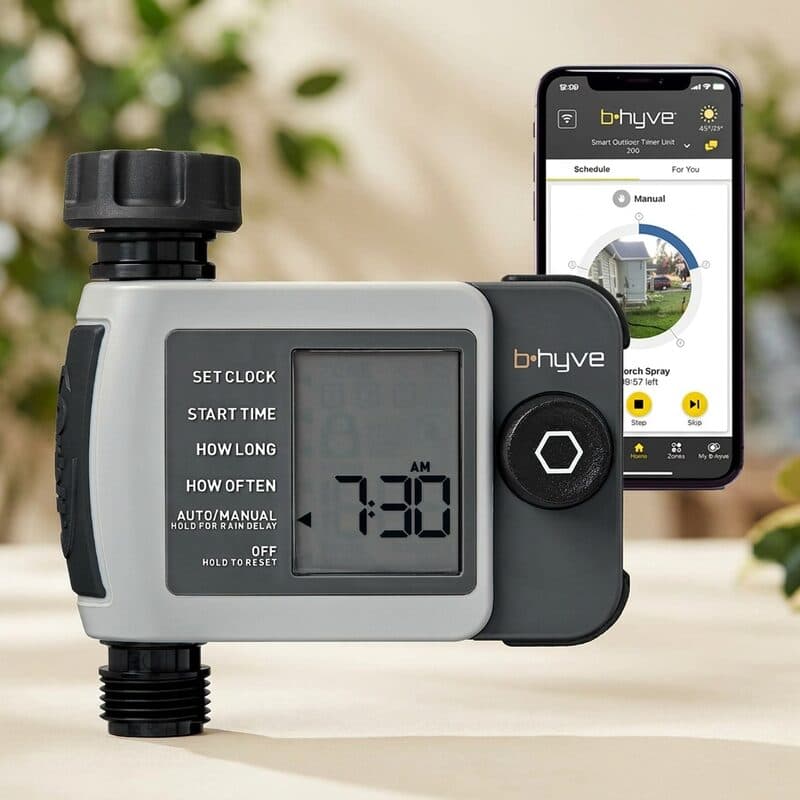
Consistent watering
Orbit B-hyve Smart Hose Faucet Timer
Best for: Gardeners who want app control and weather-aware automatic watering.
Keep in mind: WiFi setup can be finicky at the faucet's signal range
Amazon price as of the checked date, subject to change. The price on Amazon at checkout applies.
Full research
- Connectivity
- WiFi and Bluetooth
- Scheduling
- App-based, weather-adjusting
- Zones
- Single outlet (multi-outlet models available)
- Power
- Battery powered
Orbit's B-hyve smart timer adds WiFi and Bluetooth control with weather-based scheduling, automating faucet watering from a phone app.
This catalog-wide research score is separate from this guide's use-case ranking. How we research
Strengths
- Weather-based scheduling skips watering after rain
- Controllable from a phone over WiFi or Bluetooth
- Flexible programs for multiple watering windows
Weaknesses
- WiFi setup can be finicky at the faucet's signal range
- Costs more than a basic mechanical dial timer
Sprout Score breakdown
Best for
Gardeners who want app control and weather-aware automatic watering.
Owner rating snapshot
Amazon · 17 reviews · 4.1 stars
How to prevent spider mites
- Keep plants consistently watered, especially in heat waves, so they never hit the drought stress mites exploit.
- Hose dust off foliage during hot, dry spells, since dusty leaves favor mites.
- Avoid broad-spectrum insecticides that wipe out the predatory mites doing free control.
- Inspect leaf undersides weekly in hot weather so you catch colonies early, when water sprays alone can still win.
For timing heat-sensitive crops and planning irrigation through the hottest stretch, lean on your planting calendar.
FAQ
What do spider mites look like on plants?
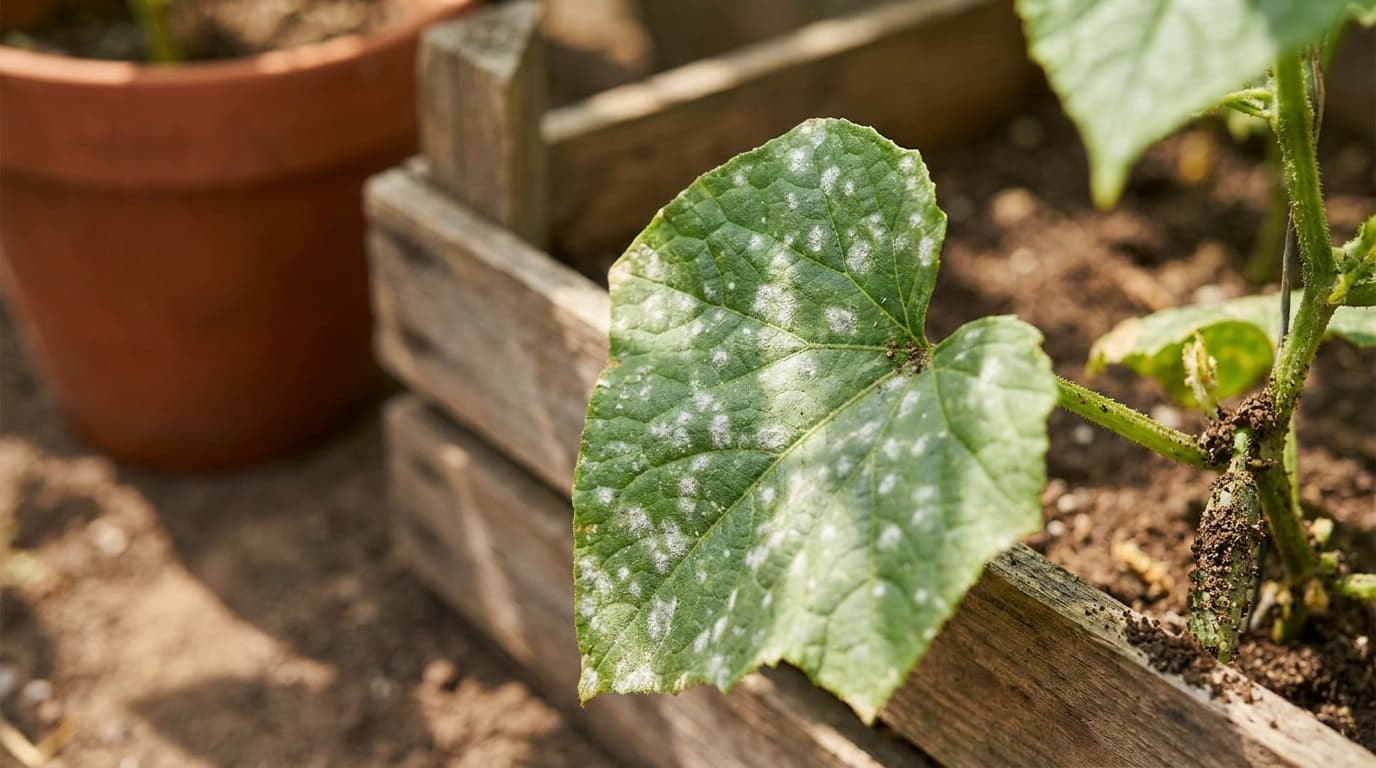
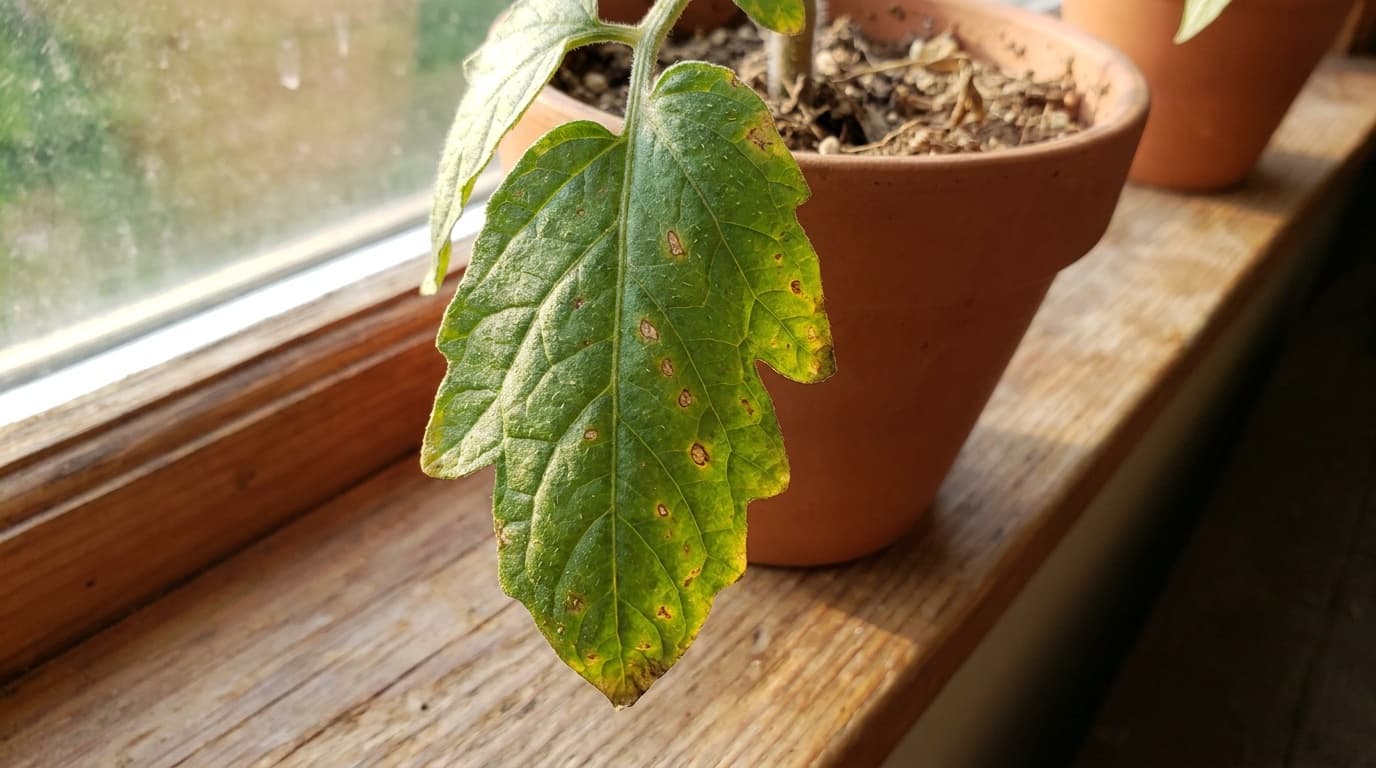
The mites themselves are tiny specks, about half a millimeter, usually pale green, yellow, or reddish, clustered on leaf undersides. The damage is easier to spot: a fine pale stippling of yellow or white dots across the leaf, leaves that look dusty or bronzed, and in bad cases fine silk webbing between leaves and stems. Tap a leaf over white paper to see the mites move.
How do you get rid of spider mites fast?
A forceful spray of water on the undersides of leaves is the fastest action. It physically knocks mites off, washes away the dust they thrive in, and raises humidity. Repeat every two to three days and follow up with insecticidal soap or horticultural oil on survivors. Keeping the plant well watered prevents the drought stress that lets mites rebound.
Why do I keep getting spider mites?
Spider mites recur in hot, dry, dusty conditions and on plants under drought stress, which is their ideal setting. Repeated use of broad-spectrum insecticides also fuels them by killing the predatory mites that would otherwise control them. Keep plants consistently watered, wash dust off foliage, and avoid broad sprays to break the cycle.
Does spraying water really kill spider mites?
Water spraying does not poison mites, but a forceful jet on leaf undersides physically dislodges them, removes the dust they favor, and raises humidity, which suppresses reproduction. Done every few days it is one of the most effective non-chemical controls, especially when combined with keeping the plant well watered so it is not drought-stressed.
Are spider mites the same as aphids?
No. Aphids are soft, pear-shaped insects visible to the naked eye, while spider mites are arachnids barely 0.5 mm long. Both feed on sap and gather on leaf undersides, but aphids leave sticky honeydew and cause curled growth, while mites cause fine stippling and webbing. Water sprays help with both. See our guide on aphids for that pest.
Spider mites are a stress-and-dust problem at heart. Keep plants watered, keep leaves clean, and disrupt the mites with water before reaching for anything stronger. For the other classic leaf-underside sap-feeder, see aphids.