If the inner leaves of your lettuce are browning and drying at the edges while the soil seems fine, you have tipburn. It is one of the most misdiagnosed garden problems, because it looks like a deficiency you should fix by adding something. In almost all home gardens, the calcium is already there. The plant just cannot get it to the right place fast enough. Here is what is really happening and how to stop it.
What tipburn is, and how to identify it
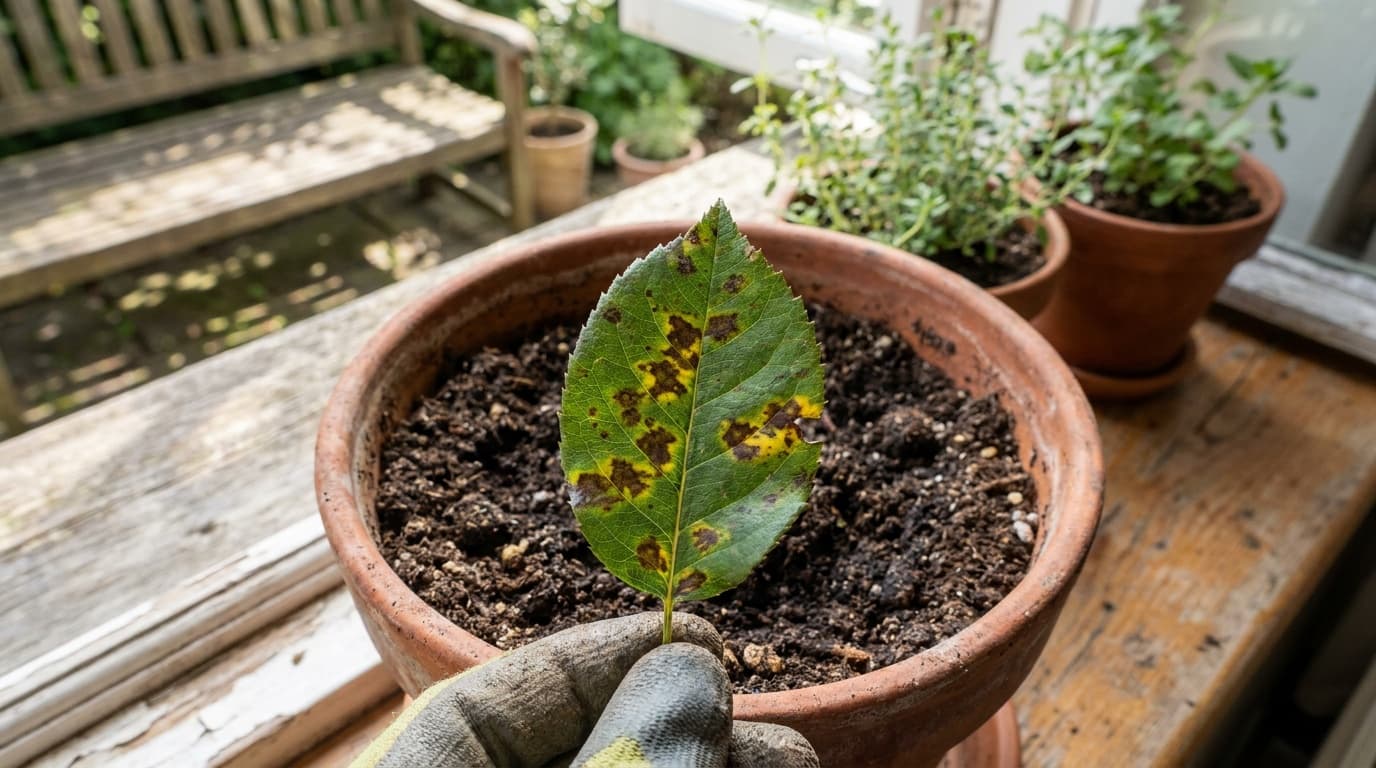
Tipburn appears as brown, scorched, dried edges on leaves, classically on the young inner leaves of head lettuce, but also on the margins of leafy greens like cabbage, spinach, and other fast growers. The damaged tissue turns papery and tan to brown, and on heading types it can be hidden inside the head until you cut it open.
It is a calcium issue, but the mechanism is the key to the fix. Calcium moves through a plant in the water stream and does not get redistributed once it lands. The fastest-growing tissue (the tender new leaf tips deep in the plant) transpires the least, so it gets the least water flow and therefore the least calcium. When growth outruns calcium delivery, those tips die back. That is why tipburn shows up in the youngest leaves and during the fastest growth, even in soil with plenty of calcium.
Why adding calcium usually does not help
This is the part most growers get wrong. Because tipburn is a calcium symptom, the obvious move is to add calcium to the soil or spray it on. But the limit is almost never how much calcium is in the soil. It is how fast the plant can deliver calcium to tissue that is growing too quickly. Dumping more calcium into already-adequate soil does nothing for that bottleneck. The fix is to slow and steady the growth so delivery can keep up.
The fix: steady the growth and the water
Stop tipburn
Water consistently
Avoid heat stress
Go easy on nitrogen
Choose resistant varieties
Harvest on time
Timing and variety do most of the work
The most reliable prevention is growing greens in their happy season and choosing the right cultivars. Lettuce and most leafy greens are cool-season crops: they grow steadily and resist tipburn in spring and fall, and struggle in summer heat. Use the planting calendar to put your main lettuce crop in the cool windows, and see the lettuce profile for tipburn-resistant variety notes. The same heat that triggers tipburn also drives bolting, so cool-season timing solves two problems at once.
Cabbage and other heading brassicas can show the same inner-leaf tipburn under fast growth and heat. The cabbage profile covers timing and spacing for those.
FAQ
What causes tipburn in lettuce?
Tipburn is a calcium delivery problem, not usually a soil shortage. Under fast growth, heat, or uneven watering, the plant cannot move calcium to its fastest-growing inner leaf tips quickly enough, so those tips die back and turn brown. The fix is steady water and slower, cooler growth, not adding calcium.
Should I add calcium to fix tipburn?
Usually no. Most garden soils already have adequate calcium, and the limit is delivery to fast-growing tissue, not the amount in the soil. Adding more calcium rarely helps. Focus instead on even watering, avoiding heat and excess nitrogen, and choosing resistant varieties.
Can I eat lettuce with tipburn?
Yes. Tipburn is a physiological disorder, not a disease. Trim off the brown, papery leaf edges and the rest of the leaf is fine to eat. Cut into heading types to check, since the damage can hide inside.
How do I prevent tipburn in greens?
Water consistently, grow greens in the cool shoulder seasons or with afternoon shade in heat, avoid heavy nitrogen that forces fast growth, give plants room and airflow, choose tipburn-resistant varieties, and harvest before heads grow too dense.
Tipburn is a delivery problem dressed up as a deficiency. Steady the water, keep the growth cool and moderate, choose resistant varieties, and harvest on time. Plant in the cool windows using the planting calendar, and see the lettuce and cabbage profiles for variety and timing detail.