Our recommendations
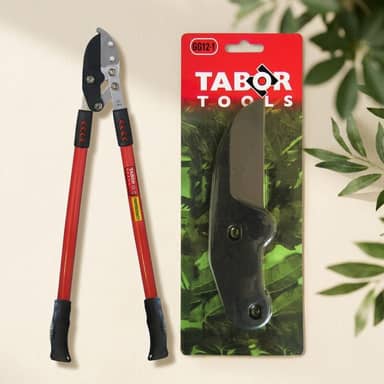
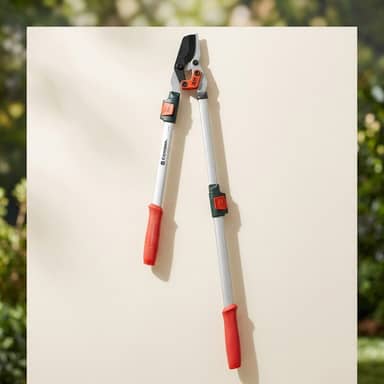
Loppers are the tool that picks up where hand pruners give out. Once a stem is thicker than your thumb, a one-handed pruner just crushes and bruises it, while a saw is overkill. Loppers give you long handles for leverage and reach, letting you sever woody branches up to roughly 2 inches with two hands. The catch is that the wrong style for the wood you are cutting makes the job miserable, so the bypass-versus-anvil choice matters more than the brand on the handle.
The two designs cut differently. A bypass lopper works like scissors, with a sharp curved blade sliding past a hook to make a clean cut that heals well on living wood. An anvil lopper has one blade that closes onto a flat surface, splitting through wood like a chisel, which is ideal for dead and dry branches but can crush green stems. We sorted the field by cutting capacity, the gearing or leverage system, and how the tool holds up to repeated woody cuts.
Best overall: Fiskars PowerGear2 bypass lopper
Best overall
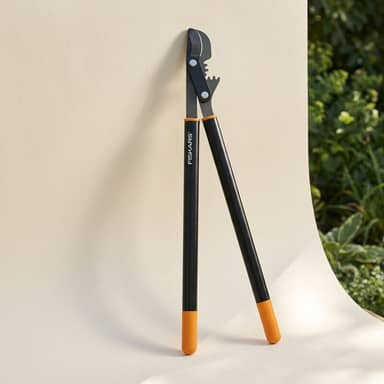
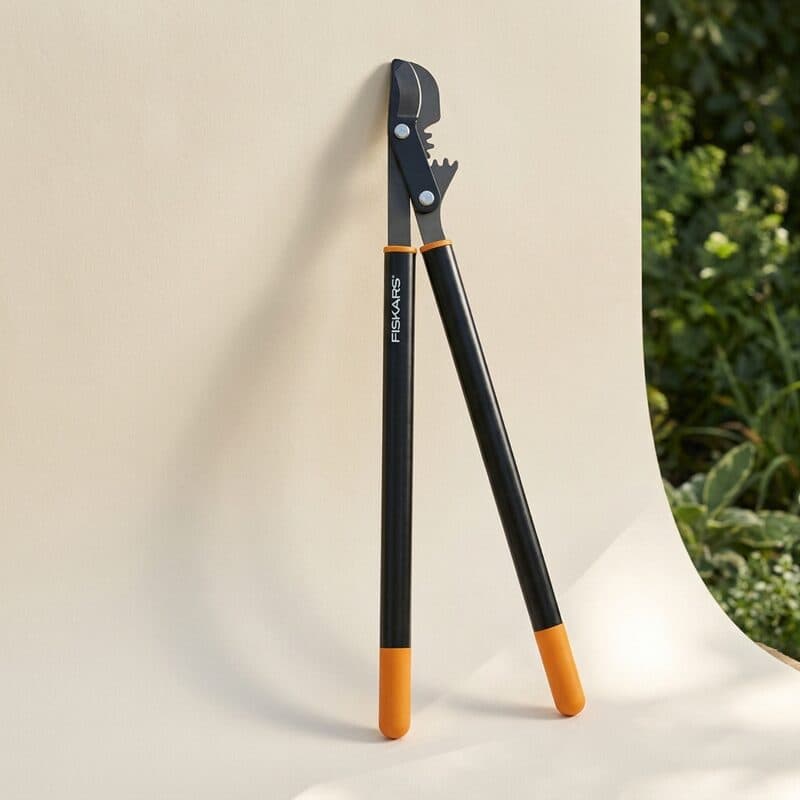
Fiskars PowerGear2 Bypass Lopper (32 in)
Best for: Home gardeners who want maximum cutting leverage on branches up to 2 inches without buying a separate pruning saw.
Keep in mind: Costs more than basic compound or straight-pivot loppers
Amazon price as of the checked date, subject to change. The price on Amazon at checkout applies.
Full research
- Type
- Bypass lopper
- Cut capacity
- Up to 2 in diameter
- Length
- 32 in
- Blade
- Titanium-coated, low-friction steel
Fiskars' 32-inch PowerGear2 bypass lopper uses a patented gear mechanism to multiply cutting force, taking branches up to 2 inches with a low-friction titanium-coated blade and a lifetime guarantee.
This catalog-wide research score is separate from this guide's use-case ranking. How we research
Strengths
- PowerGear2 gearing multiplies leverage so 2-inch branches cut with noticeably less effort
- Low-friction titanium-coated blade slices cleanly through green wood and resists sap buildup
- Backed by the Fiskars lifetime guarantee, rare in the lopper category
Weaknesses
- Costs more than basic compound or straight-pivot loppers
- The gear housing needs occasional cleaning to keep the action smooth
Sprout Score breakdown
Best for
Home gardeners who want maximum cutting leverage on branches up to 2 inches without buying a separate pruning saw.
Owner rating snapshot
Amazon · 22 reviews · 4.8 stars
The PowerGear2 earns the top slot because of its patented gear mechanism. Instead of a single fixed pivot, the gearing changes the leverage ratio through the cut, giving you the most mechanical advantage exactly when the blade hits the thickest, hardest part of the branch. In practice that means you can power through a live branch near its rated 2-inch capacity without the two-handed grunt a basic lopper demands.
It is a bypass design, so it makes the clean, scissor-style cut that living wood needs to seal over without dieback. The blade is fully hardened, precision-ground, and coated to shed sap and resist rust, and the handles are lightweight without feeling flimsy. You can check current pricing on the Fiskars PowerGear2 before committing.
Best value: Tabor Tools GG12 anvil lopper
Best value
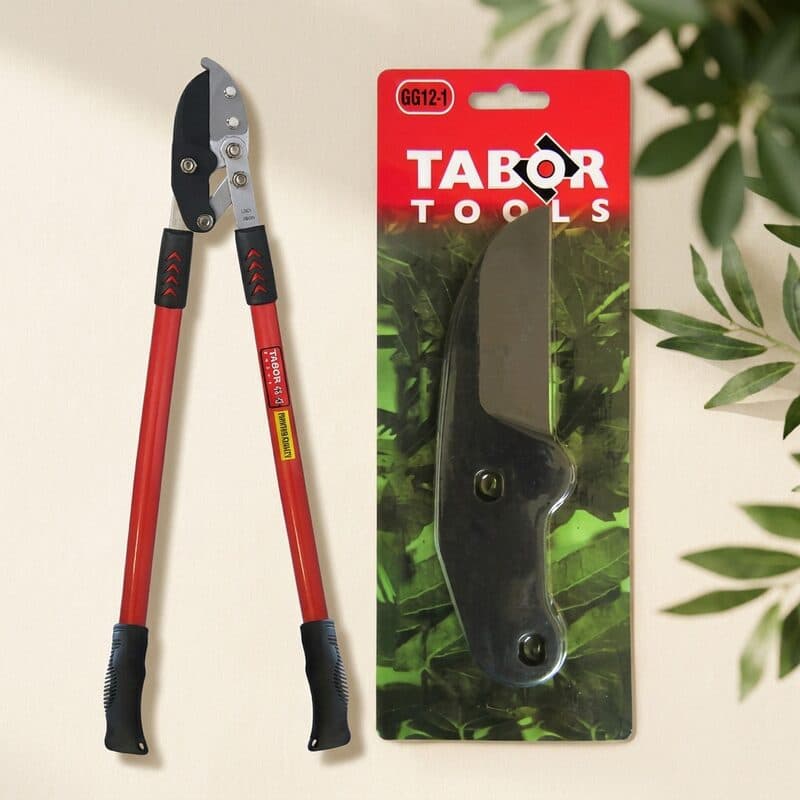
TABOR TOOLS GG12 Anvil Lopper (30 in, Compound Action)
Best for: Gardeners clearing deadwood and dry branches who want strong compound leverage without spending on a premium lopper.
Keep in mind: Anvil design crushes rather than slices, so it is not ideal for soft green stems you want to keep healthy
Amazon price as of the checked date, subject to change. The price on Amazon at checkout applies.
Full research
- Type
- Anvil lopper, compound action
- Cut capacity
- Up to 2 in diameter (dry wood)
- Length
- 30 in
- Blade
- Hardened carbon steel, non-stick coating
TABOR TOOLS' GG12 compound-action anvil lopper drives a hardened carbon steel blade through dry branches up to 2 inches on lightweight aluminum handles, at a budget-friendly price.
This catalog-wide research score is separate from this guide's use-case ranking. How we research
Strengths
- Compound-action mechanism powers through dry and dead branches up to 2 inches
- Lightweight aluminum handles keep fatigue low on long trimming sessions
- Budget price makes it an easy first heavy-duty lopper
Weaknesses
- Anvil design crushes rather than slices, so it is not ideal for soft green stems you want to keep healthy
- Coated carbon steel blade needs drying and oiling to avoid rust
Sprout Score breakdown
Best for
Gardeners clearing deadwood and dry branches who want strong compound leverage without spending on a premium lopper.
Owner rating snapshot
Amazon · 21 reviews · 4.8 stars
The Tabor Tools GG12 delivers serious cutting power for noticeably less money, and its anvil design is purpose-built for the job many gardeners actually face: clearing dead, dry, and tough woody growth. The compound-action mechanism multiplies leverage through linked pivots, so the high-carbon steel blade drives through hard wood that would stall a basic single-pivot tool.
Because it is an anvil lopper, it shines on dead branches and reluctant woody stems but is not the right choice for soft green growth, which it tends to crush rather than slice cleanly. Think of it as the dedicated tool for cutting back, clearing brush, and tackling the dried-out material a bypass blade struggles with. You can compare the Tabor Tools GG12's current price against the overall pick.
Versatile bypass: Corona DualLINK bypass lopper
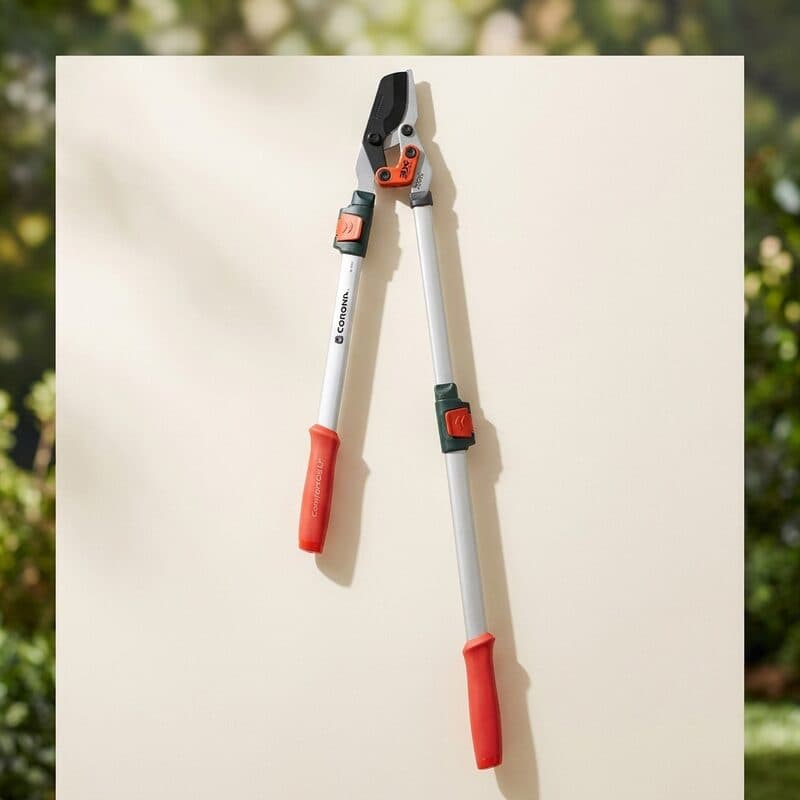
Versatile bypass
Corona DualLINK Extendable Bypass Lopper (SL 4364)
Best for: Gardeners who want a pro-grade extendable bypass lopper with a replaceable blade for years of clean cuts on live wood.
Keep in mind: Heavier in hand than aluminum-handled competitors, especially at full extension
Amazon price as of the checked date, subject to change. The price on Amazon at checkout applies.
Full research
- Type
- Bypass lopper
- Cut capacity
- Up to 1.75 in diameter
- Length
- Extendable handles, up to 37.5 in
- Mechanism
- DualLINK dual-pivot
Corona's DualLINK extendable bypass lopper pairs a dual-pivot power mechanism with a replaceable, resharpenable forged steel blade on telescoping handles that extend up to 37.5 inches, rated for green branches up to 1.75 inches.
This catalog-wide research score is separate from this guide's use-case ranking. How we research
Strengths
- DualLINK dual-pivot action delivers more power per squeeze than a single-pivot lopper
- Handles extend up to 37.5 inches for extra reach and leverage without a ladder
- Replaceable, resharpenable blade means the tool outlasts a single blade life
- Corona's professional reputation backs the forged steel hook and blade
Weaknesses
- Heavier in hand than aluminum-handled competitors, especially at full extension
- Extended handles add swing weight during long overhead sessions
Sprout Score breakdown
Best for
Gardeners who want a pro-grade extendable bypass lopper with a replaceable blade for years of clean cuts on live wood.
Owner rating snapshot
Amazon · 13 reviews · 4.7 stars
The Corona DualLINK sits in the practical middle: an affordable bypass lopper for the everyday work of shaping shrubs, thinning fruit trees, and cutting back perennials. Its dual-pivot linkage adds leverage over a single-pivot design without the cost of a full geared mechanism, the bypass blade keeps cuts clean on living wood, and the handles telescope up to 37.5 inches when you need extra reach into a canopy.
It is rated for branches up to 1.75 inches, and the extendable handles make it the tool you reach for during routine maintenance and light overhead work alike. Corona's replaceable parts and serviceable design also mean a well-cared-for pair lasts for years. You can see the Corona DualLINK's current price if a light, dependable bypass is what your garden needs.
How to choose loppers
The decision comes down to four things.
Bypass vs anvil. This is the big one. Choose bypass for living wood: the scissor action makes a clean cut that heals, which is what you want when shaping fruit trees, woody tomatoes, roses, and shrubs you want to keep healthy. Choose anvil for dead and dry wood, where the chisel-against-anvil action drives through tough material that would bind a bypass blade. Many gardeners eventually own one of each.
Cutting capacity. Loppers are rated by the maximum branch diameter they cut, usually 1 to 2 inches. Treat the rating as a ceiling for green wood and step down for hard, dry wood. If you are constantly forcing a branch near the limit, it is a job for a pruning saw instead.
Leverage mechanism. A plain single-pivot lopper relies entirely on handle length. Compound-action and geared mechanisms multiply your force through the cut, which is the difference between a clean pass and a stalled, splintered branch on thick wood. The extra mechanism is worth it if you cut a lot near the high end of the capacity range.
Blade and handle. Look for hardened, coated steel that sheds sap and resists rust, and handles that stay rigid under load. Aluminum and fiberglass handles resist the flex that wastes your effort. Weight matters too: a lighter lopper is less tiring for overhead work, while a heavier one can feel more planted on ground-level cuts.
| Product | Price | Best for | Buy |
|---|---|---|---|
| Fiskars PowerGear2 Bypass Lopper (32 in)#1 · BEST OVERALL | Typical price range · $40-$55 | Home gardeners who want maximum cutting leverage on branches up to 2 inches without buying a separate pruning saw. | Shop Amazon |
| TABOR TOOLS GG12 Anvil Lopper (30 in, Compound Action)#2 · BEST VALUE | Typical price range · $25-$40 | Gardeners clearing deadwood and dry branches who want strong compound leverage without spending on a premium lopper. | Shop Amazon |
| Corona DualLINK Extendable Bypass Lopper (SL 4364)#3 · VERSATILE BYPASS | Typical price range · $35-$50 | Gardeners who want a pro-grade extendable bypass lopper with a replaceable blade for years of clean cuts on live wood. | Shop Amazon |
Frequently asked questions
What is the difference between bypass and anvil loppers?
Bypass loppers cut like scissors, with a sharp blade sliding past a hook to make a clean cut that heals well, which is best for living wood. Anvil loppers close a single blade onto a flat surface, splitting through wood like a chisel, which is best for dead and dry branches. Use bypass for green growth you want to keep healthy, and anvil for clearing dead wood.
How thick a branch can loppers cut?
Most loppers are rated to cut branches between 1 and 2 inches in diameter. Treat that rating as a maximum for fresh green wood and cut something smaller when the branch is hard and dry. If you find yourself forcing the loppers near their limit, the branch is really a job for a pruning saw.
Are geared loppers worth the extra money?
If you regularly cut branches near the top of the capacity range, yes. A geared or compound mechanism multiplies your force through the cut, giving the most leverage exactly when the blade meets the hardest part of the wood. That is the difference between a clean cut and a stalled, splintered branch, and it saves your hands and shoulders over a long pruning session.
How do I keep loppers from getting stuck mid-cut?
A lopper binds when the blade is dull, the wood is too thick for the tool, or you twist the handles during the cut. Keep the blade sharp, stay within the rated capacity, and make a single straight closing motion without rocking side to side. For thick or dead wood, an anvil lopper or a pruning saw will bind far less than a bypass blade.
Our recommendation
Buy the Fiskars PowerGear2 if you want the best all-around lopper that powers through live wood with the least effort, choose the Tabor Tools GG12 to save money and tackle dead, dry branches, and reach for the Corona DualLINK as the light, dependable bypass for routine shaping. Match the design to your wood (bypass for living, anvil for dead), respect the capacity rating, and time your cuts to your plant's season for the healthiest results.