Aster yellows is one of the stranger problems in the garden because the symptoms look almost alien: green flowers, witch's-broom shoots, hairy carrots. It is not a fungus or a typical bacterium but a phytoplasma, and it spreads only when aster leafhoppers carry it from plant to plant as they feed. That single fact, that the disease travels on an insect and not by contact, shapes everything about how you manage it.
How to identify aster yellows
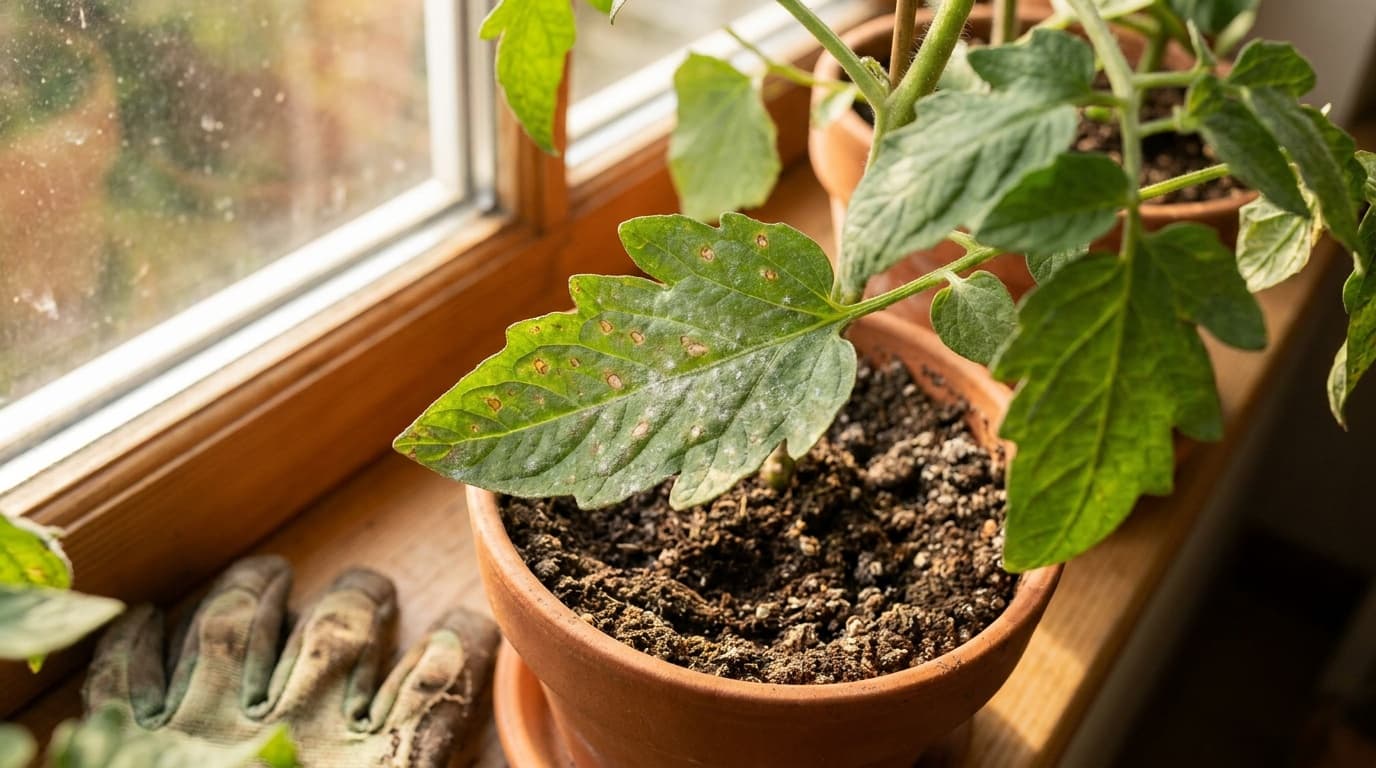
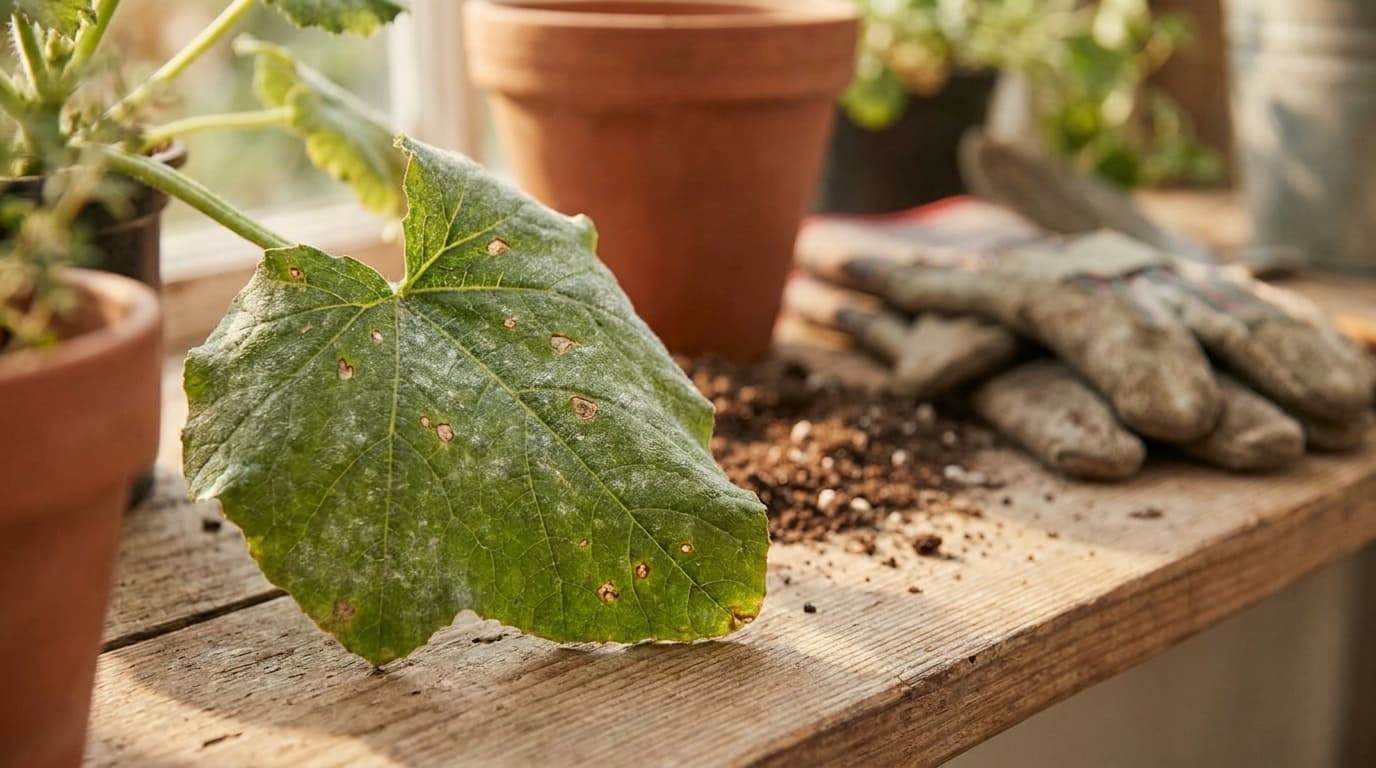
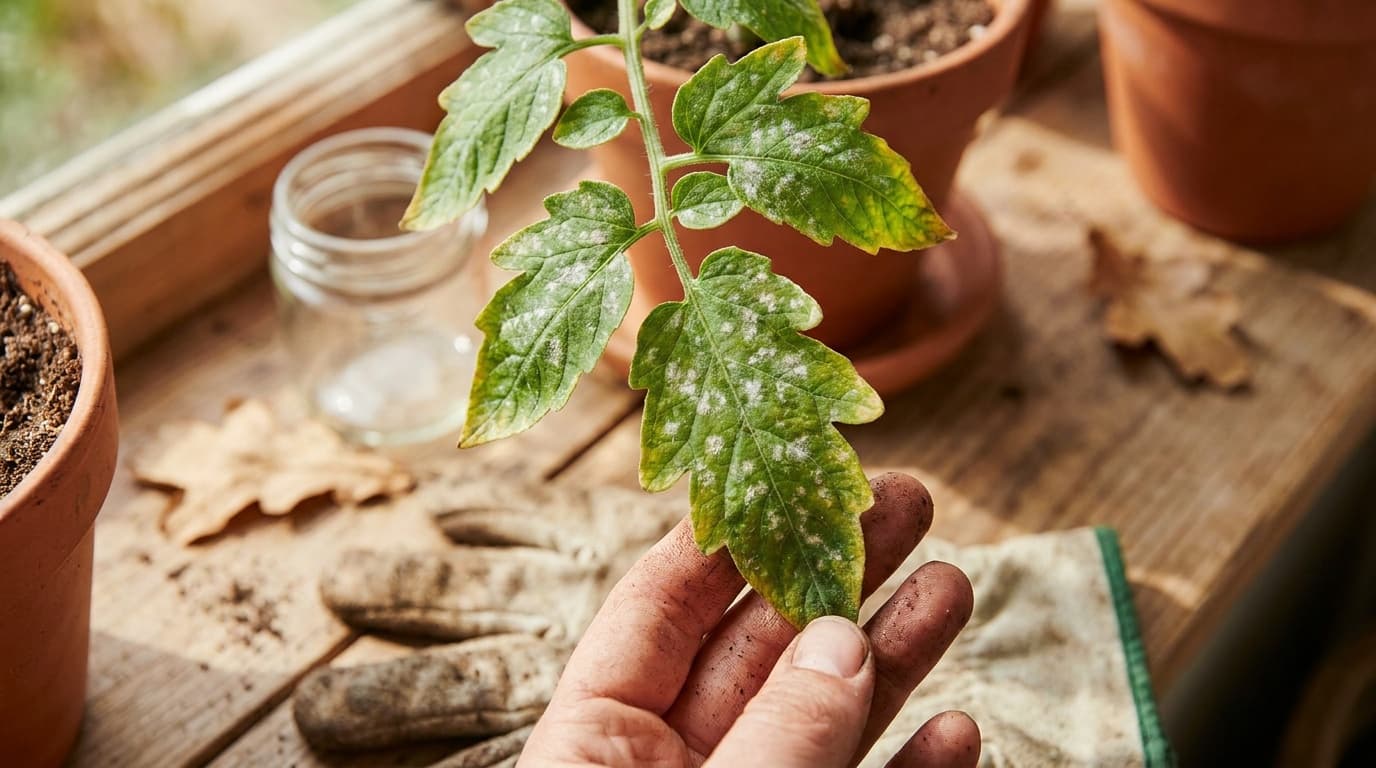
The hallmark is distorted, off-color growth rather than spots or rot. Symptoms vary by crop but share a weird, deformed quality.
The green-flower (phyllody) and witch's-broom symptoms are highly distinctive and rarely come from anything else. In carrots, the combination of yellow or reddish tops, hairy roots, and a bitter flavor is the classic sign. Because the symptoms are so distorted, aster yellows is easy to tell apart from leaf-spot diseases or nutrient problems.
What causes aster yellows
Aster yellows is caused by a phytoplasma that lives in a plant's food-conducting tissue. It does not survive on its own in the soil and does not spread by touch, tools, or splashing water. It spreads only when an aster leafhopper feeds on an infected plant, picks up the phytoplasma, and later feeds on a healthy plant. Leafhoppers can carry it long distances on the wind, and weeds and overwintering hosts act as reservoirs.
The key points about how it spreads:
- Leafhoppers are the only vector. No leafhopper feeding, no new infections. This is the central control insight.
- No plant-to-plant contagion. You cannot spread it by handling plants, by tools, or by splashing water, so there is nothing to disinfect.
- Weed and host reservoirs. Many weeds and ornamentals harbor the phytoplasma and feed the leafhopper population.
- Migratory pressure. In some regions leafhoppers blow in seasonally, so pressure varies year to year and place to place.
How to manage aster yellows
There is no cure, and there is no plant-to-plant spread to interrupt, so management focuses on removing infected plants and keeping leafhoppers off healthy ones.
Managing aster yellows
Remove infected plants promptly
Control weed reservoirs
Exclude leafhoppers with row cover
Monitor for leafhoppers
Do not bother spraying the disease
Because the disease rides on leafhoppers, the most useful tool is a physical barrier that keeps them off vulnerable crops. A lightweight floating row cover laid over the bed lets in light, air, and water while excluding leafhoppers, and it is the closest thing to prevention you have for a disease with no cure.
Some links on this page are affiliate links. As an Amazon Associate I earn from qualifying purchases.
Leafhopper exclusion
Agribon AG-19 Floating Row Cover
Best for: Gardeners who want cheap frost protection and pest exclusion in one fabric.
Keep in mind: Lightweight fabric tears and wears over seasons
Amazon price as of the checked date, subject to change. The price on Amazon at checkout applies.
Full research
- Weight
- 0.55 oz per sq yd
- Frost protection
- Down to roughly 28F
- Light transmission
- About 85%
- Material
- Spun-bonded polypropylene
A lightweight spun-bonded row cover that drapes over crops to add a few degrees of frost protection while still letting in light and water. It doubles as a physical barrier against many insect pests.
This catalog-wide research score is separate from this guide's use-case ranking. How we research
Strengths
- Extends the growing season at both ends
- Excludes many pests without chemicals
- Passes most light and water so it can stay on
Weaknesses
- Lightweight fabric tears and wears over seasons
- Needs hoops or pins to stay put in wind
Sprout Score breakdown
Best for
Gardeners who want cheap frost protection and pest exclusion in one fabric.
Install the cover early, before leafhoppers arrive, and seal the edges so they cannot slip underneath. For crops that need pollination, this is a barrier for the vegetative stages; manage timing accordingly.
How to prevent aster yellows
- Exclude leafhoppers from susceptible crops with floating row cover, installed early and sealed at the edges.
- Remove infected plants immediately so they cannot serve as a source for leafhoppers.
- Control weeds in and around the garden that act as phytoplasma and leafhopper reservoirs.
- Monitor leafhopper activity, especially in regions where they migrate in seasonally.
- Do not waste effort spraying the disease, since there is no plant-to-plant spread to interrupt.
- Time plantings well. Use the planting calendar so vulnerable crops can be covered and well established during peak leafhopper periods.
Which plants get aster yellows
Aster yellows has a very broad host range, several hundred species across many families. Among garden edibles, carrot and lettuce are classic and commonly affected hosts, and it can show up on many others. It is also a major problem on ornamental flowers in the aster family and beyond, which often act as reservoirs near the vegetable garden. Because the disease moves on leafhoppers rather than within a plant family, rotation alone does not stop it; vector control and infected-plant removal are what matter.
Can aster yellows be cured?
No. Once a plant is infected with the aster yellows phytoplasma there is no cure, and the plant should be removed and destroyed. Because it lives in the plant's food-conducting tissue and is spread by leafhoppers, no spray heals an infected plant. Management is preventive: remove infected plants, control weed reservoirs, and exclude leafhoppers from healthy crops.
Is aster yellows contagious from plant to plant?
Not by contact. Aster yellows cannot spread by touching plants, by tools, or by splashing water, so there is nothing to disinfect. It spreads only when an aster leafhopper feeds on an infected plant and then on a healthy one. That is why blocking leafhoppers with row cover and removing infected plants are the core controls, and why spraying for the disease itself does nothing.
Are carrots with aster yellows safe to eat?
The disease itself is not a human health hazard, but affected carrots are generally not worth eating. Aster yellows makes carrot roots hairy and misshapen with discolored tops and a bitter taste, so the quality is poor. Most gardeners pull and destroy affected carrots both because they are unpalatable and because they are a source the leafhoppers can spread from.
How does row cover help with aster yellows?
Aster yellows spreads only through leafhopper feeding, so a floating row cover that physically keeps leafhoppers off the crop blocks the only route of infection. Install the cover early, before leafhoppers arrive, and seal the edges so insects cannot slip under. It is the most reliable preventive tool for a disease that has no cure.
Aster yellows is unusual because the disease cannot be cured and cannot spread by contact: it lives and travels on leafhoppers. Pull and destroy infected plants, control weed reservoirs, and keep leafhoppers off vulnerable crops with sealed row cover, and you cut the only path the disease has.