Late blight is the disease behind the Irish potato famine, and it has lost none of its speed. Unlike early blight, which creeps up a plant over weeks, late blight can take a thriving tomato patch to blackened collapse within a week of the first spots in the right weather. Its spores travel long distances on the wind, so an outbreak in your garden is a problem for every tomato and potato grower nearby. Recognizing it fast and acting decisively is the entire strategy, because by the time you see symptoms there is no saving the infected plant.
How to identify late blight
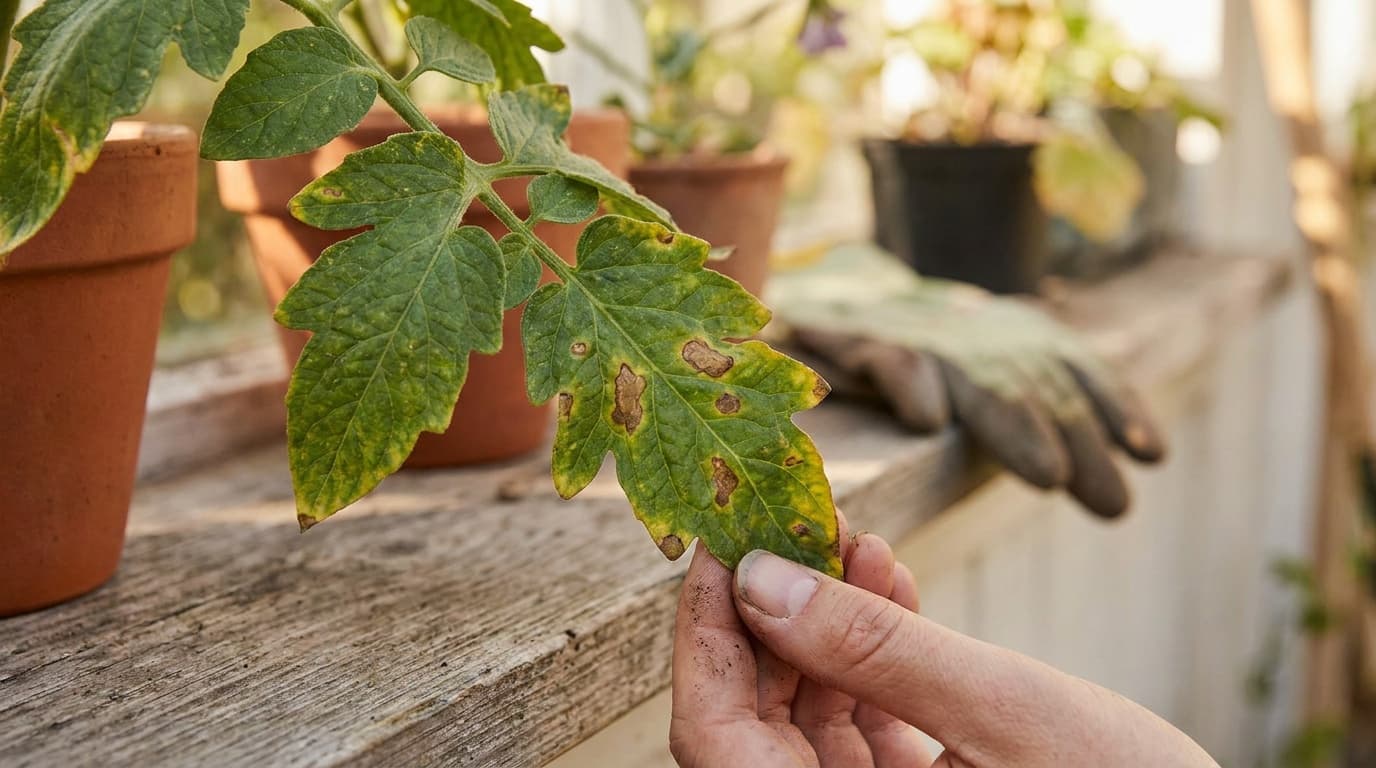
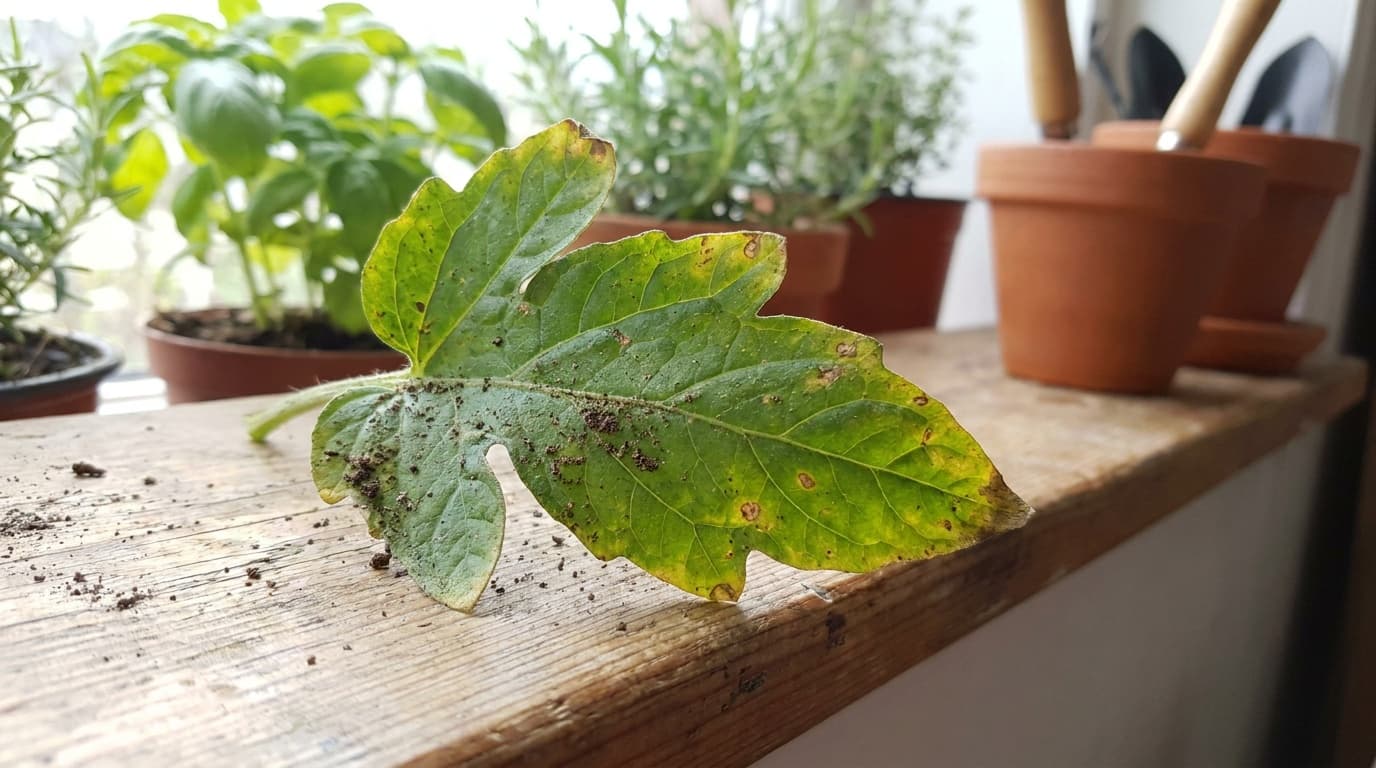
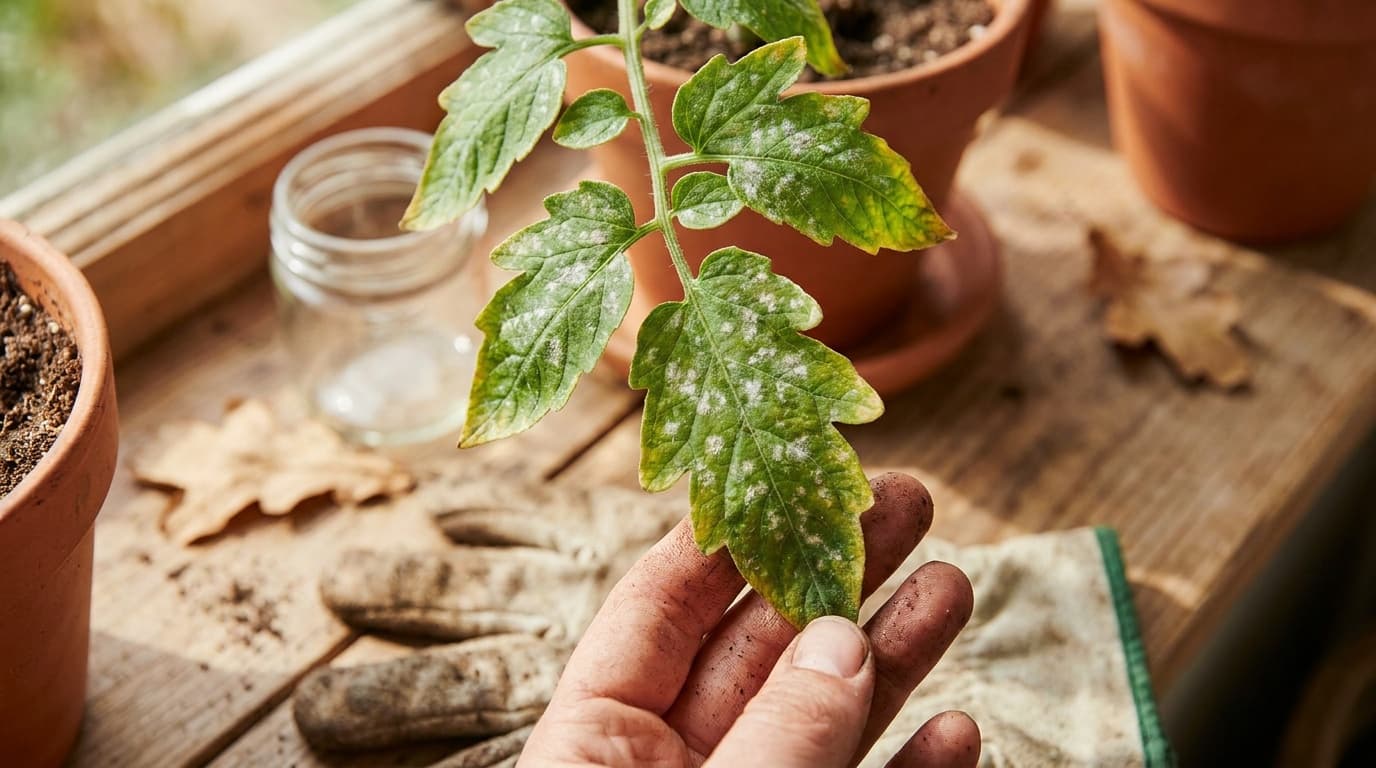
Late blight looks different from the tidy ringed spots of early blight. Watch for:
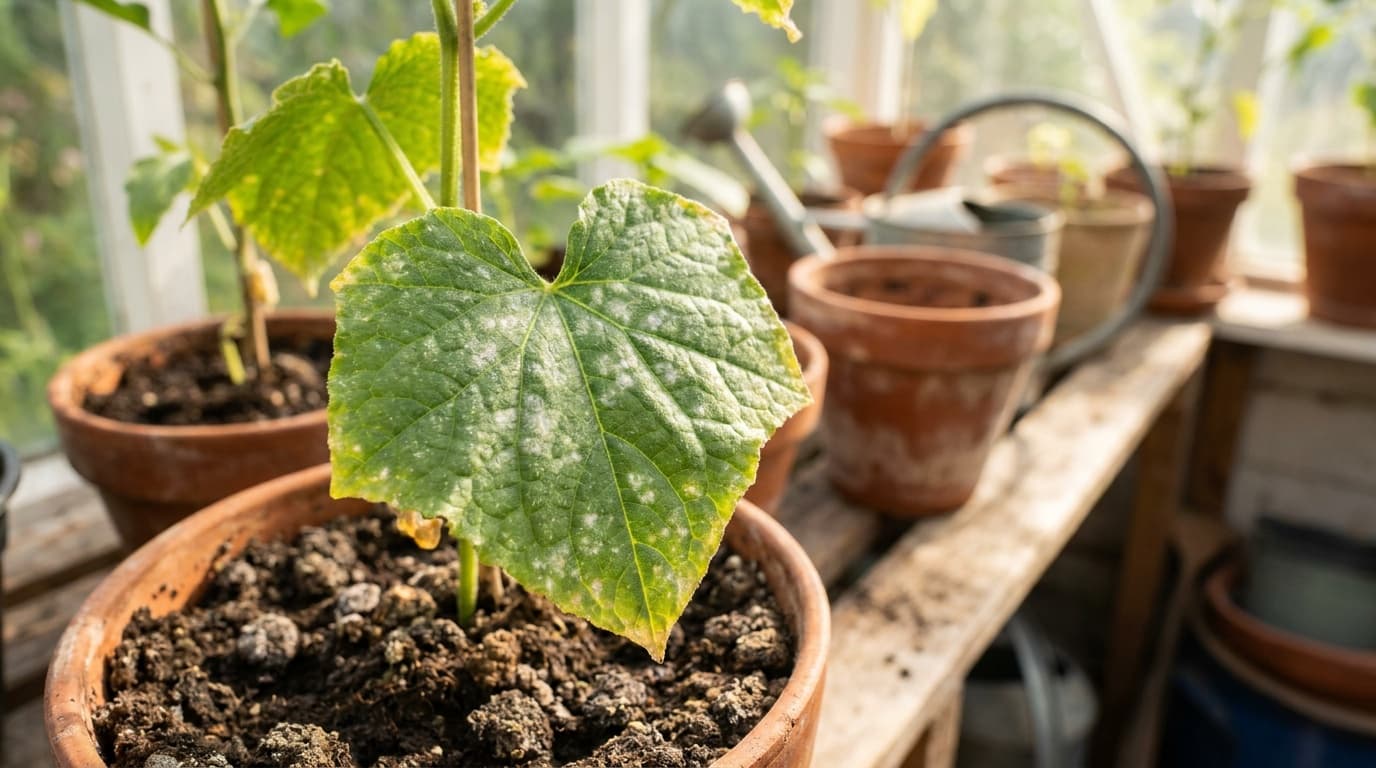
The combination of large greasy blotches, white mold on the undersides, stem lesions, and shocking speed sets late blight apart. If the spots are small with target rings and the plant is declining slowly from the bottom, you likely have the far less serious early blight instead.
What causes late blight
Late blight is caused by Phytophthora infestans, a water mold, not a true fungus. It needs cool, wet, humid weather: temperatures roughly in the 60s to low 70s Fahrenheit with prolonged leaf wetness from rain, fog, dew, or overhead watering. Its spores are produced in huge numbers and carried long distances on the wind, so it can arrive in your garden from miles away.
It overwinters in living tissue, which in home gardens usually means infected potato tubers left in the ground or in cull piles, and volunteer potato and tomato plants. Those become the spring source that launches the next outbreak.
The conditions and sources that drive it:
- Cool, wet, humid weather. Stretches of rainy, foggy, overcast days are the classic trigger.
- Wet foliage. Leaf wetness from rain, dew, fog, or overhead watering lets spores germinate.
- Infected seed potatoes and tubers. The most common starting source in home gardens.
- Volunteer plants and cull piles. Last year's leftover potatoes that sprout this year can carry the disease forward.
- Wind-blown spores. A regional outbreak can reach your garden without any local source.
What to do if you have late blight
There is no treatment that saves an infected plant. The steps protect everything else.
Responding to late blight
Confirm it
Remove infected plants immediately
Destroy, do not compost
Check and dig tomatoes and potatoes
Alert nearby gardeners
How to prevent late blight
Since there is no cure, prevention is everything, and it is mostly sanitation and keeping foliage dry.
The most controllable on-site factor is leaf wetness. Watering at the base instead of overhead means you are not adding the leaf moisture this water mold needs to germinate. A flat soaker hose puts water at the roots and keeps the canopy dry.
Some links on this page are affiliate links. As an Amazon Associate I earn from qualifying purchases.
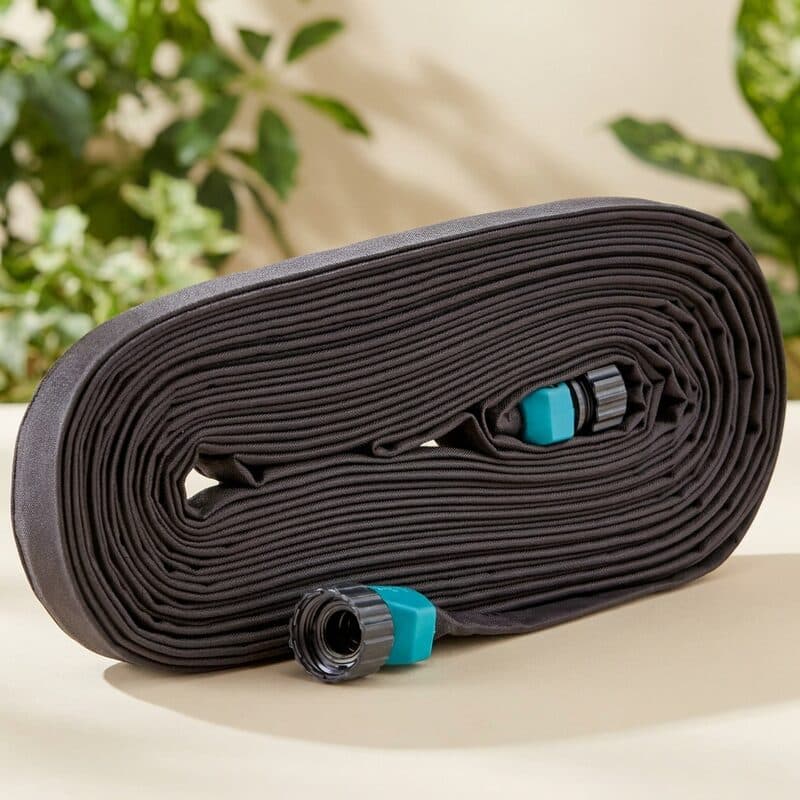
Dry foliage
Gilmour Flat Weeper Soaker Hose
Best for: Row and border gardeners who want low-waste, root-zone watering on a budget.
Keep in mind: Even output drops over very long runs and on slopes
Amazon price as of the checked date, subject to change. The price on Amazon at checkout applies.
Full research
- Type
- Flat weeper soaker hose
- Lengths
- Available in multiple lengths
- Delivery
- Seeps along the full length
- Connection
- Standard hose faucet
Gilmour's flat weeper soaker hose seeps water along its length to deliver moisture at the root zone, lying flat along rows and borders.
This catalog-wide research score is separate from this guide's use-case ranking. How we research
Strengths
- Delivers water directly to the root zone with little waste
- Flat profile lies neatly along rows and borders
- Inexpensive and easy to route through a bed
Weaknesses
- Even output drops over very long runs and on slopes
- Should be drained and stored to avoid winter damage
Sprout Score breakdown
Best for
Row and border gardeners who want low-waste, root-zone watering on a budget.
Owner rating snapshot
Amazon · 49 reviews · 4.2 stars
Watering in the early morning, on a timer, gives leaves the whole day to dry, and a weather-aware timer skips cycles after rain so you are never compounding wet weather with more moisture.
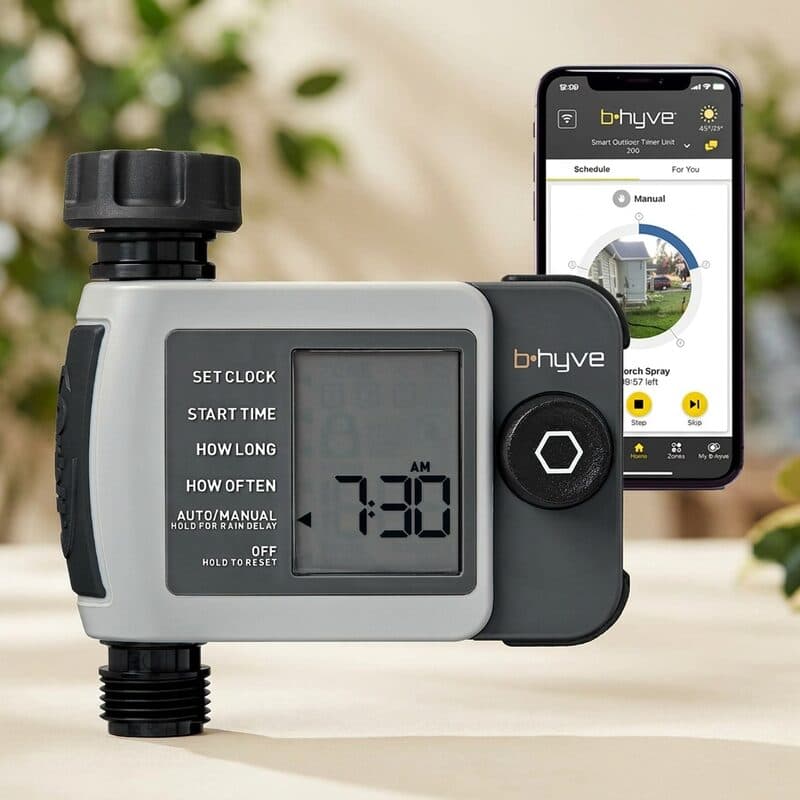
Morning, rain-skipping
Orbit B-hyve Smart Hose Faucet Timer
Best for: Gardeners who want app control and weather-aware automatic watering.
Keep in mind: WiFi setup can be finicky at the faucet's signal range
Amazon price as of the checked date, subject to change. The price on Amazon at checkout applies.
Full research
- Connectivity
- WiFi and Bluetooth
- Scheduling
- App-based, weather-adjusting
- Zones
- Single outlet (multi-outlet models available)
- Power
- Battery powered
Orbit's B-hyve smart timer adds WiFi and Bluetooth control with weather-based scheduling, automating faucet watering from a phone app.
This catalog-wide research score is separate from this guide's use-case ranking. How we research
Strengths
- Weather-based scheduling skips watering after rain
- Controllable from a phone over WiFi or Bluetooth
- Flexible programs for multiple watering windows
Weaknesses
- WiFi setup can be finicky at the faucet's signal range
- Costs more than a basic mechanical dial timer
Sprout Score breakdown
Best for
Gardeners who want app control and weather-aware automatic watering.
Owner rating snapshot
Amazon · 17 reviews · 4.1 stars
The rest of prevention is sanitation and airflow:
- Use certified disease-free seed potatoes, never grocery-store potatoes of unknown origin.
- Destroy cull piles and pull volunteer potato and tomato plants, the main overwintering sources.
- Space and prune for airflow so leaves dry fast after rain and dew.
- Scout daily in cool, wet weather, especially during regional outbreak alerts, so you catch it before it spreads.
- Choose resistant varieties where available; some modern tomatoes and potatoes carry useful resistance.
- Time plantings with the planting calendar and your frost dates so crops mature before the cool, damp stretches of late season that favor the disease.
Which plants get late blight
Late blight is specific to the nightshade family, hitting tomato and potato hardest, since both are prime hosts that share the pathogen and can pass it between each other. Pepper and eggplant are in the same family and can occasionally be affected, though far less than tomatoes and potatoes. Because tomatoes and potatoes infect one another, never grow them adjacent if late blight has been a regional problem, and never plant either where infected tubers may remain.
What does late blight look like?
Late blight produces large, irregular, greasy-looking gray-green to brown blotches on leaves and stems, often with a downy white mold on the leaf undersides in humid weather. Stems develop firm dark lesions, and the plant can brown and collapse within days. On fruit, look for large firm brown greasy patches. The speed of collapse and the white underside mold distinguish it from the slower, ring-spotted early blight.
Can you treat late blight on tomatoes?
Not at the home level once a plant is infected. There is no cure that saves an infected tomato or potato plant. The correct response is to remove and destroy affected plants immediately, bagging them for the trash rather than composting, to stop the spores from spreading to your other plants and to neighboring gardens. Prevention through sanitation, airflow, and dry foliage is the only real control.
Can you eat tomatoes or potatoes with late blight?
Discard any fruit or tubers showing the firm brown rot of late blight, as the rotted tissue is not edible and can carry the disease forward. Tomatoes and potatoes from an infected plant that show no symptoms are generally safe to eat if used promptly, but inspect carefully. Never save infected potatoes for next year's seed, since they overwinter the disease.
How does late blight spread so fast?
Late blight is a water mold that produces enormous numbers of spores, which travel long distances on wind and germinate quickly wherever leaves are wet in cool, humid weather. A single infected plant can seed an outbreak across a whole area, and individual plants can collapse within days. That speed and wind dispersal are why immediate removal and alerting nearby gardeners matter so much.
Late blight requires immediate action. Once you confirm it, remove and destroy infected plants, keep nearby tomato and potato foliage dry, use clean seed, and alert nearby gardeners. There is no cure for an infected plant.