Stink bugs are shield-shaped insects, roughly half an inch long, in shades of green, brown, or gray, named for the foul odor they release when disturbed or crushed. They feed by inserting a needle-like mouthpart into leaves, pods, and especially fruit, sucking out plant juices. The feeding itself is small, but it leaves behind a dimpled, sunken, or corky spot, often pale or yellowish, that disfigures the fruit and can open the door to secondary rot. The invasive brown marmorated stink bug has made this a bigger problem in many areas, since it feeds on a very wide range of crops and gathers in large numbers.
How to identify stink bug damage
The bugs themselves are easy to spot, and the damage has a consistent signature on fruit.
On tomatoes, look for the cloudy, yellowish, slightly raised spots just under the skin, often called cloudy spot. On peppers and beans, feeding shows as pitting and deformed pods or seeds. Because the marks appear only after feeding, the priority is to keep numbers down before the fruit sets and ripens.
How to control stink bugs, step by step
The plan
Scout in the morning
Hand-pick into soapy water
Destroy egg masses
Exclude young plants
Clean up shelter
Row cover helps on young and pre-flowering plants
A floating row cover excludes stink bugs while plants are young, and on crops that do not need insect pollination it can stay on longer. On fruiting crops like tomatoes, peppers, and beans you will need to uncover for pollination and fruit set, so use the cover as an early-season tool and switch to scouting and hand-picking once flowers open.
Some links on this page are affiliate links. As an Amazon Associate I earn from qualifying purchases.
Early-season exclusion
Agribon AG-19 Floating Row Cover
Best for: Gardeners who want cheap frost protection and pest exclusion in one fabric.
Keep in mind: Lightweight fabric tears and wears over seasons
Amazon price as of the checked date, subject to change. The price on Amazon at checkout applies.
Full research
- Weight
- 0.55 oz per sq yd
- Frost protection
- Down to roughly 28F
- Light transmission
- About 85%
- Material
- Spun-bonded polypropylene
A lightweight spun-bonded row cover that drapes over crops to add a few degrees of frost protection while still letting in light and water. It doubles as a physical barrier against many insect pests.
This catalog-wide research score is separate from this guide's use-case ranking. How we research
Strengths
- Extends the growing season at both ends
- Excludes many pests without chemicals
- Passes most light and water so it can stay on
Weaknesses
- Lightweight fabric tears and wears over seasons
- Needs hoops or pins to stay put in wind
Sprout Score breakdown
Best for
Gardeners who want cheap frost protection and pest exclusion in one fabric.
Hand-picking is the dependable everyday work
Because sprays struggle against mobile adults, steady hand-picking is the backbone of home-garden control. Early morning is best, when the bugs are slow and easy to drop into soapy water. A pair of gloves makes it less unpleasant to handle them, given the odor.
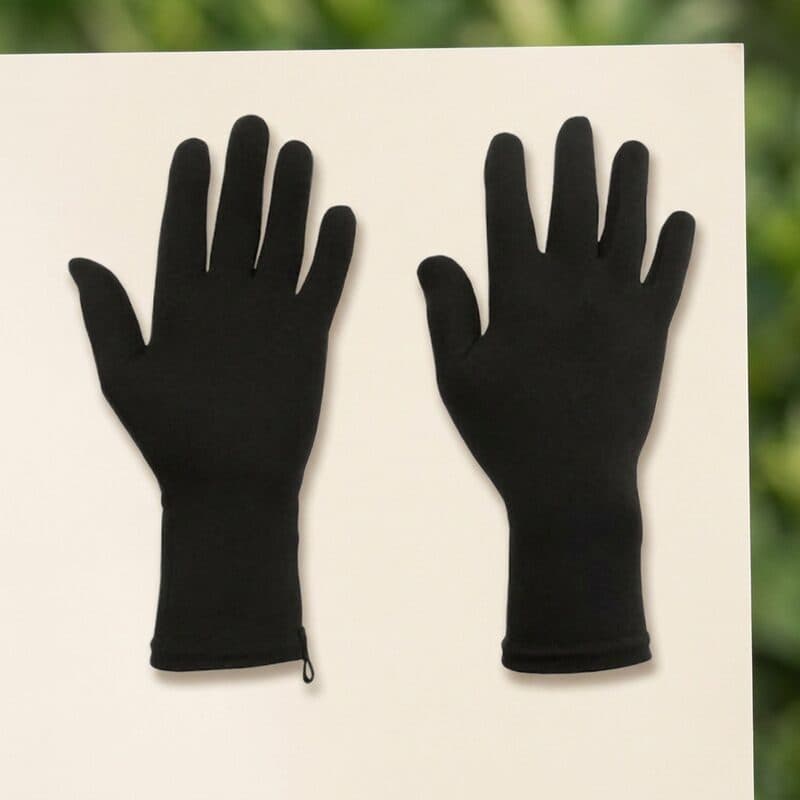
For hand-picking
Foxgloves Original Gardening Gloves
Best for: Gardeners who want a snug, dexterous glove for detailed work over heavy protection.
Keep in mind: Thin shell is not puncture- or thorn-proof
Amazon price as of the checked date, subject to change. The price on Amazon at checkout applies.
Full research
- Material
- Nylon-spandex blend
- Fit
- Second-skin stretch
- Coverage
- Extended wrist cuff
- Care
- Machine washable
Foxgloves Original gloves use a stretch nylon-spandex shell for a second-skin fit, favored for dexterity and wrist coverage on detailed tasks.
This catalog-wide research score is separate from this guide's use-case ranking. How we research
Strengths
- Second-skin fit preserves fine dexterity
- Extended cuff protects wrists from scrapes
- Machine washable for easy upkeep
Weaknesses
- Thin shell is not puncture- or thorn-proof
- Higher price than basic utility gloves
Sprout Score breakdown
Best for
Gardeners who want a snug, dexterous glove for detailed work over heavy protection.
Which plants are at risk, and how to plan
Stink bugs feed on a wide range of crops, with fruiting vegetables hit hardest. Tomato and pepper show cloudy, corky spots on the fruit, green beans and peas develop pitted pods and deformed seeds, and sweet corn takes feeding damage on the kernels at the ear tip. The invasive brown marmorated stink bug adds many more hosts to the list.
Timing can reduce exposure. Use the planting calendar for your ZIP to schedule plantings so the most vulnerable fruiting stage does not line up with peak stink bug numbers in late summer where possible. Knowing your frost dates helps you plan an earlier crop that fruits before populations build, or a fall crop in cooler weather.
Are stink bug marks on tomatoes safe to eat?
Yes. The cloudy, corky spots are surface and just-under-the-skin damage from feeding, not a health hazard, so you can cut away the affected area and eat the rest of the fruit. The trouble is quality and storage: damaged tomatoes look unappealing and the feeding wounds can let in rot, so heavily marked fruit may not keep well. Pick and use damaged fruit promptly rather than leaving it on the plant.
Why are sprays not very effective against stink bugs?
Stink bug adults are strong fliers that continually reinvade from surrounding weeds, woods edges, and other gardens, so even after a spray knocks down the ones present, new bugs move in. They also feed deep in the canopy and on protected fruit. For these reasons, home-garden control leans on physical tactics, scouting and hand-picking, destroying egg masses, excluding young plants with row cover, and managing weedy borders, rather than on repeated spraying.
What is the brown marmorated stink bug and why is it worse?
The brown marmorated stink bug is an invasive species, marbled brown with white bands on the antennae and legs, that has spread across much of the country. It is worse than native stink bugs because it feeds on an unusually wide range of fruits and vegetables, builds up in large numbers, and gathers on and inside houses in fall. The garden control measures are the same, but you should expect higher pressure and more persistent reinvasion where it is established.
Does cleaning up weeds and debris really help with stink bugs?
Yes. Stink bugs breed in weedy areas and shelter in garden debris and leaf litter, especially over winter, so mowing weedy borders and clearing crop residue lowers the local population that moves into your vegetables. It will not eliminate them, because they fly in from a wide area, but reducing the nearby breeding and overwintering sites is one of the few cultural tools that cuts pressure.
What to do now
Stink bugs disfigure fruit by piercing and feeding, and because the adults reinvade constantly, there is no single spray that solves it. Scout in the cool morning and hand-pick adults and nymphs, crush egg masses, exclude young or pre-flowering plants with row cover, and keep weedy borders and debris under control. Time vulnerable fruiting crops with the planting calendar to dodge peak numbers, and pick damaged fruit promptly so it does not rot on the plant.