Our recommendations
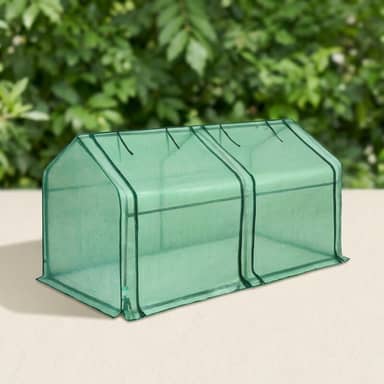
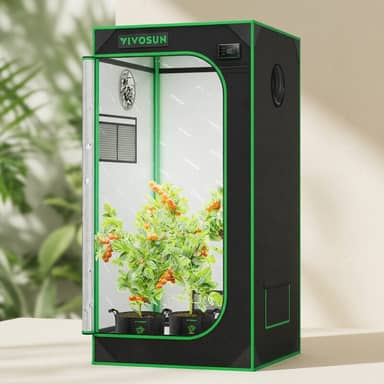

The phrase "mini greenhouse" gets attached to everything from a 99-cent plastic tray lid to a walk-in patio structure, which makes shopping confusing. They are not competing products so much as three answers to three different questions: how do I protect plants outdoors in shoulder season, how do I create a controlled indoor growing environment, and how do I get seeds to germinate reliably indoors? This guide sorts the field by purpose so you buy the tool that fits what you are actually trying to do, rather than the one with the most appealing photo.
Three tools for three jobs
Before you buy, decide which job you are solving, because the answers barely overlap.
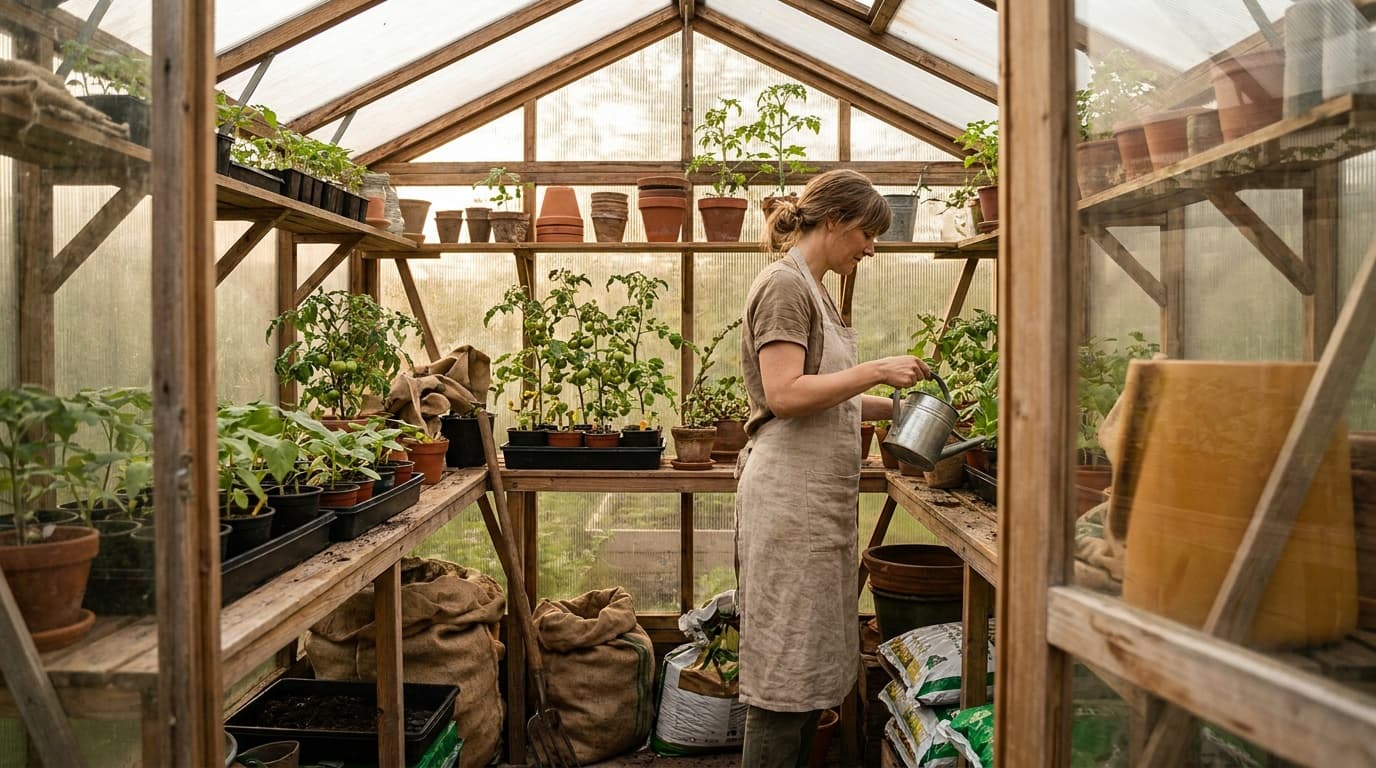
Outdoor season extension means protecting plants from cold outside, hardening off seedlings, and starting or finishing the season a few weeks earlier or later. A portable greenhouse with a clear cover and shelving traps daytime warmth and shields from frost and wind. It lives on a patio, deck, or in a yard.
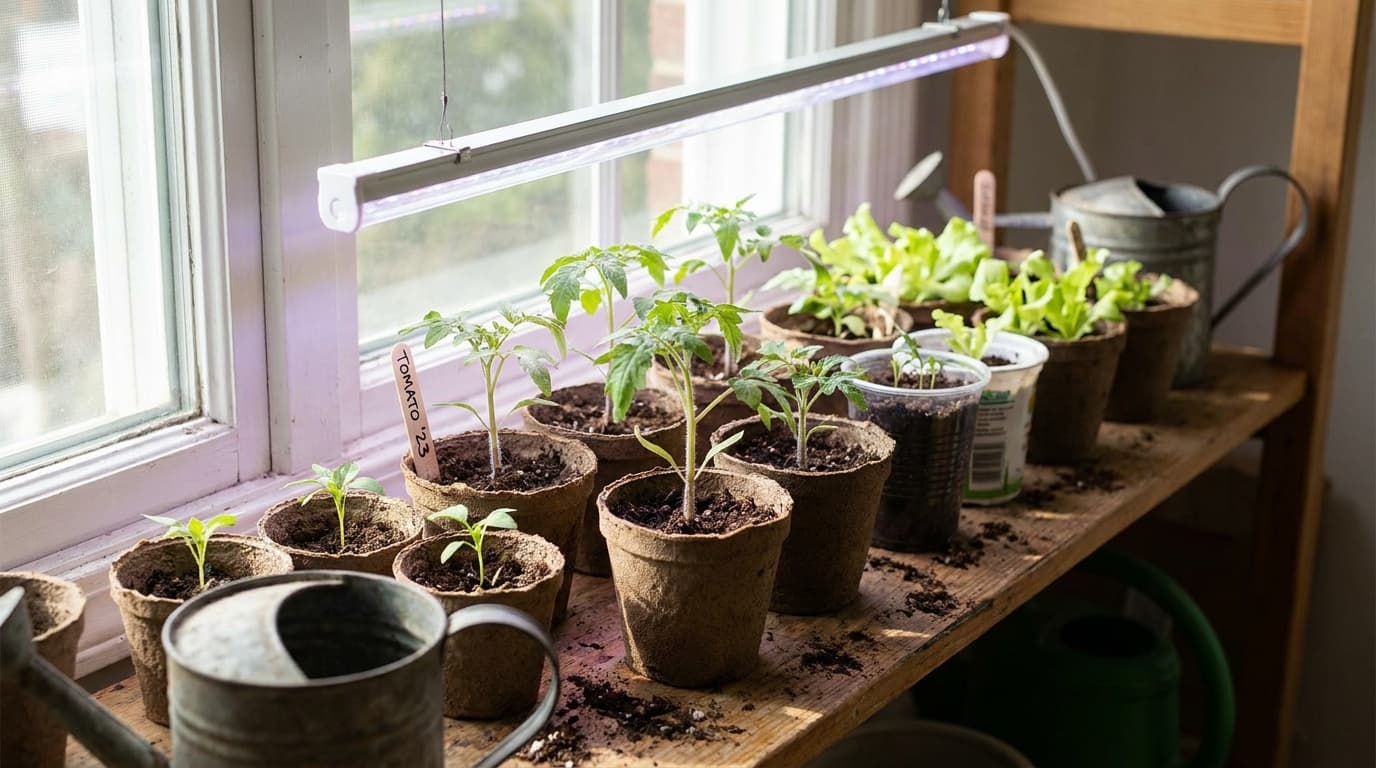
A controlled indoor environment means a dedicated space, usually paired with a grow light, where you manage light, temperature, and humidity year-round. A grow tent is a zippered, reflective enclosure that does this in a closet or corner, away from pets and drafts.
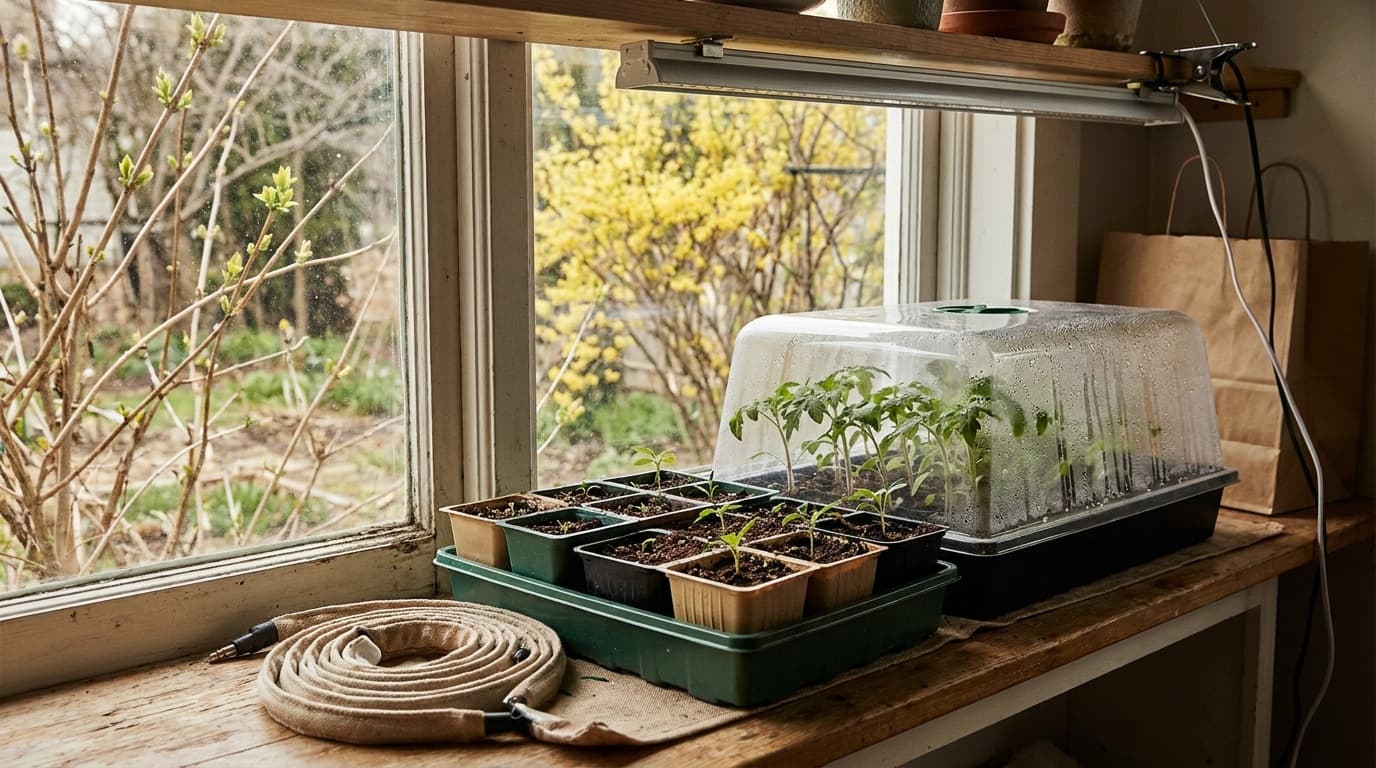
Germination help is the smallest job and the cheapest fix: a clear dome over a seed tray that holds heat and humidity until seeds sprout. It is an accessory to a tray, not a structure you stand in.
Best for outdoor season extension: Quictent Portable Greenhouse
Best outdoors
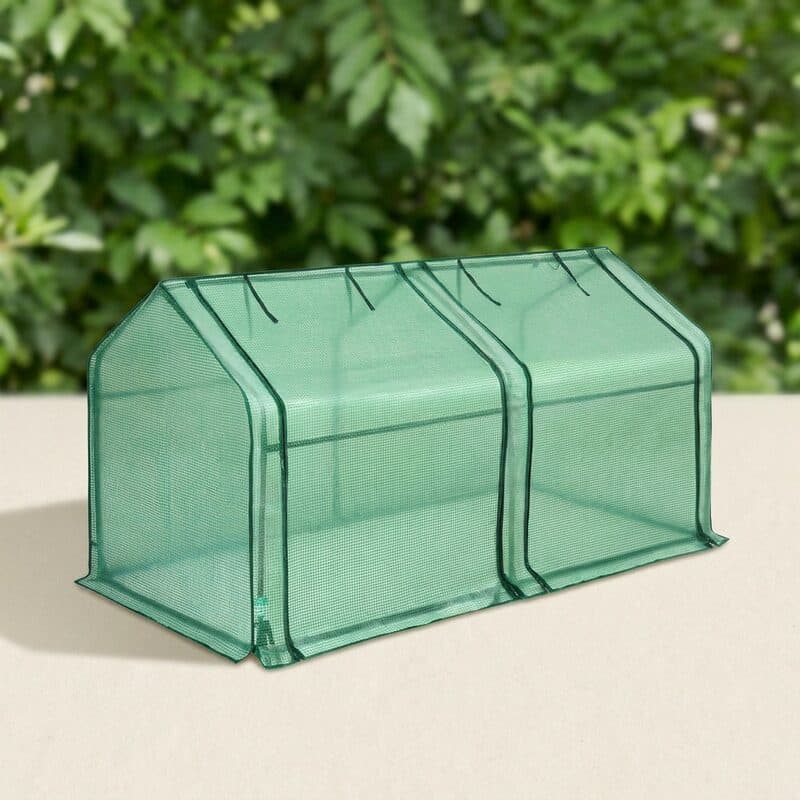
Quictent Portable Greenhouse
Best for: Hobby gardeners who want an inexpensive, movable season-extension shelter.
Keep in mind: Lightweight cover degrades in sun and wind over time
Amazon price as of the checked date, subject to change. The price on Amazon at checkout applies.
Full research
- Type
- Walk-in portable greenhouse
- Frame
- Powder-coated steel tube
- Cover
- Reinforced PE with mesh windows
- Features
- Roll-up zippered door, ground stakes and ropes
A walk-in portable greenhouse with a reinforced PE cover over a powder-coated steel frame. It creates a sheltered, warmer space for hardening off seedlings and protecting tender plants in shoulder seasons.
This catalog-wide research score is separate from this guide's use-case ranking. How we research
Strengths
- Affordable walk-in covered growing space
- Quick to assemble and relocate
- Mesh windows and roll-up door help vent heat
Weaknesses
- Lightweight cover degrades in sun and wind over time
- Must be staked and guyed securely or it can blow over
Sprout Score breakdown
Best for
Hobby gardeners who want an inexpensive, movable season-extension shelter.
Owner rating snapshot
Amazon · 35 reviews · 4.1 stars
The Quictent Portable Greenhouse is the pick for buying yourself weeks at each end of the outdoor season. The clear cover traps daytime warmth around your plants and shields them from frost, wind, and heavy rain, and the tiered shelving holds a surprising number of trays and pots in a small footprint. It is a practical way to harden off seedlings, overwinter tender plants, or push tomatoes and peppers a few weeks earlier in spring.
Like nearly every lightweight portable greenhouse, it must be anchored. Owners who skip the stakes or base weights report that it catches the wind, and the cover and zippers are the parts most likely to wear over several seasons. Set it against a wall, away from the worst wind. Anchor it well and vent it on sunny days so the plants do not overheat.
Best indoor grow space: VIVOSUN Grow Tent
Alternative Indoor grow tent
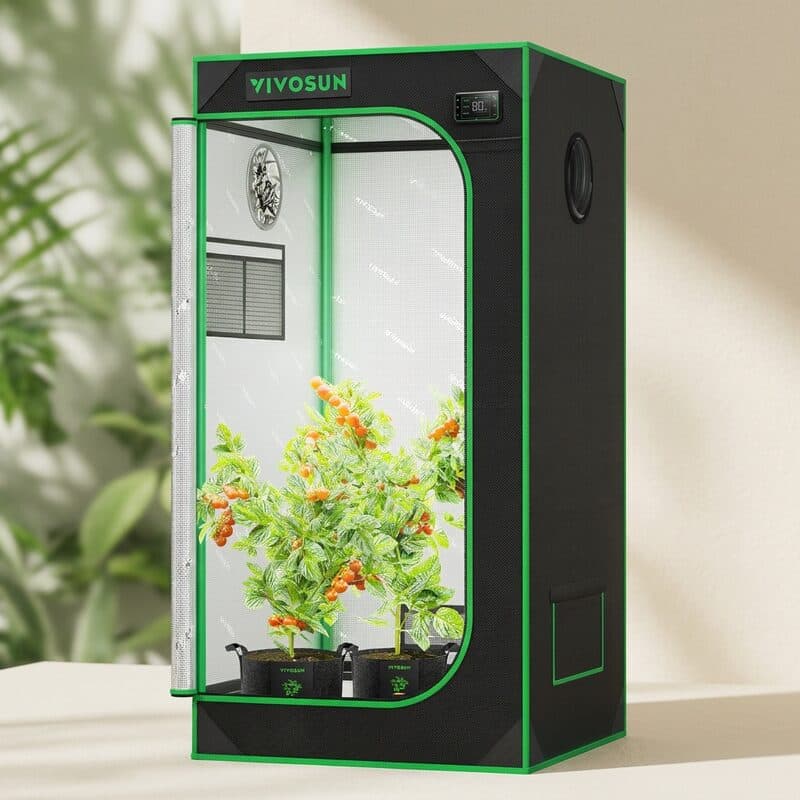
VIVOSUN Grow Tent (24 x 24 x 48 in)
Best for: Creating a controlled, reflective microclimate for seed starting indoors.
Keep in mind: Zippers can snag or wear over time
Amazon price as of the checked date, subject to change. The price on Amazon at checkout applies.
Full research
- Size
- 24 x 24 x 48 in (2x2 footprint)
- Lining
- Reflective mylar (light-proof)
- Frame
- Metal poles and corner connectors
- Ports
- Ducting and cord ports, viewing window
A reflective, light-tight 2x2 enclosure that concentrates light and holds a stable warm, humid microclimate for seedlings or a small grow. A popular first tent.
This catalog-wide research score is separate from this guide's use-case ranking. How we research
Strengths
- Reflective lining maximizes light efficiency
- Contains heat and humidity for steady germination
- Affordable complete enclosure
Weaknesses
- Zippers can snag or wear over time
- Needs its own light and ventilation
Sprout Score breakdown
Best for
Creating a controlled, reflective microclimate for seed starting indoors.
Owner rating snapshot
Amazon · 335 reviews · 4.5 stars
The VIVOSUN Grow Tent (24 by 24 by 48 inches) creates a controlled indoor growing room in a closet, corner, or spare space. The light-proof exterior and highly reflective interior lining bounce a grow light back onto your plants for even coverage, while the sturdy poles, observation window, and vented ports for cords and ducting make it a genuine small growing environment rather than a novelty. It is ideal for raising seedlings, keeping herbs through winter, or growing a few plants where you control light and temperature precisely.
A tent is only half a system: you supply the grow light, and usually a small fan for air movement, which adds to the cost. The 2 by 2 foot footprint is compact, so it suits a modest number of plants rather than a large flat. For gardeners who want a dedicated, contained indoor setup, it is well made and well priced.
Best germination boost: VIVOSUN Tray-and-Dome Kit

Companion Seedling dome
VIVOSUN 6-Pack Seed Starter Trays with Humidity Domes
Best for: Gardeners starting several compact seed batches who want cells, base trays, and vented domes together.
Keep in mind: Thin plastic can crack with rough handling
Amazon price as of the checked date, subject to change. The price on Amazon at checkout applies.
Full research
- Quantity
- 6 complete tray sets
- Cells
- 12 cells per insert
- Vents
- Adjustable top vents for humidity control
- Material
- Clear plastic
Six compact 12-cell propagation trays with base trays and adjustable humidity domes. The complete sets retain germination moisture while keeping small seed batches organized.
This catalog-wide research score is separate from this guide's use-case ranking. How we research
Strengths
- Adjustable vents control humidity as seedlings mature
- Includes cell inserts, base trays, and domes
- Good value for several small seed batches
Weaknesses
- Thin plastic can crack with rough handling
- Smaller cells need timely potting-on
Sprout Score breakdown
Best for
Gardeners starting several compact seed batches who want cells, base trays, and vented domes together.
The VIVOSUN six-pack is the smallest and cheapest system here, and for germinating several small seed batches indoors it is often all you need. Each 12-cell insert has a base tray and clear dome that traps the warmth and humidity seeds need, while adjustable vents release moisture as seedlings emerge. Paired with a heat mat, it is a compact, organized seed-starting setup.
It is an accessory, not a structure, so it does nothing for season extension or for growing plants beyond the seedling stage. The vents are the feature that matters: a dome with no airflow control traps too much moisture and invites damping-off. Open the vents as sprouts appear and remove each dome once seedlings are established.
How to choose a mini greenhouse
Choose by job. Outdoor protection, indoor growing, and seed germination call for three different tools. Buying the wrong type is the most common mistake.
Footprint and capacity. Measure your patio, closet, or shelf and count the trays or pots you actually want to hold. A structure that is too small frustrates you; one too large wastes space and money.
Ventilation. Every enclosed growing space needs airflow. Outdoor greenhouses overheat fast in sun without venting; humidity domes need vents to prevent rot; grow tents want a small fan. Prioritize models with real venting options.
Wind and anchoring (outdoors). A lightweight portable greenhouse must be staked or weighted down, or it will blow over and tear. Plan to anchor it and site it out of the worst wind.
The full system (indoors). A grow tent needs a light and usually a fan, and a humidity dome works best with a heat mat. Budget for the accessories, not just the enclosure.
| Product | Price | Best for | Buy |
|---|---|---|---|
| Quictent Portable Greenhouse#1 · BEST OUTDOORS | Typical price range · $50-$100 | Hobby gardeners who want an inexpensive, movable season-extension shelter. | Shop Amazon |
| VIVOSUN Grow Tent (24 x 24 x 48 in)Alternative · INDOOR GROW TENT | Typical price range · $50-$100 | Creating a controlled, reflective microclimate for seed starting indoors. | Shop Amazon |
| VIVOSUN 6-Pack Seed Starter Trays with Humidity DomesCompanion · SEEDLING DOME | Typical price range · Under $25 | Gardeners starting several compact seed batches who want cells, base trays, and vented domes together. | Shop Amazon |
What is the difference between a mini greenhouse, a grow tent, and a humidity dome?
They solve different problems. A mini or portable greenhouse protects plants outdoors and extends the season by trapping daytime warmth. A grow tent is an indoor reflective enclosure for growing under a light with controlled conditions. A humidity dome is a small clear lid over a seed tray that holds warmth and moisture for germination. Match the tool to whether you are growing outdoors, indoors under a light, or just sprouting seeds.
Do portable greenhouses actually work?
Yes, within their limits. A clear-covered portable greenhouse traps daytime heat and shields plants from frost, wind, and rain, which reliably extends the season by a few weeks at each end and helps harden off seedlings. Its main weaknesses are wind, so it must be anchored, and overheating on sunny days, so it must be vented.
Can I start seeds in a grow tent without a heat mat?
You can, but germination of warm-season seeds is faster and more reliable with bottom heat. A grow tent controls light and air well, but soil temperature drives germination speed, so a heat mat under the tray still helps for crops like peppers and tomatoes. For cool-season seeds in a warm tent, a mat is less necessary.
Do I need vents on a humidity dome?
Yes. Vents let you release excess moisture as seedlings emerge, which prevents the constantly soggy, stagnant conditions that cause damping-off and mold. Keep vents closed for germination to hold humidity, then open them as sprouts appear and remove the dome once seedlings are established.
Will a mini greenhouse protect plants from frost?
A portable greenhouse provides meaningful but limited frost protection by trapping daytime warmth and blocking wind, which can buy several degrees on a light-frost night. It is not a heated structure, so in a hard freeze you may also need to add a heat source or move tender plants indoors. Always vent it on sunny days to avoid overheating.
"Mini greenhouse" is really three tools, and the gardener who picks by purpose, rather than by the prettiest listing, gets the right one. Decide whether you are extending the outdoor season, building an indoor grow space, or simply germinating seeds, then buy accordingly. For the indoor seed-starting workflow these tools support, read our guide to how to start seeds indoors.