Our recommendations
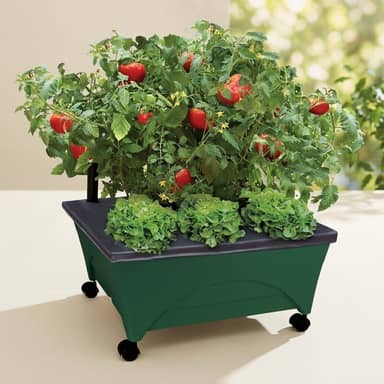
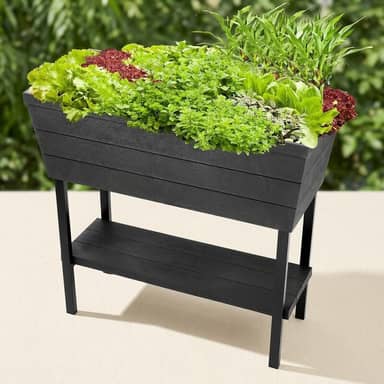

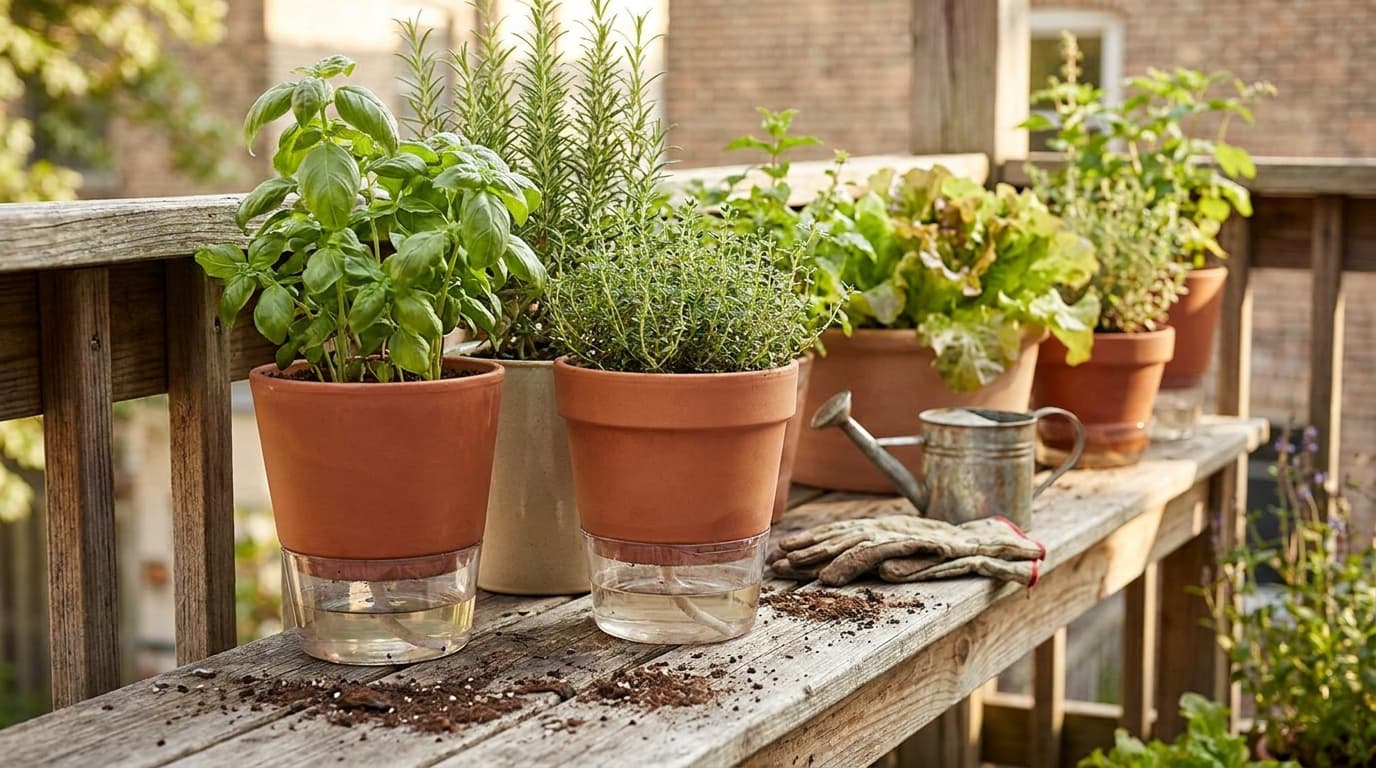
The split between these two planter styles comes down to who controls the watering. A self-watering planter does the metering for you: a reservoir in the base feeds a wicking zone, and the soil draws up exactly as much water as it loses, so the root zone stays evenly moist between fills. A traditional planter has open drainage, so you decide when and how much to water, and excess simply runs out the bottom. Each approach suits a different gardener and a different set of crops.
The decision matters most for thirsty, fruiting crops in containers. Tomatoes and peppers hate the wet-dry swings that lead to cracking and blossom-end rot, so even moisture is a real advantage. Whatever you grow, match your container choice to your watering habits and your season; the planting calendar will tell you when to fill and plant for your ZIP.
Best budget self-watering: City Pickers self-watering planter
Best value
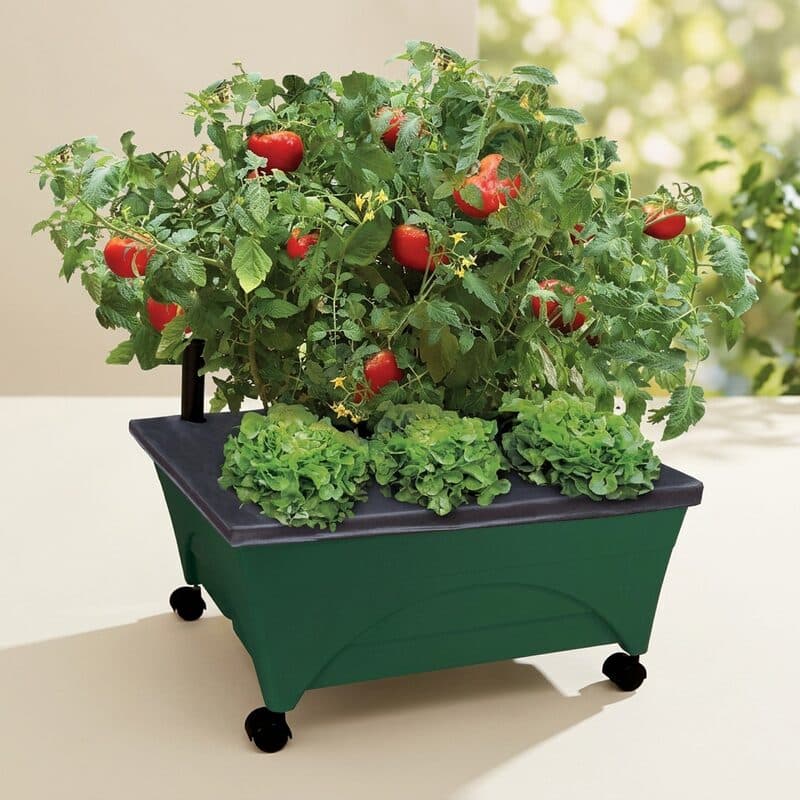
City Pickers Self-Watering Raised Garden Planter
Best for: Apartment and patio growers who want a self-watering box for a couple of plants.
Keep in mind: Small for large or sprawling plants
Amazon price as of the checked date, subject to change. The price on Amazon at checkout applies.
Full research
- Material
- Plastic
- Watering
- Bottom water reservoir
- Mobility
- Caster wheels included
- Use
- Patio vegetables and herbs
City Pickers is a compact self-watering planter kit built for patio vegetable growing. The bottom reservoir buffers watering for small-space gardeners, though it is on the small side for large or sprawling plants.
This catalog-wide research score is separate from this guide's use-case ranking. How we research
Strengths
- Self-watering reservoir eases watering
- Complete kit with casters included
- Compact footprint for patios
Weaknesses
- Small for large or sprawling plants
- Plastic build is functional, not premium
Sprout Score breakdown
Best for
Apartment and patio growers who want a self-watering box for a couple of plants.
Owner rating snapshot
Amazon · 223 reviews · 4.6 stars
The City Pickers planter is a no-frills self-watering box built for real food crops on a patio or balcony. It pairs a generous soil bed with a water reservoir underneath, a fill tube, and an overflow hole so you cannot easily drown the roots. The reservoir means you can go days between waterings, which is the whole appeal for anyone who travels, forgets, or simply tires of daily summer watering.
The plastic planter is plain but inexpensive, and it has enough room for tomatoes, peppers, or greens. In cool, wet weather, the reservoir can keep soil too wet for some plants, so let it run dry occasionally. You can check current pricing on the City Pickers planter to start.
Best patio self-watering: Keter Urban Bloomer
Best for patios
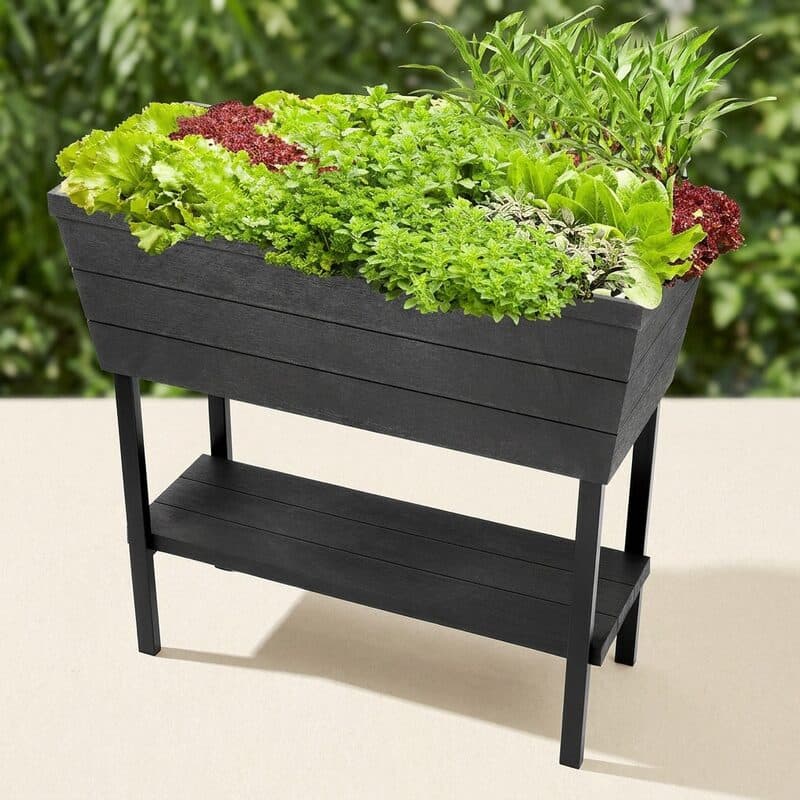
Keter Urban Bloomer Self-Watering Resin Planter
Best for: Patio gardeners who want a tidy, durable self-watering planter for herbs and flowers.
Keep in mind: Modest soil volume limits big crops
Amazon price as of the checked date, subject to change. The price on Amazon at checkout applies.
Full research
- Material
- Weather-resistant resin
- Watering
- Self-watering reservoir
- Finish
- Wood-look texture
- Capacity
- Around 12.7 gal soil
Keter's Urban Bloomer is a good-looking resin planter with a built-in self-watering reservoir and a wood-look finish that holds up outdoors. Soil volume is modest, so it suits herbs, flowers, and compact vegetables.
This catalog-wide research score is separate from this guide's use-case ranking. How we research
Strengths
- Durable weather-resistant resin
- Self-watering reservoir built in
- Attractive wood-look finish for patios
Weaknesses
- Modest soil volume limits big crops
- Less natural look than real wood
Sprout Score breakdown
Best for
Patio gardeners who want a tidy, durable self-watering planter for herbs and flowers.
Owner rating snapshot
Amazon · 3 reviews · 4.5 stars
The Keter Urban Bloomer brings the same reservoir principle into a planter that looks at home on a deck or patio. It raises the growing bed to a comfortable height on a stand, includes a self-watering reservoir with a water-level indicator so you know when to refill, and uses a woven-look resin finish that suits a tidy outdoor space. The elevated height also saves your back and keeps the bed away from ground pests.
It holds less soil than a big ground box, so it is better suited to herbs, greens, compact peppers, and a single tomato than to a sprawling planting. If you want the convenience of self-watering in a planter you are happy to have on display, this is the pick. You can compare the Urban Bloomer's current price against the budget option.
Best traditional planter: Best Choice Products elevated wood planter

Best traditional
Best Choice Products Elevated Wood Planter Box
Best for: Patio and balcony gardeners who want an affordable no-bend standing bed.
Keep in mind: Lightweight fir and thin liner wear quickly
Amazon price as of the checked date, subject to change. The price on Amazon at checkout applies.
Full research
- Material
- Fir wood
- Type
- Elevated / standing planter
- Liner
- Includes drainage liner
- Working height
- Waist-high
Best Choice Products' elevated wood planter is a cheap, waist-high standing bed for patios and balconies. It saves bending, but the lightweight fir and thin liner are the parts owners most often need to reinforce.
This catalog-wide research score is separate from this guide's use-case ranking. How we research
Strengths
- Waist-high height is easy on the back
- Fits patios, decks, and balconies
- Inexpensive for a standing planter
Weaknesses
- Lightweight fir and thin liner wear quickly
- Shallow soil depth limits crop choice
Sprout Score breakdown
Best for
Patio and balcony gardeners who want an affordable no-bend standing bed.
If you would rather control watering yourself, an elevated free-draining planter is the direct choice. The Best Choice Products wooden planter stands 30 inches high, holds about 5 cubic feet of growing mix, and uses a lined bed with drainage rather than a reservoir. Excess water can leave the root zone, and you decide when the next watering happens.
A traditional planter like this suits crops that benefit from drying slightly between waterings, including rosemary and many Mediterranean herbs. Its 30-inch working height reduces bending, but the fir frame will not match coated metal for longevity and the shallow bed narrows crop choice. In summer heat it may need daily watering; a timer-driven drip line can add consistency without turning it into a reservoir planter.
How to choose between self-watering and traditional
The decision usually comes down to four factors.
Watering cadence. Self-watering planters stretch the time between waterings from daily to several days, because the reservoir buffers the soil. Traditional planters water on your schedule, which means more frequent attention, especially in heat. If you travel or forget, the reservoir is a real safety net.
Crops. Thirsty, fruiting crops (tomatoes, peppers, cucumbers) thrive on the even moisture a reservoir provides. Plants that prefer to dry out between waterings (many Mediterranean herbs, succulents) do better in free-draining traditional pots, where you control the dry-down.
Climate and season. In hot, dry weather a reservoir is a gift. In cool, wet weather it can keep soil too wet, so a self-watering planter benefits from an overflow hole and the discipline to let it run dry occasionally. Traditional planters never trap excess water.
Setup and looks. Self-watering planters add a reservoir, a fill tube, and a water-level indicator, slightly more parts to understand. Traditional planters are simpler. Both come in styles from plain-and-cheap to display-worthy, so appearance is a matter of pick, not category.
| Product | Price | Best for | Buy |
|---|---|---|---|
| City Pickers Self-Watering Raised Garden Planter#1 · BEST VALUE | Typical price range · $25-$50 | Apartment and patio growers who want a self-watering box for a couple of plants. | Shop Amazon |
| Keter Urban Bloomer Self-Watering Resin Planter#2 · BEST FOR PATIOS | Typical price range · $50-$100 | Patio gardeners who want a tidy, durable self-watering planter for herbs and flowers. | Shop Amazon |
| Best Choice Products Elevated Wood Planter Box#3 · BEST TRADITIONAL | Typical price range · $50-$100 | Patio and balcony gardeners who want an affordable no-bend standing bed. | Shop Amazon |
Frequently asked questions
Are self-watering planters good for vegetables?
Yes, especially for thirsty fruiting crops like tomatoes, peppers, and cucumbers that suffer from inconsistent watering. The reservoir keeps soil evenly moist, which prevents the cracking and blossom-end rot that wet-dry swings cause. The main caution is cool, wet weather, when the reservoir can keep soil too wet, so use the overflow hole and let it dry out occasionally.
Do self-watering pots cause root rot?
They can if misused, but a well-designed self-watering planter avoids it. The reservoir sits below a wicking zone, not against the roots, and an overflow hole prevents the soil from becoming waterlogged. Root rot usually happens when there is no overflow, the planter sits in cold wet conditions, or the soil is too dense to wick properly. Use a loose potting mix and let the reservoir empty between fills in cool weather.
How often do you water a traditional planter versus a self-watering one?
A traditional planter in summer sun often needs water daily, sometimes twice a day for small pots, because it drains freely. A self-watering planter typically goes several days to a week between reservoir fills, since the buffer of stored water feeds the plant gradually. Exact timing depends on plant size, heat, and pot volume.
Can I turn a traditional planter into a self-watering one?
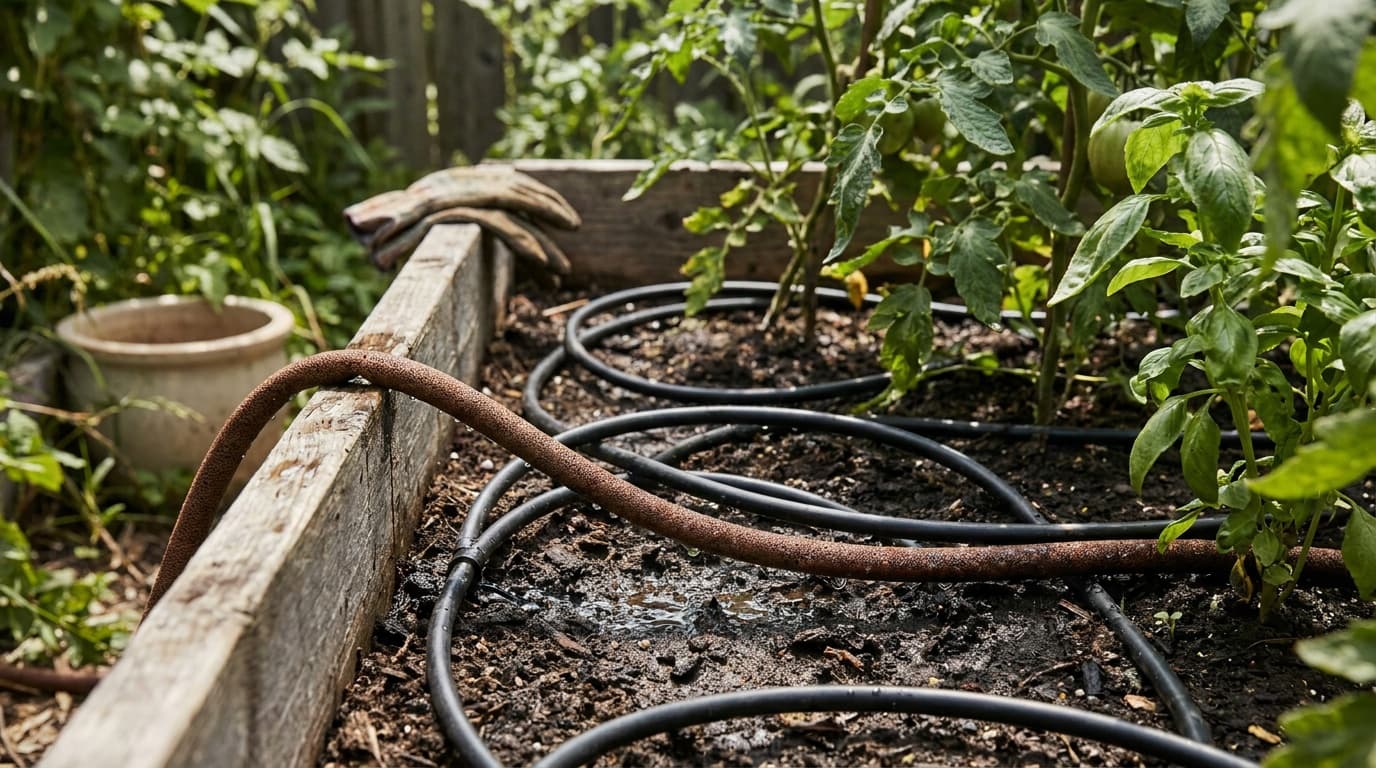
To an extent, yes. Adding a drip line on a timer gives a traditional planter much of the consistent-moisture benefit without a built-in reservoir. There are also wicking conversion kits and DIY reservoir inserts, but the simplest reliable upgrade is automated drip irrigation, which keeps a free-draining planter evenly watered on a schedule.
Our recommendation
Choose a self-watering planter if you want to water less often, grow thirsty crops, or travel during the season: the City Pickers box is the budget pick and the Keter Urban Bloomer suits a patio. Choose the Best Choice Products elevated wood planter if you prefer direct control, free drainage, or a simple bed that can take a drip line. Whichever you pick, aim for steady moisture and time your planting with the planting calendar for your ZIP.