Our recommendations


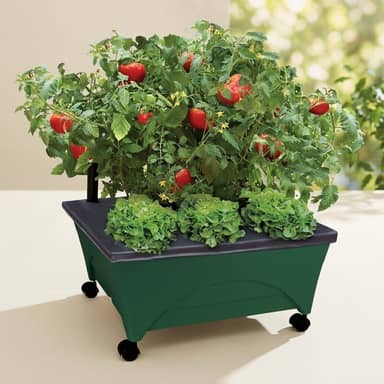
An elevated planter is the answer to two common problems: a hard surface with no soil (a patio, deck, or balcony), and a back that does not love bending over an in-ground bed. By lifting the soil to roughly waist height, a standing planter turns sowing, weeding, and harvesting into something you do upright. The trade-off is soil depth and volume: most elevated beds are shallower than an in-ground raised bed, which shapes what you can grow.
This guide covers three standing planters across the range: a durable rolling metal bed, an affordable wood box, and a compact self-watering kit for tight spaces. If you have ground to work with instead, our broad best raised garden beds guide and the material-specific best metal raised garden beds and best cedar raised garden beds comparisons cover those.
Best overall: Vego Garden Rolling Elevated Metal Garden Bed

Best overall
Vego Garden Rolling Elevated Metal Garden Bed
Best for: Deck and accessibility gardeners who want a movable, long-lasting standing bed.
Keep in mind: Costs well more than wood standing planters
Amazon price as of the checked date, subject to change. The price on Amazon at checkout applies.
Full research
- Material
- Aluzinc-coated steel
- Type
- Elevated rolling planter
- Watering
- Self-watering wicking-cell reservoir
- Mobility
- Lockable caster wheels
Vego's elevated metal bed combines Aluzinc construction, a wicking-cell self-watering reservoir, and a waist-high rolling frame. Lockable casters let you move it for sun or storage while the reservoir redistributes collected water to the root zone.
This catalog-wide research score is separate from this guide's use-case ranking. How we research
Strengths
- Durable Aluzinc steel at standing height
- Wicking-cell reservoir stores and redistributes water
- Lockable casters make it movable
- Better longevity than wood elevated beds
Weaknesses
- Costs well more than wood standing planters
- Assembly can be fiddly for one person
Sprout Score breakdown
Best for
Deck and accessibility gardeners who want a movable, long-lasting standing bed.
Vego's elevated bed brings the brand's Aluzinc steel construction to a waist-high, rolling format, and that combination of durability and mobility makes it our top pick. The same corrosion-resistant steel that earns Vego the top spot among in-ground metal beds means this standing planter outlasts the wood standing boxes it competes with, rather than rotting at the legs.
Lockable caster wheels let you move the planter across a deck as the light changes or store it against a wall for winter. Owners like the working height and mobility, though some find assembly difficult for one person. It costs more than a wood standing planter, but its metal construction should last longer. Check the current price on Amazon.
The working height and soil depth suit herbs, salad greens, and compact vegetables, and the mobility helps you give sun-loving crops like tomatoes the light they need.
Best budget: Best Choice Products Elevated Wood Planter Box

Budget pick
Best Choice Products Elevated Wood Planter Box
Best for: Patio and balcony gardeners who want an affordable no-bend standing bed.
Keep in mind: Lightweight fir and thin liner wear quickly
Amazon price as of the checked date, subject to change. The price on Amazon at checkout applies.
Full research
- Material
- Fir wood
- Type
- Elevated / standing planter
- Liner
- Includes drainage liner
- Working height
- Waist-high
Best Choice Products' elevated wood planter is a cheap, waist-high standing bed for patios and balconies. It saves bending, but the lightweight fir and thin liner are the parts owners most often need to reinforce.
This catalog-wide research score is separate from this guide's use-case ranking. How we research
Strengths
- Waist-high height is easy on the back
- Fits patios, decks, and balconies
- Inexpensive for a standing planter
Weaknesses
- Lightweight fir and thin liner wear quickly
- Shallow soil depth limits crop choice
Sprout Score breakdown
Best for
Patio and balcony gardeners who want an affordable no-bend standing bed.
The Best Choice Products planter is a cheap, waist-high standing bed for patios and balconies, and it does the core job of getting you gardening without bending. It comes with a drainage liner, sits at a comfortable working height, and fits decks and small spaces. For the price, it is an easy way into standing-bed gardening.
The lightweight fir slats can feel flimsy, and owners often reinforce or replace the thin liner. Shallow soil also limits this planter to herbs, greens, and compact plants. Treat it as an affordable starter rather than a long-term bed. You can compare sizes and pricing on Amazon.
Best for small spaces: City Pickers Self-Watering Planter
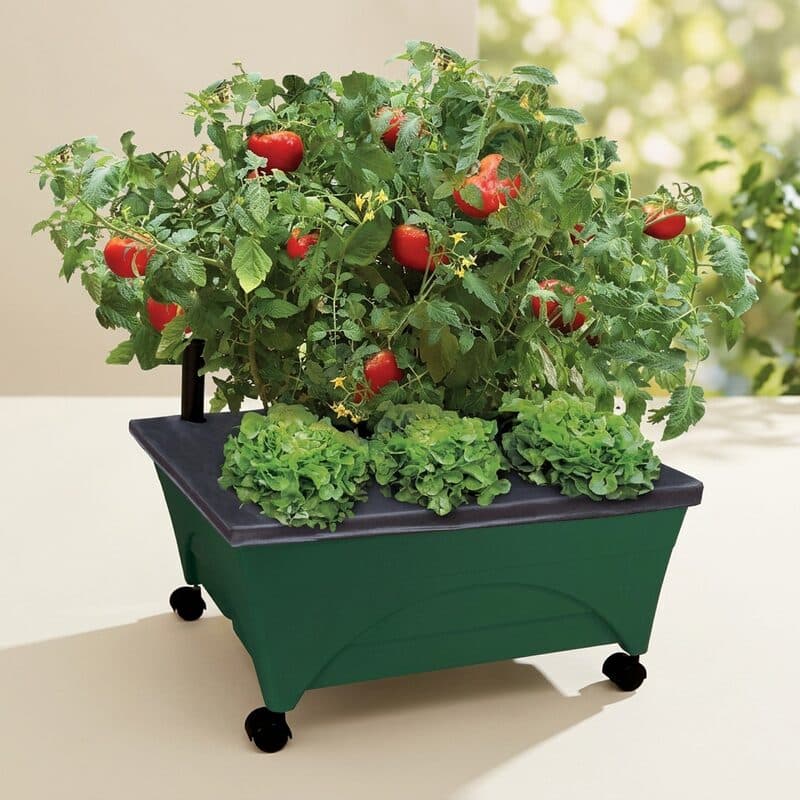
Alternative Low-profile planter
City Pickers Self-Watering Raised Garden Planter
Best for: Apartment and patio growers who want a self-watering box for a couple of plants.
Keep in mind: Small for large or sprawling plants
Amazon price as of the checked date, subject to change. The price on Amazon at checkout applies.
Full research
- Material
- Plastic
- Watering
- Bottom water reservoir
- Mobility
- Caster wheels included
- Use
- Patio vegetables and herbs
City Pickers is a compact self-watering planter kit built for patio vegetable growing. The bottom reservoir buffers watering for small-space gardeners, though it is on the small side for large or sprawling plants.
This catalog-wide research score is separate from this guide's use-case ranking. How we research
Strengths
- Self-watering reservoir eases watering
- Complete kit with casters included
- Compact footprint for patios
Weaknesses
- Small for large or sprawling plants
- Plastic build is functional, not premium
Sprout Score breakdown
Best for
Apartment and patio growers who want a self-watering box for a couple of plants.
Owner rating snapshot
Amazon · 223 reviews · 4.6 stars
City Pickers is a compact self-watering planter kit built for patio and balcony vegetable growing, and the self-watering reservoir is what sets it apart in this group. Elevated and container plantings dry out fast, so a bottom reservoir that buffers watering is useful, especially if you travel or forget the occasional day. The complete kit includes casters and the reservoir, and it has a small footprint that fits a balcony corner.
It sits lower than the full standing beds above, and it is on the small side for large or sprawling plants, so think herbs, lettuce, and a tomato or pepper rather than a full crop. The plastic build is functional rather than premium. For apartment and patio growers who want a forgiving, self-watering box for a couple of plants, it is the practical budget choice.
How to choose an elevated garden planter
Standing planters vary more than they look. Weigh these before you buy:
What to weigh before you buy
Material and durability
Soil volume and depth
Watering
Working height and mobility
Drainage and liner
Because elevated planters dry out quickly, the soil mix matters more than in the ground. Use a quality organic potting soil that holds moisture without going soggy, and check timing with the planting calendar so you plant into the right window for your ZIP.
| Product | Price | Best for | Buy |
|---|---|---|---|
| Vego Garden Rolling Elevated Metal Garden Bed#1 · BEST OVERALL | Typical price range · $150-$250 | Deck and accessibility gardeners who want a movable, long-lasting standing bed. | Search Amazon |
| Best Choice Products Elevated Wood Planter Box#2 · BUDGET PICK | Typical price range · $50-$100 | Patio and balcony gardeners who want an affordable no-bend standing bed. | Shop Amazon |
| City Pickers Self-Watering Raised Garden PlanterAlternative · LOW-PROFILE PLANTER | Typical price range · $25-$50 | Apartment and patio growers who want a self-watering box for a couple of plants. | Shop Amazon |
What can you grow in an elevated garden planter?
Herbs, salad greens, lettuce, leafy crops, strawberries, and compact vegetables do well in elevated planters. Deeper beds like the Vego rolling planter also handle tomatoes, peppers, and bush beans. Avoid large root crops and sprawling plants in shallow planters; match the crop's root depth to the bed's soil depth.
How often do you water an elevated planter?
More often than an in-ground bed, because the raised soil and greater airflow dry it out faster, often daily in peak summer heat. A self-watering planter with a reservoir, like the City Pickers, stretches the time between waterings. Mulching the surface and using a moisture-retentive potting mix both help.
Are elevated planters good for bad backs?
Yes, that is their main appeal. A true waist-high planter lets you sow, weed, and harvest standing up, with no kneeling or bending to ground level. The Vego rolling bed and standing wood planters sit at a comfortable working height; lower self-watering kits like City Pickers reduce bending but do not eliminate it entirely.
How deep should an elevated garden bed be?
For herbs and greens, 6 to 8 inches of soil is enough. For tomatoes, peppers, and most other vegetables, aim for 10 to 12 inches or more. Many standing planters are on the shallow side, so check the soil depth against your intended crops, and favor deeper metal beds like the Vego for a fuller vegetable garden.
Do elevated planters need a liner?
Most do, to hold soil while letting water drain. Many planters include one, though thin liners (common on budget wood planters) can fail and are worth reinforcing with landscape fabric. Ensure the liner has drainage holes so roots do not sit in water, which is the fastest way to lose plants in any container.
Elevated planters make gardening accessible wherever you have a flat surface and a bit of sun. The Vego rolling metal bed is the durable, movable all-around pick, the Best Choice wood box is the budget entry, and the City Pickers self-watering kit is the smart choice for tight balconies. If you have open ground instead, compare these against our best raised garden beds, best metal raised garden beds, and best cedar raised garden beds guides, or start with raised bed gardening for beginners.