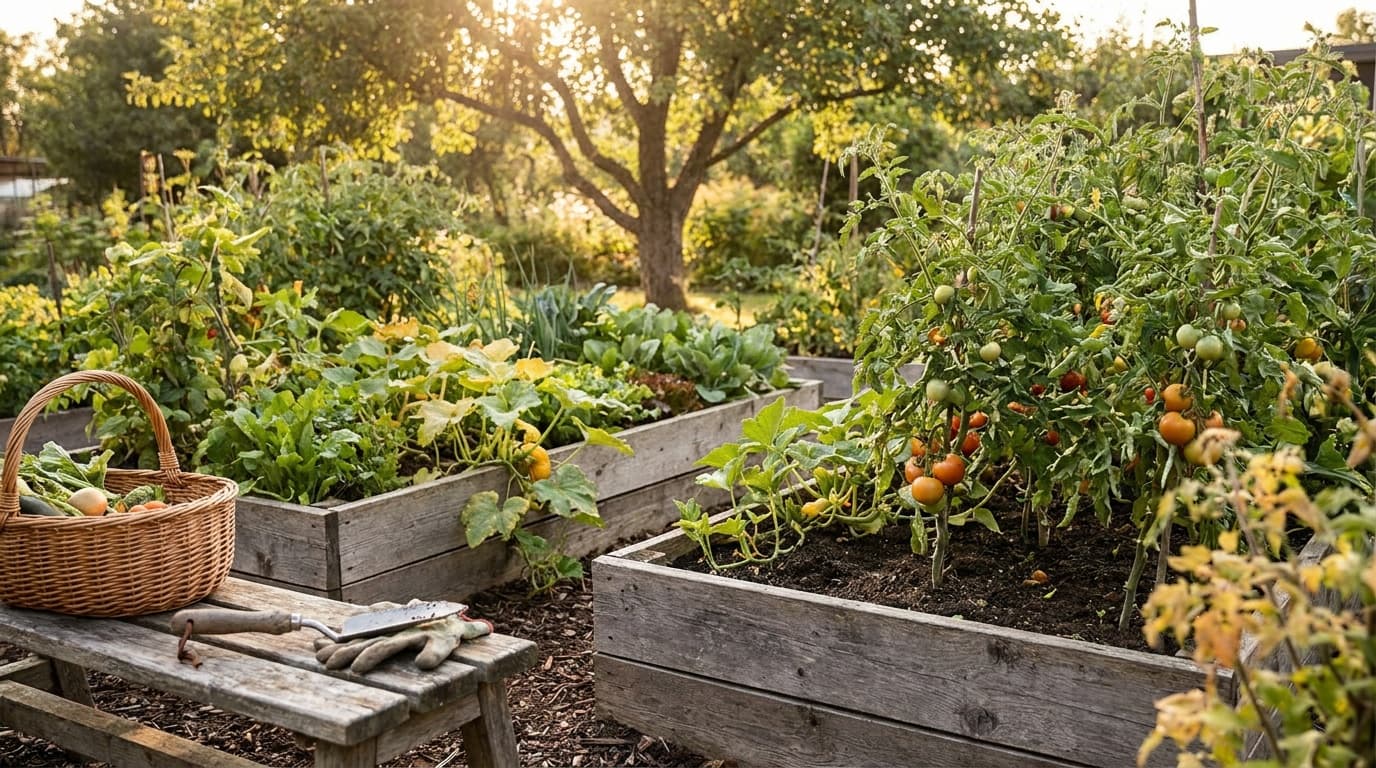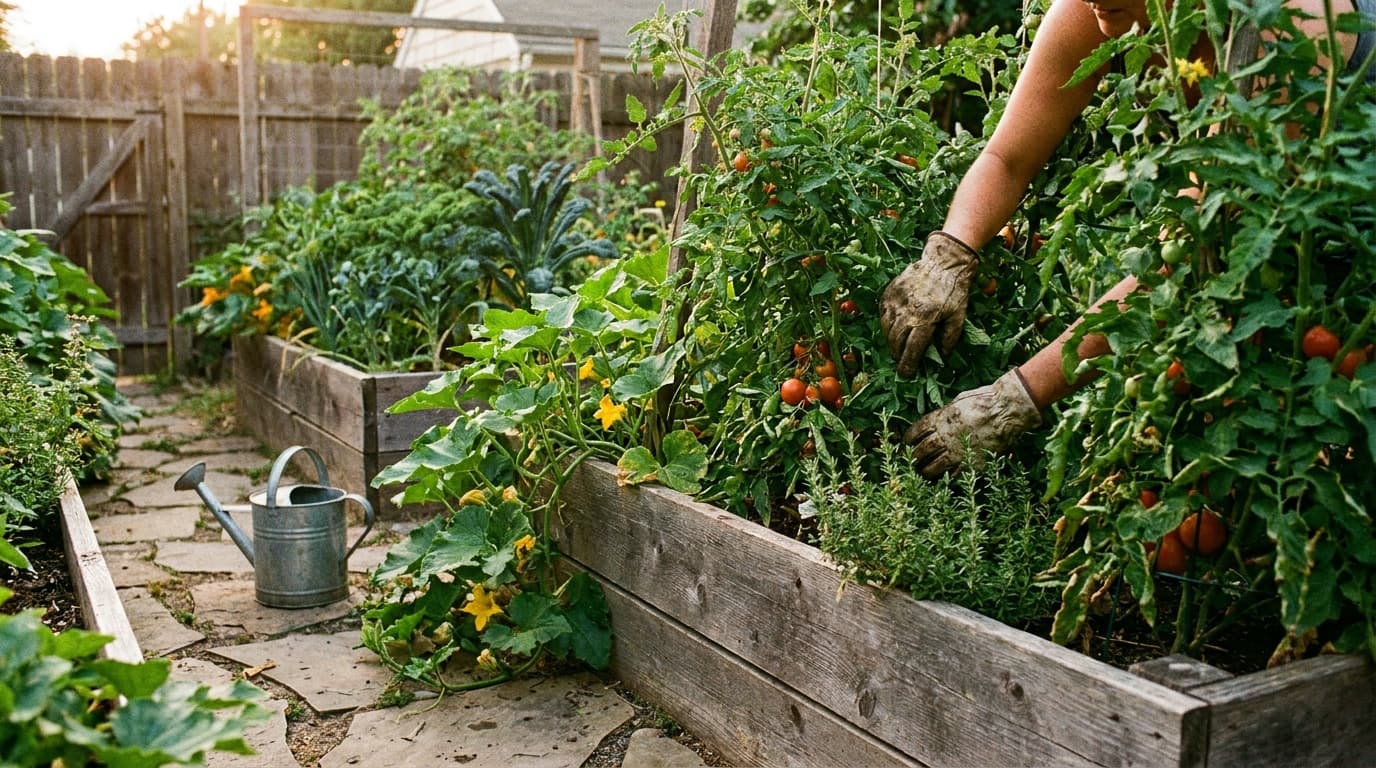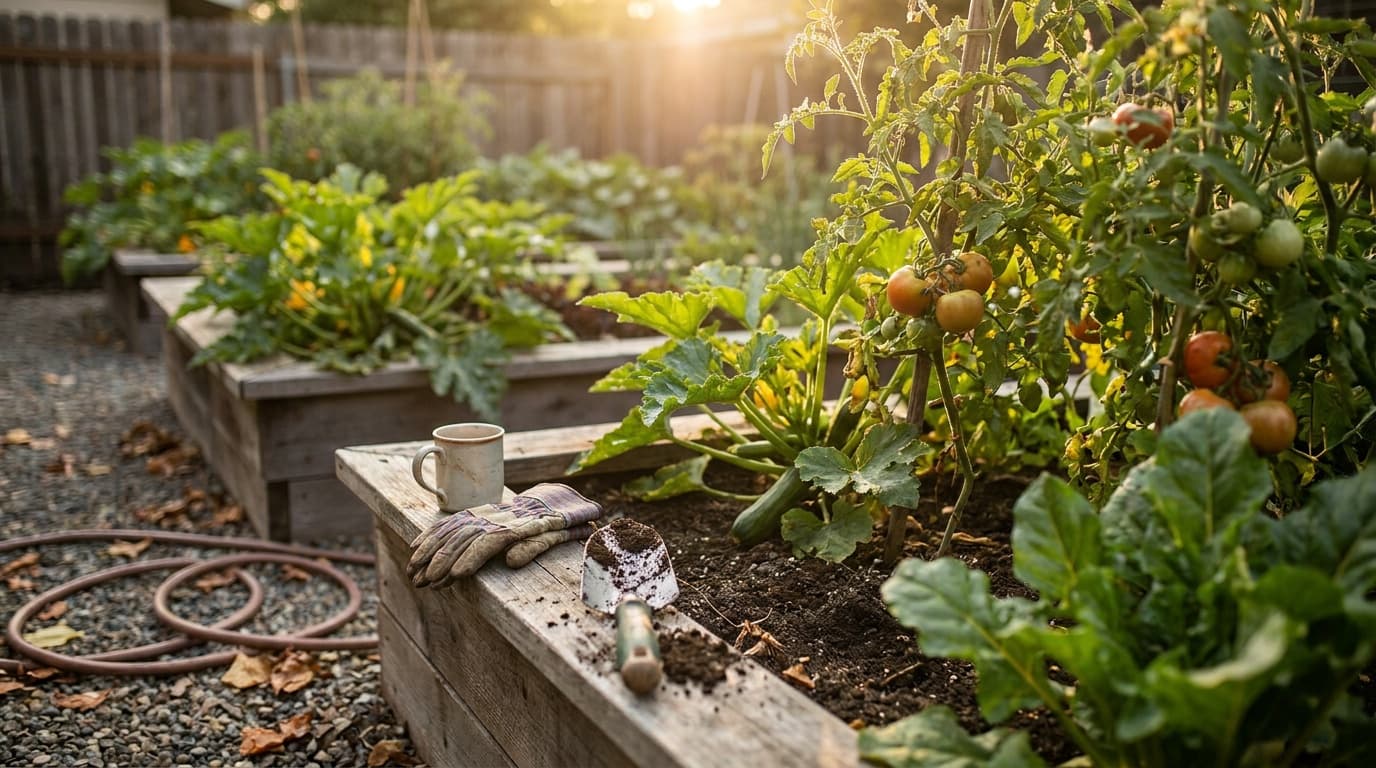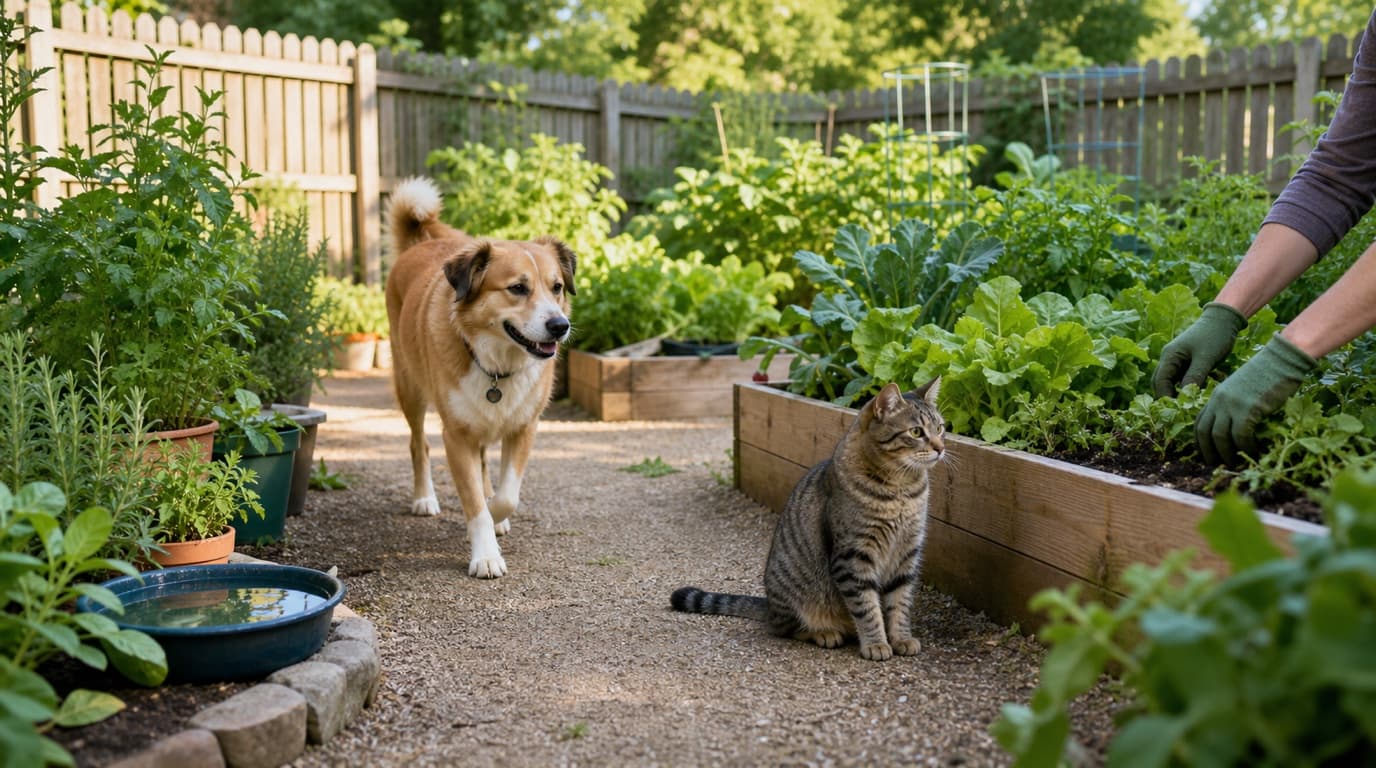
Dogs may dig in new beds, cats may use loose soil as a litter box, and both can chew plants. Raised beds, low fencing, clear paths, and tidy storage reduce those risks. Start with plant choice, then plan the layout, mulch and compost, and pest control.
Plant selection: what to keep away from pets
Most garden plants will cause nothing worse than mild stomach upset if sampled, and the sensible response to them is layout and training, not removal. A short list of plants earns stronger treatment because the consequences of one chewing session are severe.
Lilies are the cat emergency. True lilies (Asiatic and Oriental lilies) and daylilies cause acute kidney failure in cats, and the documented cases include exposures as small as chewing a leaf, biting a flower, or grooming pollen off fur. If cats have access to your garden, the safest position is simply to grow something else. For a household with only dogs, lilies are a mild stomach-upset risk rather than an emergency.
The high-severity shortlist for both species. Oleander, foxglove, and lily of the valley all contain cardiac toxins where a small amount matters. Azalea and rhododendron can cause vomiting, weakness, and heart rhythm problems. Sago palm, common as a patio pot plant in warm regions, is one of the most dangerous of all, with the seeds being the worst part. These plants belong outside a pet household, or behind fencing pets cannot reach.
Spring bulbs. Daffodil, tulip, and hyacinth toxins are concentrated in the bulb itself, which matters because bulbs are exactly what a digging dog finds. Plant bulbs inside fenced beds, store unplanted bulbs where pets cannot reach the bag, and supervise dogs in fall when freshly planted beds smell interesting.
Edibles that surprise people. Some of the riskiest plants in a garden are crops. Onions, garlic, chives, and leeks damage red blood cells in both dogs and cats, whether raw, cooked, or dropped as trimmings. Grapes cause kidney failure in dogs, so a grape or muscadine arbor over a dog run is a poor pairing. Tomato and potato foliage and green fruit contain solanine, which is a mild-to-moderate risk worth fencing rather than fearing. Rhubarb leaves are toxic to people and pets alike. For the full plant-by-plant rundown, ornamentals included, our sister site House Pet Authority's guide to common plants toxic to dogs and cats gives species-specific severity, the symptoms to watch for, and what to do after exposure.
Safer choices that still earn their space. You can fill a beautiful, productive garden with veterinary-listed non-toxic choices such as sunflowers, zinnias, snapdragons, basil, and thyme, then round it out with protected edible beds. Non-toxic does not mean edible in unlimited quantity; a dog that eats a bed of anything may still have an unhappy stomach. Confirm the exact species before planting because common names can cover different plants.
Layout: let the garden enforce its own rules
The most reliable pet boundary is physical, because it works when you are not watching.
A layout that keeps pets and plants apart
Raise the beds
Fence the food
Give them a path
Protect fresh soil from cats
Offer a legal dig zone
Cats also appreciate being given somewhere in the garden that is theirs: a patch of catnip or cat grass away from the vegetable beds gives them a destination that is not your seedlings.
Mulch and compost: the two hidden hazards
Skip cocoa mulch entirely. Cocoa bean hull mulch smells like chocolate because it carries the same compound, theobromine, that makes chocolate dangerous to dogs. Dogs eat it, and the result ranges from vomiting to tremors and worse depending on the amount. With pine, cedar, straw, and arborist chips all doing the same job, cocoa mulch has no place in a dog household. Our mulching guide covers the alternatives and how deep to lay them.
Lock down the compost. Decomposing food waste can grow molds that produce tremorgenic mycotoxins, which cause tremors and seizures in dogs that raid the pile, and a compost heap smells like a buffet to them. Use a closed tumbler or a bin with a latching lid rather than an open pile, keep meat, dairy, and moldy leftovers out of it, and fence the bin area if your dog is a determined scavenger. The finished compost you spread on beds is not the hazard; the active, half-rotted middle of the pile is.
Two smaller notes in the same category: keep fertilizer bags, bone meal, and blood meal sealed in a bin (dogs find them delicious and concentrated doses cause pancreatitis and worse), and water any granular soil amendment in before letting pets back onto the area.
Pest control that is safe to walk on
The organic playbook and the pet-safe playbook are nearly the same list, which makes this the easiest section to get right. Healthy soil, airflow, row covers, and hand-picking handle most problems with nothing on the ground at all; our organic pest control basics guide walks the full ladder.
Where pets change the calculus:
Slug bait is the classic mistake. Metaldehyde slug baits are seriously toxic to dogs and cats and are involved in real poisonings every year. Iron phosphate baits control slugs effectively and carry a far better safety profile around pets, and beer traps and evening hand-picking cost nothing.
Choose targeted sprays and time them. Insecticidal soap and neem, applied to the affected plant in the evening and allowed to dry, present little risk to a dog or cat walking through the next day. Keep pets off the area until any spray has dried.
Store everything like it matters. Most garden poisonings involve the concentrate in the shed, not the diluted spray on the leaf. Keep products in original containers, on a shelf pets cannot reach, with lids fully closed.
Skip rodenticides in the garden. Rat and mouse baits kill pets both directly and through poisoned rodents. Exclusion, traps inside secured boxes, and removing food sources are the pet-household answers.
Training: the boundary that travels
Fencing handles the garden; training handles everything else. Three behaviors cover most of what a garden household needs. A solid "leave it" interrupts a dog mid-investigation, whether the target is a mushroom, a compost spill, or a toad. A trained boundary, taught by rewarding the dog for staying on the path while you work the beds, turns the layout into habit. And supervised-only access for the first season, until the habits are set, prevents the unsupervised afternoon that undoes a summer of training.
Cats train differently, mostly by making the right choice easy: their own patch of catnip, covered seedbeds, and dense plantings do more than any correction will.
What garden plants are most dangerous to cats?
True lilies and daylilies top the list, because even small exposures such as chewed leaves or groomed pollen can cause acute kidney failure in cats. Oleander, foxglove, lily of the valley, azalea, rhododendron, and sago palm are also high-severity for cats. In a cat household, grow alternatives rather than trying to fence these off, since cats climb and roam in ways fences do not stop.
Is cocoa mulch really dangerous to dogs?
Yes. Cocoa bean hull mulch contains theobromine, the same compound that makes chocolate toxic to dogs, and its chocolate smell actively attracts them. Effects range from stomach upset to tremors and seizures depending on how much is eaten. Pine, cedar, straw, and wood-chip mulches do the same job in the garden, so the simplest fix is to choose one of those.
How do I keep my dog from digging up the garden?
Combine a physical boundary with an outlet. Raised beds and a low fence around the growing area stop casual digging, and a dedicated dig zone, such as a sand pit where digging is praised and toys are buried, redirects the instinct. Supervise the first season, reward the dog for staying on paths, and use a trained "leave it" for everything else.
How do I stop cats from using my raised beds as a litter box?
Cats seek loose, dry, open soil. Deny that combination: lay chicken wire flat over the soil before planting so plants grow through the gaps, keep beds densely planted so bare soil is shaded, use a coarse mulch, or cover new seedbeds with row cover or netting hoops until plants fill in. A patch of catnip or cat grass elsewhere gives the cat a better destination.
What should I do if my pet eats a garden plant?
Identify the plant as precisely as you can, note how much was eaten and when, and call your veterinarian or an animal poison control center. Do this before symptoms appear for high-severity plants such as lilies (cats), oleander, foxglove, or sago palm, since early treatment changes outcomes. Bring a sample or photo of the plant to the vet if you go in.
A pet-safe garden is a series of one-time decisions rather than constant vigilance: plants chosen from the safe end of the list, beds that enforce their own edges, a closed compost bin, a bag of pine mulch instead of cocoa, and iron phosphate instead of metaldehyde. Make those choices once, teach the boundary, and the dog, the cat, and the harvest all get to enjoy the same yard. When you are ready to plan what goes in those fenced beds, the planting calendar will give you dates for your ZIP.