What makes a vegetable good for fall
A fall crop has to handle the season running in reverse. Instead of warming up, the weather is cooling down and the days are shrinking, so growth slows as the crop matures. The best fall vegetables are cold-hardy types that keep growing in cool weather, shrug off light frost, and in many cases improve after one. Tender, heat-loving crops belong to summer; fall is the domain of greens, roots, and the brassica family.
The single most important number is your first expected frost date. Look it up with the frost dates tool, then let the planting calendar turn it into sow dates for your ZIP. For the full timing method, see our companion guide to planting a fall vegetable garden.
The best vegetables for a fall garden
Kale: sweeter after frost
Kale is the signature fall crop. It is hardy, surviving hard freezes in many zones, and a touch of frost converts its starches to sugars so the leaves turn noticeably sweeter and milder. Sow in late summer for harvests that run deep into cold weather.
Spinach: hardy enough to overwinter
Spinach germinates well in cooling soil and tolerates hard frost. In milder zones a fall sowing can overwinter under a light cover and surge back for an extra-early spring harvest. Pick outer leaves and it keeps producing.
Leaf lettuce: a fast, reliable fall green
Lettuce thrives in cool fall weather, with none of the bolting and bitterness that summer heat causes. Because you can harvest it young as baby leaves, it fits a tighter fall window than most crops; sow it in succession for continuous salads.
Broccoli: a fall favorite over spring
Broccoli often does better in fall than spring because it matures into cooling weather instead of racing against summer heat that makes it bolt. Start transplants in mid to late summer and time the heads to form as nights turn crisp.
Radishes and turnips: fast roots before the freeze
Radishes are the quickest fall crop, ready in three to four weeks, perfect for a last fast harvest. Turnips give you two crops in one: tender greens within weeks and sweet roots that, like kale, improve after a light frost.
Collards: the toughest green of all
Collards can hold through repeated frosts and even light snow. In milder regions, a late-summer sowing can provide leaves through fall and winter.
Garlic: plant in fall, harvest next summer
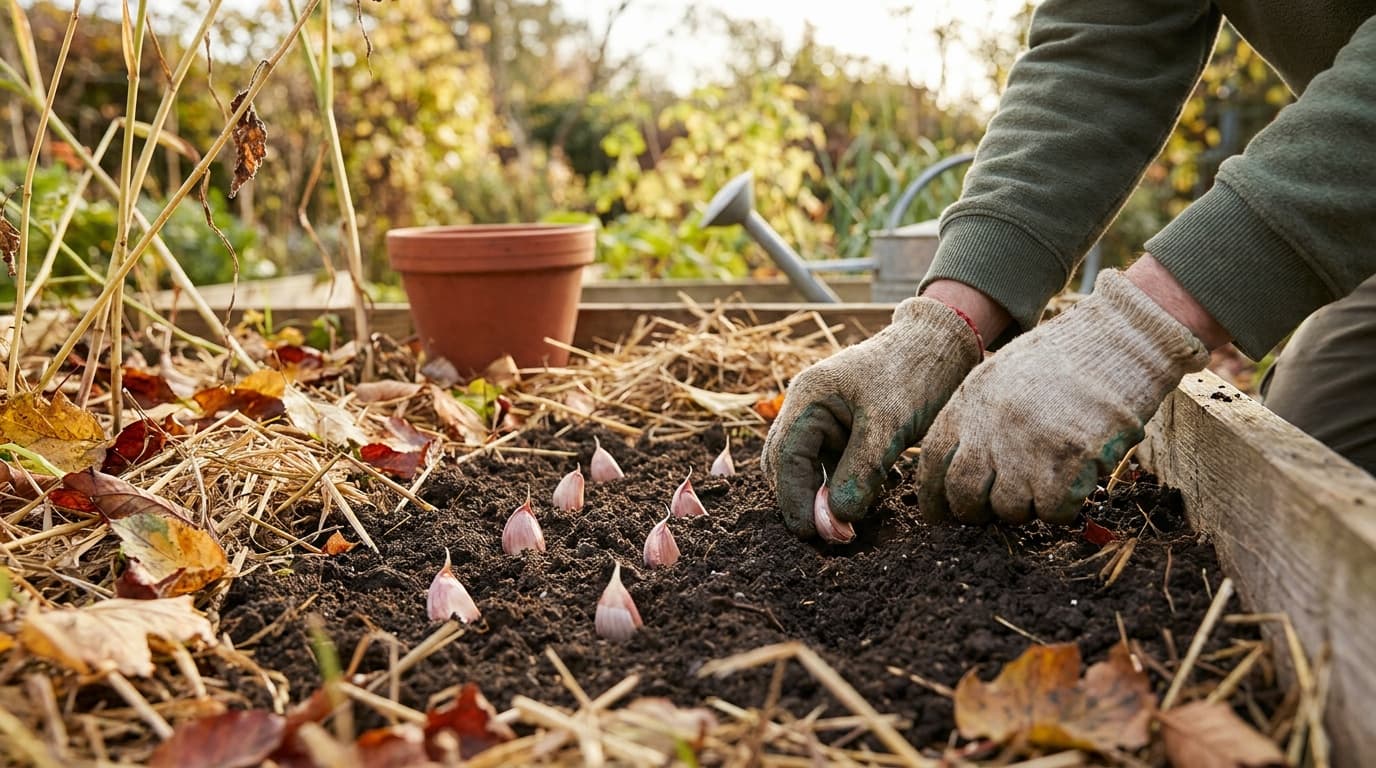
Garlic breaks the pattern: you plant cloves in fall specifically so they establish roots before winter, sit dormant, then sprint in spring for a midsummer harvest. It sits entirely outside the count-back-from-frost math; plant it a few weeks before the ground freezes.
Count back from your first frost
A fall garden lives or dies by its calendar. The biggest mistake, by far, is sowing too late, because by the time the air feels like autumn the window has already closed for slower crops.
Timing a fall crop correctly
Find your first frost
Read the days to maturity
Add a fall factor
Count backward
Watch your spacing as humidity rises
Fall brings shorter days, heavier dew, and cooler air that dries leaves slowly, which means crowded beds invite mildew and rot just as the season ends. Give fall crops their full recommended spacing using the spacing calculator so air moves freely between plants and foliage dries between waterings.
What vegetables grow best in a fall garden?
Cold-hardy crops do best: kale, spinach, leaf lettuce, broccoli, radishes, turnips, and collards, plus garlic planted for next year. Many of these, especially kale, turnips, and collards, actually taste sweeter after a light frost because cold concentrates their sugars. Tender, heat-loving crops are not suited to fall.
When should I plant a fall vegetable garden?
Count backward from your first expected frost date. Find that date with the frost dates tool, then subtract each crop's days to maturity plus 10 to 14 days for slower autumn growth. For many regions this means sowing in mid to late summer, often earlier than gardeners expect. See our full fall vegetable garden timing guide.
Which fall vegetables survive frost?
Many do. Kale, collards, spinach, and turnips tolerate hard frosts and several improve in flavor afterward. Garlic is planted in fall specifically to overwinter. Broccoli, lettuce, and radishes handle light frost. A floating row cover extends protection for the borderline crops by several weeks.
Can I plant garlic in the fall?
Yes, fall is the ideal time. Plant individual cloves a few weeks before the ground freezes so they establish roots before winter. They go dormant through the cold, then resume growth in spring for a midsummer harvest. See our fall garlic planting guide for spacing and depth.
Fall is the season experienced gardeners prefer: warm soil for fast germination, cool air that sweetens the harvest, and far fewer pests. Pick a few hardy crops from this list, do the simple backward math from your frost date, and keep a row cover handy. You will be pulling sweet greens and roots long after the summer beds have given up.