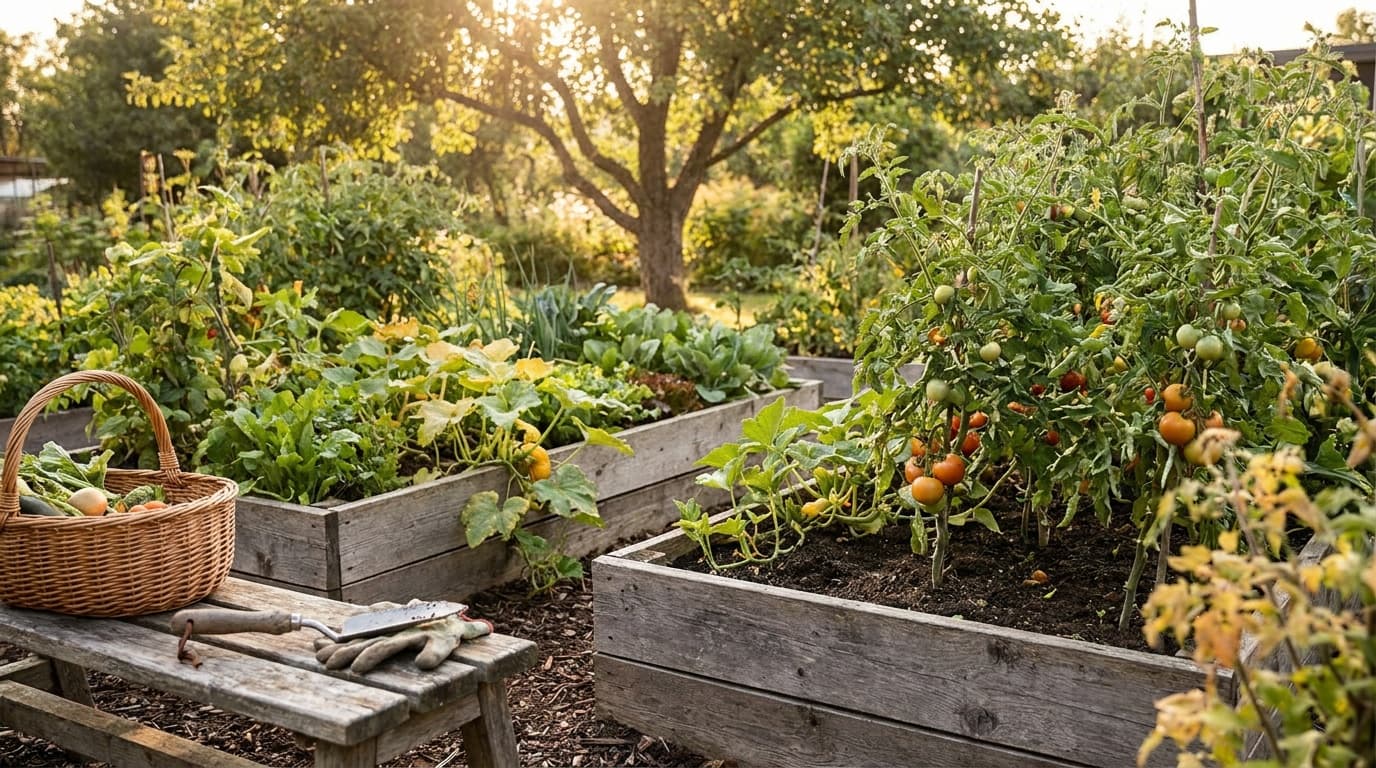
Why crops grow better in a raised bed
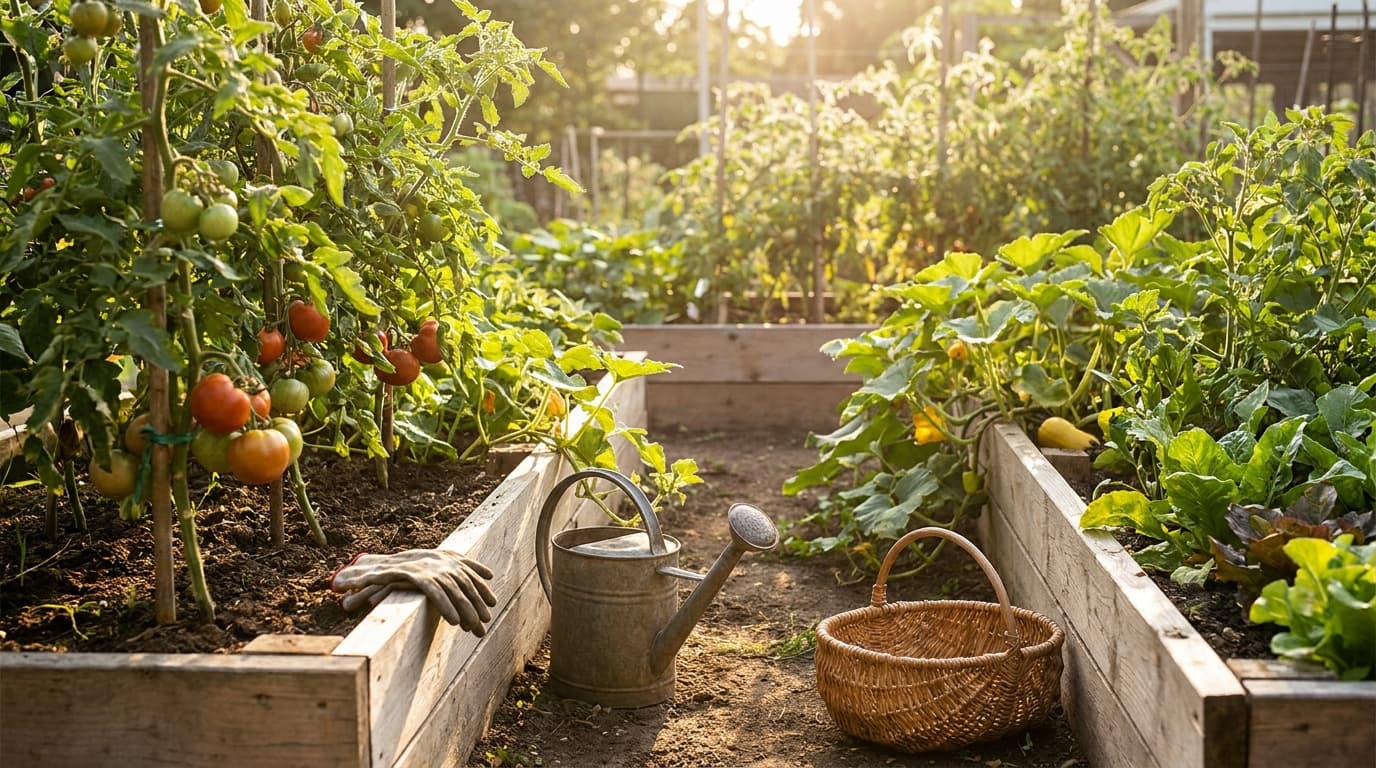
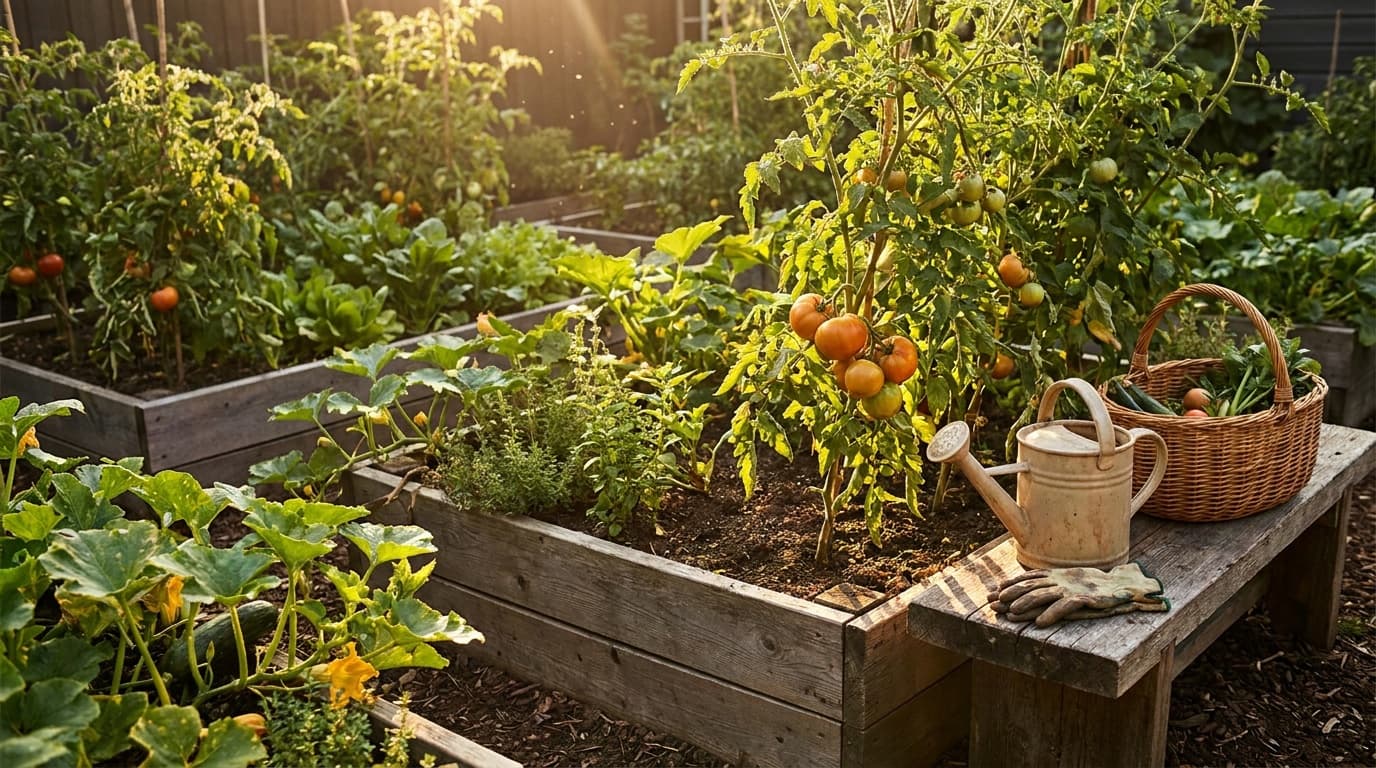
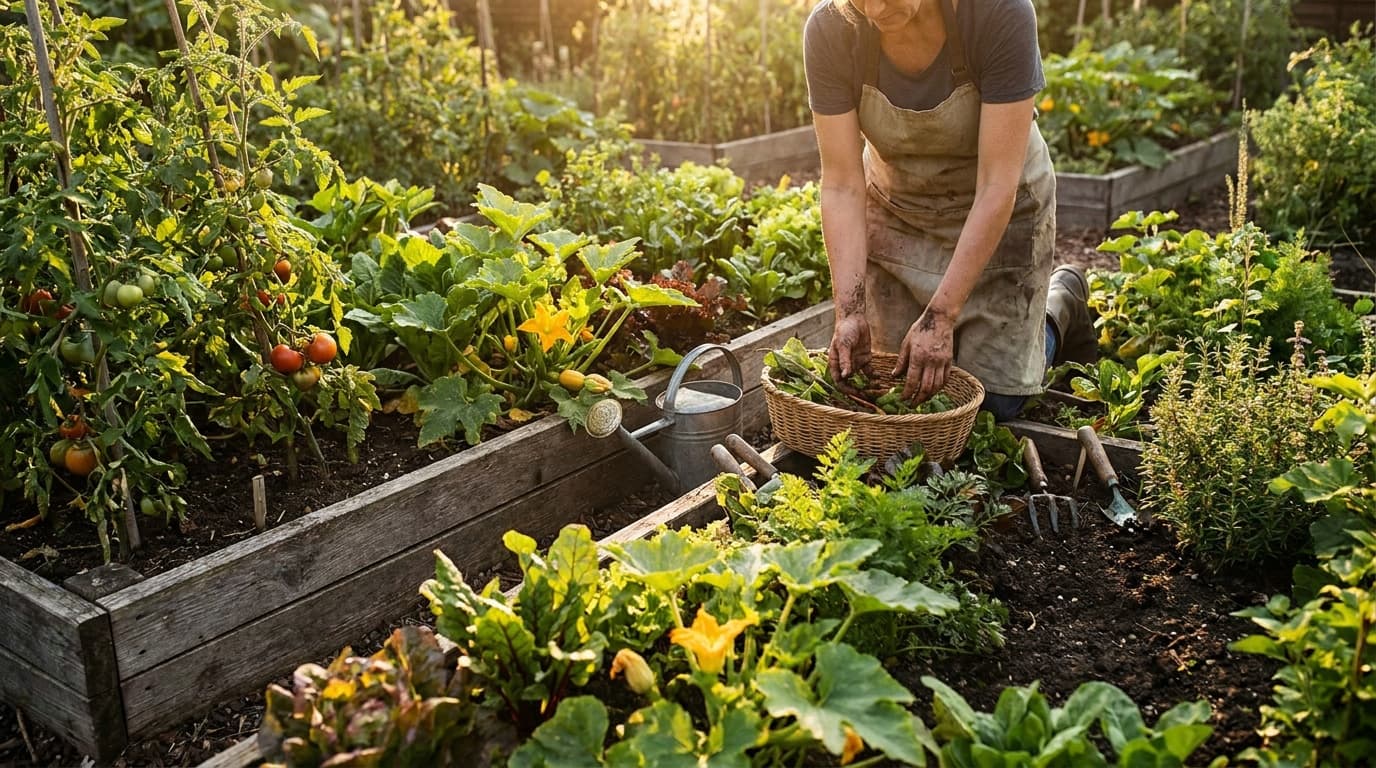
A raised bed solves the two problems that hold back most in-ground gardens: compaction and drainage. Because you never step inside the bed, the soil stays loose and airy, so roots push down easily. Because the bed sits above grade and you fill it with a custom mix, water drains instead of pooling. The soil also warms a couple of weeks earlier in spring, extending your season at both ends.
That combination suits almost every vegetable, but some crops benefit more than others. Each pick links to its profile for spacing and timing. Use the spacing calculator to plan closer planting without crowding the bed.
The best vegetables for raised beds
Root crops: carrots, beets, radishes, turnips
This is where raised beds shine brightest. Carrots need deep, stone-free, loose soil to grow long and straight, and a bed delivers exactly that, no more forked, stubby roots fighting through clay. Beets, radishes, and turnips all benefit the same way. If you have struggled with root crops in the ground, a bed often fixes the problem outright.
Leafy greens: lettuce, spinach, kale, chard
Greens thrive on the consistent moisture and rich soil a bed provides. Lettuce, spinach, kale, and Swiss chard can be planted densely and harvested as cut-and-come-again, so a single bed produces an enormous amount of salad over a season. Their shallow roots love the loose surface soil.
Tomatoes and peppers
Tomatoes and peppers grow well in the warm, fertile, well-drained soil of a raised bed. Early warming helps these warm-season crops avoid cold, wet roots during spring.
Brassicas: broccoli, cabbage, cauliflower
The brassica family, broccoli, cabbage, and cauliflower, are heavy feeders that appreciate rich, deep soil and good drainage. A bed lets you give them the steady nutrition and even moisture they need to form tight heads instead of bolting or buttoning.
Bush beans and onions
Green beans in bush form fit the intensive spacing of a bed perfectly, and onions and garlic appreciate the loose soil for clean bulb formation. Both make excellent companions tucked among slower crops.
Build the bed and the soil first
A raised bed is only as good as what you fill it with. The structure matters less than the soil, but both deserve a moment of thought.
Setting up a productive bed
Choose a workable width
Give it enough depth
Fill with a real bed mix
Plant intensively, not in rows
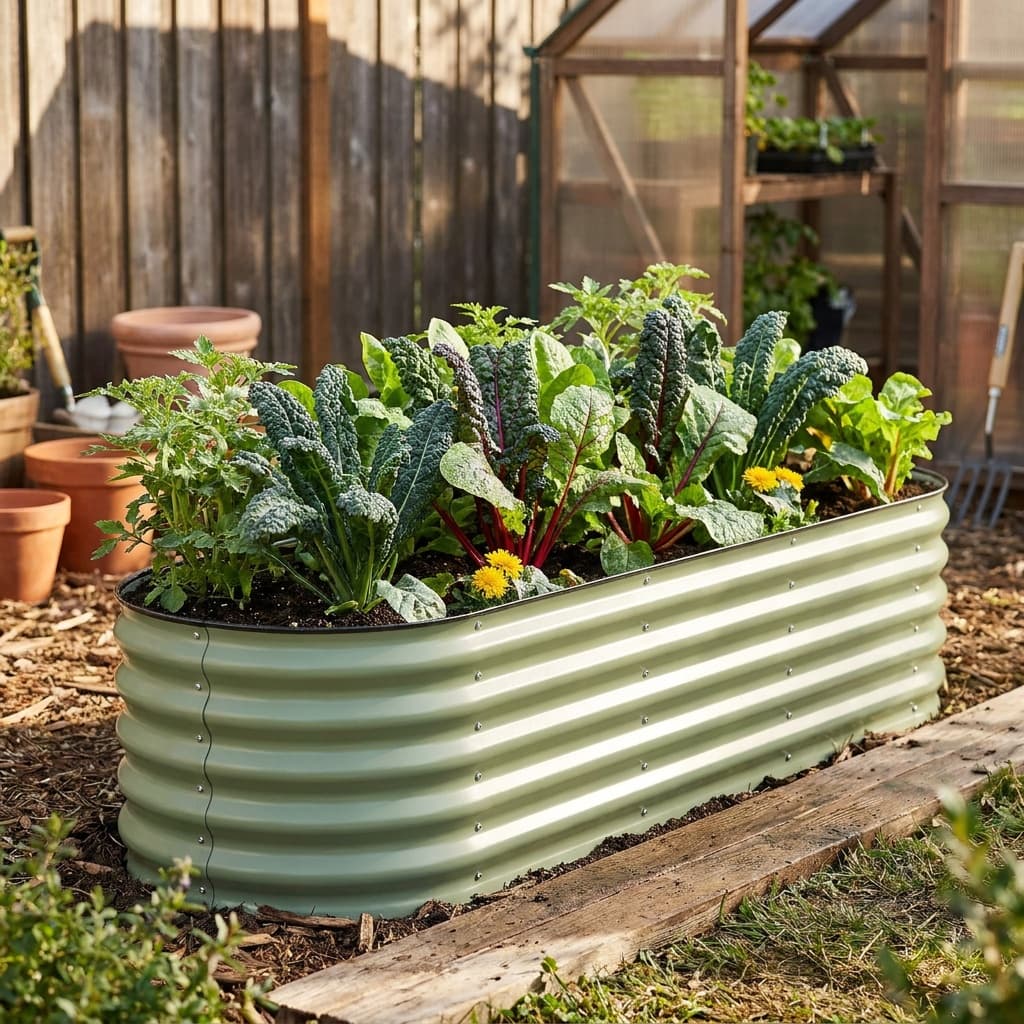
A metal or cedar bed kit takes the building out of the equation and lasts for years. The Vego Garden 17-inch bed gives you the deep root zone carrots and brassicas want without any carpentry.
Some links on this page are affiliate links. As an Amazon Associate I earn from qualifying purchases.
Deep-root bed
Vego Garden 17 in Tall (9-in-1) Modular Metal Raised Bed
Best for: Home gardeners who want a long-lasting, good-looking bed that can be reshaped to fit the yard.
Keep in mind: Costs more than basic galvanized or wood beds
Amazon price as of the checked date, subject to change. The price on Amazon at checkout applies.
Full research
- Material
- Aluzinc-coated steel
- Height
- 17 in
- Configuration
- 9-in-1 modular panels
- Gauge
- 0.8 mm Aluzinc steel
Vego's flagship modular metal bed is the category benchmark for home gardeners. The interlocking panels let one kit become several bed shapes, and the Aluzinc coating resists rust far longer than bare galvanized steel.
This catalog-wide research score is separate from this guide's use-case ranking. How we research
Strengths
- Reconfigurable into multiple shapes from one kit
- Aluzinc coating resists rust and corrosion
- Tool-light assembly with rounded safety edges
Weaknesses
- Costs more than basic galvanized or wood beds
- Metal heats up in full sun in hot climates
Sprout Score breakdown
Best for
Home gardeners who want a long-lasting, good-looking bed that can be reshaped to fit the yard.
Owner rating snapshot
Amazon · 16 reviews · 4.8 stars
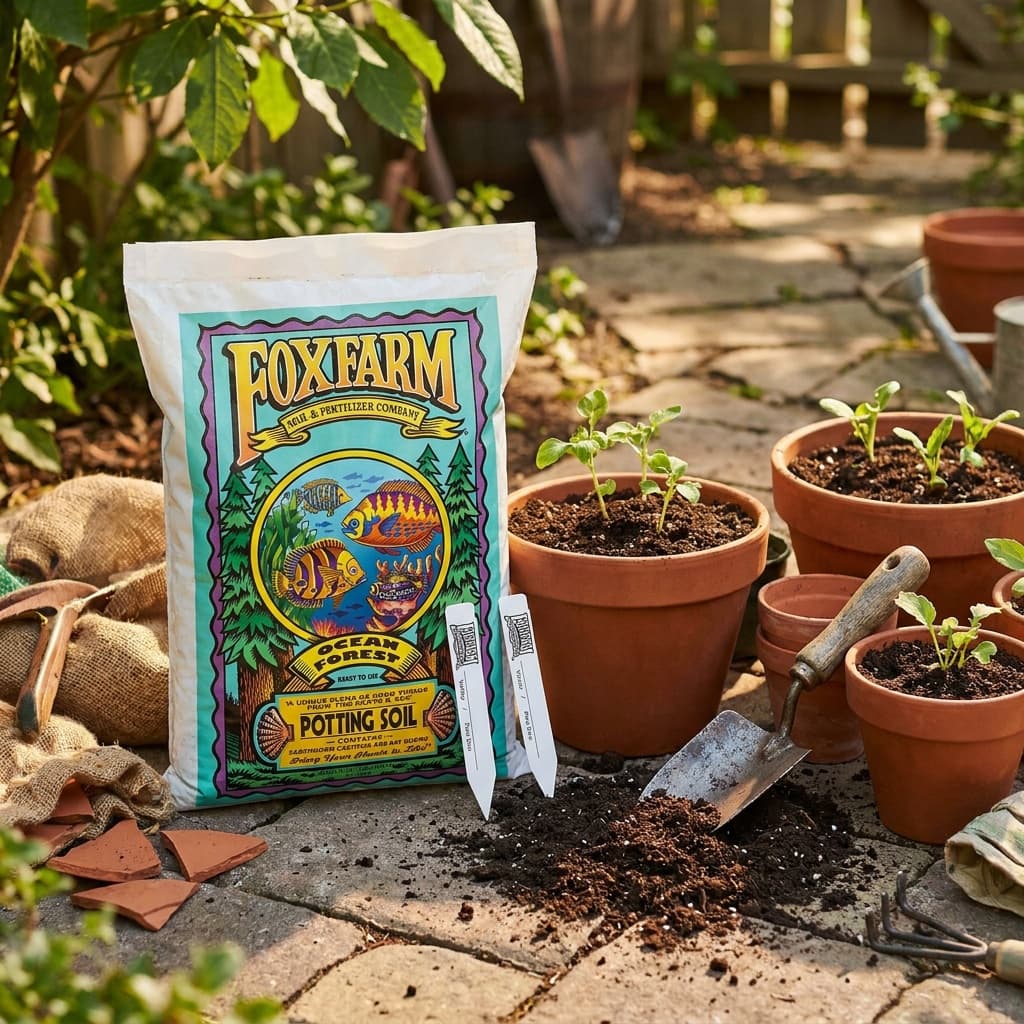
Whatever the structure, fill it with a quality mix. A FoxFarm Ocean Forest base blended with compost and topsoil gives crops a rich, well-draining start.
Rich bed mix
FoxFarm Ocean Forest Potting Soil
Best for: Container and raised-bed growers who want a rich, ready-to-plant mix.
Keep in mind: Can be too hot for tender seedlings without dilution
Amazon price as of the checked date, subject to change. The price on Amazon at checkout applies.
Full research
- Volume
- 1.5 cu ft
- Type
- Ready-to-use potting soil
- Key ingredients
- Aged forest products, sphagnum peat, earthworm castings, bat guano
- pH
- Adjusted to 6.3 to 6.8
A nutrient-dense, ready-to-use potting soil blended with earthworm castings, bat guano, and fish and crab meal. Its pH is pre-adjusted so nutrients stay available, making it a go-to for containers and transplants.
This catalog-wide research score is separate from this guide's use-case ranking. How we research
Strengths
- Rich, nutrient-dense blend that feeds early growth
- pH pre-adjusted to a plant-friendly range
- Drains well while holding moisture
Weaknesses
- Can be too hot for tender seedlings without dilution
- Premium price per bag
Sprout Score breakdown
Best for
Container and raised-bed growers who want a rich, ready-to-plant mix.
Owner rating snapshot
Amazon · 101 reviews · 4.7 stars
Crops that are possible but less efficient
You can grow almost anything in a bed, but some crops use the space poorly. A single winter squash or pumpkin can fill an entire bed, so train it on a trellis or let it spill over the edge. Corn needs a block of many plants for pollination, which a small bed may not provide. Use limited bed space for crops that grow well at close spacing.
What vegetables grow best in raised beds?
Root crops (carrots, beets, radishes, turnips), leafy greens (lettuce, spinach, kale, chard), tomatoes, peppers, and brassicas (broccoli, cabbage, cauliflower) all do exceptionally well. Root crops benefit most because the loose, deep, stone-free soil lets them grow straight, and heavy feeders like brassicas thrive on the rich bed soil.
How deep should a raised bed be for vegetables?
Most vegetables grow well in a bed 10 to 12 inches deep. Shallow-rooted greens are happy with less, but root crops like carrots and parsnips, and heavy feeders like tomatoes, appreciate the deeper end of that range or more. Deeper beds also hold moisture more evenly and need watering less often.
How close together can I plant in a raised bed?
Closer than traditional rows. Because you do not need walking room inside the bed, you can use equidistant or "square foot" spacing, fitting more plants into the same area. Use the per-plant spacing on the seed packet as your grid distance, and let the spacing calculator work out how many plants fit your bed.
Can I grow root vegetables like carrots in a raised bed?
Yes, and a raised bed is arguably the best place to grow them. Carrots, beets, and parsnips need loose, deep, stone-free soil to develop straight roots, which is exactly what a properly filled bed provides. Gardeners who get forked or stunted carrots in heavy ground soil often have far better results in a bed.
A raised bed is the most reliable way to give vegetables the soil they actually want. Build it deep, fill it with a rich, well-draining mix, and plant intensively. Lean into root crops, greens, and heavy feeders, and you will out-produce a far larger patch of difficult ground with a fraction of the effort.