Slugs and snails do their damage in the dark and the damp, then vanish by daylight, which is why gardeners often blame the wrong culprit. The signature is a combination of large irregular holes with smooth edges (not the fine shotholes of beetles) and shiny dried slime trails across leaves, soil, and pots in the morning. Wet weather, mulch, and dense plantings all favor them.
How to identify slug and snail damage
Slugs are soft, legless mollusks ranging from under an inch to several inches long, in gray, brown, or black. Snails carry a coiled shell. Both rasp irregular holes in leaves and can shear off whole seedlings.
Look for these signs:
They favor tender, low-growing, moisture-loving plants, including lettuce, spinach, cabbage, kale, strawberries, and the seedlings of nearly everything, plus ripening fruit close to the soil.
What causes slug and snail problems
Slugs and snails need moisture and shelter. They hide by day under mulch, boards, pots, leaf litter, and dense low foliage, then emerge at night to feed. Wet weather, overwatering, heavy organic mulch laid right up to stems, and crowded plantings all create the cool, damp refuges they depend on. Remove the hiding spots and you remove much of the population.
How to control slugs and snails organically
Organic slug and snail control, stacked
Hand-pick after dark
Remove daytime shelter
Use iron-phosphate bait carefully
Set trap boards
Add dry barriers
Some links on this page are affiliate links. As an Amazon Associate I earn from qualifying purchases.
Drier foliage overnight
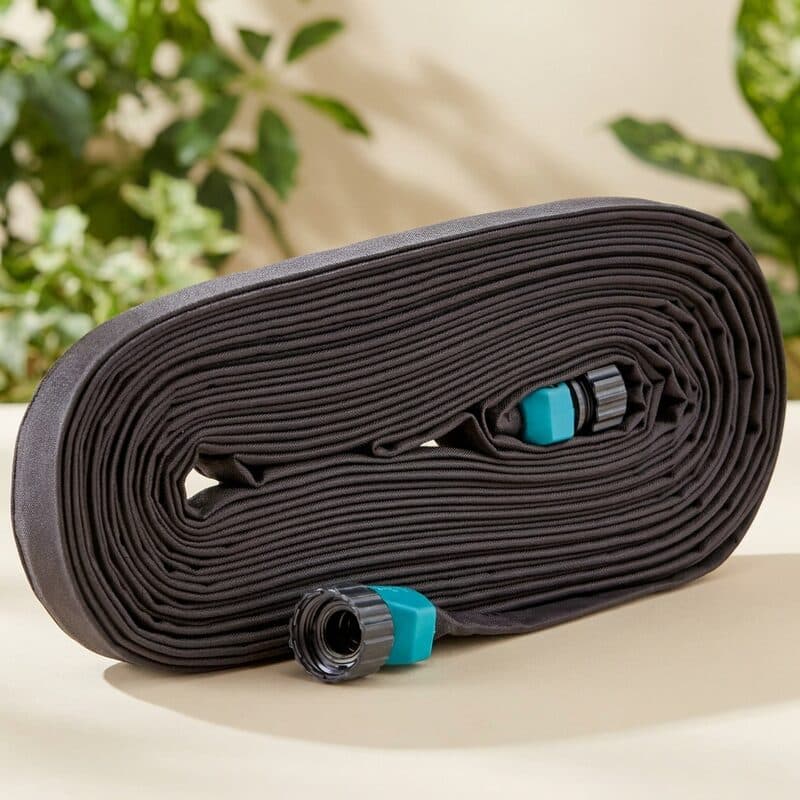
Gilmour Flat Weeper Soaker Hose
Best for: Row and border gardeners who want low-waste, root-zone watering on a budget.
Keep in mind: Even output drops over very long runs and on slopes
Amazon price as of the checked date, subject to change. The price on Amazon at checkout applies.
Full research
- Type
- Flat weeper soaker hose
- Lengths
- Available in multiple lengths
- Delivery
- Seeps along the full length
- Connection
- Standard hose faucet
Gilmour's flat weeper soaker hose seeps water along its length to deliver moisture at the root zone, lying flat along rows and borders.
This catalog-wide research score is separate from this guide's use-case ranking. How we research
Strengths
- Delivers water directly to the root zone with little waste
- Flat profile lies neatly along rows and borders
- Inexpensive and easy to route through a bed
Weaknesses
- Even output drops over very long runs and on slopes
- Should be drained and stored to avoid winter damage
Sprout Score breakdown
Best for
Row and border gardeners who want low-waste, root-zone watering on a budget.
Owner rating snapshot
Amazon · 49 reviews · 4.2 stars
Delivering water to the soil instead of spraying the leaves keeps foliage dry into the evening, which makes the garden a less inviting place for slugs and snails to feed. Pair it with morning watering rather than evening watering for the biggest effect.
How to prevent slugs and snails
- Water in the morning so foliage and the soil surface dry out before nightfall.
- Keep mulch pulled back from stems and avoid piling it deep against tender plants.
- Thin crowded plantings so air moves through and the soil surface dries faster.
- Clear boards, pots, and debris that give slugs cool, damp daytime cover.
- Hand-pick consistently for the first week or two of an outbreak rather than waiting for a single fix.
For timing tender seedlings (the stage slugs hit hardest) into the right window, build your schedule from the planting calendar.
FAQ
What is the most effective way to get rid of slugs?
No single method clears slugs, so stack a few: hand-pick after dark, remove the damp daytime hiding spots they shelter in, and scatter an iron-phosphate bait around vulnerable plants. Watering in the morning instead of the evening so foliage dries before night also cuts feeding sharply. Together these bring slugs under control more reliably than any one tactic alone.
Is slug bait safe for pets and wildlife?
No pesticide bait is risk-free. Iron-phosphate products are generally a lower-risk choice than metaldehyde products when used as directed, but formulations and other ingredients vary. Read the full label, apply only the stated amount, store the package securely, and keep pets and children away during application.
Do eggshells and coffee grounds stop slugs?
Dry, sharp barriers like crushed eggshells or coarse grit can deter slugs from crossing while the barrier stays dry, but their effect fades after rain or watering and they are best treated as a supporting tactic. Coffee grounds give inconsistent results. Rely on hand-picking, habitat removal, and iron-phosphate bait as your core controls, with barriers as a backup.
Why are slugs worse after rain?
Slugs and snails need moisture to move and feed and dry out easily, so warm, wet, humid nights are ideal feeding conditions for them. After rain, the soil surface and foliage stay damp well into the night, letting them roam and feed freely. Expect a spike in damage following wet spells and concentrate hand-picking on those nights.
Slug and snail control takes repeated work. Remove damp shelter, pick them at night, bait persistent spots, and water in the morning. For a leaf-chewing pest active during the day, see Japanese beetles.