Tulips, daffodils, crocus, and hyacinths all need a long cold spell before they bloom. Planting them in fall gives them that cold season in the ground, along with the weeks of root growth they need before the soil freezes. The work takes an afternoon, and the flowers arrive before most of the garden wakes up.
When to plant bulbs
Soil temperature decides the timing, not the calendar. University of Wisconsin-Madison Extension recommends planting once the ground cools to around 50 to 55°F, and continuing until a couple of weeks before the ground freezes. That window gives bulbs time to root in.
In a cold-winter state like Minnesota, University of Minnesota Extension puts the window at mid-September to mid-October. Tulips are the exception: they can go in as late as you can still get them into the soil. University of Illinois Extension notes that most bulbs can be planted until the ground is frozen.
Where winters are mild, chill first
Spring bulbs need a long cold period before they can flower. Clemson's Home & Garden Information Center puts it at 12 to 16 weeks of chilling. In the warmest parts of the South, winter soil does not stay cold long enough, so the cold has to come from a refrigerator.
Chilling bulbs in a warm climate
Refrigerate tulips until planting
Give hyacinths six to eight weeks
Keep fruit away
Plant daffodils in fall as usual
How to plant bulbs
Planting step by step
Pick a spot that drains
Dig to the right depth
Set them pointed end up
Water them in
Mulch the bed
Do bulbs need fertilizer?
The two main sources differ, so let your soil decide. University of Minnesota Extension recommends adding compost at planting instead of fertilizer unless a soil test shows a shortage. If you do fertilize, University of Illinois Extension suggests mixing five tablespoons of 10-10-10 fertilizer and two cups of bonemeal into each 10 square feet of bed in fall. Our guide to testing your garden soil explains how to find out what your bed needs.
Keep squirrels and chipmunks from digging them up
Squirrels and chipmunks may dig up freshly planted bulbs, especially tulips. Daffodil bulbs are poisonous, which makes them a steadier choice where digging animals are a problem.
After the flowers fade
Leave the leaves in place until they turn yellow and wither on their own. The leaves feed the bulb for next year, so the longer they stay green, the better the next bloom. If bulbs are planted in a lawn, hold off mowing those spots until the foliage has died back.
In dry falls or springs, water until the soil is soaked if rainfall runs below normal.
Frequently asked questions
Is it too late to plant bulbs?
Usually not. Most bulbs can be planted until the ground freezes, and tulips can go in as late as you can still dig. Bulbs planted late have less time to root, so aim for at least a couple of weeks before the ground freezes when you can.
How deep should I plant bulbs?
Plant each bulb two to three times as deep as it is tall. That works out to about 6 to 8 inches for tulips and daffodils and 3 to 4 inches for small bulbs like crocus. Go a little deeper in sandy soil and a little shallower in clay.
Do I need to water bulbs after planting?
Yes. Water right after planting to settle the soil and start root growth. After that, water only if fall or spring rainfall is below normal.
Can I grow tulips in a warm climate?
Yes, with help. Keep tulip bulbs in the refrigerator, away from fruit, until you plant them. In the Deep South that means planting from November to late December. Expect one season of flowers from tulips there, while daffodils often come back for years.
Plant this fall, bloom next spring
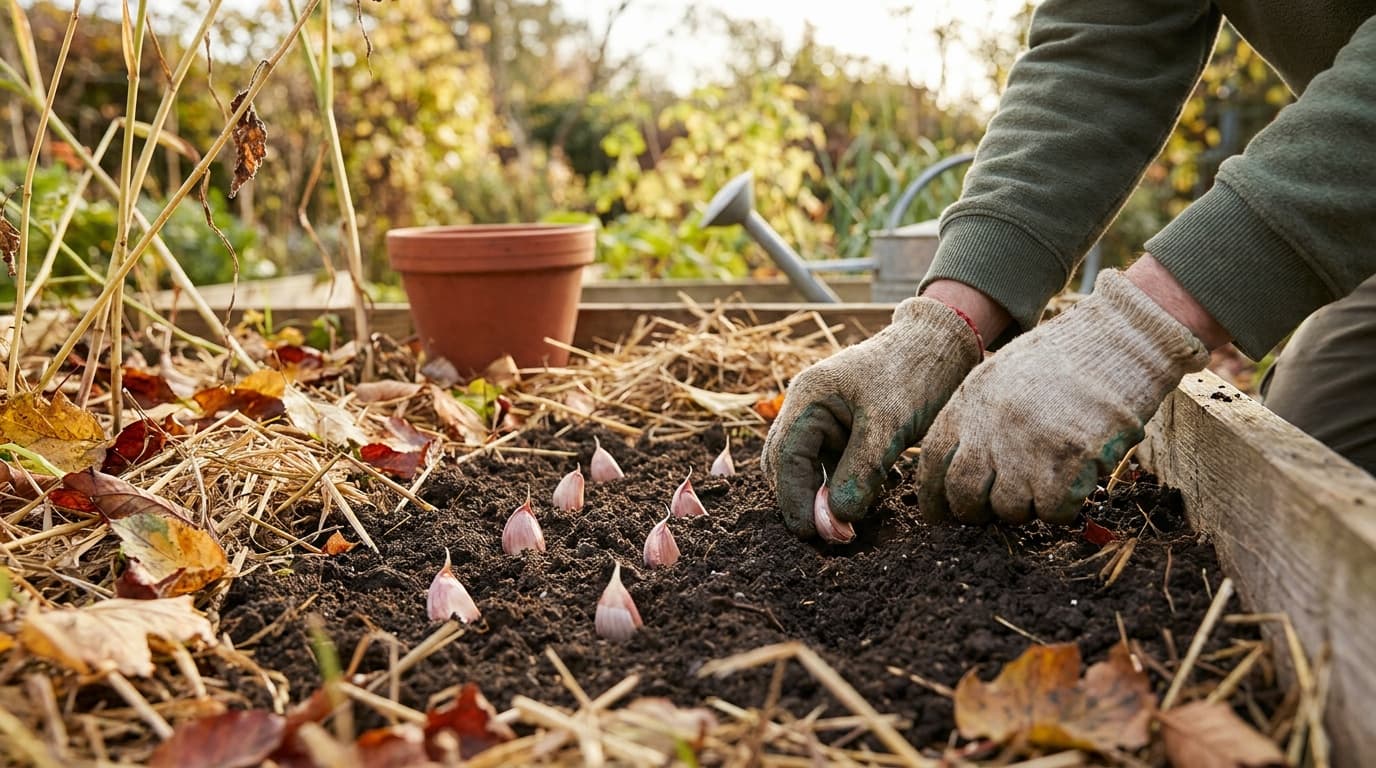
Pick a well-drained spot, wait for the soil to cool, and set each bulb pointed end up at two to three times its height. Water, mulch, and leave the foliage alone after bloom. While the trowel is out, fall is also the time to plant garlic and put the vegetable beds to bed.