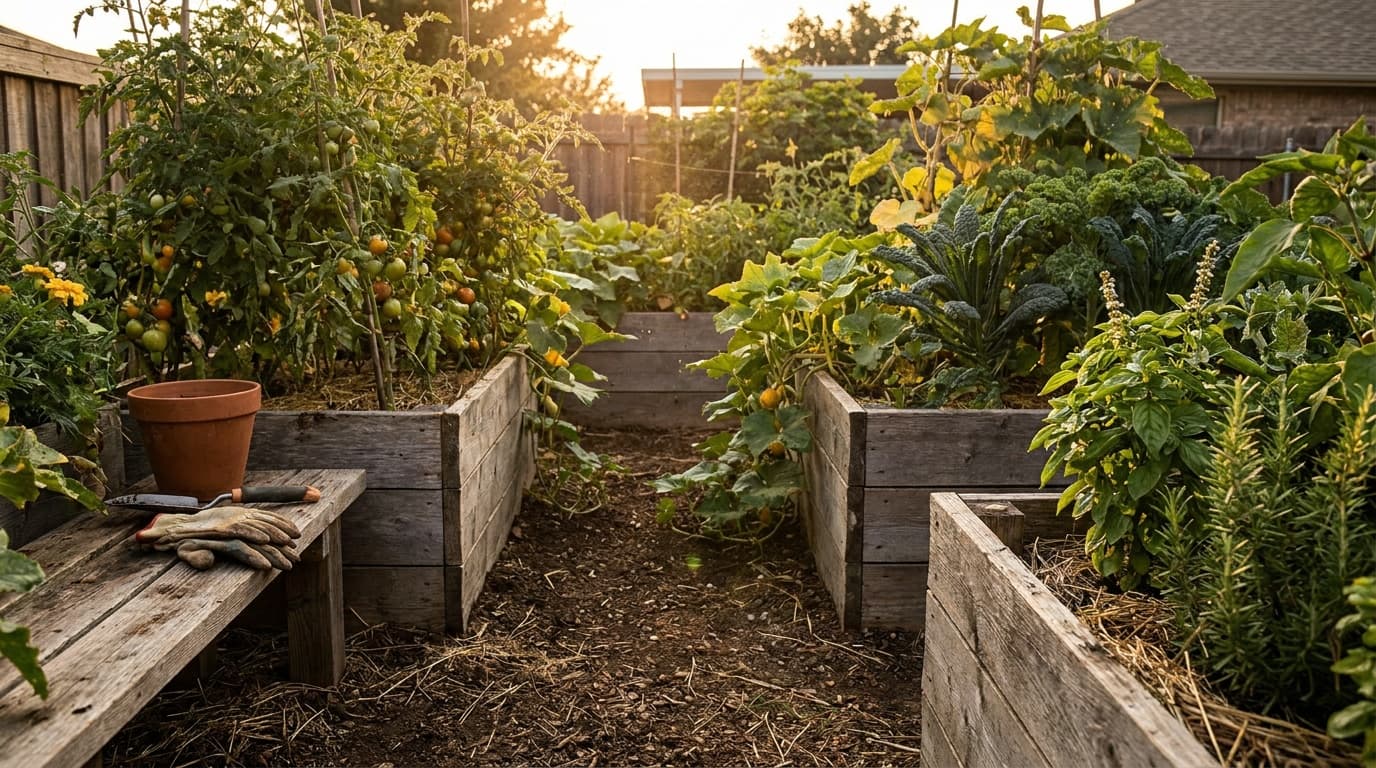
Why fall gardens are easier than spring ones
Spring gardening fights against cold soil and unpredictable late frosts. Fall flips the problem. Your soil is already warm, which means fast germination, while the cooling air and shorter days slow bolting and sweeten many crops. Cool nights concentrate sugars in carrots, kale, and Brussels sprouts, so a fall harvest often tastes better than the same crop grown in summer heat.
The catch is the calendar. In fall you are racing toward frost instead of away from it, so the single most important number is your first expected frost date. Look yours up with our frost dates tool, then let the planting calendar translate that into sow dates for your ZIP code.
How to find your fall sow dates
The math is the same for every crop, so learn it once.
Counting back to your sow date
Find your first frost
Read the days to maturity
Add a fall factor
Count backward from frost
What to plant in a fall garden
Group your choices by how much cold they shrug off. This tells you both when to sow and how long they last once frost arrives.
Frost-tender, sow earliest
Bush beans and summer squash will not survive frost, so they need to finish before your first frost date. Sow these in mid to late summer and plan to clear them out when nights turn cold.
Frost-hardy, the fall backbone
Carrots, beets, radishes, kale, Swiss chard, and leaf lettuce all tolerate light frost and many improve after one. These are your core fall crops. Direct-sow roots where they will grow, since carrots and radishes resent transplanting.
Very hardy, the overwinter set
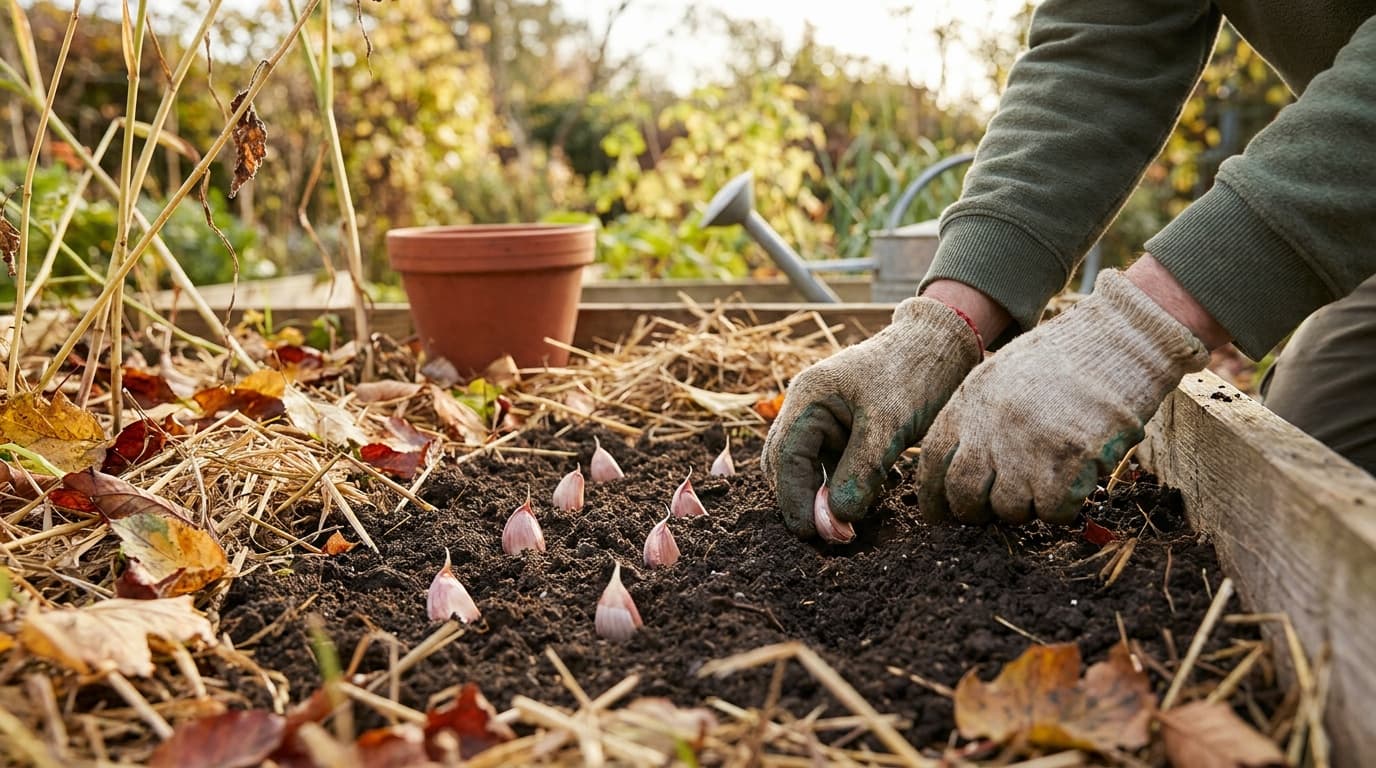
Garlic is planted in fall specifically to overwinter, so it sits outside the days-to-maturity math entirely. Spinach and mache tolerate light frost and may overwinter in milder zones or with protection for an early spring harvest.
Protecting the garden as nights cool
A few degrees of protection can add three to five weeks to your harvest, which in many zones is the difference between one cutting and four. The simplest, most flexible tool is a floating row cover: a lightweight fabric you drape over hoops or directly on the crop. It traps a little daytime warmth, blocks light frost, and keeps cabbage moths off your brassicas in the bargain.
Some links on this page are affiliate links. As an Amazon Associate I earn from qualifying purchases.
Easiest frost protection
Agribon AG-19 Floating Row Cover
Best for: Gardeners who want cheap frost protection and pest exclusion in one fabric.
Keep in mind: Lightweight fabric tears and wears over seasons
Amazon price as of the checked date, subject to change. The price on Amazon at checkout applies.
Full research
- Weight
- 0.55 oz per sq yd
- Frost protection
- Down to roughly 28F
- Light transmission
- About 85%
- Material
- Spun-bonded polypropylene
A lightweight spun-bonded row cover that drapes over crops to add a few degrees of frost protection while still letting in light and water. It doubles as a physical barrier against many insect pests.
This catalog-wide research score is separate from this guide's use-case ranking. How we research
Strengths
- Extends the growing season at both ends
- Excludes many pests without chemicals
- Passes most light and water so it can stay on
Weaknesses
- Lightweight fabric tears and wears over seasons
- Needs hoops or pins to stay put in wind
Sprout Score breakdown
Best for
Gardeners who want cheap frost protection and pest exclusion in one fabric.
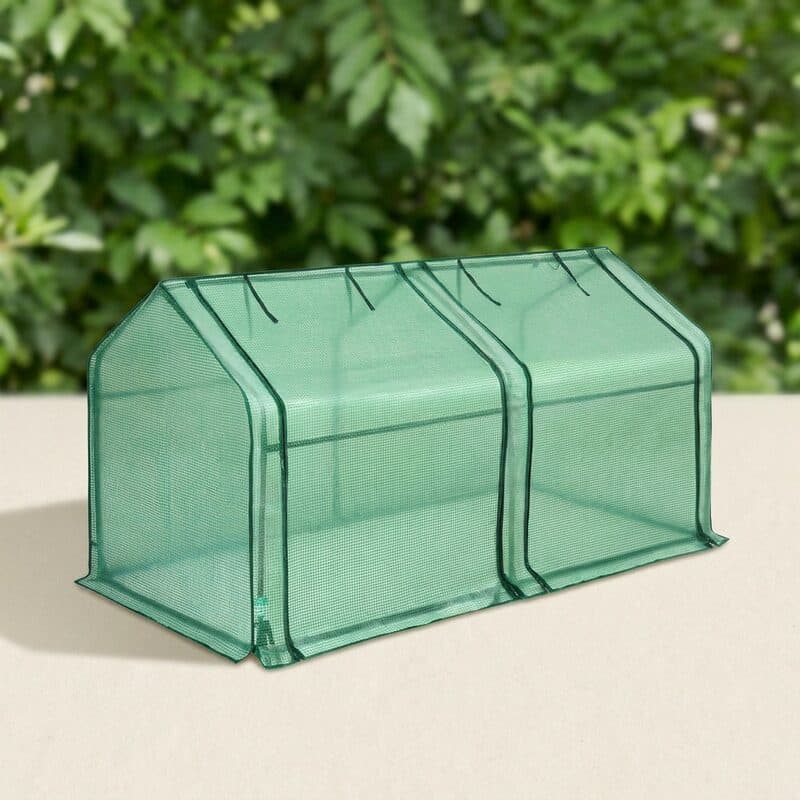
For a more permanent setup, a small pop-up greenhouse lets you start fall transplants and shelter tender crops without building a frame. It is most useful if you garden in a short-season zone where you are fighting the calendar every autumn.
For short-season zones
Quictent Portable Greenhouse
Best for: Hobby gardeners who want an inexpensive, movable season-extension shelter.
Keep in mind: Lightweight cover degrades in sun and wind over time
Amazon price as of the checked date, subject to change. The price on Amazon at checkout applies.
Full research
- Type
- Walk-in portable greenhouse
- Frame
- Powder-coated steel tube
- Cover
- Reinforced PE with mesh windows
- Features
- Roll-up zippered door, ground stakes and ropes
A walk-in portable greenhouse with a reinforced PE cover over a powder-coated steel frame. It creates a sheltered, warmer space for hardening off seedlings and protecting tender plants in shoulder seasons.
This catalog-wide research score is separate from this guide's use-case ranking. How we research
Strengths
- Affordable walk-in covered growing space
- Quick to assemble and relocate
- Mesh windows and roll-up door help vent heat
Weaknesses
- Lightweight cover degrades in sun and wind over time
- Must be staked and guyed securely or it can blow over
Sprout Score breakdown
Best for
Hobby gardeners who want an inexpensive, movable season-extension shelter.
Owner rating snapshot
Amazon · 35 reviews · 4.1 stars
When a hard freeze threatens, water the bed in the late afternoon. Moist soil holds more heat than dry soil and releases it overnight, which can keep tender leaves a degree or two warmer right when it matters.
Common fall-garden mistakes
The biggest one is planting too late. By the time the air feels like fall, the window for many crops has closed, so trust the calendar over the weather. The second is forgetting that bolting still happens: a late heat wave can push lettuce and spinach to bolt even in September, so keep an eye on stressed plants and read our guide on bolting if leaves turn bitter and stems shoot up. The third is letting beds dry out, since warm soil and dry surface air can stall germination even when the air feels cool.
When should I start a fall vegetable garden?
Count backward from your first expected frost date. Find that date with the frost dates tool, then subtract each crop's days to maturity plus 10 to 14 days for slower autumn growth. For many regions this means sowing in mid to late summer, often earlier than gardeners expect.
What vegetables grow best in a fall garden?
Cold-hardy crops do best: leaf lettuce, spinach, kale, Swiss chard, carrots, beets, radishes, and brassicas like broccoli and cabbage. Many of these, especially carrots and kale, taste sweeter after a light frost because cold concentrates their sugars.
Can vegetables survive frost in a fall garden?
Many can. Hardy greens and roots tolerate light frost, kale can withstand heavier frost, and fall-planted garlic overwinters. Spinach may also overwinter in suitable conditions or with protection. Frost-tender crops such as beans and squash do not, so they need to finish before your first frost. A floating row cover adds protection for the borderline crops in between, with the result depending on weather and setup.
Do I need to add fertilizer for a fall garden?
A balanced organic feed at planting helps fast leafy growth before days shorten. Work some into the bed before sowing, then leave it. See our roundup of the best organic fertilizers for cool-season choices.
Start with your first fall frost date and count backward for each crop. Sow early enough to allow for slower growth as the days shorten, then keep row cover nearby for cold nights. Greens and root crops can continue producing after warm-season plants have finished.