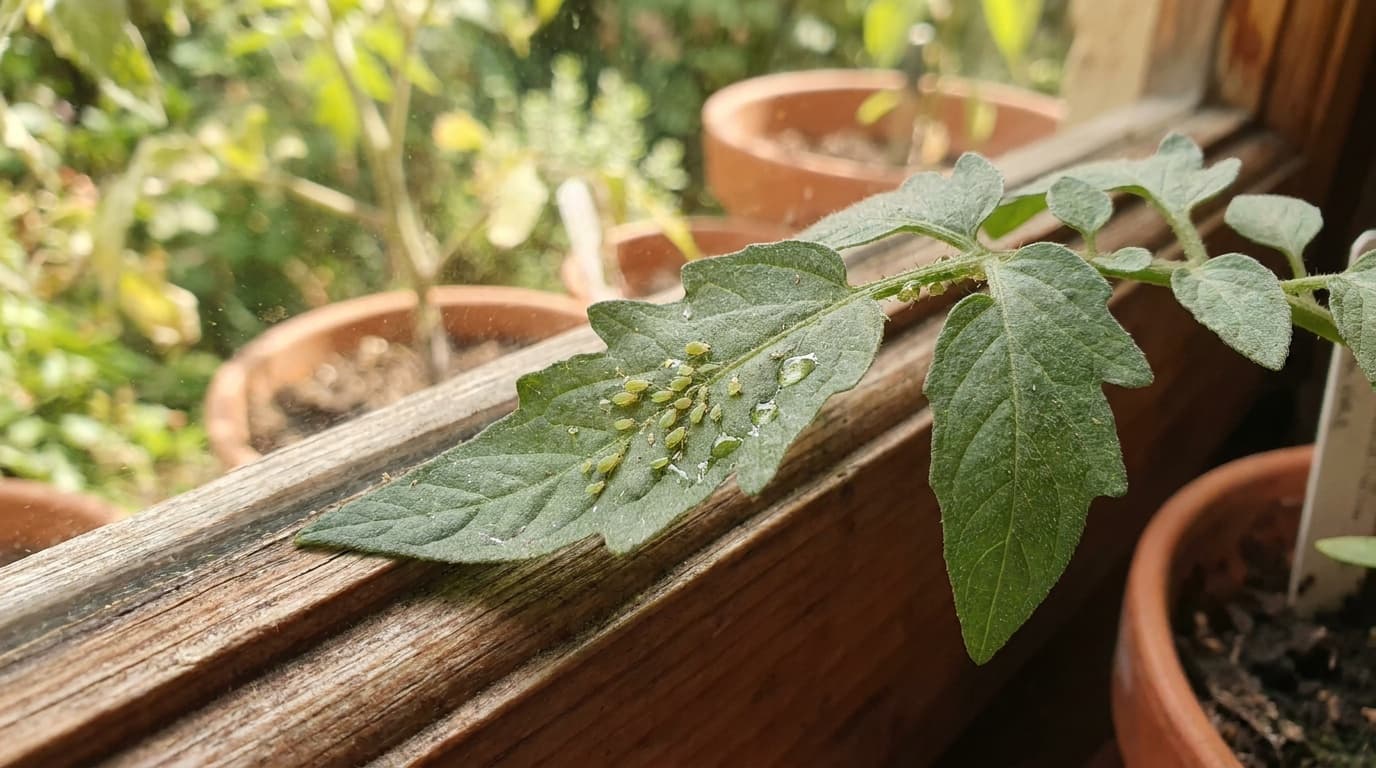
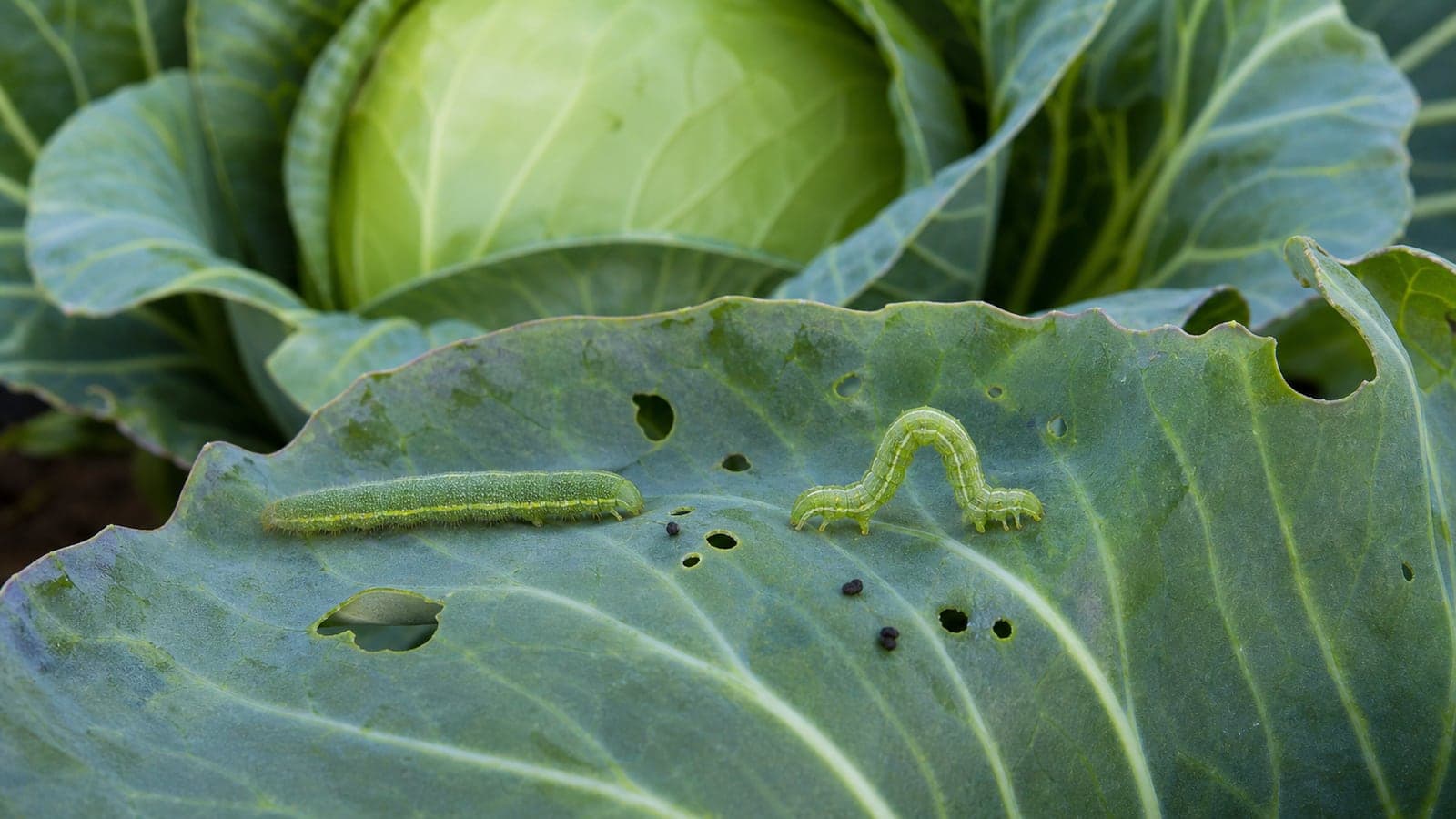
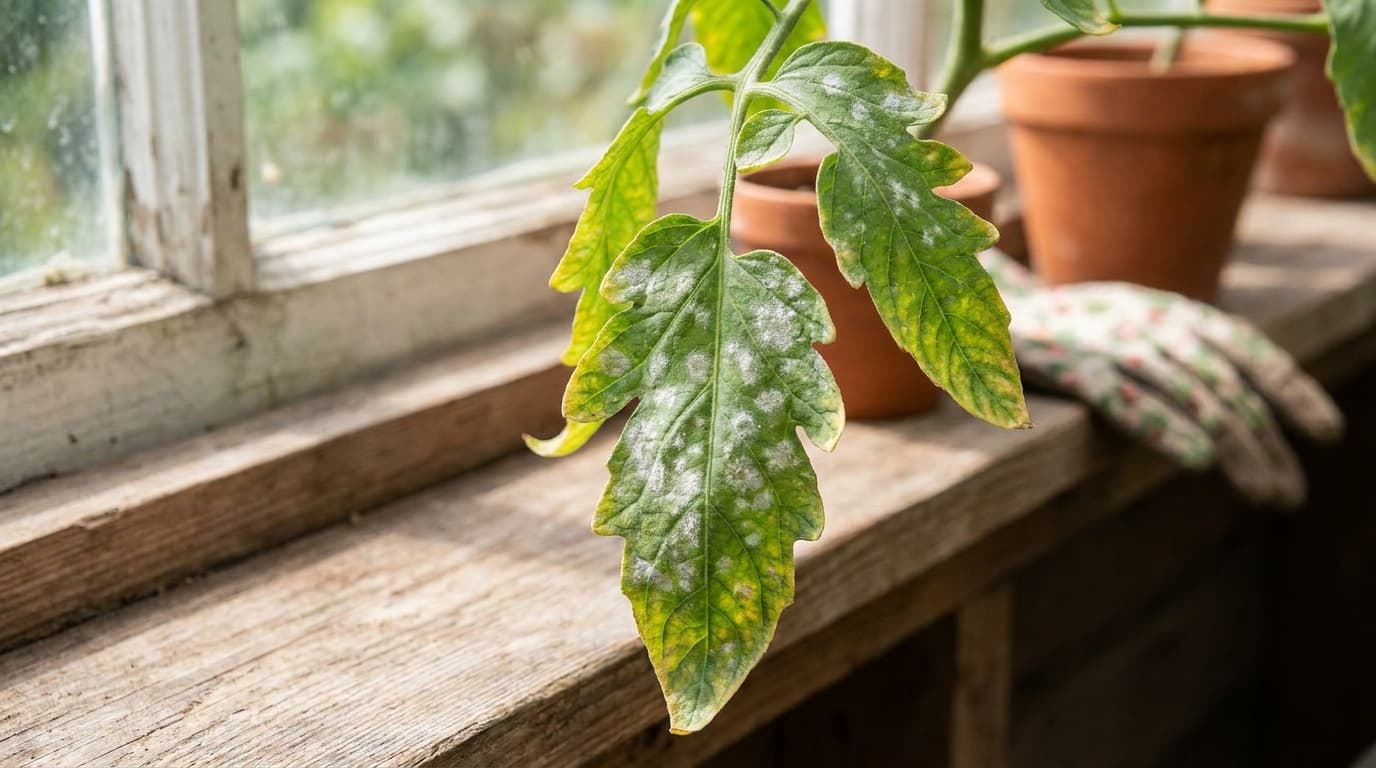
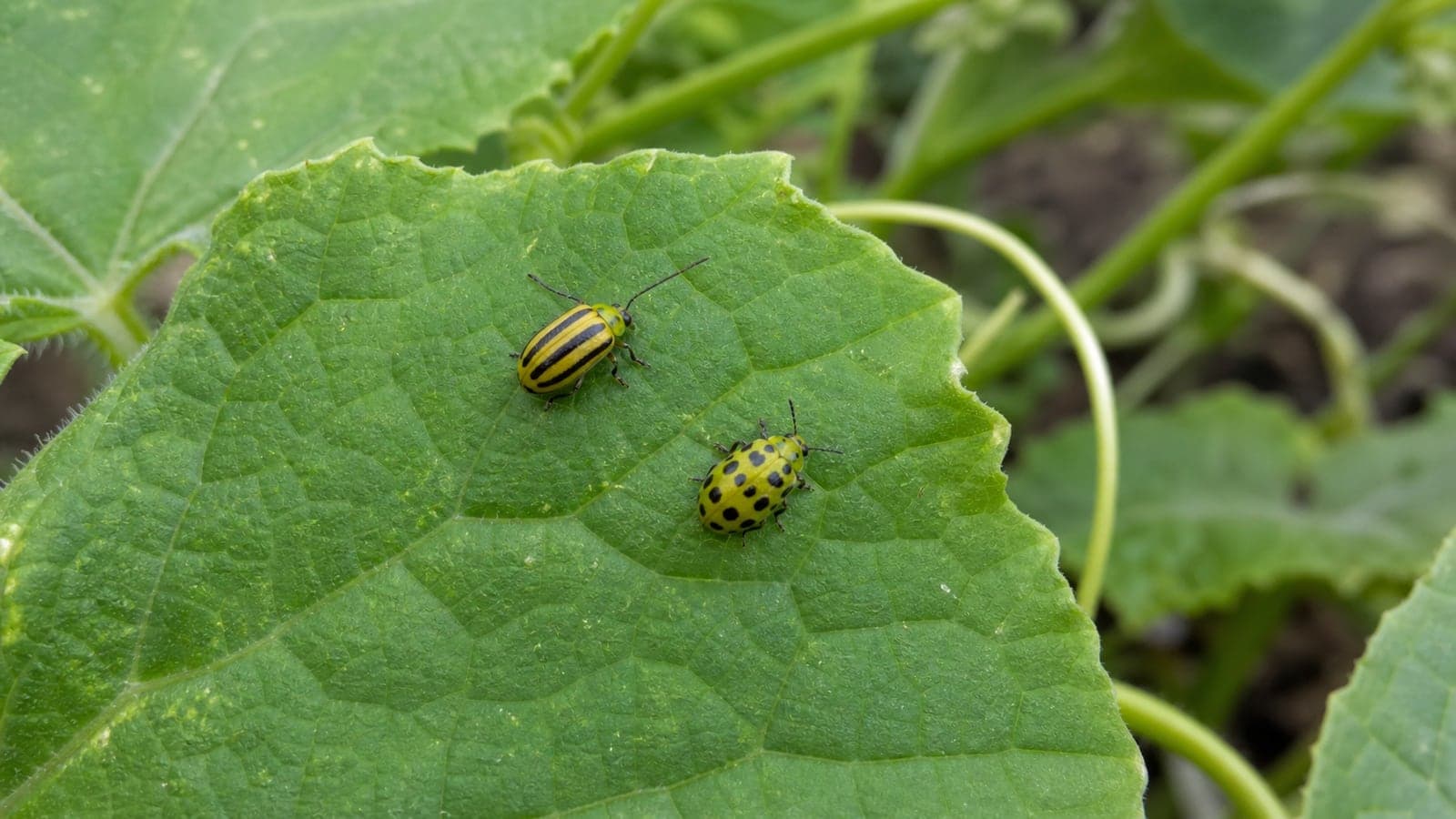
Thrips are among the smallest insect pests you will deal with, which is exactly why they get missed until the damage shows. They rasp open plant cells and feed on the contents, leaving behind a telltale silvery or whitish stippling on leaves, often dotted with tiny dark flecks of excrement. On flowers they cause streaking and browning of petals; on new growth they cause puckering and distortion. Heavy feeding can leave whole leaf surfaces looking bleached and papery.
How to identify the problem
The damage pattern is your first clue, but several pests cause stippling. To confirm thrips, hold a sheet of white paper or a white plate under a suspect leaf or flower and tap the foliage sharply. Thrips dislodge as fast-moving, pale or dark slivers that scurry across the paper. A simple hand lens helps. Distinguish their damage from spider mites, which leave finer stippling plus webbing, and from leafhoppers, which leave coarser white flecking.
How to control them, step by step
The plan
Confirm with a tap test
Exclude with row cover
Clean up and weed
Knock back outbreaks
Support predators
Pull virus-infected plants
Row cover keeps thrips off the plants that matter most
The most reliable prevention for young transplants and virus-prone crops is to keep thrips from reaching them in the first place. A fine-mesh floating row cover laid over hoops admits light, water, and air while physically excluding the insects during the vulnerable establishment weeks.
Some links on this page are affiliate links. As an Amazon Associate I earn from qualifying purchases.
Exclude thrips early
Agribon AG-19 Floating Row Cover
Best for: Gardeners who want cheap frost protection and pest exclusion in one fabric.
Keep in mind: Lightweight fabric tears and wears over seasons
Amazon price as of the checked date, subject to change. The price on Amazon at checkout applies.
Full research
- Weight
- 0.55 oz per sq yd
- Frost protection
- Down to roughly 28F
- Light transmission
- About 85%
- Material
- Spun-bonded polypropylene
A lightweight spun-bonded row cover that drapes over crops to add a few degrees of frost protection while still letting in light and water. It doubles as a physical barrier against many insect pests.
This catalog-wide research score is separate from this guide's use-case ranking. How we research
Strengths
- Extends the growing season at both ends
- Excludes many pests without chemicals
- Passes most light and water so it can stay on
Weaknesses
- Lightweight fabric tears and wears over seasons
- Needs hoops or pins to stay put in wind
Sprout Score breakdown
Best for
Gardeners who want cheap frost protection and pest exclusion in one fabric.
Which plants are at risk, and how to plan
Thrips have a broad host range. In the vegetable garden they commonly hit tomatoes, peppers, onions, and cabbage, and they are a frequent problem on greenhouse and ornamental plants. Onions show characteristic silvery streaking on the leaves, while tomatoes and peppers are at particular risk from the viruses thrips carry.
Use the planting calendar for your ZIP to time transplants so you can have row cover in place from the day they go out, when young plants are most vulnerable to both feeding and virus transmission. If thrips have been a recurring problem, this early protection is your highest-leverage move.
What does thrips damage look like?
Thrips feeding leaves silvery or whitish stippling and streaks on leaves, often speckled with tiny black specks of excrement. Flowers show streaking and browning, and new growth comes in puckered and distorted. Heavy feeding can make leaf surfaces look bleached and papery. The silvering plus black flecks is the signature that separates thrips from other stippling pests.
How do I know if I have thrips and not spider mites?
Tap the foliage over a sheet of white paper and look for tiny, fast-moving slivers, which are thrips. Spider mites leave finer stippling accompanied by fine webbing, especially on leaf undersides, and the mites themselves look like slow-moving dots rather than darting slivers. A hand lens makes the distinction clear.
Can thrips kill my plants?
Direct feeding rarely kills an established plant, though heavy infestations stunt growth and ruin flowers and fruit appearance. The greater danger is that some thrips transmit plant viruses such as tomato spotted wilt, which has no cure. A virus-infected plant should be removed to protect the rest of the garden, which is why preventing thrips from colonizing young plants matters so much.
Will insecticidal soap get rid of thrips?
Insecticidal soap and horticultural oil help knock back active infestations when applied thoroughly to leaf undersides and new growth and repeated as directed, but they will not solve the problem alone. Thrips develop resistance quickly, so the durable approach pairs soaps or oils with row cover exclusion, sanitation, and natural predators rather than relying on repeated spraying.
What to do now
Thrips are small enough to miss until the silvery stippling and distorted growth give them away, and the real risk is the viruses some species carry. Confirm them with a white-paper tap test, exclude them from young and high-value plants with row cover, keep the bed clean, support predators, and reserve soaps and oils for flare-ups. Time your row cover to the transplant date in your planting calendar and you protect plants during the window that matters most.