Our recommendations
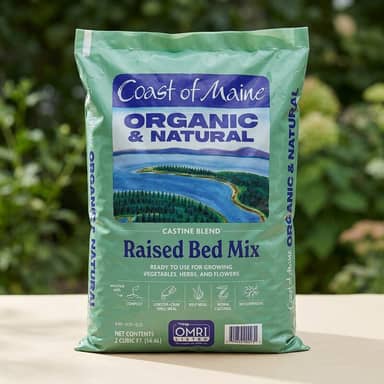
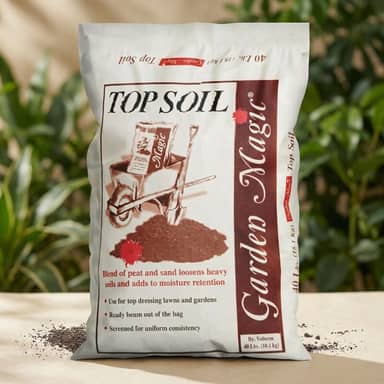
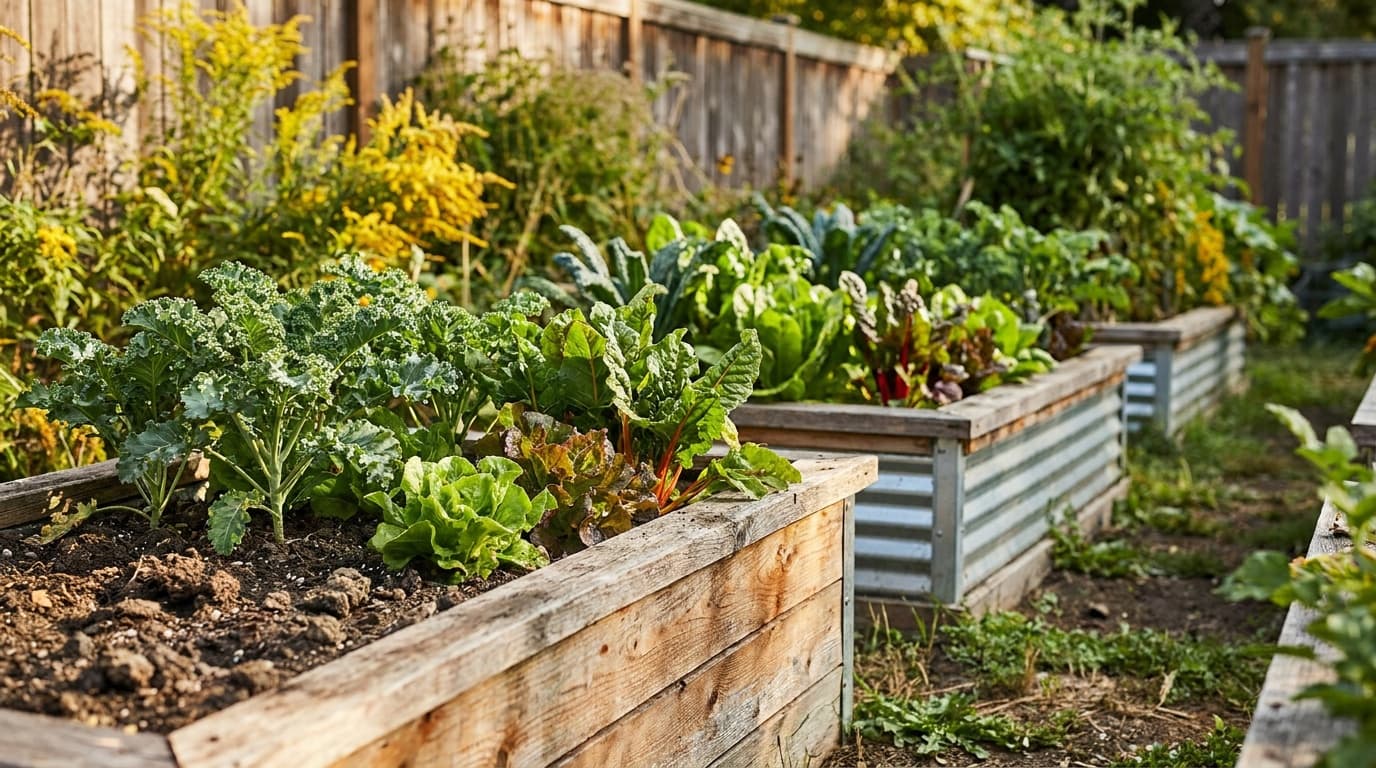
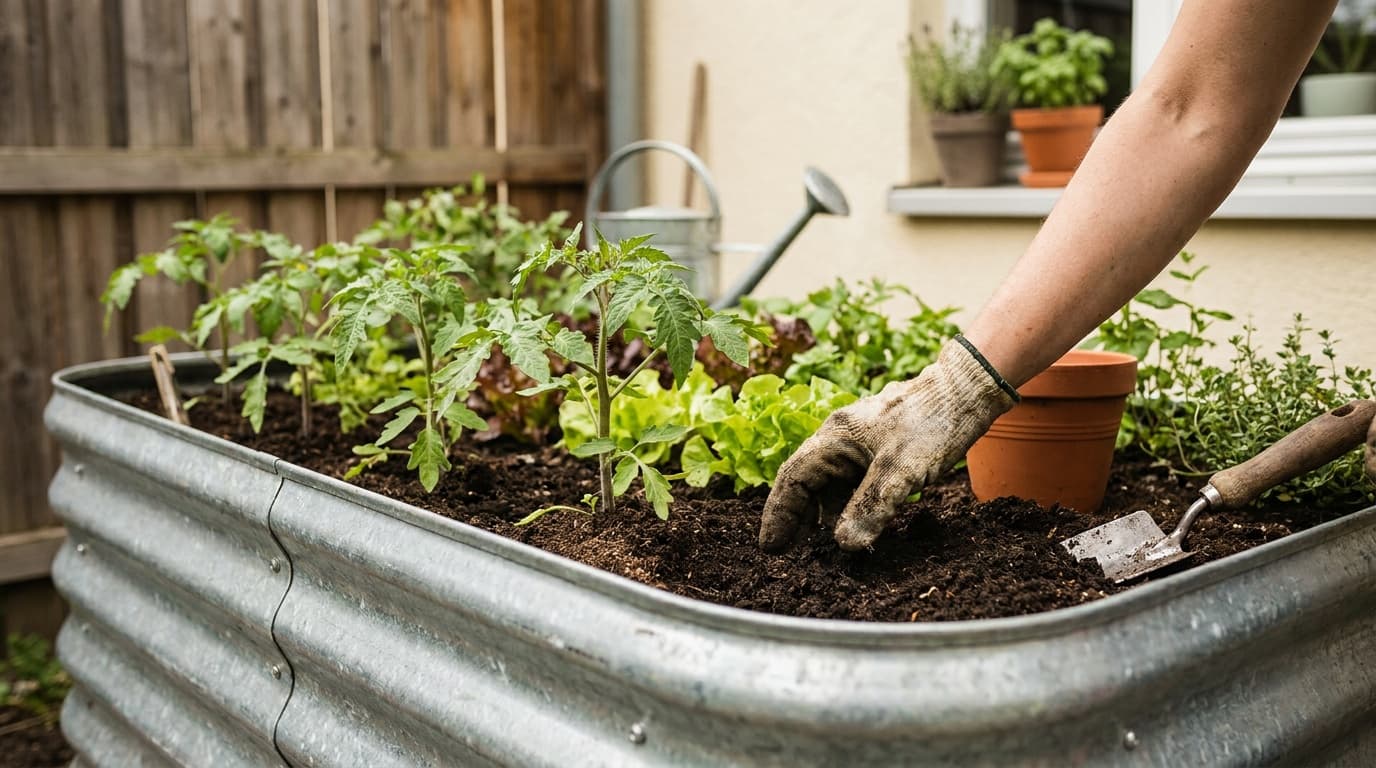
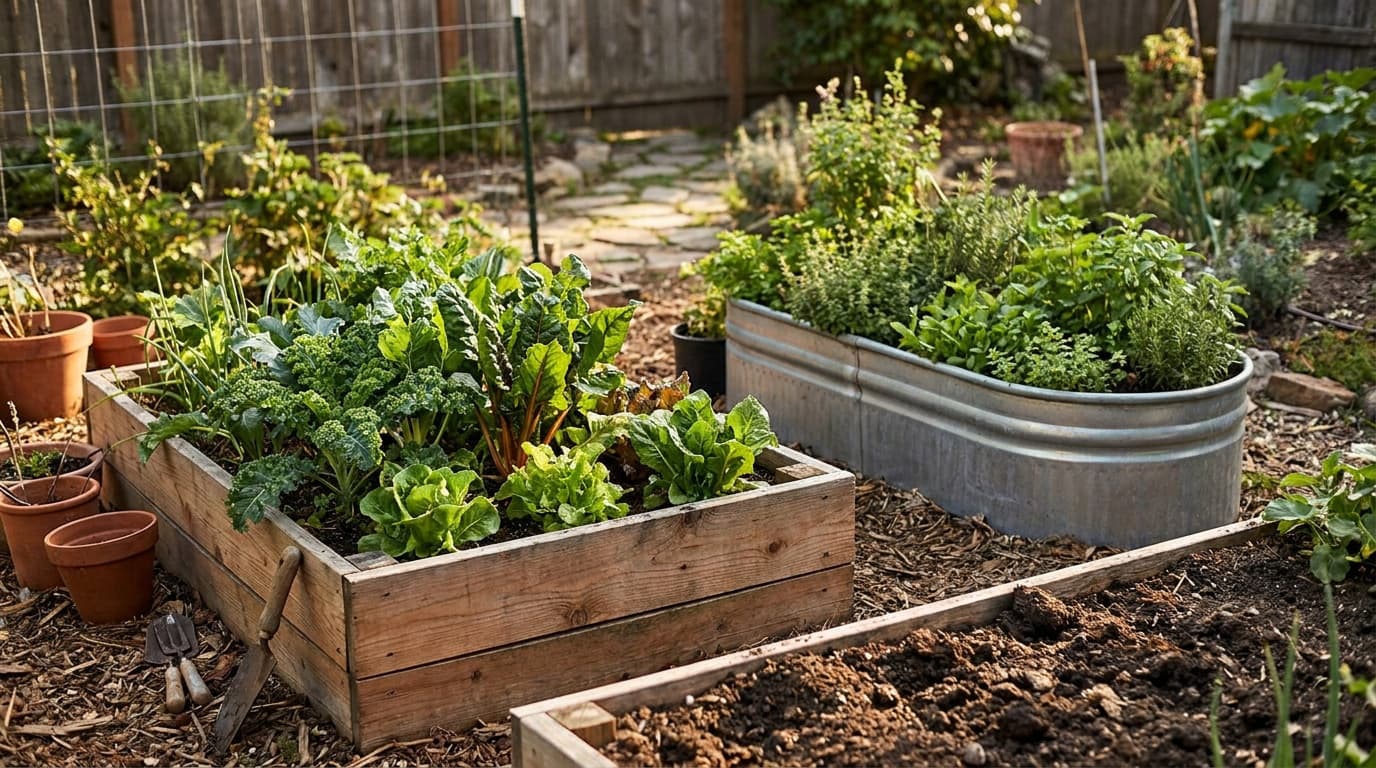
Filling a raised bed is where many gardens are won or lost. The bed itself rarely fails; the fill does, either compacting into a dense brick or staying so loose it dries out by noon. The products that solve this are not interchangeable, and the labels do not make that obvious. The single most useful thing to understand before you buy is the difference between three things that all look like "dirt" in a bag.
Once your bed is filled, your timing matters as much as your soil. Run your ZIP through the planting calendar so the bed is full, settled, and warm by the time your tomatoes or lettuce want to go in.
Raised bed mix vs potting mix vs garden soil
These three terms get used interchangeably on store shelves, and that is exactly how beds end up filled wrong.
Garden soil is the heaviest. It is meant to be mixed into existing native ground, not to fill a container or bed on its own. Used alone in a raised bed, it compacts, holds too much water, and chokes roots. It is the cheapest per bag, which is why it is so often misused.
Potting mix is the lightest. It is built for containers: fast-draining, soilless or nearly so, and pH-adjusted. It is ideal for pots and seed trays, but in a large raised bed it dries out fast and is expensive to buy by the cubic yard.
Raised bed mix sits in the middle and is purpose-built for this exact job. It drains freely like a potting mix but holds moisture and structure like a garden loam, and it usually arrives already amended so you can fill and plant. For a dedicated bed, this is the category you want.
Best overall: Coast of Maine Castine Blend
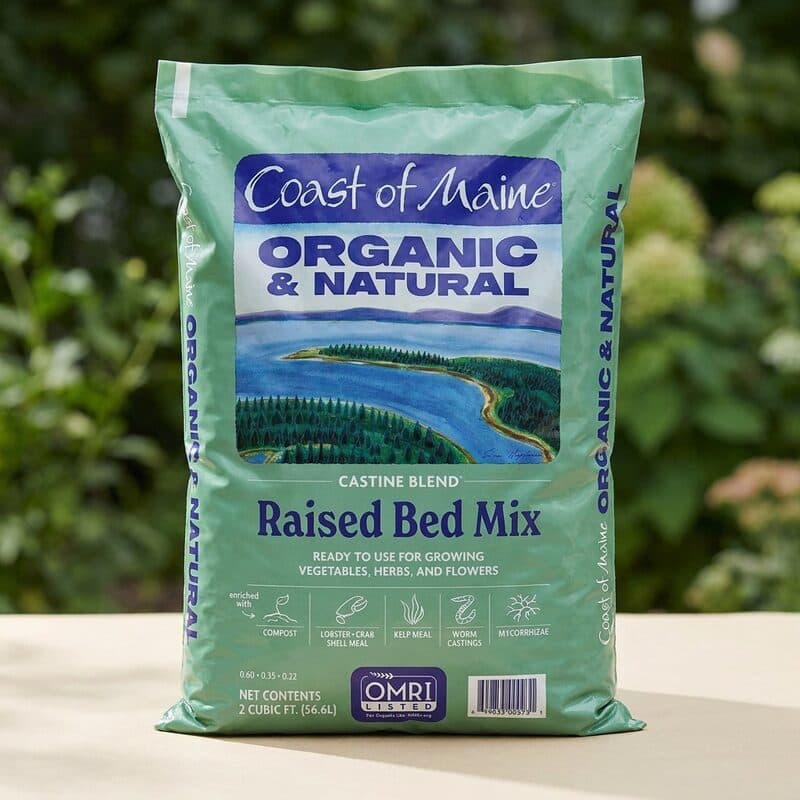
Best overall
Coast of Maine Castine Blend Organic Raised Bed Mix (1 cu ft)
Best for: Raised-bed vegetable growers who want a rich, ready-to-use organic mix that performs without extra amending.
Keep in mind: Premium price per cubic foot makes filling multiple large beds expensive
Amazon price as of the checked date, subject to change. The price on Amazon at checkout applies.
Full research
- Bag size
- 1 cu ft
- Type
- Ready-to-use raised bed mix
- Base
- Compost, sphagnum peat, aged bark
- Amendments
- Worm castings, mycorrhizae, biochar, kelp, greensand
Coast of Maine's Castine Blend is a ready-to-use raised bed mix built on compost, peat, and aged bark and enriched with worm castings, mycorrhizae, biochar, kelp, greensand, and lobster and crab shell meal for vigorous vegetable growth.
This catalog-wide research score is separate from this guide's use-case ranking. How we research
Strengths
- Formulated specifically for raised beds, so it fills a bed and grows without further amending
- Biologically rich blend with mycorrhizae, worm castings, and marine meals supports vigorous vegetable growth
- Holds moisture in the root zone while still draining freely
Weaknesses
- Premium price per cubic foot makes filling multiple large beds expensive
- Sold in single cubic-foot bags, so a big bed needs many bags to fill
Sprout Score breakdown
Best for
Raised-bed vegetable growers who want a rich, ready-to-use organic mix that performs without extra amending.
Owner rating snapshot
Amazon · 419 reviews · 4.7 stars
The Castine Blend is a raised bed mix in the truest sense: built on compost, sphagnum peat, and aged bark, then enriched with worm castings, mycorrhizae, biochar, kelp, greensand, and lobster and crab shell meal. That ingredient list is the reason it earns the top slot. It fills a bed and grows vegetables without you needing to amend it first, and the marine inputs and living biology give crops a strong start.
It drains freely while holding moisture in the root zone, which is the balance a raised bed needs. The price per cubic foot is high, and a large bed will need many of its one-cubic-foot bags. It makes more sense for one carefully built bed than for filling a large garden on a budget. You can check current pricing on the Castine Blend before committing.
Bulk-fill component: Michigan Peat Garden Magic
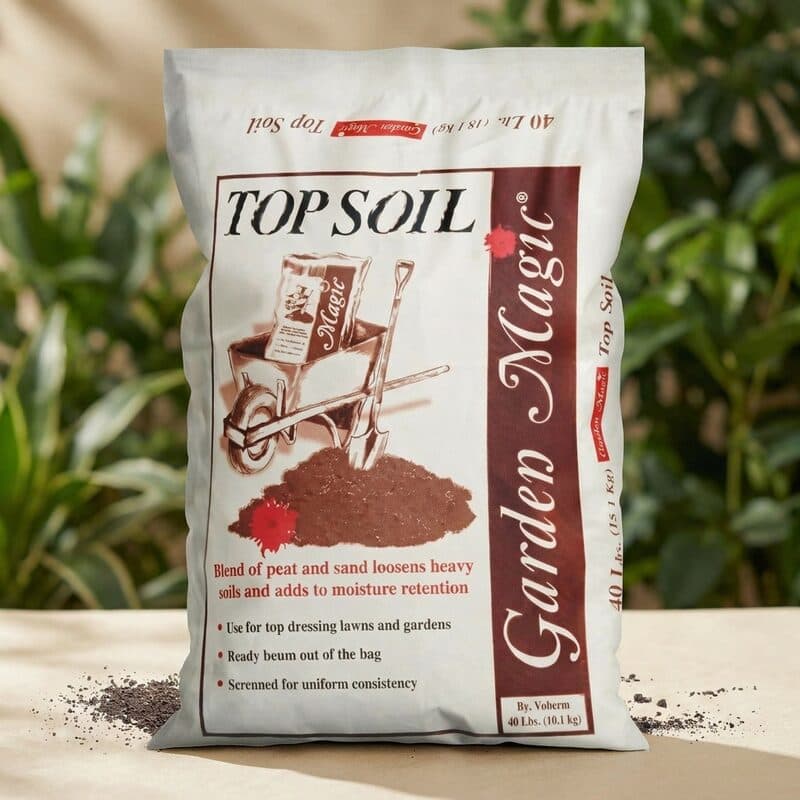
Companion Bulk fill component
Michigan Peat Garden Magic Organic Soil (40 lb)
Best for: Budget-minded gardeners conditioning in-ground beds who want cheap, dark organic bulk to mix into existing soil.
Keep in mind: Heavy and dense; not a substitute for a light container or raised-bed mix
Amazon price as of the checked date, subject to change. The price on Amazon at checkout applies.
Full research
- Bag size
- 40 lb
- Type
- Garden soil conditioner
- Composition
- Reed sedge peat and sand blend
- Color
- Dark / black
Michigan Peat's Garden Magic is an inexpensive dark blend of reed-sedge peat and sand sold in 40-pound bags, best used as a bulk soil conditioner mixed into in-ground beds rather than as a standalone potting mix.
This catalog-wide research score is separate from this guide's use-case ranking. How we research
Strengths
- Very low cost per pound for bulking up and darkening in-ground beds
- Dark reed-sedge peat improves moisture retention in sandy soils
- Widely stocked at big-box stores for easy bulk pickup
Weaknesses
- Heavy and dense; not a substitute for a light container or raised-bed mix
- No added nutrients or biology and texture can vary between bags
Sprout Score breakdown
Best for
Budget-minded gardeners conditioning in-ground beds who want cheap, dark organic bulk to mix into existing soil.
Owner rating snapshot
Amazon · 32 reviews · 4.6 stars
Garden Magic is one of the lowest costs per pound in the category, and that is its entire reason to buy. It is a dark blend of reed-sedge peat and sand sold in 40-pound bags, with no added fertilizer or biology. Used the right way, as a bulk conditioner mixed into in-ground beds or layered into the lower portion of a deep raised bed, it darkens soil, improves moisture retention in sandy ground, and stretches your budget when you are filling a lot of volume.
This soil is heavy and dense, and its texture can vary from bag to bag. Use it as an affordable bulk layer, not as a finished raised-bed or container mix. You can check the price on Garden Magic if you are filling beds on a budget.
How to choose and how much you need
A few decisions cover most situations.
Match the product to the job. A dedicated raised bed wants a raised bed mix in the top growing layer. Containers and seed trays want a light potting mix. Native in-ground beds want garden soil or a conditioner worked into the existing ground. Mixing these up is the most common and most expensive mistake.
Figure out volume before you shop. Multiply length by width by depth in feet to get cubic feet. A 4-by-8-foot bed at 12 inches deep needs about 32 cubic feet; at 17 inches deep it needs roughly 45 cubic feet, or about 1.7 cubic yards. Knowing this number before you stand in the aisle prevents both overspending and the dreaded half-full bed.
Layer to control cost. You rarely need premium mix all the way down. A coarse organic base, a budget conditioner in the middle, and a quality raised bed mix in the top growing layer gives you the performance where roots actually are, at a fraction of the all-premium cost.
Plan for settling. Fresh fill settles several inches in the first season as organic matter breaks down. Mound it slightly above the rim at planting and top up with compost each spring.
| Product | Price | Best for | Buy |
|---|---|---|---|
| Coast of Maine Castine Blend Organic Raised Bed Mix (1 cu ft)#1 · BEST OVERALL | Typical price range · $20–$30 | Raised-bed vegetable growers who want a rich, ready-to-use organic mix that performs without extra amending. | Shop Amazon |
| Michigan Peat Garden Magic Organic Soil (40 lb)Companion · BULK FILL COMPONENT | Typical price range · Under $15 | Budget-minded gardeners conditioning in-ground beds who want cheap, dark organic bulk to mix into existing soil. | Shop Amazon |
Frequently asked questions
Can you use potting soil in a raised bed?
You can, but it is rarely the best choice for a large bed. Potting mix is built for containers: light, fast-draining, and expensive by the cubic yard. In a big raised bed it dries out quickly and costs far more than a purpose-built raised bed mix. Use potting soil for pots, seed trays, and transplants, and use a raised bed mix to fill the bed itself.
What is the difference between raised bed soil and garden soil?
Garden soil is heavy and meant to be mixed into existing native ground, where it compacts if used alone in a bed. Raised bed mix is built to fill a bed on its own: it drains freely while holding moisture and structure, and it usually arrives already amended so you can fill and plant. For a dedicated raised bed, choose the raised bed mix.
How much soil do I need to fill a raised bed?
Multiply length by width by depth in feet to get cubic feet. A 4-by-8-foot bed at 12 inches deep needs about 32 cubic feet; at 17 inches deep, roughly 45 cubic feet (about 1.7 cubic yards). To cut cost, fill the bottom third with coarse organic matter and reserve the quality blend for the top growing layer.
What is the cheapest way to fill a raised bed?
Layer it. Put coarse organic matter (branches, leaves, untreated wood chips) in the bottom third, a budget soil conditioner in the middle, and a quality raised bed mix in the top 8 to 10 inches where roots feed. This hugelkultur-style approach cuts soil cost, improves drainage, and slowly feeds the bed as the base breaks down.
Should you put fertilizer in raised bed soil?
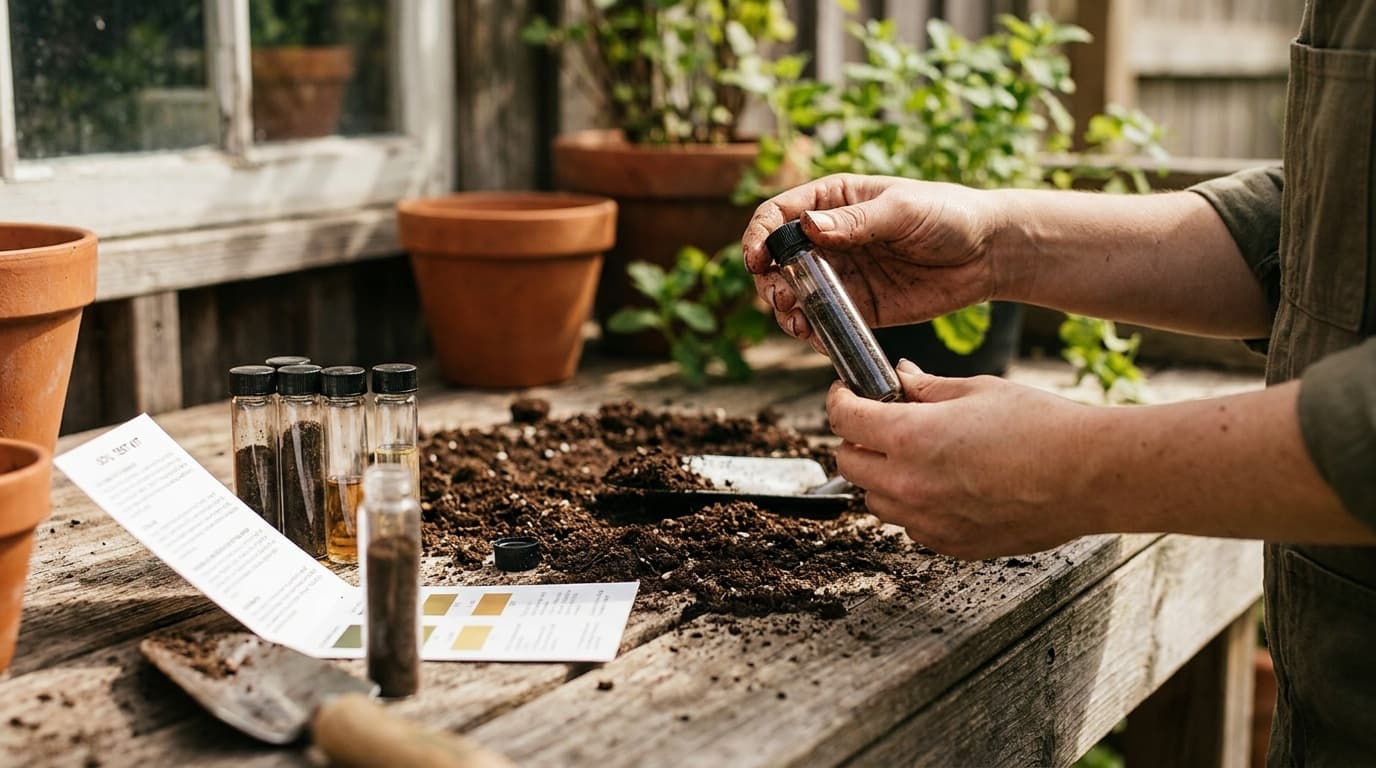
If you fill with a pre-amended raised bed mix, you usually do not need to add fertilizer in the first season. A simpler conditioner or garden soil benefits from compost worked in, plus a balanced feed during the growing season. Either way, top the bed with finished compost each spring to keep the biology and nutrients replenished.
Our recommendation
Fill a dedicated bed with the Coast of Maine Castine Blend in the root zone, then stretch a tight budget with Michigan Peat Garden Magic only as a bulk component in the lower layers. Keep potting mix in containers, get the bed blend right where roots actually grow, and let the planting calendar tell you when to plant.