Understand what "season" actually means
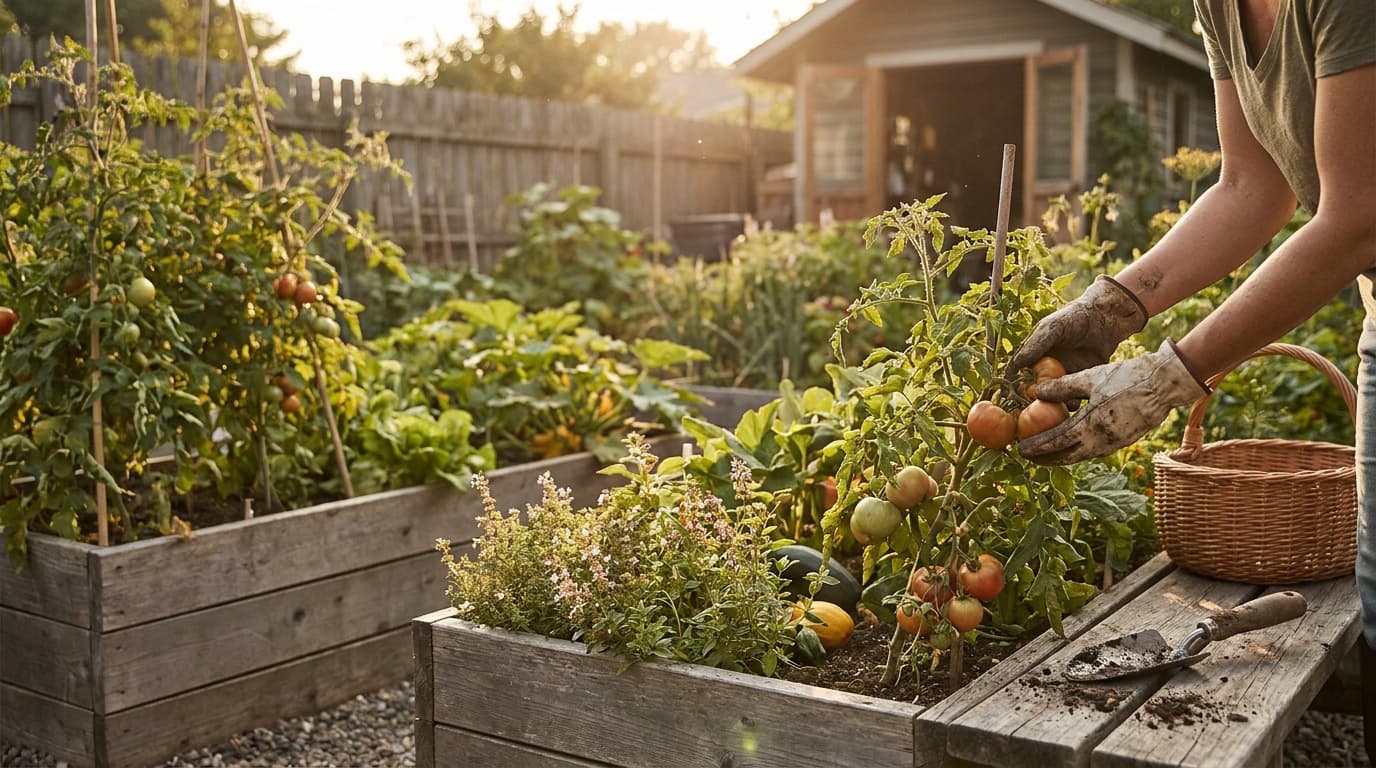
Your growing season is the stretch between your last spring frost and your first fall frost. Season extension does not change the weather; it creates pockets of milder conditions so plants survive outside that window. Every method below buys you days or weeks by trapping warmth, blocking wind, or holding heat in the soil.
Because everything is measured against frost, start by looking up your average last spring and first fall frost dates with our frost dates tool. Then use the planting calendar to see how much earlier or later each protected technique lets you plant for your ZIP code.
Extending the spring end
Spring extension is about warming cold soil and shielding tender transplants from late frosts.
Starting earlier in spring
Warm the soil first
Start seeds indoors
Harden off before transplanting
Cover tender transplants
Extending the fall end
Fall extension is the reverse: hold daytime warmth into cold nights and protect against the first frosts so crops keep producing. This is where a fall vegetable garden really pays off, since many hardy crops sweeten as nights cool.
The first frost is rarely the end of the season. It is usually a single cold night followed by more mild weather, so protecting crops through that first frost or two can add weeks of harvest. Cold-hardy greens and roots under cover often produce well past the date the calendar calls the end.
The tools, from simplest to most involved
Match the tool to how much protection you need and how much you want to build.
Floating row cover (most versatile)
A lightweight fabric draped over hoops or laid directly on the crop. It adds a few degrees of frost protection, lets light and water through, and doubles as insect protection. It is the cheapest, most flexible season extender and the one to buy first.
Some links on this page are affiliate links. As an Amazon Associate I earn from qualifying purchases.
Start here
Agribon AG-19 Floating Row Cover
Best for: Gardeners who want cheap frost protection and pest exclusion in one fabric.
Keep in mind: Lightweight fabric tears and wears over seasons
Amazon price as of the checked date, subject to change. The price on Amazon at checkout applies.
Full research
- Weight
- 0.55 oz per sq yd
- Frost protection
- Down to roughly 28F
- Light transmission
- About 85%
- Material
- Spun-bonded polypropylene
A lightweight spun-bonded row cover that drapes over crops to add a few degrees of frost protection while still letting in light and water. It doubles as a physical barrier against many insect pests.
This catalog-wide research score is separate from this guide's use-case ranking. How we research
Strengths
- Extends the growing season at both ends
- Excludes many pests without chemicals
- Passes most light and water so it can stay on
Weaknesses
- Lightweight fabric tears and wears over seasons
- Needs hoops or pins to stay put in wind
Sprout Score breakdown
Best for
Gardeners who want cheap frost protection and pest exclusion in one fabric.
Cold frame or low tunnel (more warmth)
A cold frame is a bottomless box with a clear lid; a low tunnel is row cover or plastic over hoops. Both trap more heat than fabric alone and shelter crops from wind, extending the season further at each end. You can build a cold frame from scrap lumber and an old window. For a ready-made frame, our cold-frame comparison separates insulated winter models from lighter frames built for hardening off and shoulder-season protection.
Small greenhouse (most control)
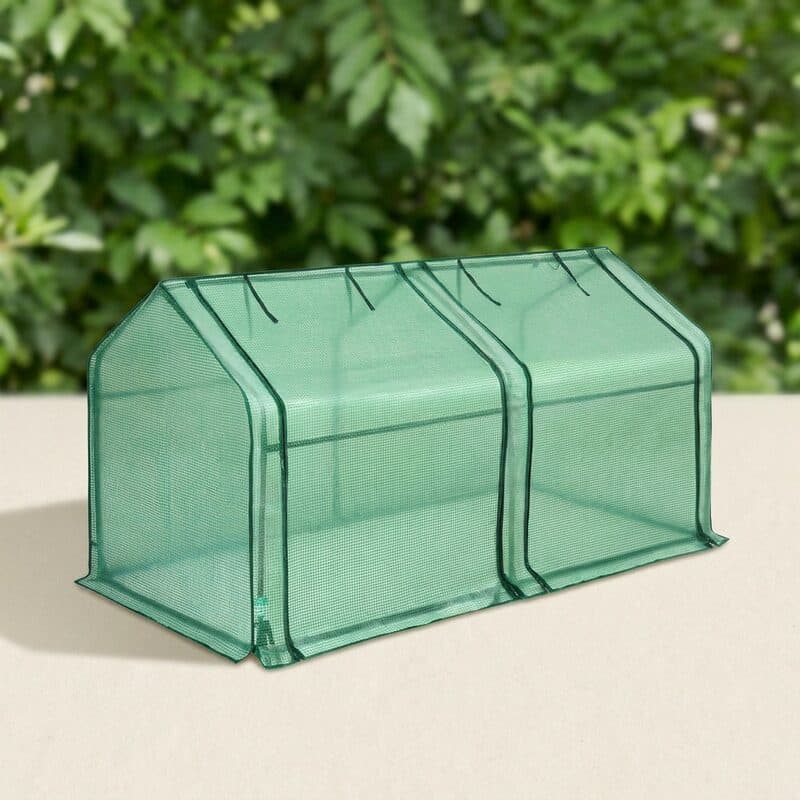
A portable greenhouse gives you a sheltered space to start seeds early, harden off transplants, and overwinter hardy crops. It is the biggest step up in both cost and capability, and it is most worth it in short-season zones where you are always racing the calendar.
Most capable
Quictent Portable Greenhouse
Best for: Hobby gardeners who want an inexpensive, movable season-extension shelter.
Keep in mind: Lightweight cover degrades in sun and wind over time
Amazon price as of the checked date, subject to change. The price on Amazon at checkout applies.
Full research
- Type
- Walk-in portable greenhouse
- Frame
- Powder-coated steel tube
- Cover
- Reinforced PE with mesh windows
- Features
- Roll-up zippered door, ground stakes and ropes
A walk-in portable greenhouse with a reinforced PE cover over a powder-coated steel frame. It creates a sheltered, warmer space for hardening off seedlings and protecting tender plants in shoulder seasons.
This catalog-wide research score is separate from this guide's use-case ranking. How we research
Strengths
- Affordable walk-in covered growing space
- Quick to assemble and relocate
- Mesh windows and roll-up door help vent heat
Weaknesses
- Lightweight cover degrades in sun and wind over time
- Must be staked and guyed securely or it can blow over
Sprout Score breakdown
Best for
Hobby gardeners who want an inexpensive, movable season-extension shelter.
Owner rating snapshot
Amazon · 35 reviews · 4.1 stars
Crop choice does half the work
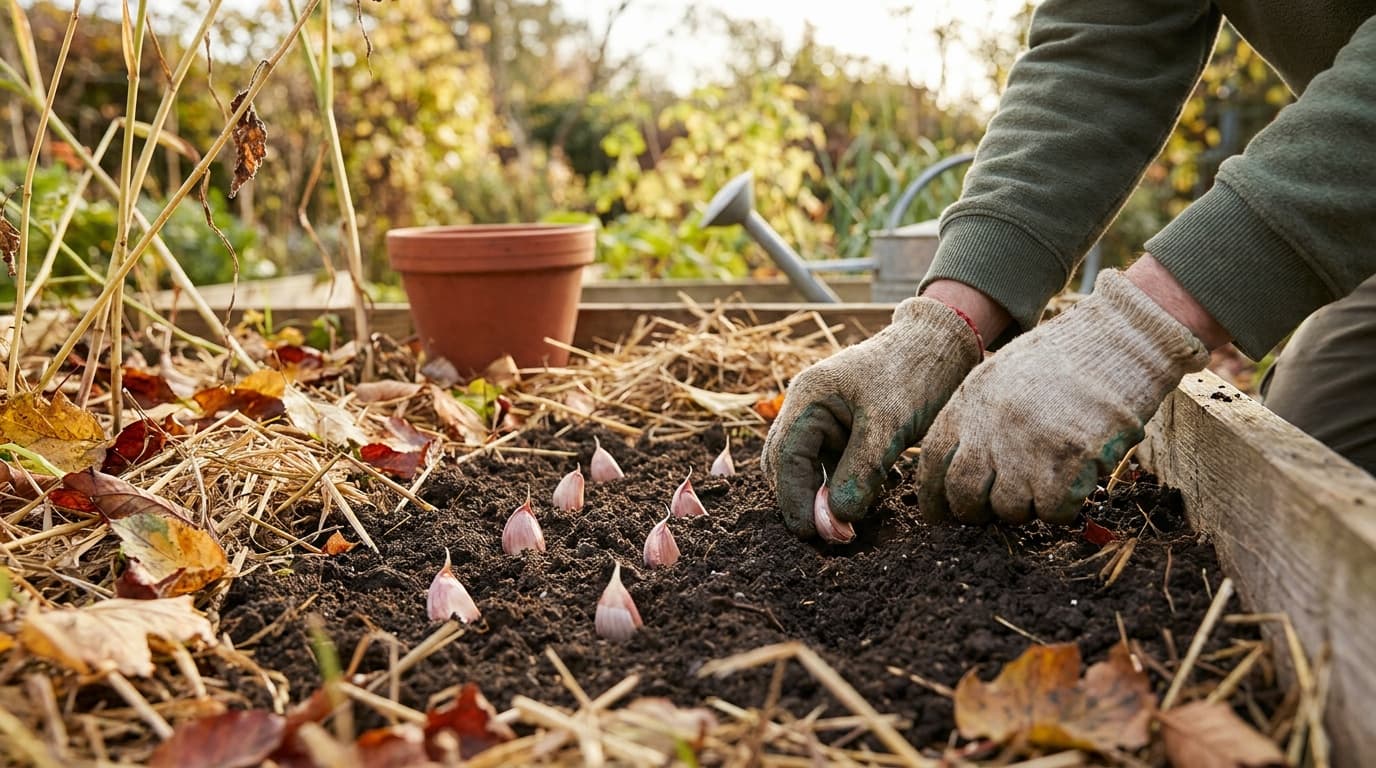
No cover turns a frost-tender crop into a hardy one, so lean on naturally tough plants at the season's edges. Spinach, kale, lettuce, carrots, and garlic tolerate cold and, in many zones, overwinter under simple protection. Pairing a hardy crop with a row cover stacks two advantages and gives you the longest possible season for the least effort.
What is the easiest way to extend the growing season?
A floating row cover is the easiest and cheapest. You drape it over hoops or directly on the crop, and it adds a few degrees of frost protection while also blocking many insect pests. The time it buys depends on the crop, cover weight, weather, and how well the edges are sealed.
How many weeks can season extension add?
There is no responsible universal number. The gain depends on the crop, method, cover material, wind, cloud cover, soil warmth, and how well the structure is sealed and vented. Combining a hardy crop with protection extends the harvest further than either alone, so measure the result against your local frost dates rather than assuming a fixed number of weeks.
Do I need a greenhouse to extend my growing season?
No. Most of the gain comes from cheap tools like row covers and cold frames. A greenhouse adds control for seed starting and overwintering and is most worthwhile in short-season climates, but it is the last step, not the first. Start with a row cover.
When should I cover plants to protect them from frost?
Cover crops in the late afternoon before a frost night, while there is still daytime warmth to trap, and uncover the next morning once temperatures rise so plants get light and do not overheat. Watering the bed beforehand also helps, since moist soil holds and releases more overnight heat than dry soil.
Season extension is less about gear and more about timing it against your frost dates. Warm the soil and protect transplants in spring, shelter hardy crops through the first frosts in fall, and a single row cover plus the right crops will lengthen your harvest at both ends.