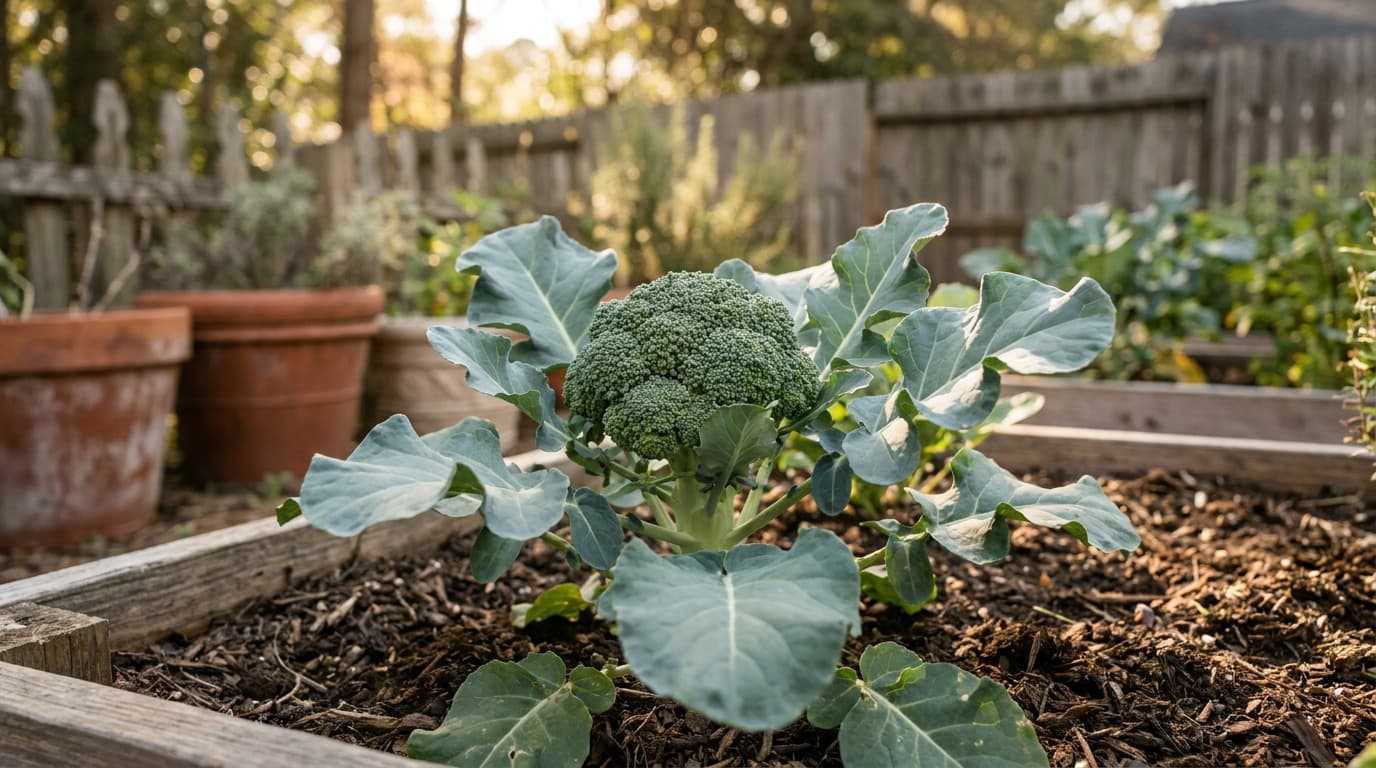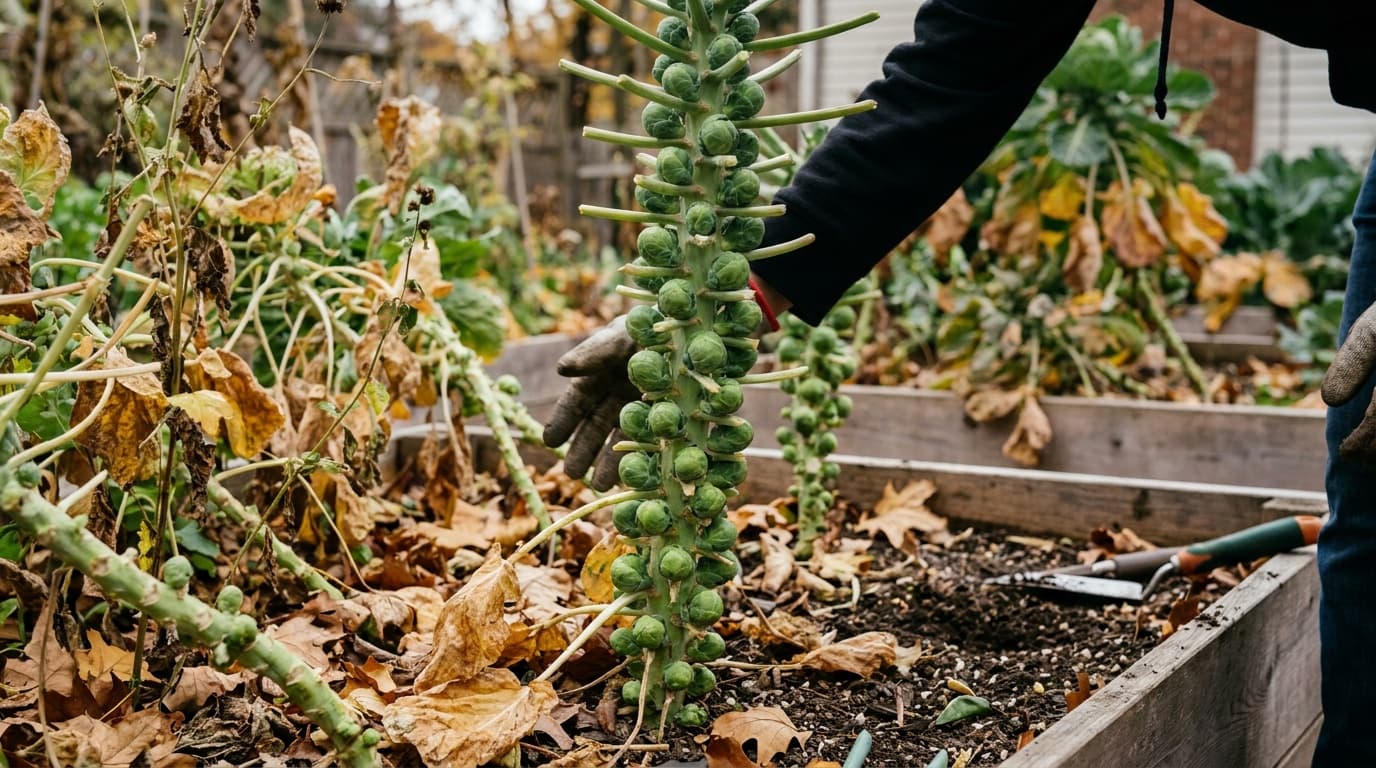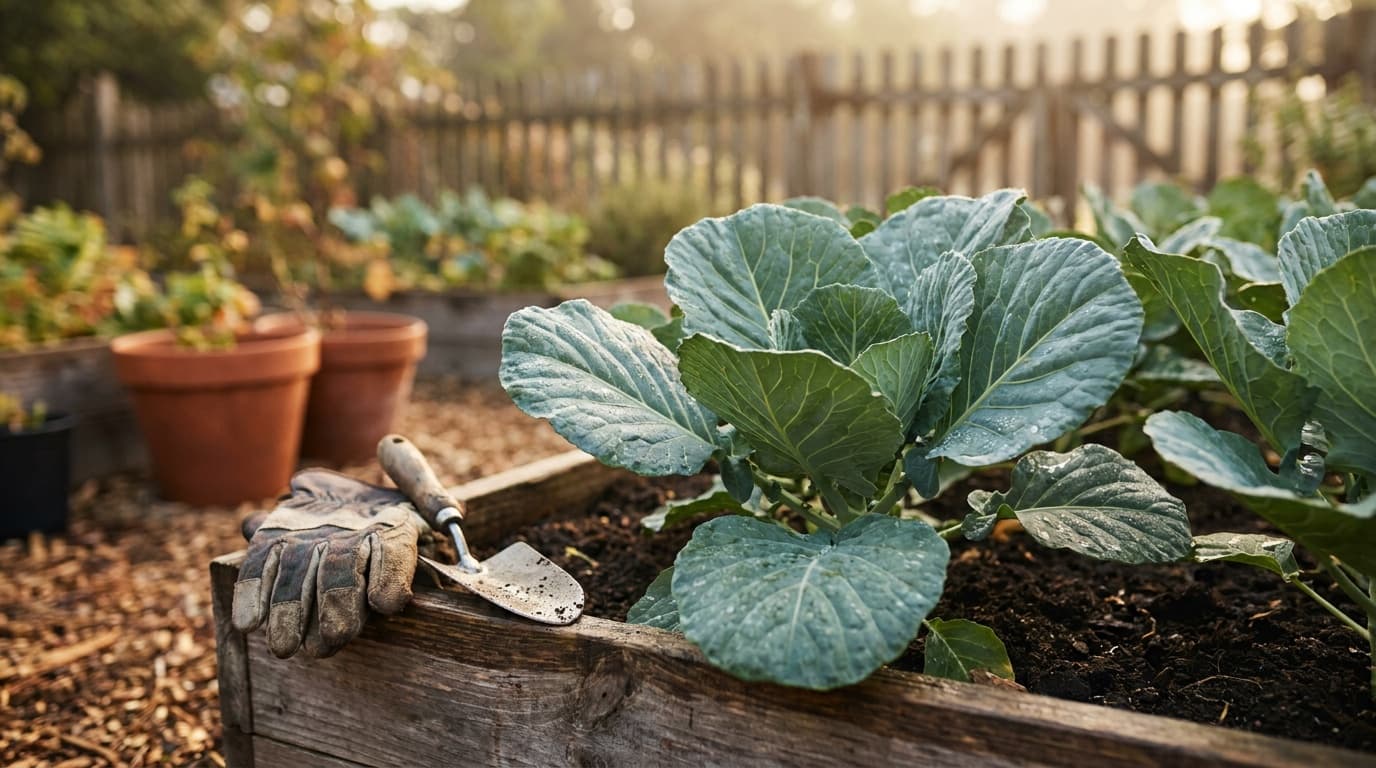
Collards grow with the same basic architecture as kale, but their broad leaves and sturdy stem make the harvest pattern especially clear. New leaves unfold at the top while older leaves hang lower on the stalk. Good management follows that sequence. Feed and protect the crown, take the oldest useful leaves first, and keep the lower stem clean enough to inspect.
Use the collards plant profile for exact local dates, bed layout, sowing depth, light and soil values, water rate, zone fit, and expected maturity. This article explains how to establish, maintain, harvest, and troubleshoot the crop.
Prepare for a long-lived leaf crop
Choose a bed that drains freely after rain but can hold even root-zone moisture. Work in finished compost before planting and remove dense clods. Collards make a substantial frame over time, so early root restriction can show up later as a weak stem, small leaves, or poor recovery after harvest.
Rotate away from broccoli, cabbage, cauliflower, kale, turnips, and Brussels sprouts. These crops share clubroot, root maggots, caterpillars, and several leaf diseases. The crop rotation guide can help move the whole brassica family instead of shuffling closely related crops within the same problem bed.
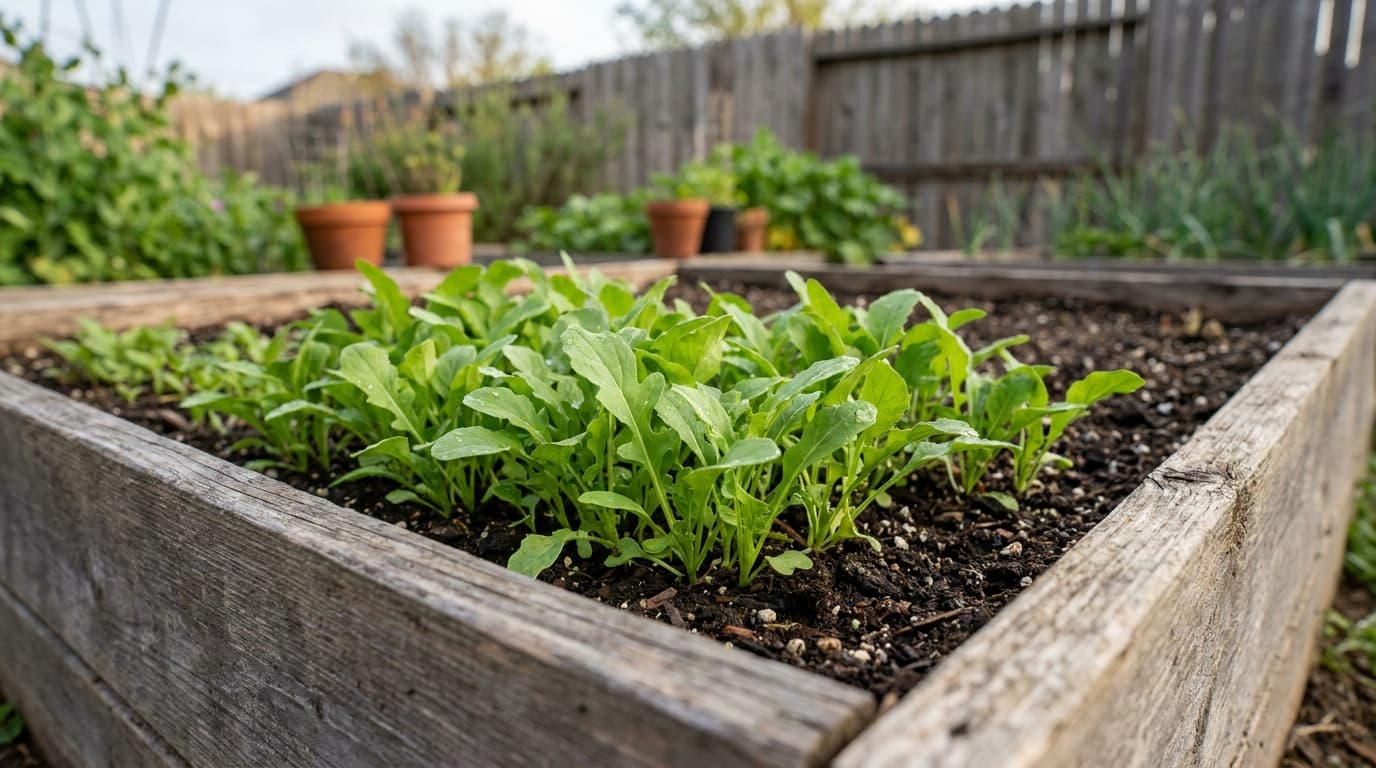
Direct-sown collards need a fine seedbed that stays evenly moist through emergence. Once seedlings are established, retain the strongest plants and remove extras without disturbing selected roots. For transplants, harden them gradually, water their cells before handling, and keep the root plug together during the move.
Keep young foliage clean
Flea beetles often attack seedlings, while cabbage worms and loopers become more obvious as leaves expand. Floating row cover installed before damage begins can block several of these pests. Seal the edges and leave enough slack for the canopy.
Some links on this page are affiliate links. As an Amazon Associate I earn from qualifying purchases.
Pest barrier
Agribon AG-19 Floating Row Cover
Best for: Gardeners who want cheap frost protection and pest exclusion in one fabric.
Keep in mind: Lightweight fabric tears and wears over seasons
Amazon price as of the checked date, subject to change. The price on Amazon at checkout applies.
Full research
- Weight
- 0.55 oz per sq yd
- Frost protection
- Down to roughly 28F
- Light transmission
- About 85%
- Material
- Spun-bonded polypropylene
A lightweight spun-bonded row cover that drapes over crops to add a few degrees of frost protection while still letting in light and water. It doubles as a physical barrier against many insect pests.
This catalog-wide research score is separate from this guide's use-case ranking. How we research
Strengths
- Extends the growing season at both ends
- Excludes many pests without chemicals
- Passes most light and water so it can stay on
Weaknesses
- Lightweight fabric tears and wears over seasons
- Needs hoops or pins to stay put in wind
Sprout Score breakdown
Best for
Gardeners who want cheap frost protection and pest exclusion in one fabric.
Inspect under the fabric instead of treating it as a permanent sealed tent. Remove eggs and caterpillars, look for aphid colonies near tender growth, and make sure no leaves are being rubbed or trapped. When the crop outgrows the cover, continue checking leaf undersides and the center during every harvest.
Use the flea beetle, imported cabbage worm, and cabbage looper guides to match damage to the pest. Removing a few caterpillars early is much easier than cleaning heavy feeding and frass from mature leaves.
Manage the stem and root zone
Check soil moisture regularly and water before leaves lose firmness. Aim irrigation at the soil so broad foliage does not stay wet unnecessarily. Mulch can steady the root environment and reduce weed pressure, but keep the lower stem visible and avoid trapping wet debris against it.
Collards respond to fertile soil, yet the plant should determine whether supplemental feeding is needed. Strong color and regular new leaves indicate adequate nutrition. If the entire canopy pales while roots and drainage look sound, apply a modest balanced side-dressing around the active root zone. Do not use fertilizer to treat wilt, stem lesions, or distorted roots.
As the stalk rises, remove yellow, diseased, or badly damaged lower leaves. Make clean cuts or snaps close to the stem without tearing its outer tissue. Clear fallen leaf debris from the bed so slugs and disease organisms have fewer sheltered places.
Harvest for tenderness and regrowth
Start with the lowest full leaves that have good color and texture. Snap each petiole downward or cut it close to the stalk, taking care not to peel the stem. Work upward gradually and leave the central cluster untouched.
Regular harvest keeps older leaves from becoming oversized and coarse. Smaller leaves are useful for quicker cooking, while broad mature leaves stand up well to longer braising. The useful distinction is leaf condition, not a fixed target measurement. Skip yellowed or heavily damaged leaves and compost only those free of serious disease.
For a larger kitchen batch, harvest from several plants instead of stripping one. Distributing the cut preserves more working foliage on every crown and gives each plant a cleaner recovery.
Keep summer and mature plants useful
Collards often remain alive through conditions that reduce leaf tenderness. During stressful weather, prioritize root consistency, mulch, and prompt harvest of usable leaves. New foliage produced after conditions moderate may have better texture than leaves that developed during the stress.
An aging plant can become tall and top-heavy. If wind rocks the stem, firm the soil at the base and add a loose support rather than burying the crown. Continue only while the center stays healthy and the leaves remain worth harvesting. A flower stalk or persistent decline is a reasonable signal to clear the crop and reset the bed.
Troubleshoot from the growth point down
Collard field checks
New leaves are distorted
Leaves have many small holes
Lower leaves yellow gradually
Leaves are coarse or bitter
Plant wilts in moist soil
How do I harvest collards without stopping growth?
Take mature outer leaves from the bottom of the stalk and leave the central cluster untouched. Spread a large harvest across several plants so each keeps enough healthy foliage to recover.
Why are my collard leaves tough or bitter?
Older leaves naturally become coarser, and environmental stress can reduce tenderness. Pick usable leaves regularly, maintain steady root conditions, and favor newer foliage when mature leaves no longer have the texture you want.
What is making holes in my collard leaves?
Tiny scattered holes often point to flea beetles. Larger irregular holes and frass suggest cabbage worms or loopers. Check leaf undersides and the crown, identify the pest, then use row cover or the matching problem guide.
Can a tall collard plant keep producing?
Yes, if the crown remains healthy and the stalk is stable. Remove spent lower leaves, support a wind-rocked stem loosely, and continue harvesting upward. Clear the plant when center growth stalls or quality declines persistently.
Collards earn their garden space through a long sequence of useful leaves. Protect the crown, keep the root zone steady, and harvest from the outside upward. The plant's structure does the rest of the organizing for you.