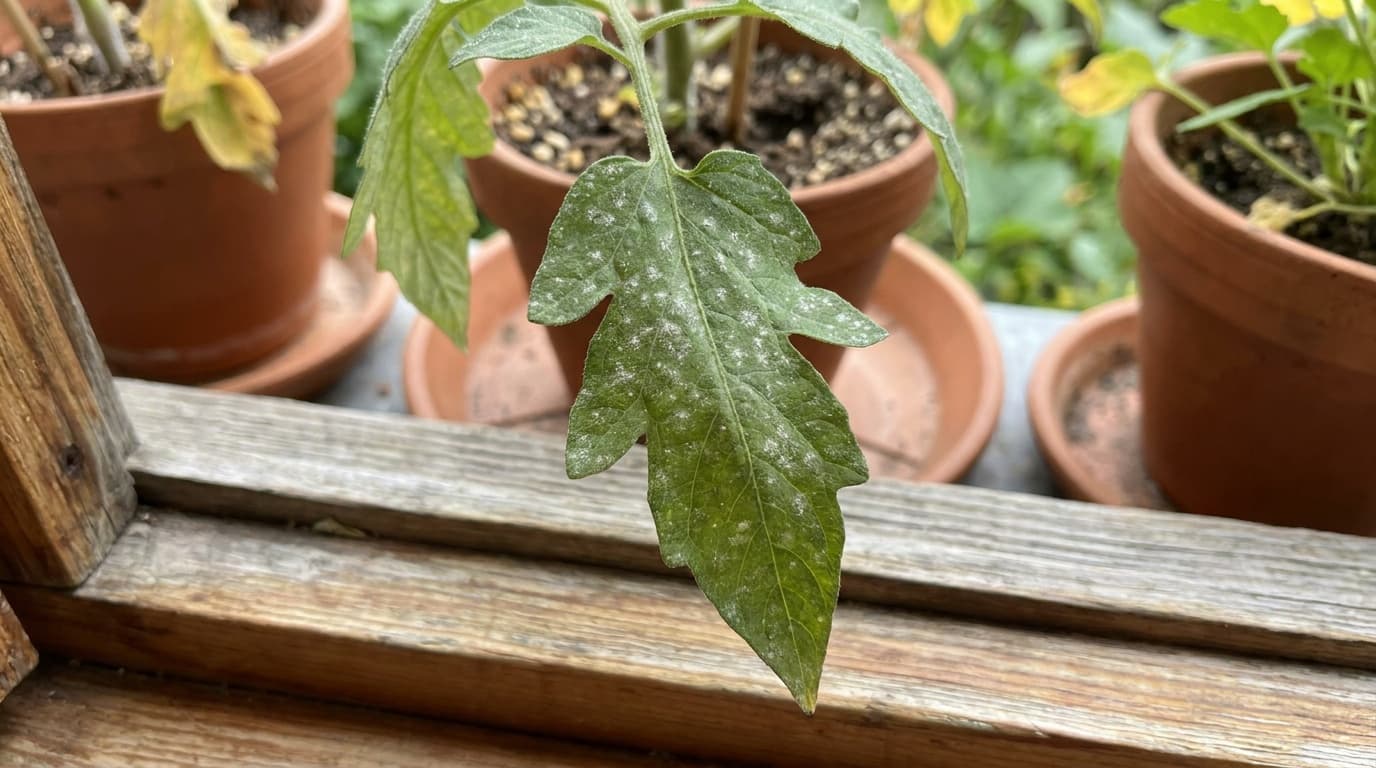
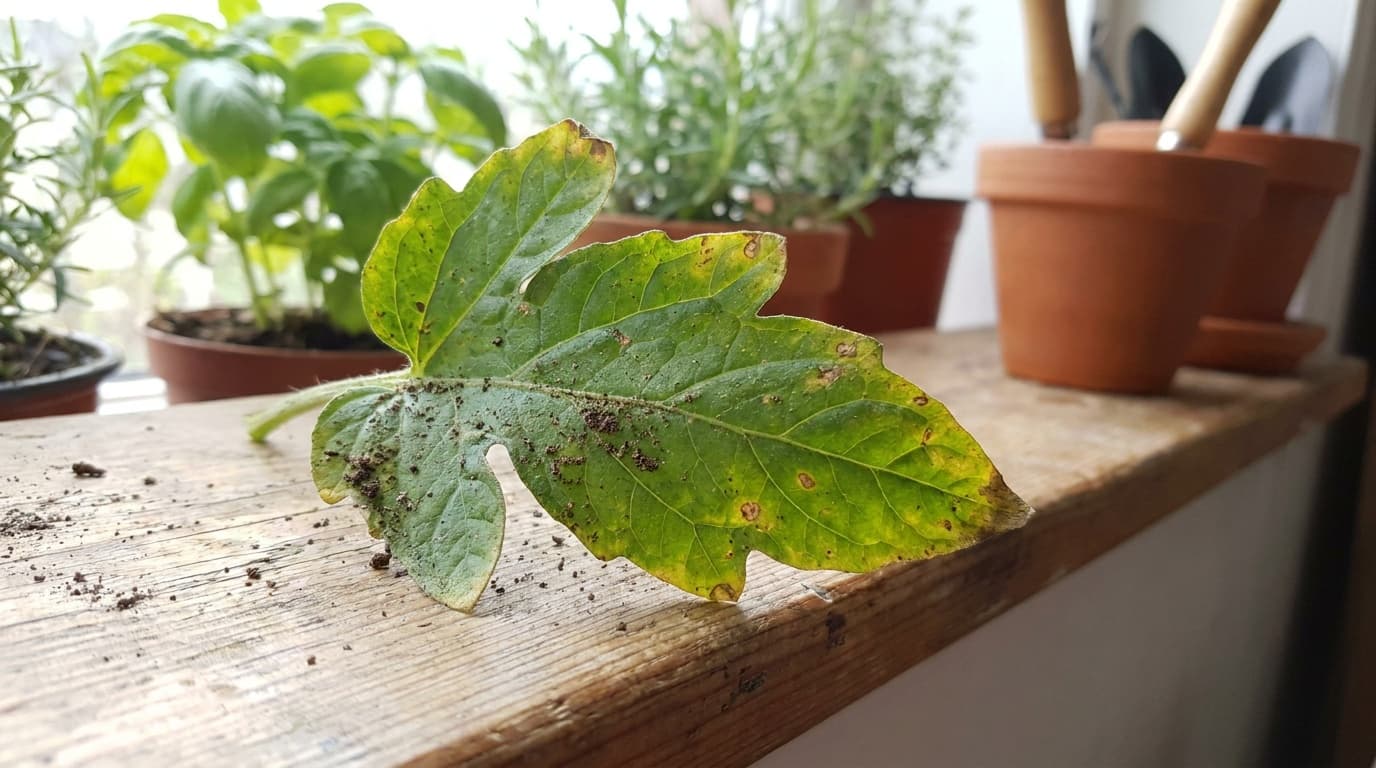
Mosaic virus is a family of plant viruses, including cucumber mosaic virus and tobacco mosaic virus, that produce similar symptoms. Look for irregular light green, dark green, and yellow patches, often with crinkled, blistered, or narrowed leaves. Plants may be stunted, and fruit can become mottled, warty, or distorted. There is no treatment after a plant is infected.
How to identify mosaic virus
The symptoms are distinctive but can be confused with nutrient problems or herbicide injury, so look at the whole pattern.
A nutrient deficiency tends to follow a smooth gradient or affect veins evenly, while mosaic is irregular and patchy and usually comes with some leaf distortion. If suspect plants appear in a spreading group, especially where you have seen aphids, mosaic virus is likely. When in doubt, a plant diagnostic lab can confirm the specific virus.
How to manage mosaic virus
There is no cure, so management is about removing sources, stopping the vectors, and choosing resistant varieties.
Managing mosaic virus
Remove infected plants
Control the aphid vectors
Exclude insects from young plants
Plant resistant varieties
Control weeds and practice hygiene
There is no product that cures mosaic virus. The useful purchase is a row cover to exclude the aphids and other insects that carry it onto young plants, paired with resistant seed. Everything else is sanitation and vector control.
Some links on this page are affiliate links. As an Amazon Associate I earn from qualifying purchases.
Exclude aphid vectors early
Agribon AG-19 Floating Row Cover
Best for: Gardeners who want cheap frost protection and pest exclusion in one fabric.
Keep in mind: Lightweight fabric tears and wears over seasons
Amazon price as of the checked date, subject to change. The price on Amazon at checkout applies.
Full research
- Weight
- 0.55 oz per sq yd
- Frost protection
- Down to roughly 28F
- Light transmission
- About 85%
- Material
- Spun-bonded polypropylene
A lightweight spun-bonded row cover that drapes over crops to add a few degrees of frost protection while still letting in light and water. It doubles as a physical barrier against many insect pests.
This catalog-wide research score is separate from this guide's use-case ranking. How we research
Strengths
- Extends the growing season at both ends
- Excludes many pests without chemicals
- Passes most light and water so it can stay on
Weaknesses
- Lightweight fabric tears and wears over seasons
- Needs hoops or pins to stay put in wind
Sprout Score breakdown
Best for
Gardeners who want cheap frost protection and pest exclusion in one fabric.
How to prevent mosaic virus
- Plant resistant varieties wherever they exist for the crop and virus in question.
- Control aphids and other vectors with water sprays, insecticidal soap, beneficial insects, and row cover on young plants.
- Remove and trash infected plants as soon as you spot clear symptoms; never compost them.
- Control weeds in and around the garden that host the virus between crops.
- Practice good hygiene: wash hands and disinfect tools after handling suspect plants, and avoid working in plants when they are wet.
- Time plantings with the planting calendar so young plants are covered and vigorous during the early weeks when vectors do the most damage.
Which plants get mosaic virus
Mosaic viruses affect a wide range of crops, with each virus having its own host range. Common garden hosts include cucumber, zucchini, and pumpkin (cucumber mosaic virus), along with tomato and pepper (tobacco and other mosaics), and lettuce and many ornamentals. Because aphids and other insects move these viruses around, the same vector control and sanitation apply across crops. The aphids that carry mosaic are the same pests covered in our aphids guide, which is worth reading alongside this one.
Can mosaic virus be cured?
No. A virus lives and multiplies inside the plant's own cells, so no spray or treatment can reach or kill it without killing the plant. There is no cure for an infected plant, which is why the right response is to remove and destroy symptomatic plants and focus everything else on prevention: controlling the insect vectors, planting resistant varieties, controlling weeds, and practicing good hygiene.
How does mosaic virus spread in the garden?
Most garden mosaics spread chiefly through insect vectors, especially aphids, which pick up the virus while feeding on an infected plant and carry it to healthy ones. Some mosaics, like tobacco mosaic virus, also spread by handling and on contaminated tools and hands. A few can be seedborne. Controlling aphids, excluding them from young plants with row cover, removing infected plants, and washing hands and tools all interrupt these pathways.
Is mosaic-infected produce safe to eat?
Yes, mosaic virus is a plant disease and is not harmful to people, so fruit from an infected plant is safe to eat even if it looks mottled or misshapen. The catch is quality and yield: infected plants are stunted and produce less, and the fruit is often blotchy, warty, or distorted and may taste off. Because the plant will not recover and serves as a source for spread, it is usually best removed rather than nursed along.
How do I keep mosaic virus from spreading to my other plants?
Remove and trash symptomatic plants promptly so they stop feeding the vectors, and control aphids with water sprays, insecticidal soap, beneficial insects, and a row cover on young plants. Pull host weeds, wash your hands and disinfect pruners after touching suspect plants, and handle healthy plants before infected ones. Planting resistant varieties next season is the most reliable way to keep it out of the bed.
What to do now
Mosaic virus has no cure, so the whole job is prevention and containment. Remove infected plants to the trash, control the aphids and other insects that spread it, exclude vectors from young plants with row cover, plant resistant varieties, and keep your hands and tools clean. Time your plantings with the calendar so young plants pass the vulnerable early weeks protected, and you keep this incurable disease from spreading down the row.