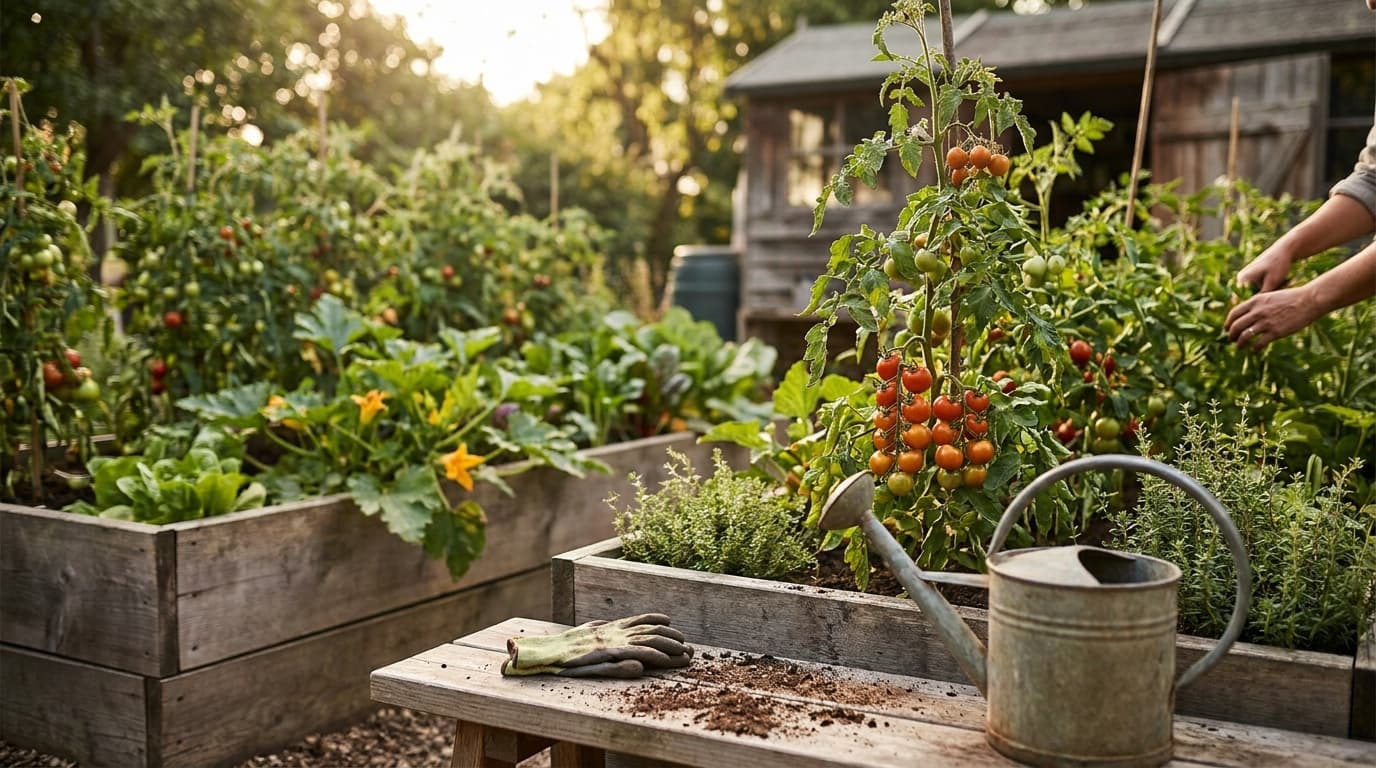
Here is the problem succession planting solves. You sow a whole packet of lettuce on one spring weekend. Three weeks later you have more lettuce than you can eat, all bolting in the heat at once, and then nothing for the rest of the season. You did not grow too much lettuce. You grew it all on the same day.
Succession planting fixes that by spreading sowings across time. The same packet, sown a few seeds at a time every couple of weeks, becomes a continuous supply. The technique is simple; the planning is the part worth getting right, and it all hinges on one number.
The one number that drives everything: days to maturity
Every crop and variety lists "days to maturity" on the seed packet, the typical time from sowing (or transplanting) to first harvest. That number is the lever for all succession planning, because it tells you two things: how long a batch ties up its space, and how late in the season you can still sow and expect to harvest before frost.
To find your last safe sowing date for any crop:
Find your last sowing date
Get your first fall frost
Read days to maturity
Add a fall buffer
Count backward
The planting calendar does this math for you per crop when you enter your ZIP, but understanding the logic lets you adapt it to any variety in your hand.
The two kinds of succession planting
People use one phrase for two related techniques. Both extend your harvest; they just do it differently.
Same crop, staggered in time
Sow a short row or a few cells of a fast crop, then sow another batch 1 to 3 weeks later, and again, all season. Each batch matures on its own schedule, giving you a rolling harvest. This is the answer to the lettuce glut.
Best candidates are fast, harvest-once or short-window crops:
Different crop, same space (the relay)
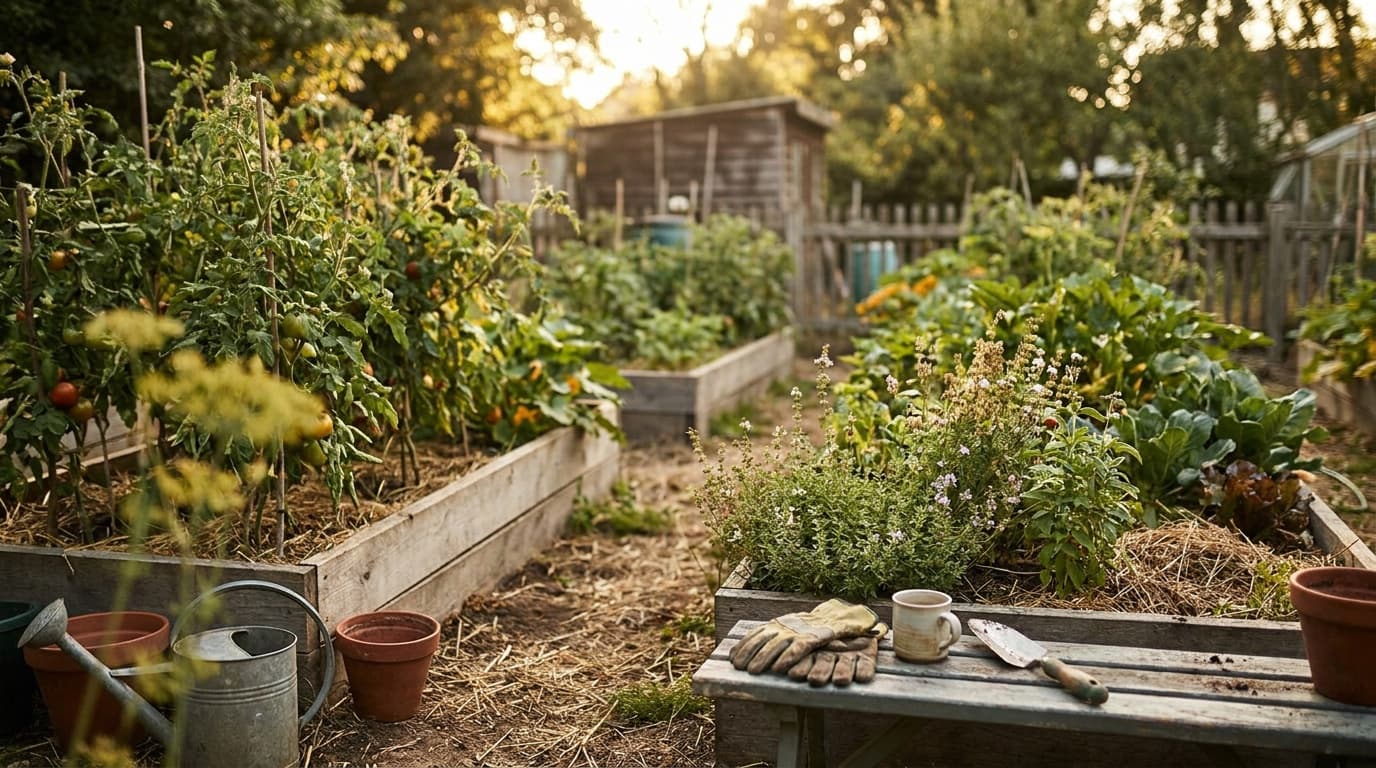
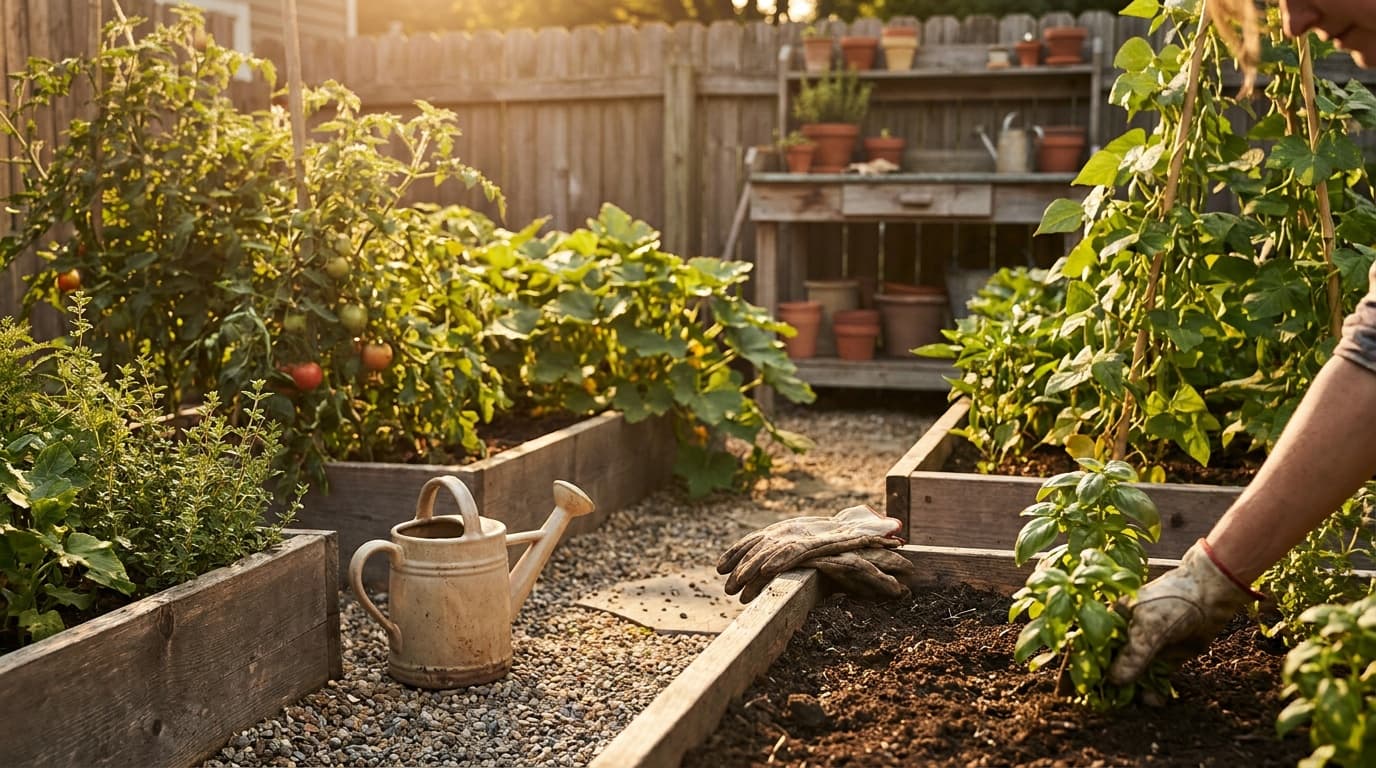
When a spring crop finishes, you replant the empty space with something new rather than leaving it bare. A spring planting of peas comes out in early summer; bush beans or a fall carrot sowing goes straight in. A spring lettuce bed clears in time for summer-sown fall kale. One bed produces two or three crops a year instead of one.
Build a simple succession schedule
You do not need a spreadsheet. The reliable method is to anchor everything to your frost dates and a sowing interval.
- Pull your last spring frost and first fall frost from the frost dates tool.
- For each succession crop, decide an interval (lettuce every 2 weeks, beans every 3).
- Sow the first batch on its earliest safe date from the planting calendar.
- Each time you sow a new batch, that same day is your reminder to plan the next.
- Stop sowing each crop once you pass its last safe date (maturity plus buffer counted back from fall frost).
<Callout title="The "sow when you harvest" trick"> The easiest way to stay on schedule without a calendar: every time you harvest a row of a succession crop, sow the next batch that same day. The act of harvesting becomes the trigger to replant. This single habit keeps a continuous-harvest garden running with almost no planning overhead.
Watch your soil's nutrients across successions
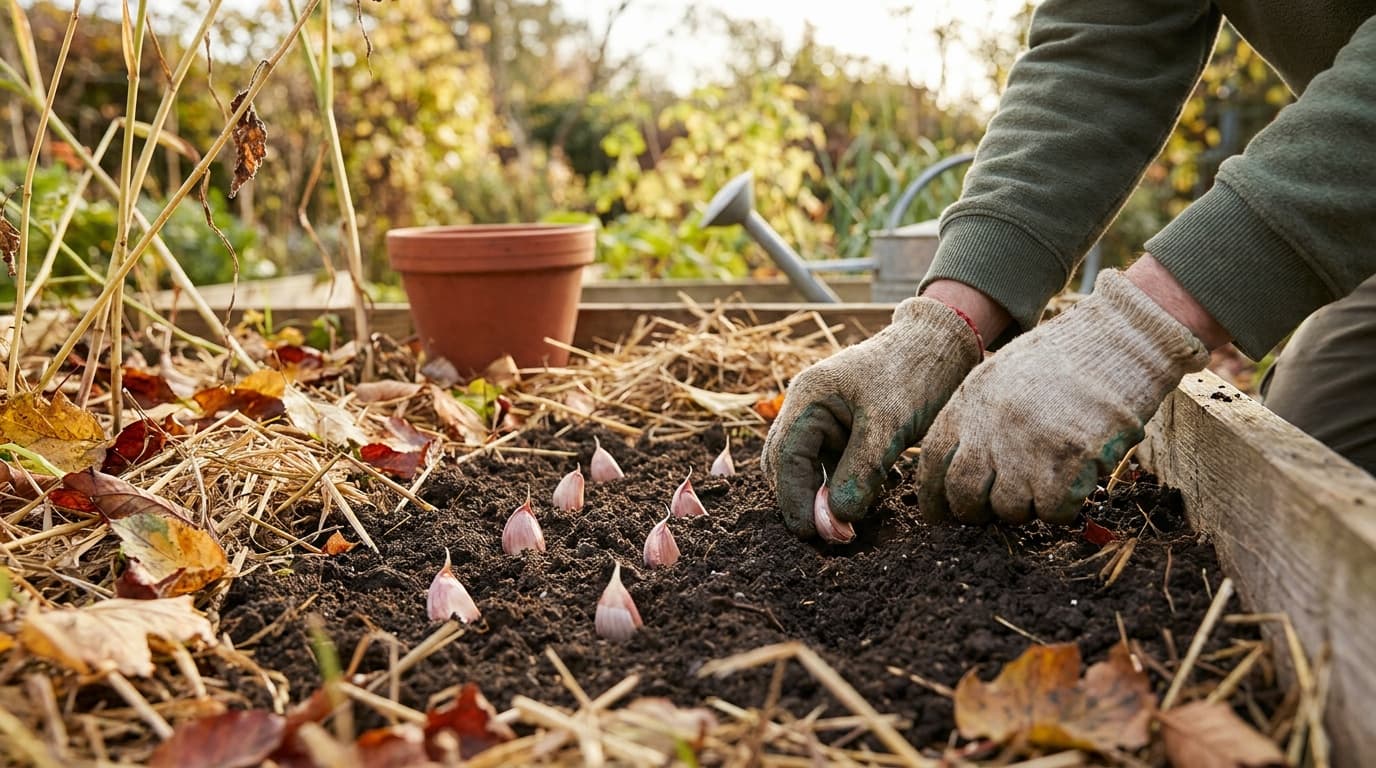
A bed producing two or three crops a year works harder than one growing a single crop, and it draws down nutrients faster. Replenish between successions: work in compost and a dose of balanced organic fertilizer when you replant a cleared space, so the second and third crops are not starting in depleted soil.
Some links on this page are affiliate links. As an Amazon Associate I earn from qualifying purchases.
Between successions
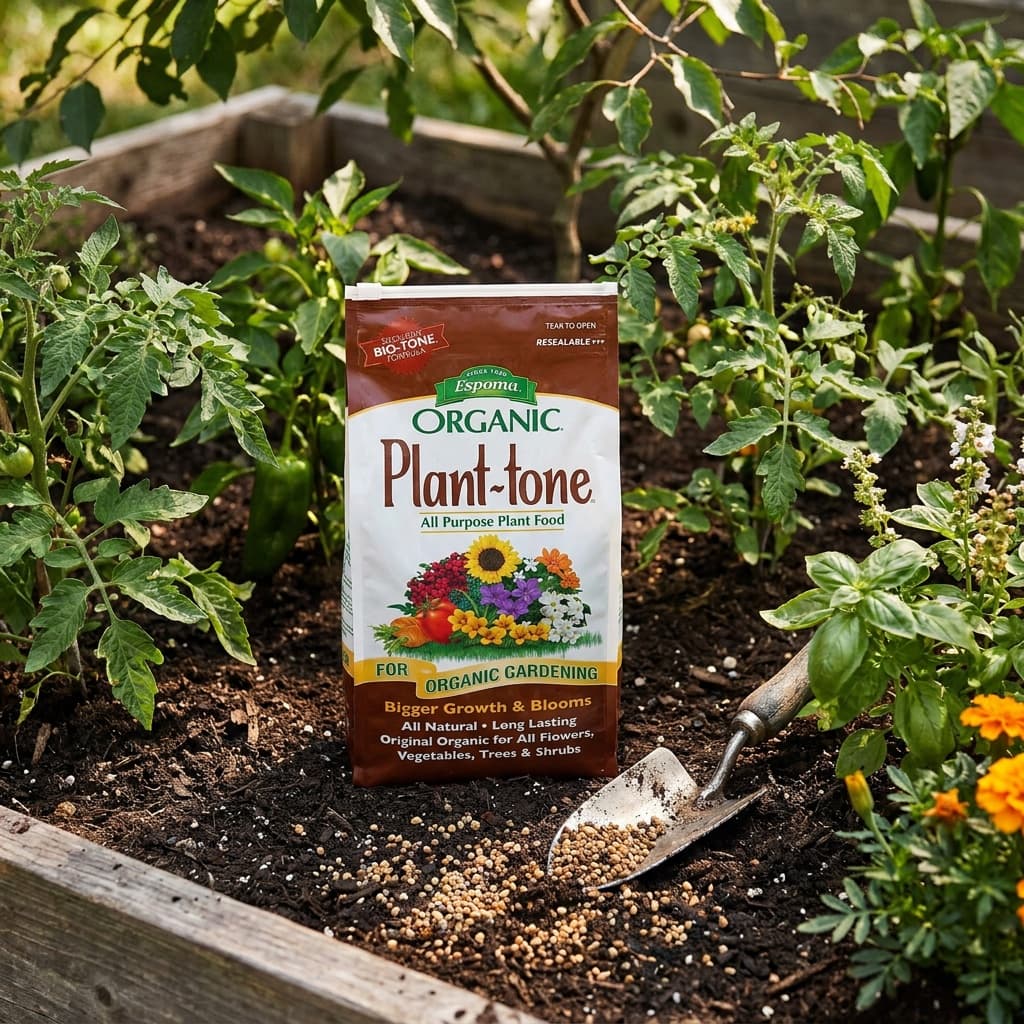
Espoma Plant-tone Organic All-Purpose Fertilizer
Best for: Gardeners who want one safe, all-purpose organic feed for the whole garden.
Keep in mind: Granular organics have a noticeable earthy smell
Amazon price as of the checked date, subject to change. The price on Amazon at checkout applies.
Full research
- NPK
- 5-3-3
- Type
- Granular slow-release organic
- Microbes
- Bio-tone beneficial microbe blend
- Use
- All-purpose: vegetables, flowers, trees, shrubs
A slow-release granular organic fertilizer with a 5-3-3 NPK and the brand's Bio-tone microbe blend. An all-purpose feed for vegetables, flowers, trees, and shrubs that releases gradually over the season.
This catalog-wide research score is separate from this guide's use-case ranking. How we research
Strengths
- Gentle slow-release feeding that resists burning
- Bio-tone microbes support soil biology
- Truly all-purpose across the garden
Weaknesses
- Granular organics have a noticeable earthy smell
- Slower visible response than synthetic feeds
Sprout Score breakdown
Best for
Gardeners who want one safe, all-purpose organic feed for the whole garden.
Owner rating snapshot
Amazon · 15 reviews · 4.7 stars
Working a slow-release organic fertilizer like Plant-tone into a cleared bed before the next sowing keeps successive crops fed without a complicated feeding routine. Compare blends in our best organic fertilizers guide.
Mind the heat and the bolt
Succession planting collides with one seasonal reality: heat. Cool-season crops like spinach, lettuce, and cilantro will bolt (shoot to seed and turn bitter) when summer arrives, no matter how perfectly you staggered them, see our guide on why crops bolt. The move is to pause those sowings through peak summer and resume in late summer for a fall round, while running heat-tolerant successions (beans, summer greens) through the middle.
What is succession planting?
Succession planting is staggering your sowings over time instead of planting everything at once. It takes two forms: sowing the same crop in small batches every one to three weeks for a continuous harvest, and replanting a cleared space with a new crop once the first finishes. Both stretch your total harvest across a longer window and keep beds productive.
Which vegetables are best for succession planting?
Fast crops with a short harvest window benefit most: lettuce, spinach, arugula, radishes, bush beans, beets, carrots, and cilantro. These mature quickly and tend to come in all at once, which is exactly the glut succession sowing prevents. Long-season crops like tomatoes and peppers are not succession-sown; they produce over a long window from a single planting.
How do I know the last date I can plant a crop?
Subtract the crop's days to maturity (from the seed packet) plus a roughly two-week fall buffer from your first fall frost date. Our frost dates tool gives your frost date by ZIP, and the planting calendar calculates the last safe sowing date per crop automatically. Fall growth runs slower than the packet suggests, which is why the buffer matters.
How often should I succession plant lettuce?
Sow a small batch of lettuce every one to two weeks during cool weather for a steady supply. Pause through the hottest part of summer, when lettuce bolts and turns bitter, then resume in late summer for a fall harvest. A short row or a few transplants per batch is plenty; the goal is a constant trickle, not a flood.
Succession planting turns a feast-and-famine garden into a steady one, and the whole method runs on days to maturity counted against your frost dates. Start with one fast crop on a two-week rhythm, get the habit down, and expand from there. Pair it with crop rotation to keep those hard-working beds healthy year over year.