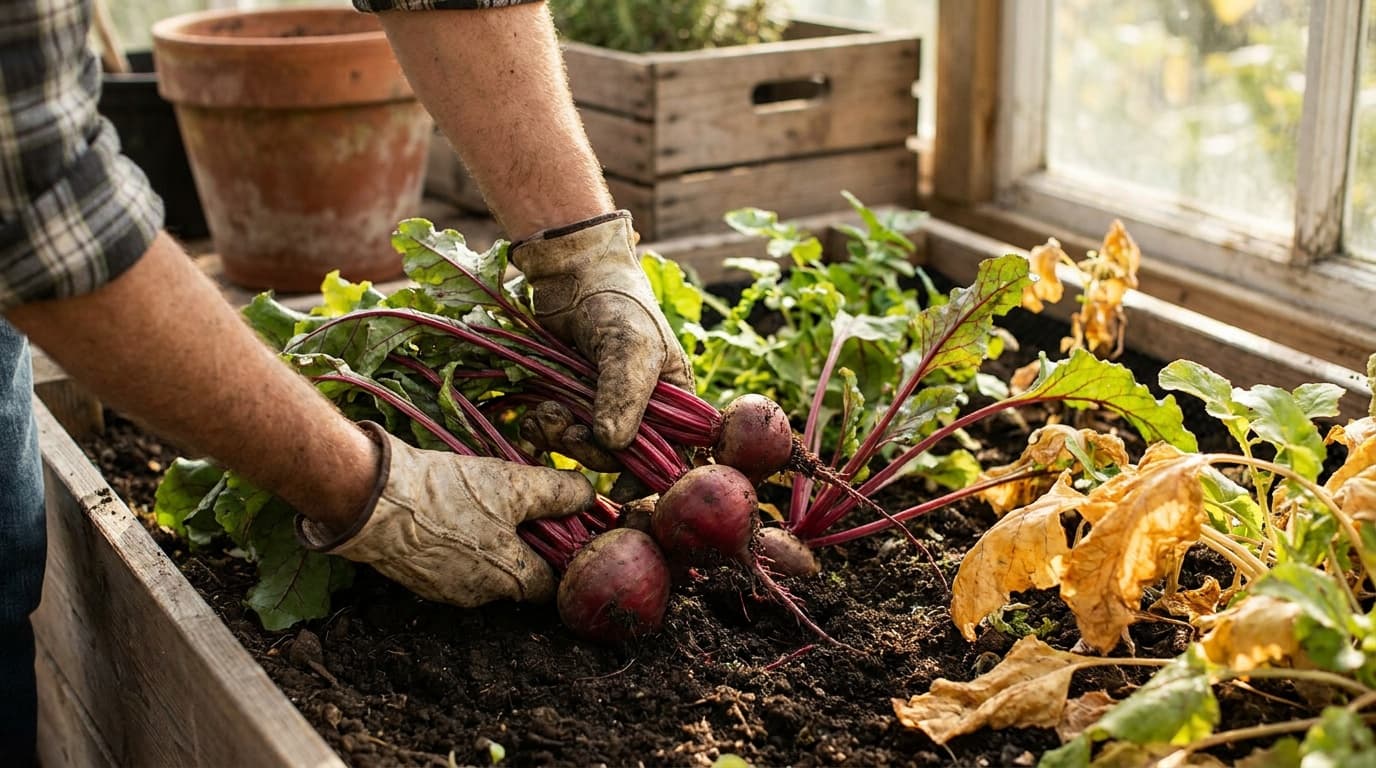
The unusual part of growing beets is the seed. What looks like one seed is usually a dried fruit that can produce several seedlings. A neatly sown row still emerges crowded, so thinning is part of the crop rather than a correction for poor sowing.
Use the beet plant profile for the local sowing window, seed depth, mature plant layout, sun requirement, and harvest estimate. The planting calendar and frost dates tools personalize that structured information without duplicating it here.
Build a smooth root zone
Stones, hard clods, and a compacted layer redirect developing roots. Loosen the bed deeply enough for the variety you selected, remove debris, and rake the surface fine. A mature compost amendment can improve both drainage and moisture retention. Avoid fresh manure, which can encourage misshapen roots and excessive top growth.
A raised bed is especially useful where native soil is heavy or rocky because the root zone can be rebuilt instead of repeatedly corrected.
Some links on this page are affiliate links. As an Amazon Associate I earn from qualifying purchases.

Great for root crops
Birdies 8-in-1 Tall Metal Raised Garden Bed
Best for: Gardeners who want a buy-once metal bed with a long track record and will pay for it.
Keep in mind: One of the most expensive beds in the category
Amazon price as of the checked date, subject to change. The price on Amazon at checkout applies.
Full research
- Material
- Aluzinc steel
- Height
- Tall (around 30 in)
- Configuration
- 8-in-1 modular panels
- Origin
- Australian-designed
Birdies is the original modular Aluzinc raised bed that defined the category, with a reputation for lasting well over a decade. It commands a premium, but multi-season owners consistently report no rust-through.
This catalog-wide research score is separate from this guide's use-case ranking. How we research
Strengths
- Proven decade-plus longevity from long-term owners
- Thick Aluzinc steel resists corrosion
- Configurable into several footprint shapes
Weaknesses
- One of the most expensive beds in the category
- Taller height needs a lot of fill soil
Sprout Score breakdown
Best for
Gardeners who want a buy-once metal bed with a long track record and will pay for it.
Before adding lime, boron, or fertilizer, use a soil test. Beets can show internal disorders when nutrients are out of balance, and guessing at micronutrients can create a second problem.
Sow and thin clustered seedlings
Direct sow where the roots will finish. Cover the seed according to the beet plant profile, firm the surface gently, and keep it evenly moist until the stand is established.
Thin beets in two passes
Identify each cluster
Make the first selection
Let roots establish
Make the final pass
Small, repeated sowings are easier to thin and harvest than one long row. A new batch every two to three weeks can distribute the work and the harvest, provided the local calendar still offers suitable conditions.
Water and feed for root quality
Keep the root zone evenly moist. Alternating dry soil and heavy watering can cause cracking, while prolonged dryness can make roots fibrous. Water at the soil line and check moisture below the surface instead of judging by a dry crust alone.
A soaker hose can distribute water slowly without repeatedly wetting the foliage.
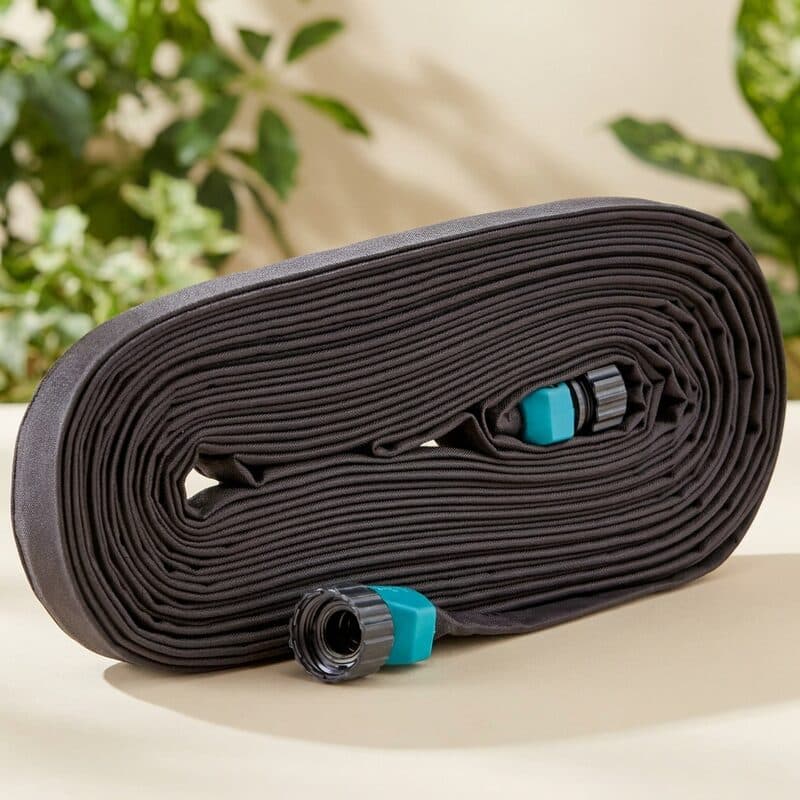
Even root zone moisture
Gilmour Flat Weeper Soaker Hose
Best for: Row and border gardeners who want low-waste, root-zone watering on a budget.
Keep in mind: Even output drops over very long runs and on slopes
Amazon price as of the checked date, subject to change. The price on Amazon at checkout applies.
Full research
- Type
- Flat weeper soaker hose
- Lengths
- Available in multiple lengths
- Delivery
- Seeps along the full length
- Connection
- Standard hose faucet
Gilmour's flat weeper soaker hose seeps water along its length to deliver moisture at the root zone, lying flat along rows and borders.
This catalog-wide research score is separate from this guide's use-case ranking. How we research
Strengths
- Delivers water directly to the root zone with little waste
- Flat profile lies neatly along rows and borders
- Inexpensive and easy to route through a bed
Weaknesses
- Even output drops over very long runs and on slopes
- Should be drained and stored to avoid winter damage
Sprout Score breakdown
Best for
Row and border gardeners who want low-waste, root-zone watering on a budget.
Owner rating snapshot
Amazon · 49 reviews · 4.2 stars
If the bed was prepared with compost, observe the plants before feeding. Very lush leaves paired with disappointing roots suggest too much nitrogen. If a soil test identifies a need, apply a suitable product at the labeled rate. The Jobes Organics Vegetable Fertilizer is one option, but the test result should drive the decision.
Protect the leaves without losing the crop
Leaf miners: Pale, papery blotches between the leaf surfaces are characteristic. Remove badly affected leaves and see leaf miners for prevention. Moderate damage to mature foliage does not always ruin the root.
Aphids: Check the undersides of curled leaves and the newest growth. Beneficial insects often suppress small colonies; the aphids guide covers escalation steps.
Bolting: A flower stalk redirects energy away from the root. Review bolting, harvest any usable roots, and adjust the next batch through the profile and local calendar.
Leaf spots and root rot: Remove infected residue, avoid handling wet plants, improve drainage, and rotate the bed to an unrelated crop.
Internal browning or a hollow dark center: These symptoms can point to boron availability, but treatment should follow a soil test. Do not add boron by guesswork because the margin between deficient and excessive is narrow.
Harvest roots and greens well
Brush soil away from the shoulders of several plants. Compare their size with the variety description, then pull one sample and cut it open. A good beet is firm and evenly colored, without a woody core. If the sample is tender, harvest the largest roots first and leave smaller ones only while conditions remain favorable.
Harvest and store beets
Loosen before lifting
Trim without cutting the crown
Use the greens promptly
Chill clean, dry roots
For containers, choose a vessel deep enough for unrestricted roots and use a mix that drains while holding even moisture. The controlled soil makes beets practical for patios where in-ground soil is compacted.
Why did several beet seedlings emerge from one seed?
A beet seed unit is commonly a cluster containing multiple embryos. Thin by snipping rather than pulling, then make a second pass once the strongest plants are easy to identify.
Why are my beet tops large but the roots small?
Crowding and excess nitrogen are the first checks. Correct the stand using the beet plant profile, pause fertilizer, and make sure compacted soil is not restricting the root.
What causes rings or cracks in beet roots?
Uneven growth often follows moisture swings. Keep the root zone consistently moist, mulch after the stand is established, and avoid flooding a bed that has become very dry.
Can leaf miner damage ruin the beet harvest?
Severe damage can slow young plants, but a mature plant with enough healthy foliage may still form a usable root. Remove badly damaged leaves, protect later sowings with row cover, and monitor the plant's new growth.
Can I grow beets in a container?
Yes. Use a deep container, a loose potting mix, and reliable drainage. Check moisture more often than you would in the ground because container soil changes quickly.
What to do next
Beets are a bed-preparation and thinning crop. Give the roots loose soil, separate clustered seedlings without disturbing their neighbors, keep growth steady, and use a cut sample to decide when the harvest is ready.