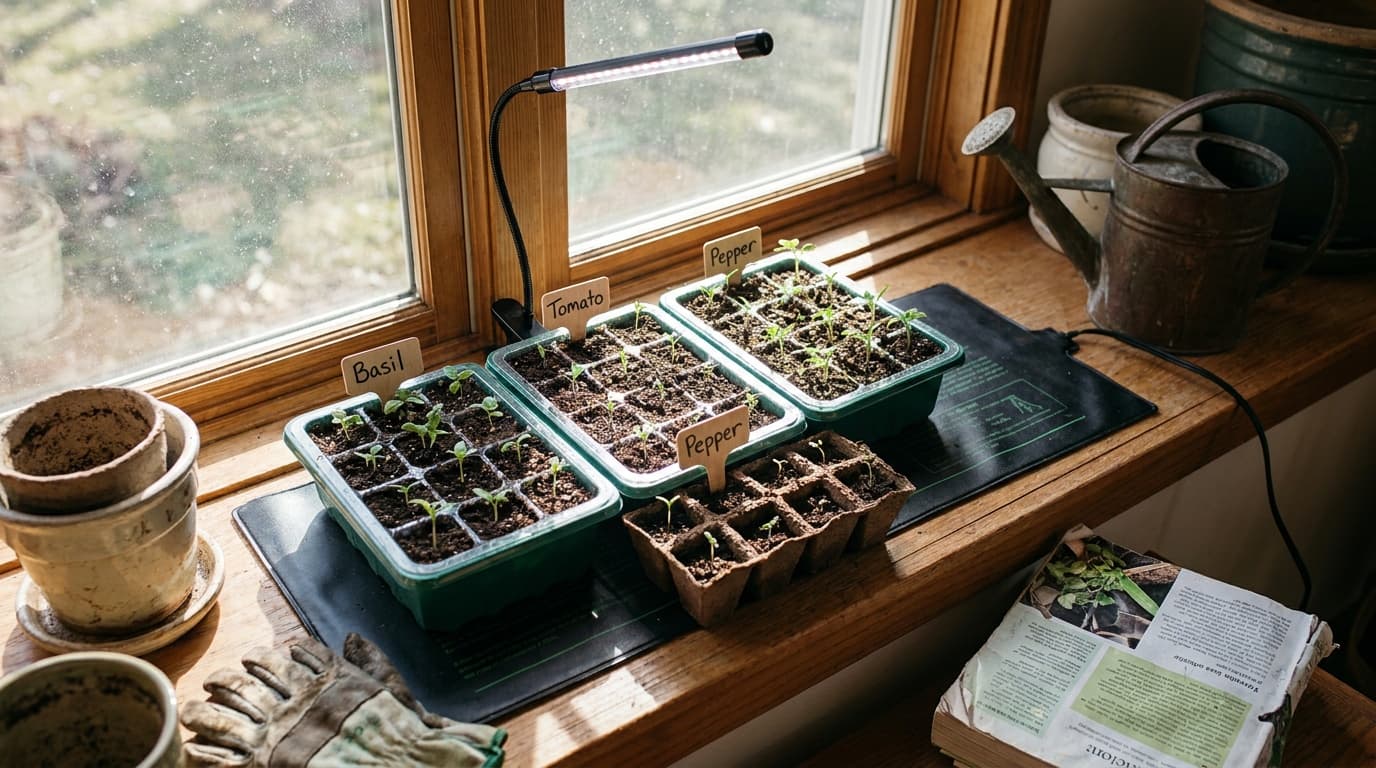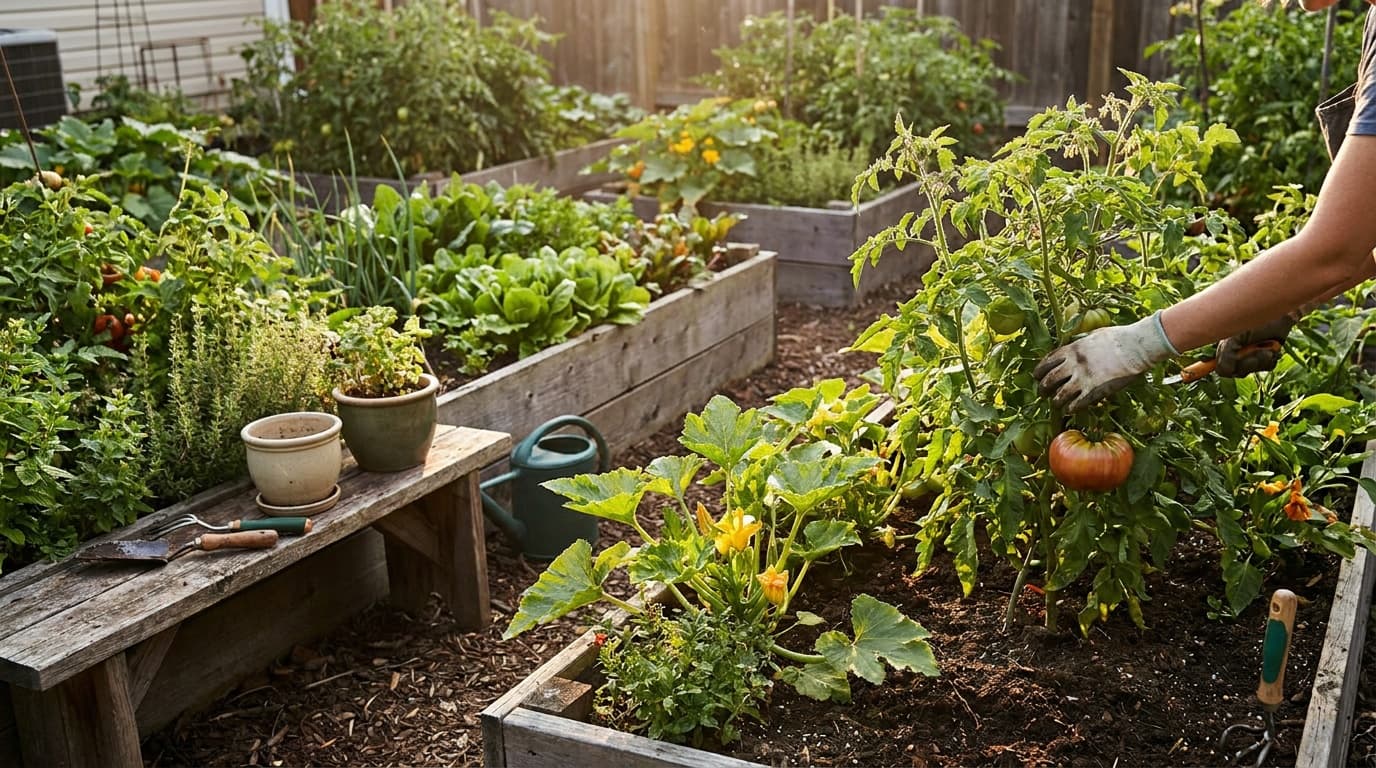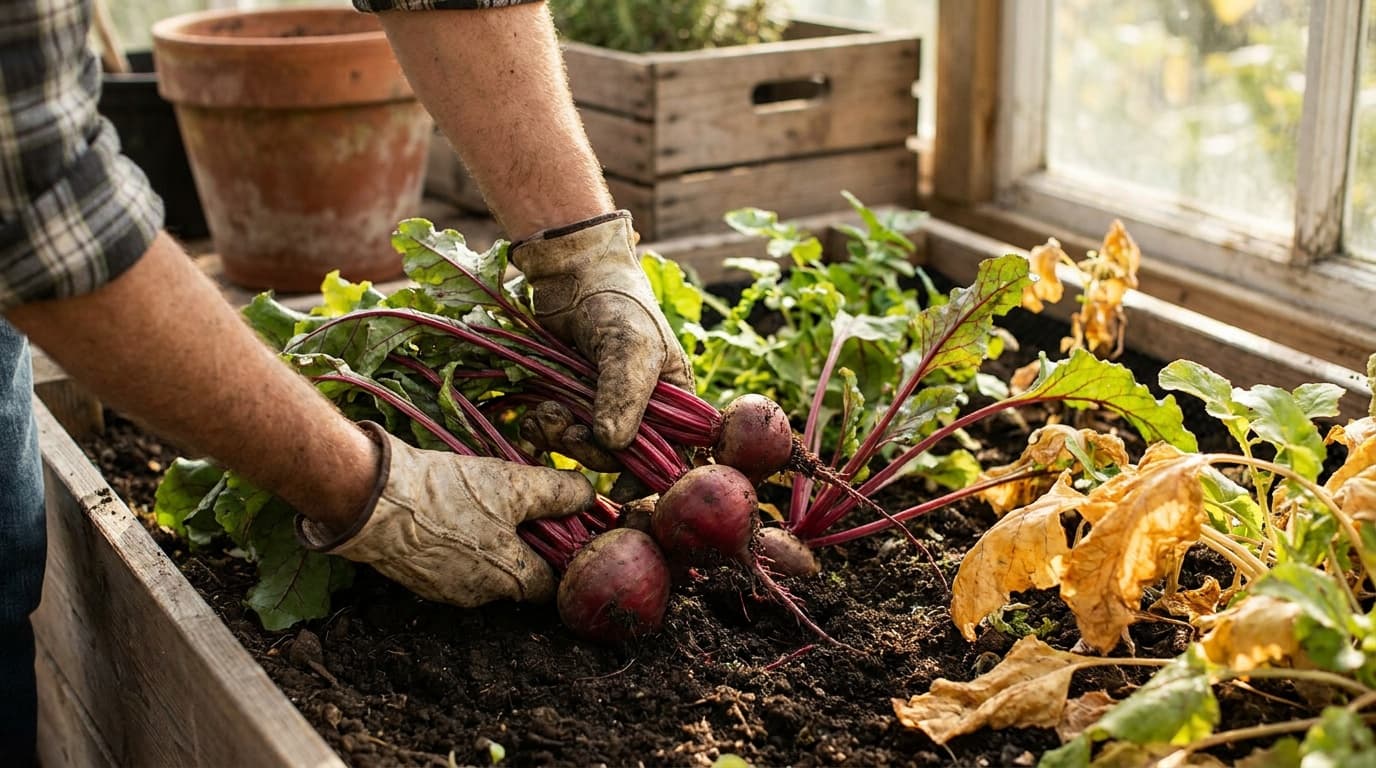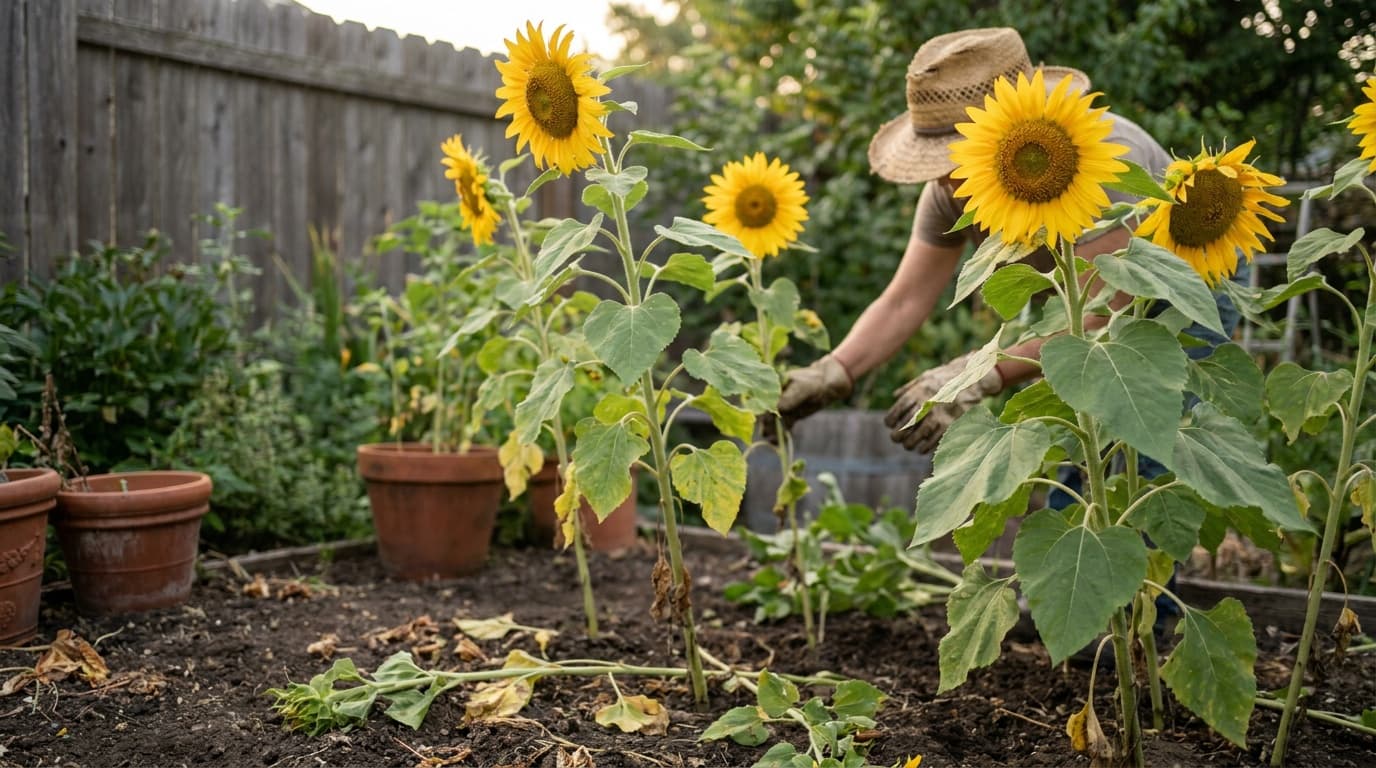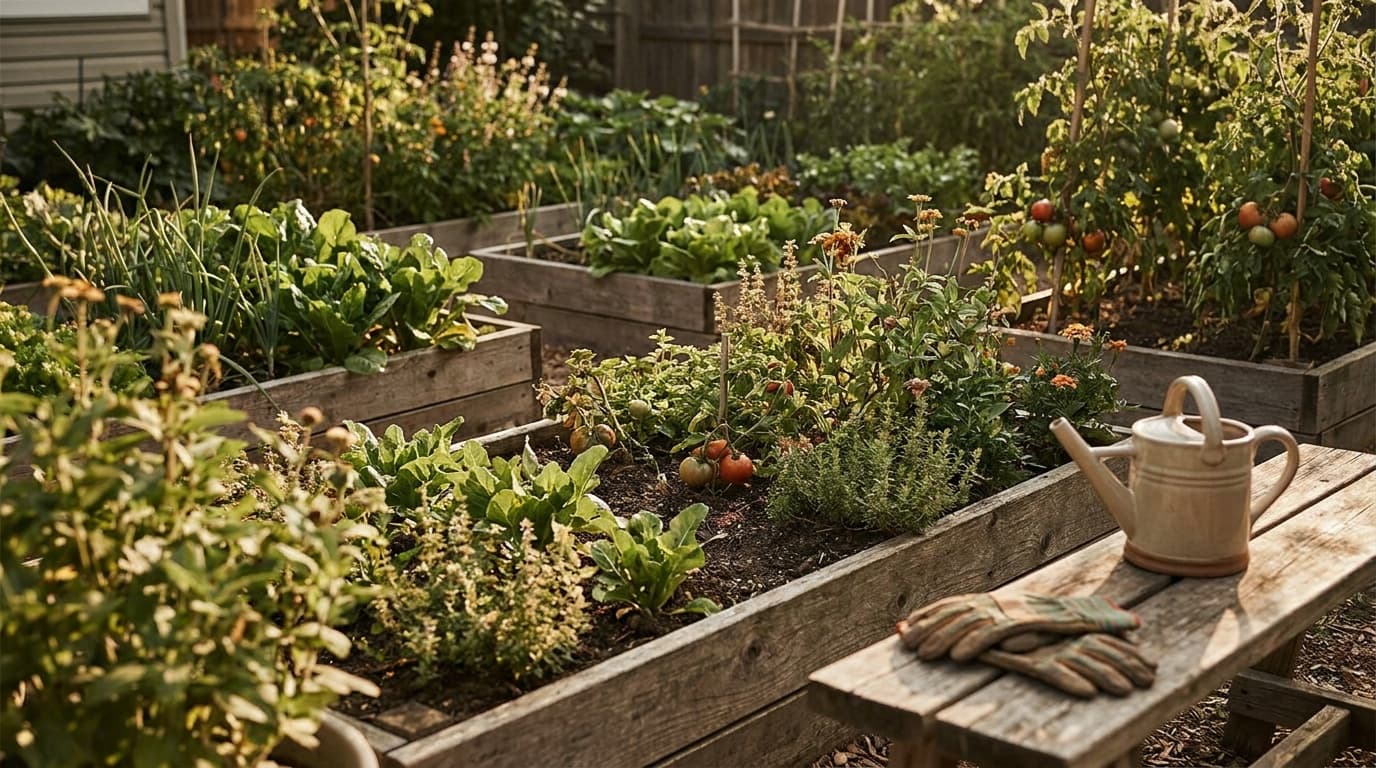
You raised your seedlings indoors under grow lights, on a heat mat, in still air and gentle, consistent light. They look great. Then you carry the whole tray outside, plant it on a bright Saturday, and by Sunday the leaves are bleached white, scorched, or collapsed. The plants did not have a disease. They had never met the sun.
That is the problem hardening off solves. Indoor seedlings are soft: their leaves lack the protective waxy cuticle that outdoor-grown plants develop, their stems have never felt wind, and they have never experienced a real temperature swing. Hardening off is the gradual toughening that lets them survive the transition. It is the least glamorous step in growing from seed, and the one most likely to kill a whole batch when skipped.
Why indoor seedlings cannot just go outside
Three outdoor forces overwhelm a coddled indoor seedling, and the plant needs time to build defenses against each.
What outdoor life throws at a seedling
Sunlight intensity
Wind
Temperature swings
A gradual introduction lets the plant thicken its leaf cuticle, stiffen its stems, and adjust its internal chemistry. There is no shortcut; the plant needs days, not hours.
The hardening-off schedule
The standard process runs 7 to 14 days. Slower is safer; if your weather is harsh or your seedlings are delicate, lean toward the longer end. Here is a reliable version.
A 7 to 14 day hardening-off plan
Days 1 to 2
Days 3 to 4
Days 5 to 6
Days 7 to 9
Days 10 onward
Morning sun is gentler than harsh midday sun, so introduce sun exposure in the morning first and build toward full-day tolerance.
Do not let the calendar fool you
Hardening off and frost timing are two separate gates, and both must be passed. You can perfectly harden off a tomato seedling and still kill it by planting it before your last frost. Tender, warm-season crops (tomatoes, peppers, cucumbers, basil) must wait until after your last spring frost and until soil has warmed.
- Confirm your last spring frost with the frost dates tool.
- Get the safe transplant date per crop from the planting calendar by ZIP.
Cool-season crops (lettuce, kale, broccoli) still need hardening off, but they tolerate light frost and can go out earlier.
Make hardening off easier with the right setup
The whole process is just managing exposure, and a few tools make it less of a daily juggling act. A sturdy 1020 tray lets you move a whole batch in one trip rather than carrying pots one at a time.
Some links on this page are affiliate links. As an Amazon Associate I earn from qualifying purchases.
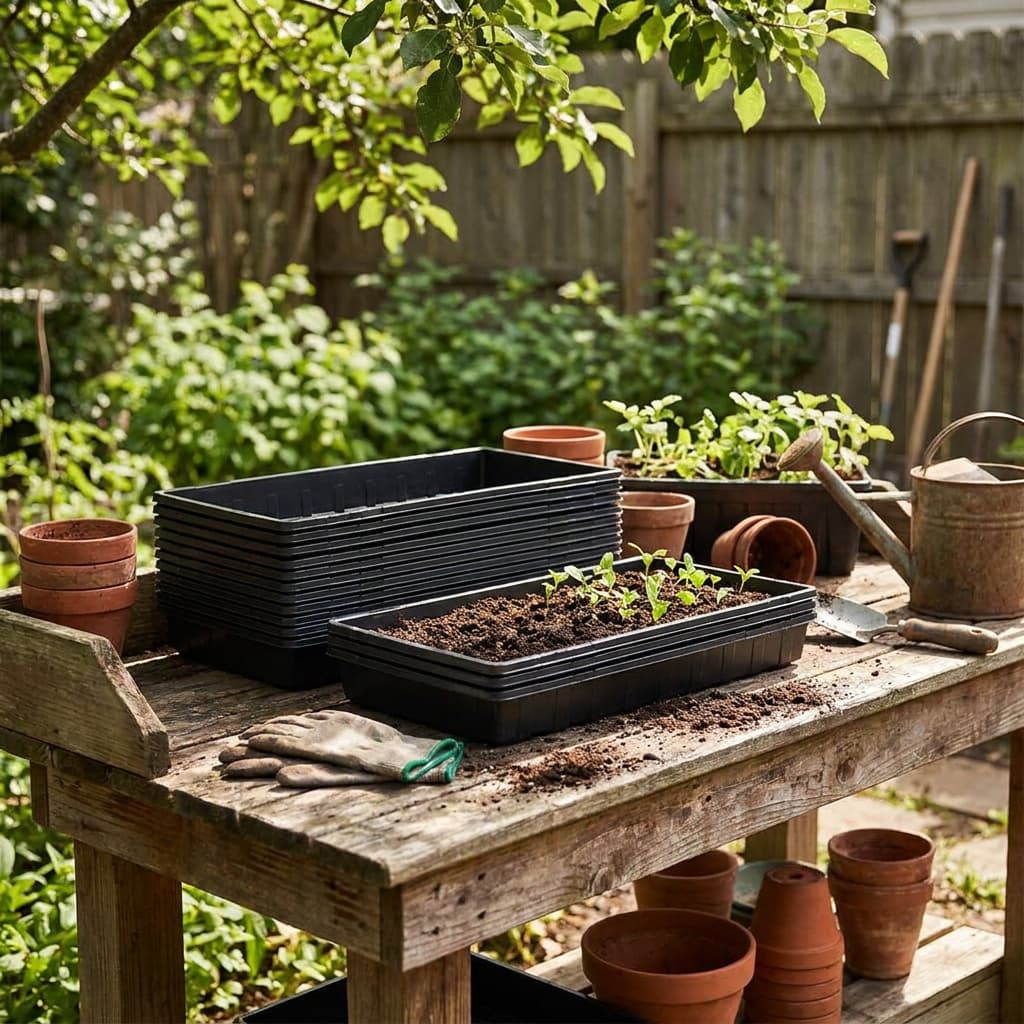
Move a whole batch
Bootstrap Farmer 1020 Trays (Heavy-Duty, No Holes)
Best for: Gardeners tired of replacing cracked trays every season.
Keep in mind: Much pricier upfront than disposable trays
Amazon price as of the checked date, subject to change. The price on Amazon at checkout applies.
Full research
- Footprint
- Standard 1020 (10 x 20 in)
- Material
- Thick BPA-free plastic, USA-made
- Drainage
- No-hole bottom tray (use as base or with inserts)
- Reusability
- Multi-season, dishwasher/heat-mat safe
Thick, USA-made 1020 trays built to survive many seasons rather than crack after one. The standard footprint pairs with any insert, dome, or heat mat.
This catalog-wide research score is separate from this guide's use-case ranking. How we research
Strengths
- Far more durable than standard nursery trays
- Standard 1020 size fits the whole ecosystem of inserts and domes
- Reusable for years, lowering long-term cost
Weaknesses
- Much pricier upfront than disposable trays
- No-hole base needs separate inserts for drainage
Sprout Score breakdown
Best for
Gardeners tired of replacing cracked trays every season.
Owner rating snapshot
Amazon · 21 reviews · 4.8 stars
These heavy-gauge trays survive being carried in and out daily without flexing or cracking, which matters when you are moving seedlings twice a day for two weeks. See our best seed starting trays guide for the full comparison.
A cold frame or mini greenhouse turns hardening off into something closer to set-and-forget: seedlings sit protected, you vent it more each day, and they acclimate without the daily shuffle. Our best mini greenhouses guide covers the options.
Reading a seedling that is struggling
If during hardening off you see white or tan bleached patches on leaves, that is sunburn: pull back on sun exposure and slow down. Wilting that recovers overnight is normal stress; wilting that does not recover signals drought or a transition too fast. Purpling or stalled growth often means cold stress, so hold off on overnight stays until nights warm. Slow down whenever you see trouble; the plants will catch up.
How long does it take to harden off seedlings?
Plan for 7 to 14 days. A week is the minimum for sturdy crops in mild weather; two weeks is safer for delicate seedlings or harsh conditions. The process cannot be rushed because the plant physically needs days to thicken its leaves and stiffen its stems. When in doubt, go slower, the cost of an extra few days is nothing compared to losing the batch.
What happens if you don't harden off seedlings?
Seedlings moved straight from indoors to full sun typically suffer transplant shock: leaves bleach white or develop scorched patches from sunburn, stems get whipped or snapped by wind, and the sudden temperature swing stalls or kills the plant. Many do not recover. Hardening off prevents this by letting the plant build its defenses gradually.
Can you harden off seedlings in the rain or wind?
Light wind is beneficial and helps strengthen stems, so a gentle breeze is fine and even helpful. Heavy wind, driving rain, or storms are too much for tender seedlings early in the process; bring them in or shelter them. Gentle rain late in hardening off is generally fine once they have toughened up.
Do I need to harden off store-bought transplants?
Often, yes. Plants from a greenhouse have been grown in protected conditions, and ones pulled from indoor or covered displays may not be fully acclimated. Plants displayed outdoors at the nursery for a while are usually already hardened. When unsure, give store-bought transplants several days of gradual exposure before planting, especially before a long stretch of intense sun.
Hardening off is the bridge between a healthy seedling tray and a thriving garden bed. Give it the full week or two, watch for sunburn and drought, and only transplant once your frost dates clear it. For the next step, see how to start a vegetable garden from scratch and how much to water a vegetable garden once those transplants are in the ground.