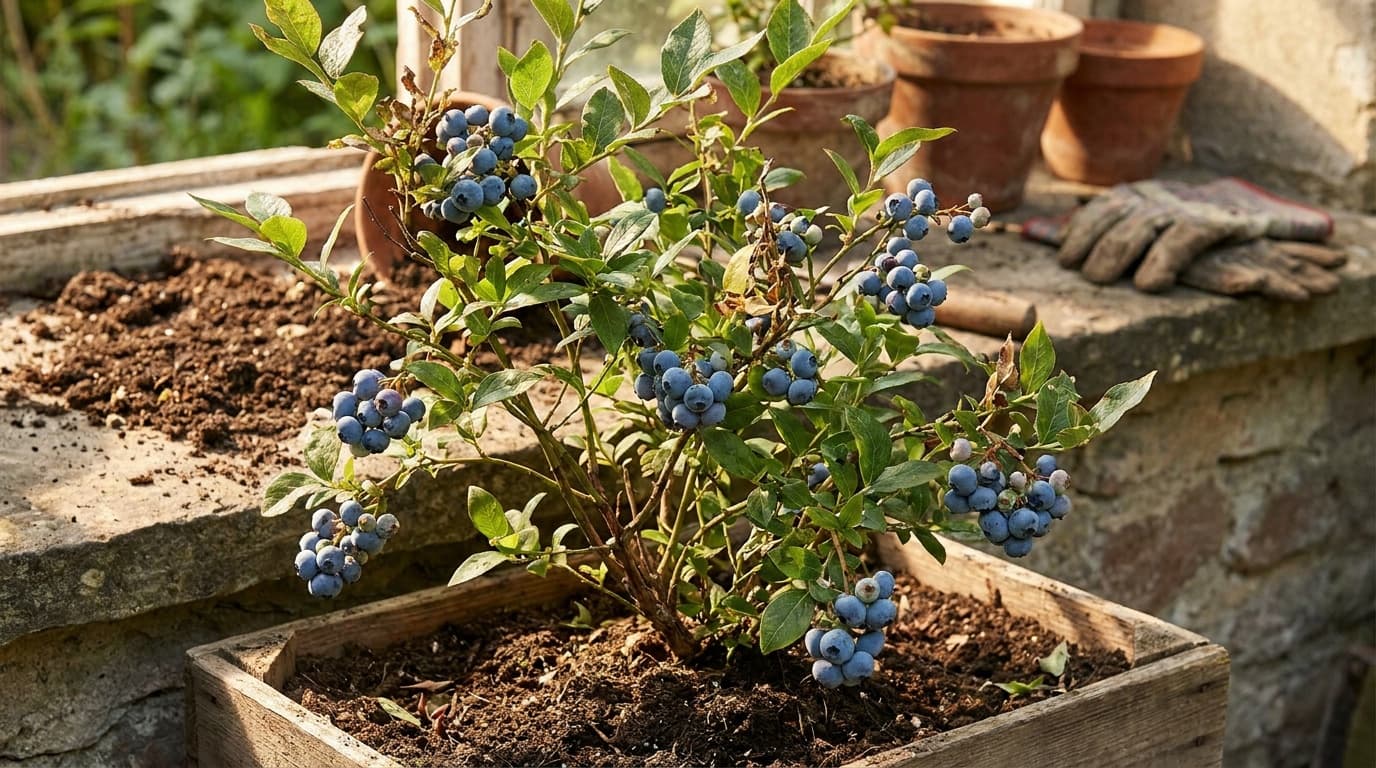
Blueberries are demanding about root chemistry but straightforward once that environment is intentionally built. The common failure is treating them like ordinary garden shrubs and trying to correct yellow leaves with fertilizer after the roots are already unable to use nutrients efficiently.
Test before buying amendments
Use a soil test that reports acidity and amendment recommendations for fruit crops. A color-only home kit can reveal a broad mismatch, while a laboratory test is better for calculating a correction in native soil. Retest after amendments have had time to react instead of adding repeated unmeasured doses.
Some links on this page are affiliate links. As an Amazon Associate I earn from qualifying purchases.
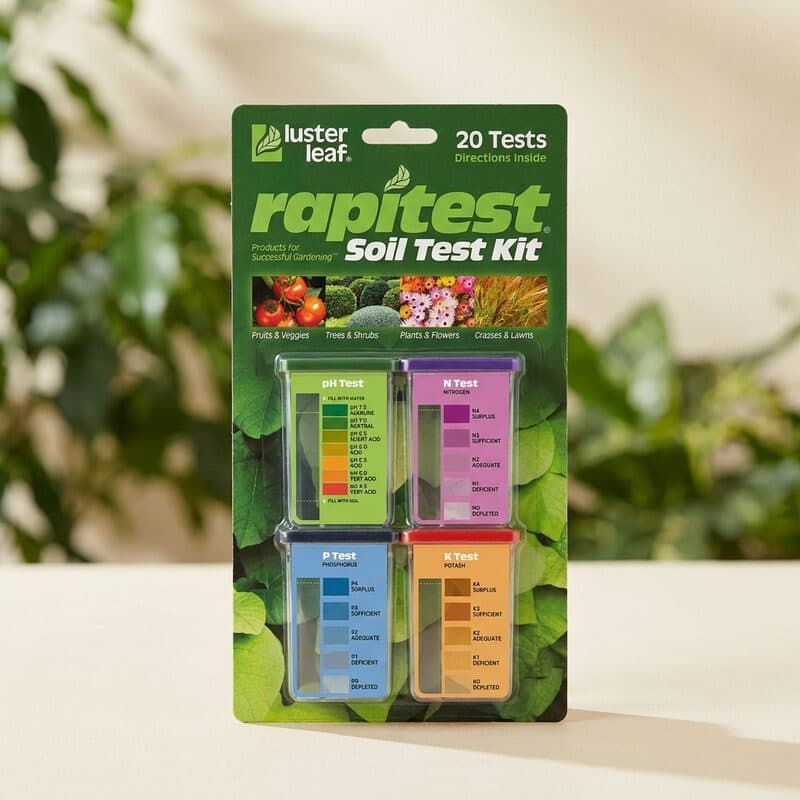
Soil test kit
Luster Leaf Rapitest Soil Test Kit (1601)
Best for: Home gardeners who want a fast, affordable picture of soil pH and basic NPK before planting or amending.
Keep in mind: Colorimetric accuracy is narrower than a lab analysis
Amazon price as of the checked date, subject to change. The price on Amazon at checkout applies.
Full research
- Tests included
- 40 total: 10 pH, 10 N, 10 P, 10 K
- Parameters
- pH, nitrogen, phosphorus, potassium
- Method
- Chemical capsule + color comparator
- Reference chart
- pH and NPK targets for 100+ plants
The Luster Leaf Rapitest 1601 is the go-to home soil test kit, using chemical capsules and a color comparator to measure pH, nitrogen, phosphorus, and potassium in minutes.
This catalog-wide research score is separate from this guide's use-case ranking. How we research
Strengths
- Tests four critical parameters in one kit at low cost
- Color comparator is easier to read than flat printed charts
- Results in minutes with no mailing or waiting
Weaknesses
- Colorimetric accuracy is narrower than a lab analysis
- Does not measure secondary nutrients or organic matter
Sprout Score breakdown
Best for
Home gardeners who want a fast, affordable picture of soil pH and basic NPK before planting or amending.
Owner rating snapshot
Amazon · 22 reviews · 4.1 stars
The garden soil testing guide explains sampling. Take several small samples from the intended root area, mix them, and keep mulch or surface fertilizer out of the sample.
Build a blueberry root environment
Test the starting soil
Choose one system
Use measured amendments
Retest before correcting again
Use a separate bed when native soil fights back
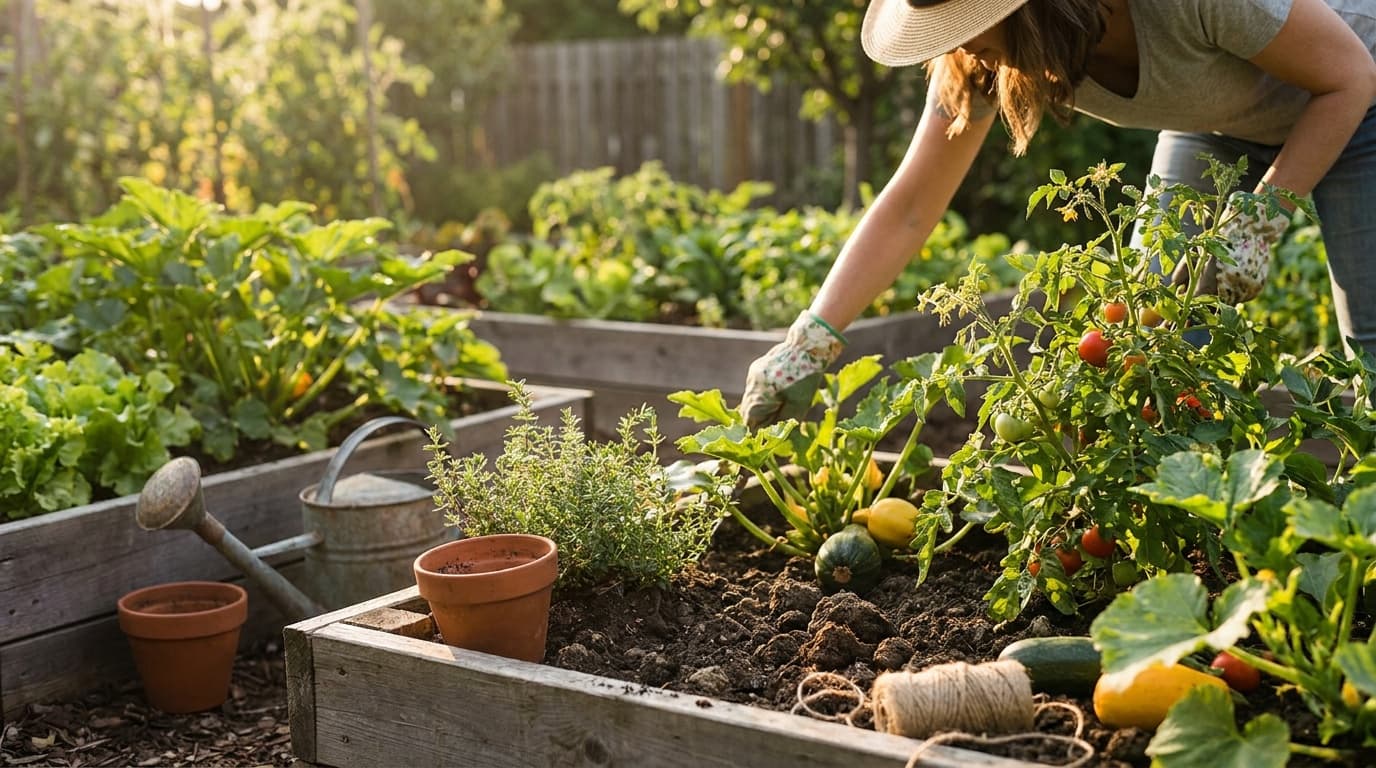
Where native soil is poorly drained or strongly opposed to the needed acidity, a raised bed or large container offers more control. Fill it with a mix designed for acid-loving plants and prevent alkaline runoff or native soil from repeatedly entering the root area.

For acidic mix control
Birdies 8-in-1 Tall Metal Raised Garden Bed
Best for: Gardeners who want a buy-once metal bed with a long track record and will pay for it.
Keep in mind: One of the most expensive beds in the category
Amazon price as of the checked date, subject to change. The price on Amazon at checkout applies.
Full research
- Material
- Aluzinc steel
- Height
- Tall (around 30 in)
- Configuration
- 8-in-1 modular panels
- Origin
- Australian-designed
Birdies is the original modular Aluzinc raised bed that defined the category, with a reputation for lasting well over a decade. It commands a premium, but multi-season owners consistently report no rust-through.
This catalog-wide research score is separate from this guide's use-case ranking. How we research
Strengths
- Proven decade-plus longevity from long-term owners
- Thick Aluzinc steel resists corrosion
- Configurable into several footprint shapes
Weaknesses
- One of the most expensive beds in the category
- Taller height needs a lot of fill soil
Sprout Score breakdown
Best for
Gardeners who want a buy-once metal bed with a long track record and will pay for it.
See raised bed gardening for beginners for drainage and construction. Do not line the bottom in a way that traps water around blueberry roots.
Pair compatible cultivars
Many blueberry cultivars can set some fruit alone, but a compatible second cultivar that flowers at the same period can improve berry size and overall set. Match cultivars within the same blueberry group and confirm overlap on nursery or breeder information.
Choose plants suited to the local climate through the paired profile rather than assuming every highbush, lowbush, or rabbiteye cultivar behaves the same.
Plant shallow roots gently
Blueberry roots are fine and fibrous. Loosen a circling container root ball carefully, settle it without deep burial, and protect the surface with an acidic organic mulch. Keep mulch away from direct contact with the main stems.
Maintain even moisture without saturation. Check below the mulch because the surface can look dry while the root area remains wet. Avoid frequent cultivation around the shrub, which damages shallow roots.
Feed only after diagnosing leaf color
Yellow leaves with greener veins can indicate that the root environment is preventing nutrient uptake. Test the soil before adding iron or a general fertilizer. If acidity is already correct, inspect drainage, root damage, and amendment history.
Use a fertilizer formulated for acid-loving plants only when a soil test or plant response supports it. More fertilizer cannot compensate for an unsuitable root environment.
Prune for renewal and access
Young shrubs need a balanced framework more than heavy production pruning. Remove broken, crossing, and ground-level weak growth. On established plants, remove some of the oldest unproductive wood at the base so strong newer canes can replace it.
Keep the center open enough to reach fruit and inspect leaves, but do not hollow the shrub into a few exposed stems. Make clean cuts and remove diseased wood from the bed.
Protect and harvest ripe berries
Bird pressure often begins as fruit colors. Netting must be held away from the canopy and secured at the bottom so wildlife cannot become trapped. Check it regularly.
A blueberry is not necessarily ripe at its first color change. Fully ripe fruit is evenly colored, detaches with a light roll of the fingers, and develops better sweetness after hanging on the bush. Pick into shallow containers and cool promptly.
Troubleshoot the shrub
- Yellowing between leaf veins points first to a root-environment or uptake problem.
- Japanese beetles skeletonize foliage and can be handpicked before populations build.
- Gray mold affects flowers and fruit where moisture lingers.
- Anthracnose can create fruit rot and stem lesions.
- Aphids gather on tender growth.
- Spider mites cause stippling during hot, dry stress.
Do blueberries benefit from a second cultivar?
Yes. Many cultivars can produce some fruit alone, but a compatible cultivar with overlapping bloom can improve set and berry size. Match plants within the same blueberry group and label them clearly.
Why are blueberry leaves yellow between the veins?
The roots may be unable to take up nutrients because the soil environment is unsuitable, too wet, or damaged. Test before fertilizing, inspect drainage, and correct the cause rather than repeatedly treating the leaf color.
Can blueberries grow in containers or raised beds?
Yes, and a separate growing system can be easier where native soil is a poor fit. Use an acidic mix, provide free drainage, keep moisture even, and prevent native soil or alkaline runoff from changing the root environment.
How do I know blueberries are ready to pick?
Look for even mature color and an easy release when the berry is rolled gently between the fingers. Fruit often develops better flavor after the first color change, so taste a sample before stripping the cluster.